

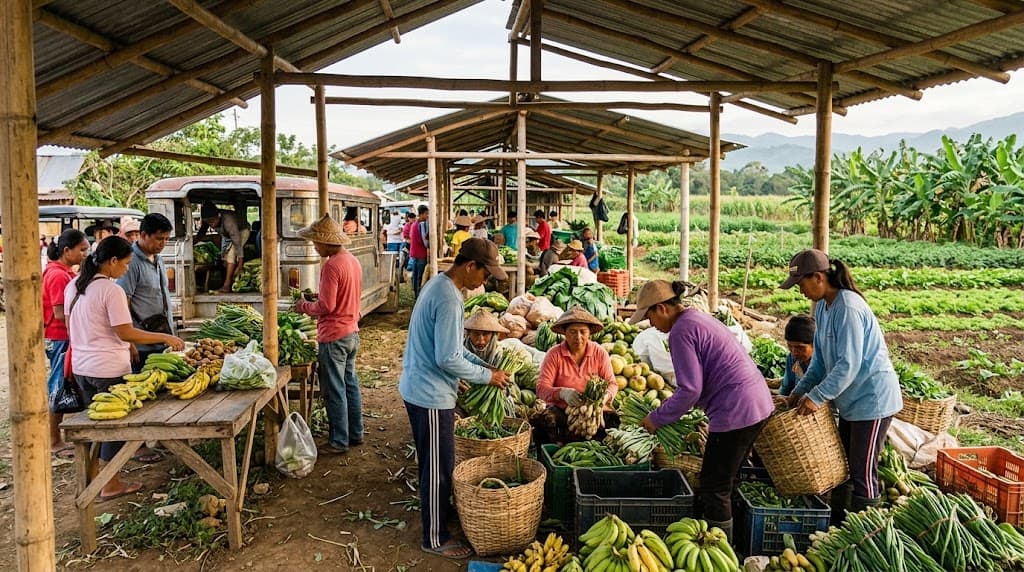
What Is Agribusiness? Meaning, Examples and 10 Profitable Ideas in the Philippines (2026)
Agribusiness is the business of farming and everything connected to it: farm inputs, growing crops and raising animals, processing, and selling food and agricultural products. In the Philippines, agribusiness ranges from a backyard pig farm to big companies that export bananas and coconut products. This complete guide explains what agribusiness means, how it works, real Philippine examples, 10 profitable venture ideas, and practical tips to help you start in 2026.
In this guide | Short answer |
|---|---|
Farming run as a business, plus every business that supplies farms or processes, moves and sells what they produce. | |
About one in five working Filipinos work in agriculture, and farm exports earned USD 6.43 billion in 2023. | |
Farm inputs, production, processing, distribution and support services. | |
A backyard pig farm, a vegetable farm, banana chip making, honey and rice trading, up to companies like San Miguel Foods and Dole. | |
Bees, high-value vegetables, mushrooms, pigs, quail eggs, goats, fish, fruit snacks, vermicompost and a plant nursery. | |
Drones, solar irrigation, weather alerts, soil testing, e-wallets and online marketplaces. | |
7 tips: treat it like a real job, start with one product, keep records and know your market. | |
Register in the RSBSA for government loans (ACPC, LANDBANK) and crop insurance (PCIC). | |
Short answers, including a sample answer for school modules. |
What Is Agribusiness? Meaning and Definition
To understand what agribusiness is, think of it as a bridge between the farm and the dining table. The word itself comes from combining "agriculture" and "business." In simple terms, the agribusiness definition includes every step and service needed to produce farm inputs, grow crops, raise animals, process food, and sell agricultural goods to buyers. So the agribusiness meaning is broader than farming alone: it also covers the businesses that supply farms and the ones that process, move and sell what farms produce.
Understanding what agribusiness is all about becomes clearer when comparing traditional farming with modern agribusiness:
Feature | Farming | Agribusiness |
|---|---|---|
What it covers | Growing crops or raising animals | Everything from farm inputs to selling, including farming |
Main goal | Produce a harvest | Earn income across the whole chain |
Example | Growing tomatoes on 1 hectare | Growing tomatoes, making tomato sauce and selling it to stores |
A common question many people ask is: is farming an agribusiness? Yes, farming is an agribusiness whenever you grow crops or raise animals to sell and earn a living, not just to feed your own family. At the same time, farming is just one piece of a much larger picture.
Why Is Agribusiness Important in the Philippines?
Understanding why agribusiness is important starts with the everyday needs of Filipino families and provincial communities. Agriculture is not just about plowing fields. It supplies our daily food, provides jobs, supports rural families, and brings money into the country through global trade.
Agribusiness in the Philippines supports the country in four main ways:
Jobs for Filipino Workers: According to the PSA Labor Force Survey (August 2026), the agriculture sector accounts for 20.9% of all employed workers across the country. That is about one in five working Filipinos, making farm work one of the nation's largest sources of employment.
National Food Security: Data from the PSA National Accounts shows that agriculture, forestry and fishing kept growing in the second quarter of 2026, while the whole economy grew by only 2.3%. A dependable agribusiness network ensures basic staples like rice, corn, chicken, fish, and vegetables reliably reach local wet markets and city centers without frequent shortages.
Higher Income for Rural Families: According to the PSA Regional Value of Production in Agriculture and Fisheries (2025), key provincial areas drive our food supply, led by Central Luzon (accounting for 13.8% of total agri-fishery output) and Northern Mindanao (10.2%). New agribusiness ventures in the provinces, such as grain drying, cold storage and food processing, help growers earn more by adding value instead of selling raw harvests at low farmgate prices.
Export Earnings from Farm Goods: Farm exports bring vital income into the country. According to the PSA Foreign Trade Statistics for Agricultural Commodities (2023), Philippine agricultural export revenue was recorded at USD 6.43 billion. The biggest export group is edible fruit, mainly fresh bananas and pineapples, and coconut oil is another major earner.
The 5 Parts of Agribusiness
So what are the agribusinesses in the Philippines? They fit into five parts:
1. Farm Inputs & Supplies
This stage covers all the materials and equipment farmers need before planting or raising animals. In the Philippines, this includes buying certified inbred rice Seeds from PhilRice or local dealers, commercial or organic Fertilizers, formulated Animal Feed for broilers and hogs, and durable tools found under Farm Equipment & Supplies.
2. Farming, Livestock, and Fishing
This is the actual production stage where food and agricultural goods are grown or raised. Examples across the country include highland Fruits, Vegetables & Growables in Benguet, backyard Livestock in Batangas, and freshwater tilapia or milkfish Seafood raised in fishponds across Pampanga and Pangasinan.
3. Food Processing & Value Addition
Processing turns raw, perishable farm harvests into longer-lasting food products with higher value. Common Philippine examples include milling raw palay into white table rice, curing local Robusta and Arabica coffee beans in Cavite and Bukidnon, drying mango slices in Cebu, and packaging shelf-stable Processed Farm Products.
4. Distribution, Wholesale, and Retail
This sector handles storing, moving, and selling agricultural products to everyday consumers. Goods travel through major provincial trading posts (bagsakan) like La Trinidad or Sariaya, cold storage facilities, public wet markets (palengke), supermarkets, bulk trade covered in our wholesale guide, and modern digital channels like FarmyHub.
5. Support Services
These are the essential organizations and services that help agri-entrepreneurs run their farms without failing. In the Philippines, this includes government crop insurance through the Philippine Crop Insurance Corporation (PCIC), low-interest capital loans from LANDBANK and ACPC, farm cooperatives, and registrations through the RSBSA guide.
Examples of Agribusiness in the Philippines
Here is a list showing 5 examples of agribusiness setups operating across the country:
Backyard Pig Raising
High-Value Vegetable Farm
Banana Chip & Dried Fruit Manufacturing
Honey Production
Rice Trading and Milling
Agribusiness Companies in the Philippines
Large agribusiness companies in the Philippines show how modern agricultural supply chains operate at scale:
San Miguel Foods: Runs commercial feed mills under B-MEG, integrated poultry and hog breeding operations, and processed meat brands such as Purefoods.
Universal Robina Corporation (URC): Produces animal feeds through Robina Agri Partners, processes commercial flour and sugar, and manufactures packaged consumer foods.
Dole Philippines: Operates commercial pineapple and banana plantations in South Cotabato and Mindanao, shipping fresh fruit exports and packaged fruit lines to overseas markets.
Del Monte Philippines: Manages integrated pineapple growing in Bukidnon, cannery operations in Cagayan de Oro, packaged fruit juices, and culinary sauces.
10 Profitable Agribusiness Ideas in the Philippines (2026)
Choosing among different agribusiness ideas requires assessing available startup money, parcel size, and access to steady buyers.
Idea | Starting cost | Time to first income | Space needed |
|---|---|---|---|
Low to Medium | 4 to 6 months | Small backyard or garden | |
Medium | 30 to 90 days | Small to medium plot | |
Low | 3 to 4 weeks | Indoor shed or room | |
Medium to High | 4.5 to 5 months | Enclosed backyard pen | |
Low to Medium | 45 to 60 days | Small ventilated shed | |
Medium | 7 to 12 months | Backyard pen with forage plot | |
Medium to High | 3 to 5 months | Freshwater pond, tank, or cage | |
8. 🍌 Fruit Processing and Snacks (Banana Chips, Dried Mango, Calamansi Juice) | Low to Medium | 1 to 2 weeks | Clean home kitchen or workspace |
Low | 45 to 75 days | Shaded backyard worm bins | |
Low | 3 to 5 weeks | Small yard with basic nursery shade |
1. 🐝 Beekeeping and Honey
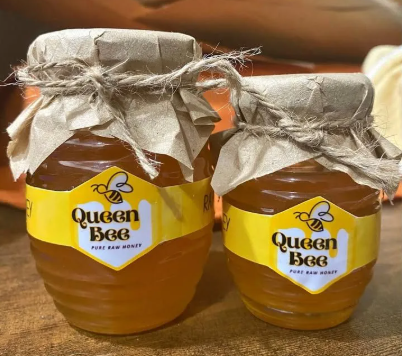
Beekeeping (apiculture) is an eco-friendly enterprise that needs little land. Managed hives produce pure raw honey, beeswax, and propolis to sell, while bees naturally pollinate nearby crops and raise farm yields.
⚙️ How it works: You place wooden hives near flowering trees or crops. You inspect the hives regularly to check queen health, prevent pests, and extract honey every few months before filtering, bottling, and selling.
🧰 What you need to start: Wooden hive boxes (Langstroth frames) if raising European honey bees (Apis mellifera), or a compact wooden split box if keeping native stingless bees (Trigona). You will also need basic protective gear (veil, jacket, and gloves) and a smoker. Taking a free course like ATI's Basic Beekeeping through the DA-ATI e-Learning portal or regional hands-on workshops gives you the essential skills.
💰 Starting cost: Native Stingless Bees: Low to Medium; European Honey Bees: Medium to High
⏱️ Time to first income: 4 to 6 months
🛒 Where to sell: Direct-to-consumer online, specialty markets, and gift shops.
🎯 Best for: Landowners with fruit orchards, backyard hobbyists, and eco-farmers.
🔗 Learn more: For the full setup, read our bee farming guide.
2. 🥬 High-Value Vegetables
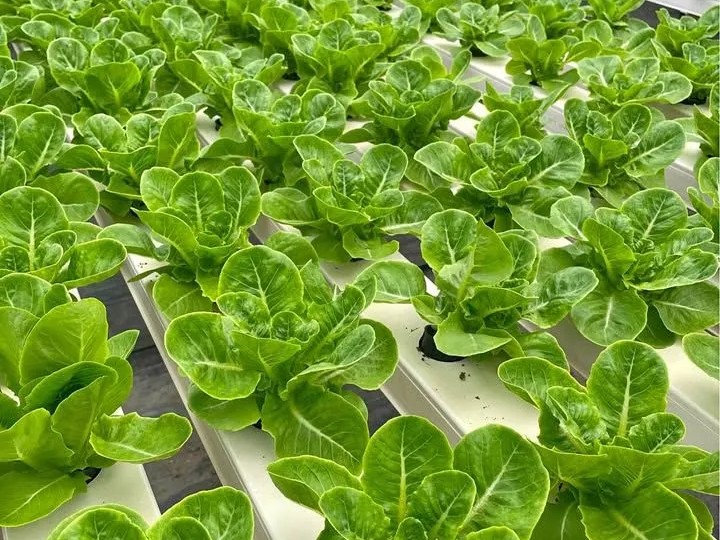
High-value vegetables are kitchen crops that sell for much higher prices than regular field crops. Popular examples include chili peppers, bell peppers, lettuce, broccoli and fresh cooking herbs.
⚙️ How it works: You start seeds in plastic seedling trays, then move the young plants into garden soil beds or simple hydroponic pipe setups. Fast-growing crops like lettuce are ready to pick in just 30 to 45 days, giving you quick sales throughout the year.
🧰 What you need to start: A small cleared garden plot or basic plastic rain shelter, garden hoses or drip kits, and quality seeds or vegetable cuttings.
💰 Starting cost: Medium
⏱️ Time to first income: 30 to 90 days
🛒 Where to sell: Local restaurants, wet markets, grocery suppliers, and online through FarmyHub's Fruits & Vegetables category.
🎯 Best for: Smallholders who wants fast crop turnover and higher profit per square meter.
🔗 Learn more: For the full setup, read our high-value crops guide.
3. 🍄 Mushroom Growing
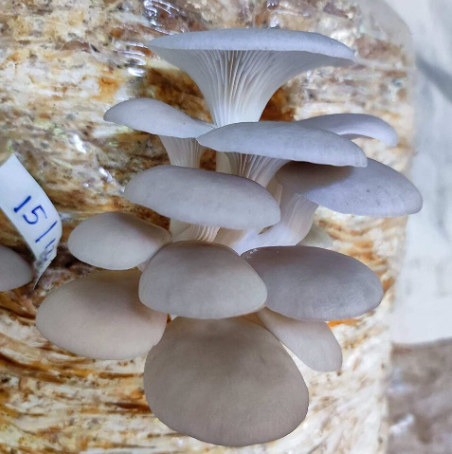
Mushroom growing turns farm wastes like dry rice straw and clean sawdust into fresh, edible mushrooms such as oyster and straw mushrooms. It needs very little land because you can grow them indoors on vertical shelves.
⚙️ How it works: You pack farm waste into plastic fruiting bags, steam-heat them to kill bad bacteria, and add starter mushroom seeds (spawn). You place the bags in a dark, humid room and spray them with water; fresh mushroom clusters sprout every few days for several weeks.
🧰 What you need to start: A small shaded shed or indoor room, a water sprayer, mushroom spawn, and clean growing bags found under Mushrooms.
💰 Starting cost: Low
⏱️ Time to first income: 3 to 4 weeks
🛒 Where to sell: Local wet markets, vegetarian eateries, and direct neighborhood buyers.
🎯 Best for: Growers with limited land, urban backyards, or access to free rice straw.
🔗 Learn more: For the full setup, read our edible mushrooms guide.
4. 🐖 Backyard Pig Raising
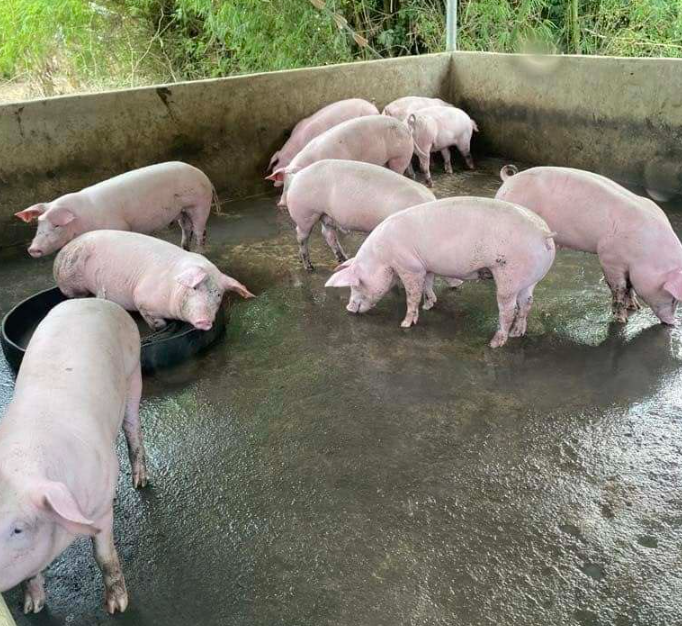
Pork is one of the most popular meats in the Philippines, with high daily demand from local wet markets, carinderias, and supermarkets.
⚙️ How it works: You buy healthy, vaccinated weaners (piglets around 1.5 to 2 months old) and raise them in clean pens. You provide clean water and commercial or fermented feeds every day until they reach a market-ready live weight of 90 to 100 kilos.
🧰 What you need to start: A shaded concrete pen with functional drainage, a reliable water supply, and quality piglets sourced from reputable breeders listed under Pigs and Piglets . You must follow strict biosecurity rules (such as footbaths and restricted entry) to protect your stock. Always verify LGU zoning ordinances and African Swine Fever (ASF) color-coded zones with your municipal agriculture officer before purchasing animals.
💰 Starting cost: Medium to High
⏱️ Time to first income: 4.5 to 5 months
🛒 Where to sell: Local meat shop owners, neighborhood butchers, and restaurant buyers.
🎯 Best for: Backyard growers with enough open space away from neighboring houses.
🔗 Learn more: For the full setup, read our piggery vs poultry guide and our piglet feeds guide.
5. 🥚 Quail and Egg Production
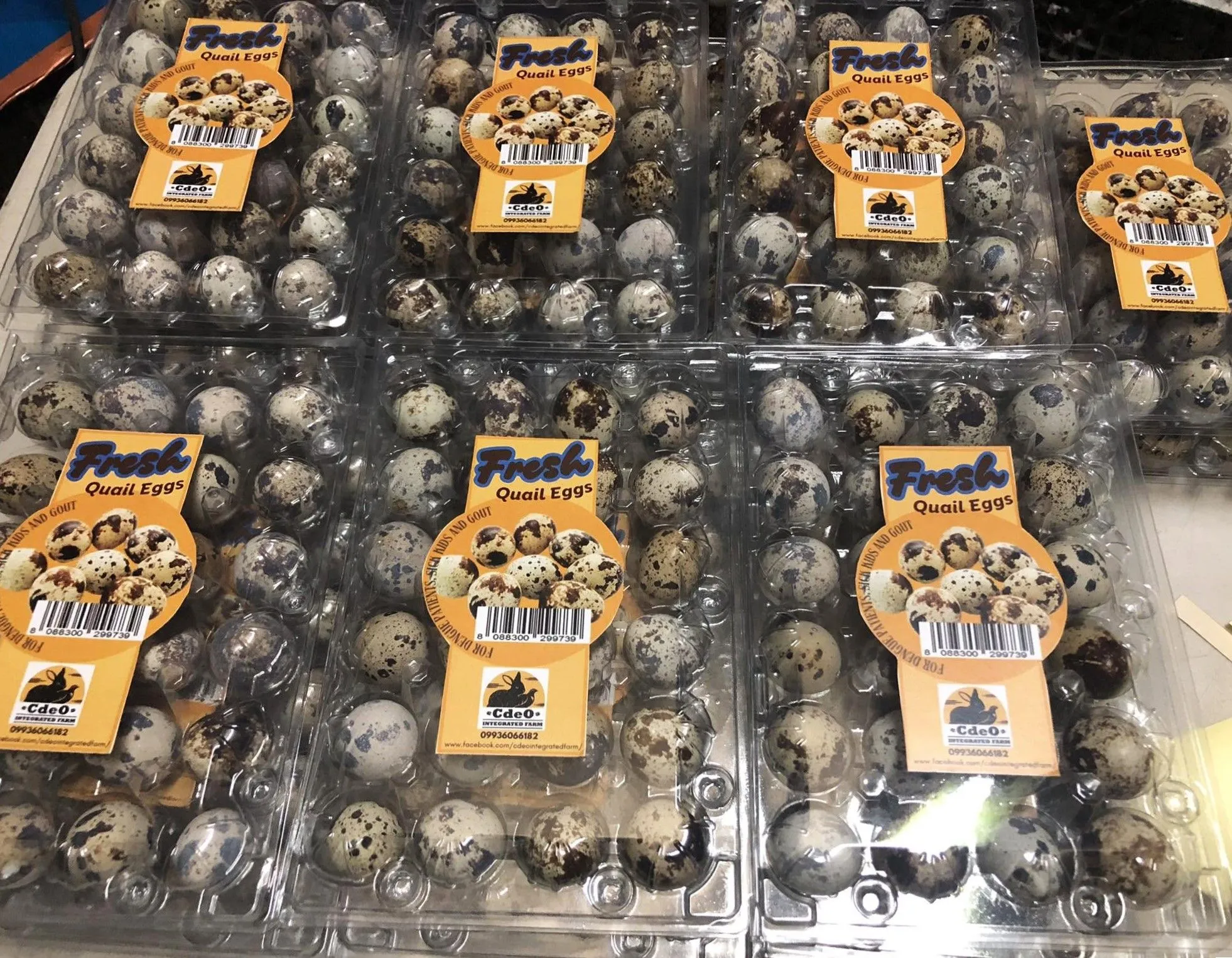
Egg production is one of the most reliable agribusinesses in the country, whether you raise quails (pugo) or layer chickens. Fresh table eggs and quail eggs are everyday staples with steady demand in every Filipino community.
⚙️ How it works: Birds are housed in tiered, well-ventilated wire cages. Commercial quails start laying eggs at 6 to 8 weeks of age, while layer hens begin producing table eggs at about 18 to 20 weeks. You collect eggs daily, sort them by size, and pack them into trays or crates for immediate local delivery.
🧰 What you need to start: Elevated wire battery cages, automatic nipple drinkers, feed troughs, quality commercial layer feed, and healthy starter stock sourced under Quails and Eggs.
💰 Starting cost: Low (for quails) to Medium (for chickens).
⏱️ Time to first income: 45 to 60 days (if starting with young quails, or around 5 months if raising layer chickens from day-old chick).
🛒 Where to sell: Street food vendors (kwek-kwek stalls), wet market stalls, and grocery stores.
🎯 Best for: Small backyard entrepreneurs looking for fast, daily cash flow.
🔗 Learn more: For the full setup, read our bulk egg guide.
6. 🐐 Goat Raising
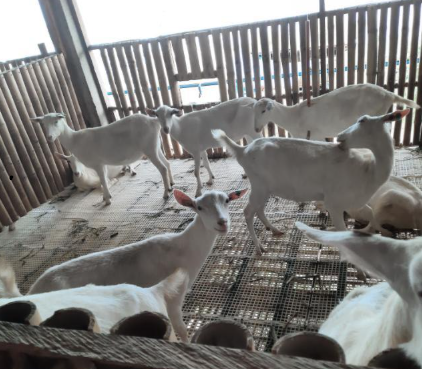
Raising goats costs far less to start than raising large cattle. Goats are sturdy animals that eat a wide range of farm grasses, weeds, and tree leaves, making them cheap to feed in rural areas.
⚙️ How it works: You raise female breeder goats (does) to produce kids for meat (chevon) or dairy. Goats can graze in fenced open fields or stay inside elevated bamboo or wooden barns where you bring them freshly cut grasses every day.
🧰 What you need to start: An elevated barn with slotted floors to keep pens dry, sturdy perimeter fencing, a reliable forage plot (like Napier grass or Indigofera), and healthy starter breeding stock found under Goats.
💰 Starting cost: Medium
⏱️ Time to first income: 7 to 12 months
🛒 Where to sell: Provincial livestock auctions, local meat vendors, and specialty restaurants.
🎯 Best for: Farmers with idle pasture land, orchard covers, or abundant wild forage.
🔗 Learn more: For the full setup, read our livestock starter guide.
7. 🐟 Tilapia or Bangus Fish Farming
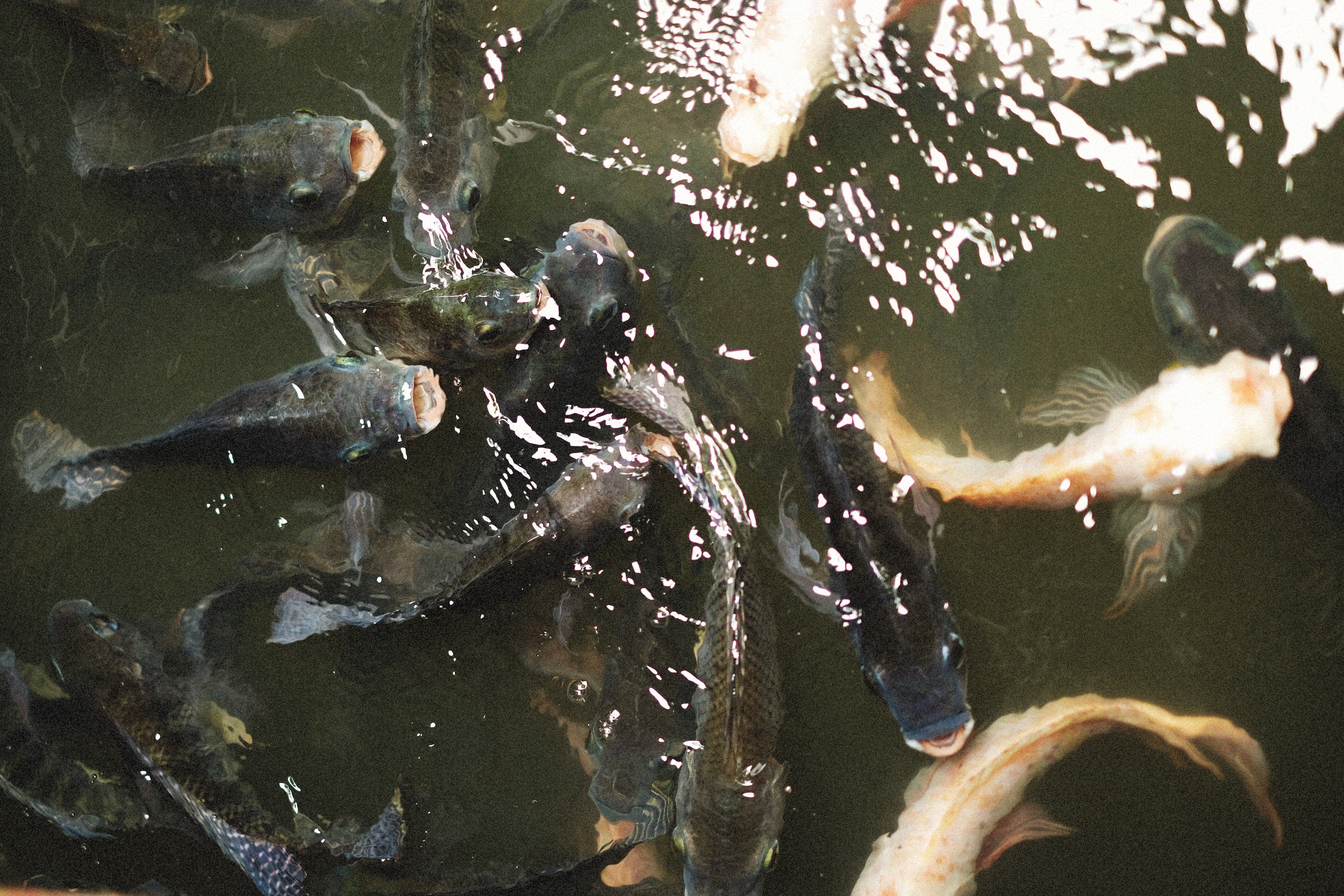
Tilapia and milkfish (bangus) supply much of the daily fish eaten across the Philippines. Both fish grow well in managed aquaculture setups, though they require different water environments.
⚙️ How it works: You place small fingerlings into clean, oxygen-rich water. You feed them commercial pellets on a regular daily schedule until they reach market size (about 250 to 400 grams each), which takes roughly 3 to 5 months.
🧰 What you need to start: A prepared pond, tank, or pen setup, basic water aerator pumps, starter fingerlings, and commercial aqua feed. You can explore listings under Fresh Fish.
💰 Starting cost: Medium to High
⏱️ Time to first income: Tilapia typically takes 3 to 5 months; Bangus (Milkfish) traditionally takes 4 to 5 months
🛒 Where to sell: Public wet markets (palengke), wholesale fish landing ports, restaurants, and neighborhood buyers.
🎯 Best for: Growers with a steady, reliable supply of clean water and open pond or tank space.
🔗 Learn more: Find fingerlings, nets and other supplies in our Aquaculture category.
8. 🍌 Fruit Processing and Snacks
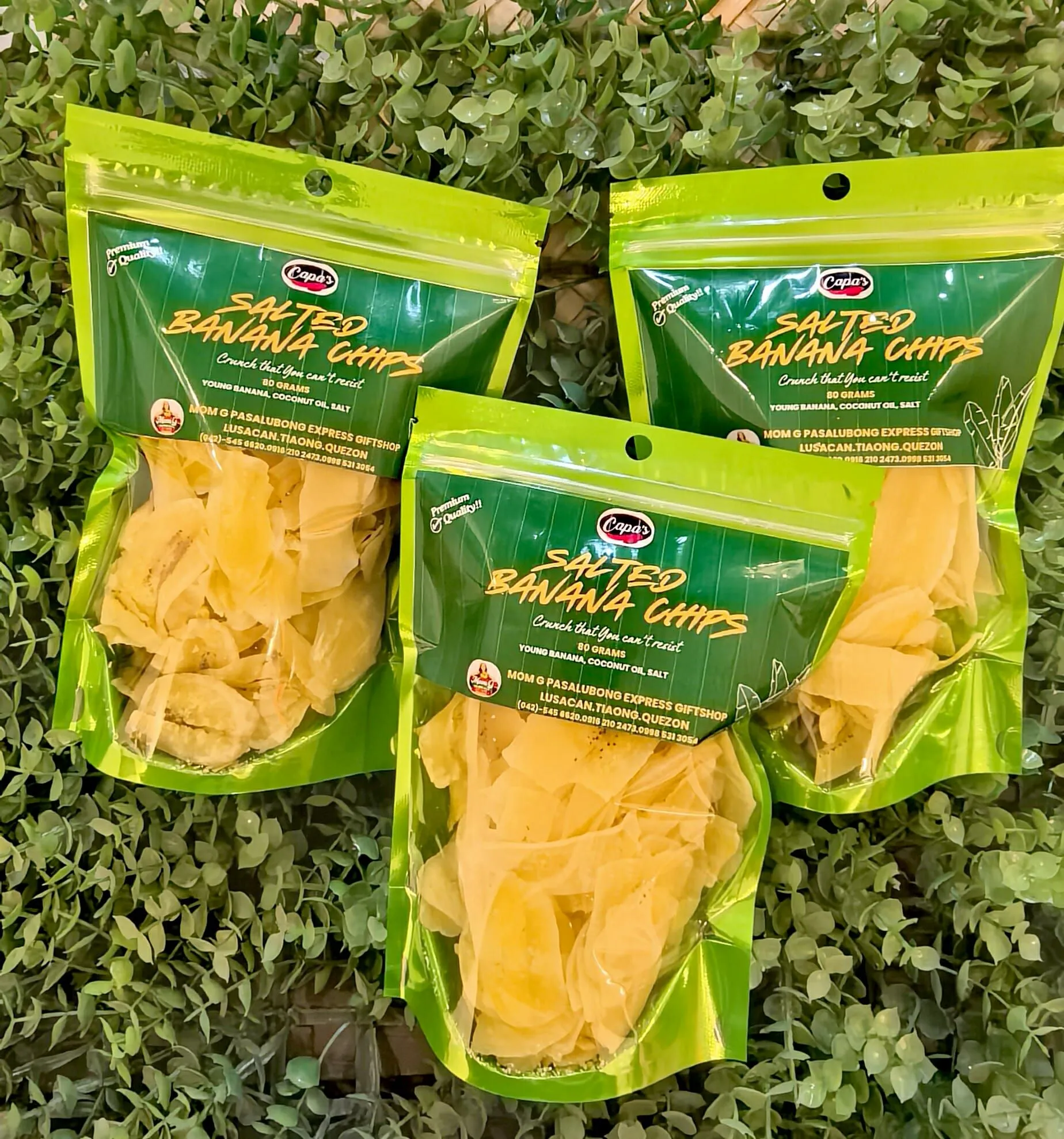
Fruit processing turns extra harvests during peak seasons into long-lasting snacks, stopping crops from rotting while earning you higher profits from packaged goods like banana chips, dried mangoes, and bottled calamansi concentrate.
⚙️ How it works: You wash and slice fresh fruits, then fry, bake, or dehydrate them before adding simple seasonings or sweeteners. Once cooled, you seal them into food-grade plastic pouches to keep them fresh and crisp for several months.
🧰 What you need to start: Stainless steel knives or slicers, a deep fryer or food dehydrator, plastic pouch bags, and a basic impulse heat sealer. You can source raw farm harvests or sell processed goods under Fruit-based Snacks and Calamansi. You will also need to check basic sanitation rules and local Food and Drug Administration (FDA) guidelines if you plan to supply retail supermarket shelves.
💰 Starting cost: Low to Medium
⏱️ Time to first income: 1 to 2 weeks
🛒 Where to sell: Highway pasalubong centers, bus terminals, sari-sari stores, school canteens, and online marketplaces.
🎯 Best for: Home-based kitchen entrepreneurs and fruit-farming families with extra fruit harvests.
🔗 Learn more: For practical product recipes and packing methods, read our local snacks article.
9. 🪱 Vermicompost Production
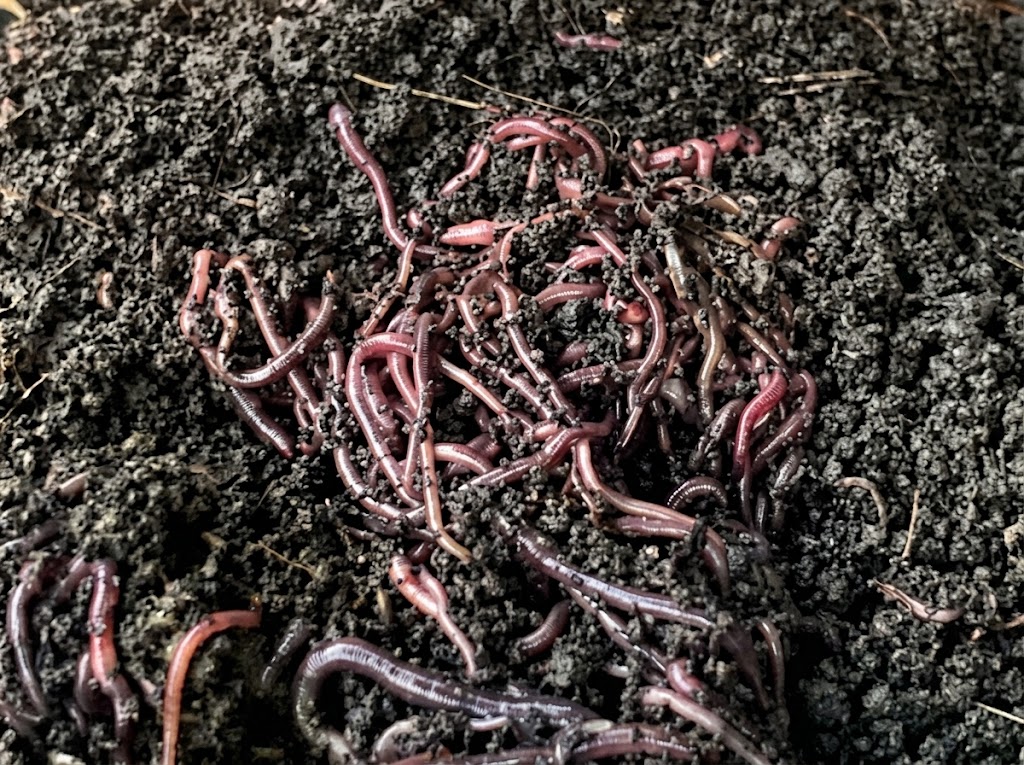
Vermicomposting uses African Nightcrawler earthworms to turn animal manure, dry leaves, and kitchen scraps into nutrient-rich organic soil called vermicast. It is a simple, low-cost way to make your own natural fertilizer instead of buying expensive chemical bags.
⚙️ How it works: You mix animal manure with chopped plant waste in shaded wooden or hollow-block bins and add live earthworms. Over 30 to 45 days, the worms eat the decaying waste and turn it into soft, crumbly black soil that you sift and pack into sacks.
🧰 What you need to start: Shaded outdoor bins or plastic tubs, starter African Nightcrawler worms, organic farm waste, a wire mesh sifter, and standard agricultural packing sacks found under Organic Fertilizers.
💰 Starting cost: Low
⏱️ Time to first income: 45 to 75 days
🛒 Where to sell: Local plant nurseries, home gardeners, fruit tree farms, and commercial vegetable growers.
🎯 Best for: Farmers with farm animals or poultry who want to turn free manure into an extra cash stream.
🔗 Learn more: For bin setup and feeding tips, read our Organic Fertilisers category.
10. 🌱 Seedling and Plant Nursery
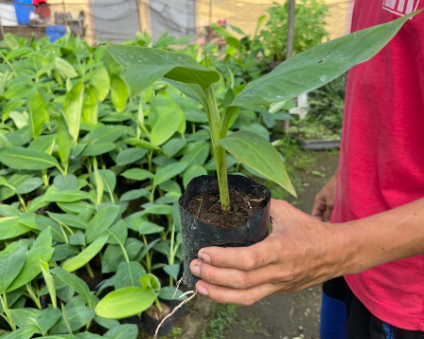
A plant nursery grows young vegetable seedlings, fruit tree saplings, and ornamental plants to sell directly to local farmers, backyard growers, and plant hobbyists.
⚙️ How it works: You sow high-grade seeds or root plant cuttings in potting soil inside plastic plug trays or black polybags. You water and shade them carefully until they grow strong roots and healthy green leaves, making them ready to move straight into garden soil or farm fields.
🧰 What you need to start: A simple shade-cloth frame (using 50% black net), plastic seedling trays, black polybags, potting soil or carbonized rice hull, watering sprinklers, and quality planting stock found under Seedlings & Saplings.
💰 Starting cost: Low to Medium (Low for fast-turnover vegetables; Medium if investing in fruit tree grafting and long-term polybag setups).
⏱️ Time to first income: 3 to 5 weeks (vegetable plugs sell fastest; fruit saplings take longer)
🛒 Where to sell: Commercial vegetable farmers, backyard gardeners, home landscapers, and municipal greening projects.
🎯 Best for: Growers with small yard space who enjoy plant propagation, have patience for grafting, and want a mix of fast inventory turnover and high-value long-term stock.
🔗 Find on FarmyHub: young plants and planting materials in Seedlings & Saplings.
Which Agribusiness Is Best?
When deciding which agri business is best, there is no single answer for every person. The most profitable choice depends entirely on your starting budget, the land and water you have available, and your proximity to reliable buyers. Beginners with limited capital often see earlier returns with quail eggs, oyster mushrooms, or plant nurseries, while established landowners may prefer high-value vegetables or fish farming.
Agribusiness Technology in the Philippines
Modern agribusiness technology is making farming and distribution across the country more productive and less labor-intensive:
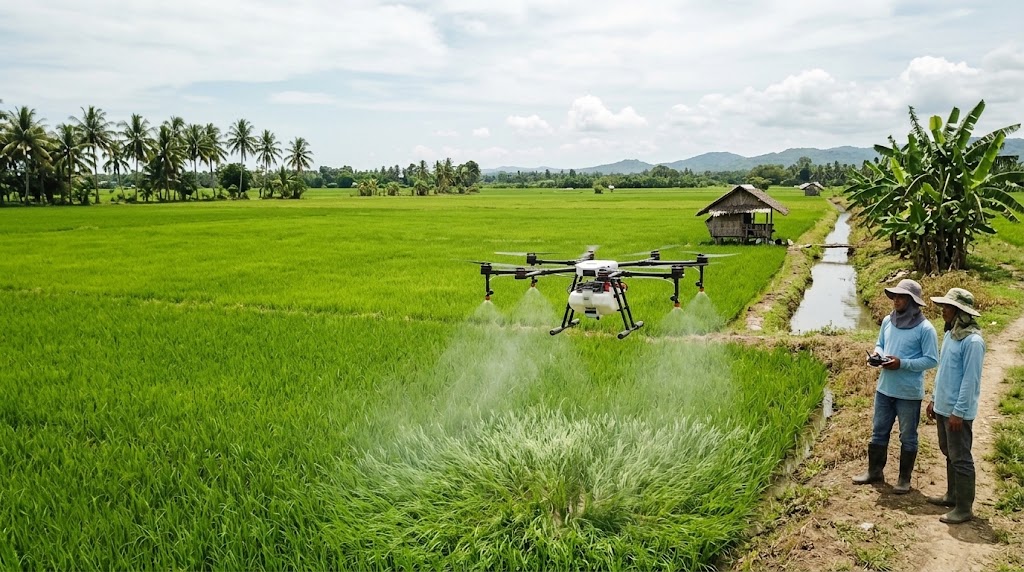
Agricultural Drones: Used for aerial fertilizer application, precision crop spraying, and field mapping to support official Department of Agriculture (DA) validations.
Solar-Powered Irrigation: Solar pumps run directly on sunlight, lowering fuel expenses compared to diesel generators during dry crop seasons.
Weather & Early Warning Tools: Smartphone apps and alerts from the Philippine Atmospheric, Geophysical and Astronomical Services Administration (PAGASA) assist growers in preparing for storms and seasonal rains.
Rapid Soil Testing: Digital testing kits help determine soil pH and nutrient levels on-site, preventing over-fertilization.
E-Wallets & Digital Payments: Services like GCash and Maya allow farmgate sellers and delivery drivers to collect payments securely without carrying physical cash.
Digital Marketplaces: Platforms such as FarmyHub connect provincial growers directly with commercial buyers, so they can sell with fewer middlemen.
How to Start an Agribusiness: 7 Practical Tips
1. Treat It Like a Real Job
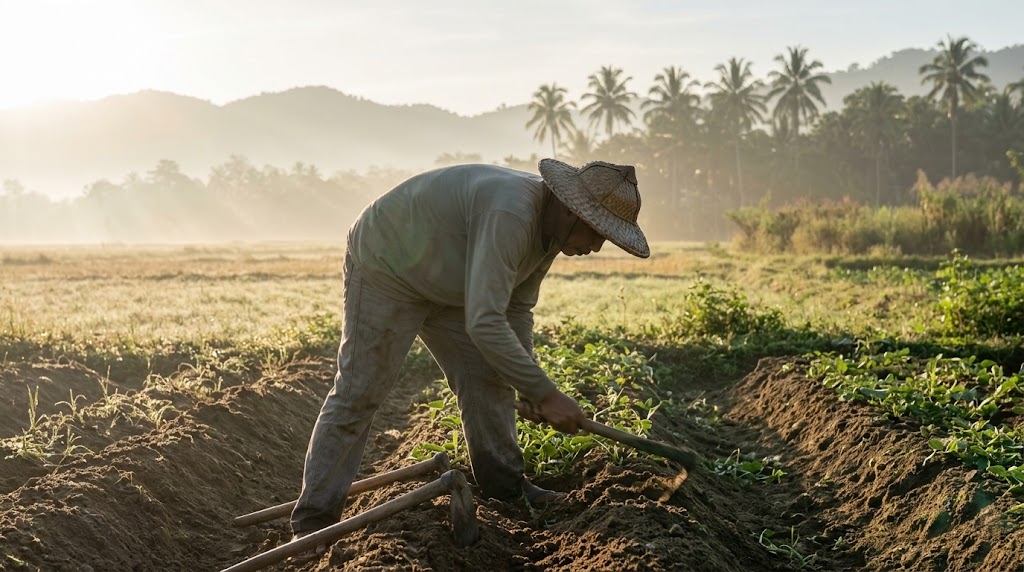
A farm is not a weekend hobby where you can just visit once a week. Plants and animals need care every day, so you or someone you trust completely must always be there to watch over them. If you work another job right now, set a clear date for when you will focus on your farm full-time.
2. Focus on One Thing and Do It Well
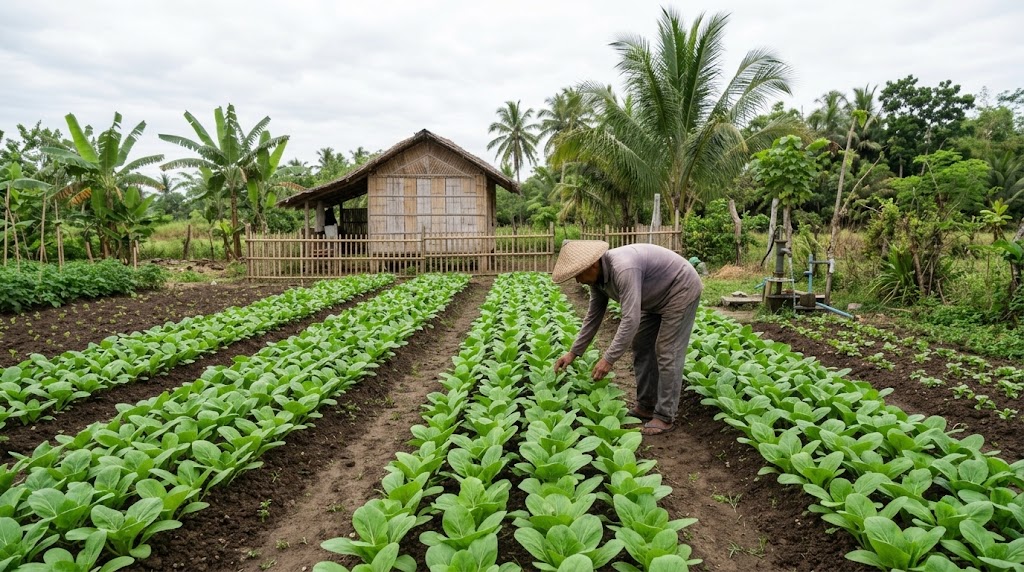
Do not try to plant every crop or raise five different animals all at once on your first day. Pick one single crop or animal and master its growing cycle, seasonal pests, and market prices for at least two years. Start on a small plot first, and only expand once that first setup makes a steady profit.
3. Build Independent Capital
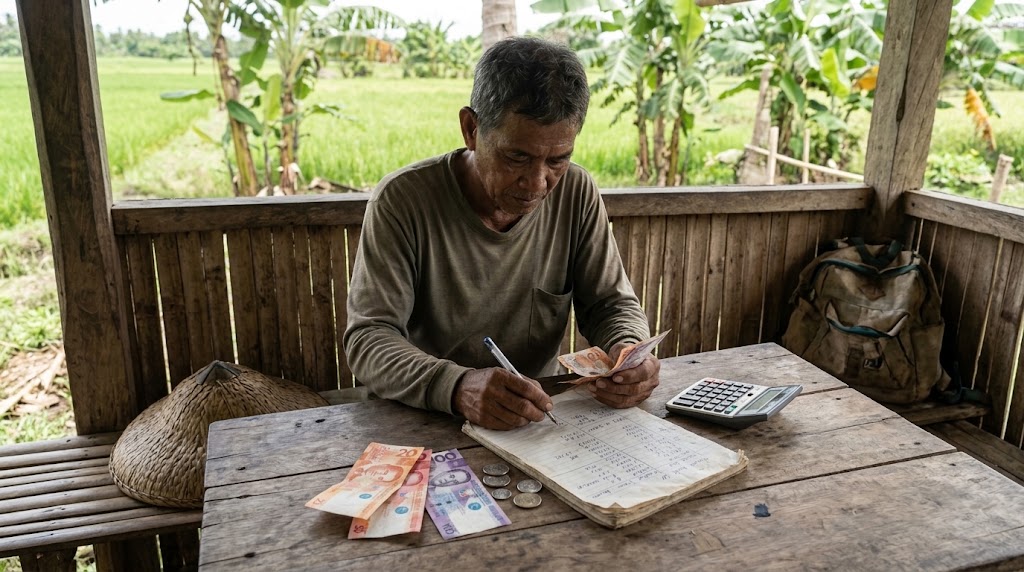
Do not wait for government grants, bank loans, or handouts before you get started. Start with whatever small savings, backyard space, and basic tools you already have right now. When people and lenders see that you already have a working, productive farm, they will be much more willing to support you.
4. Big Dream, Small Steps
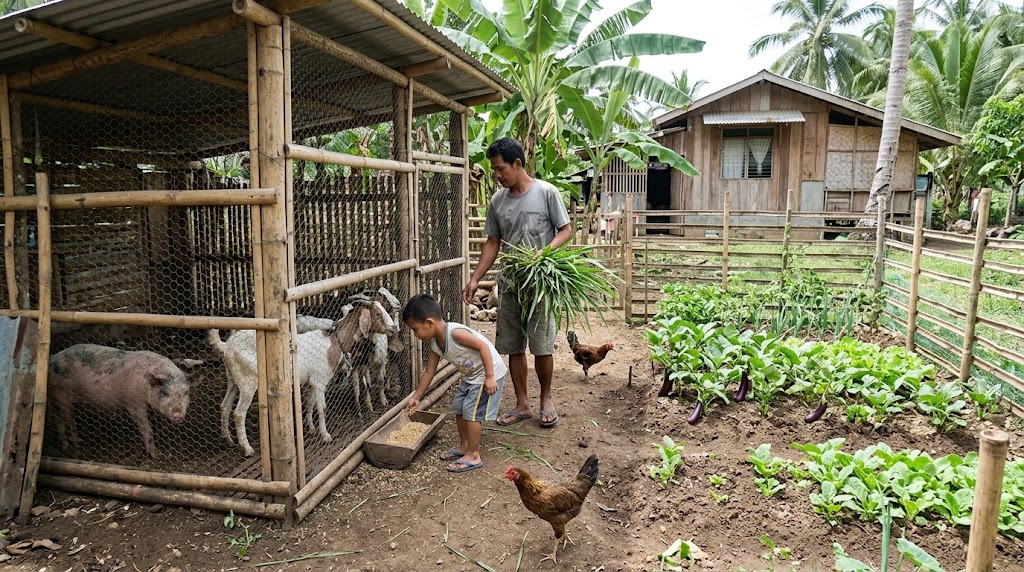
It is great to dream about owning a massive commercial farm, but you must focus on the daily work in front of you. Choose staple crops and animals that people will always need to eat, and expect rainy seasons or market drops along the way. Every mistake you make is simply a practical lesson that teaches you how to farm better next time.
5. Keep Track of Every Cent
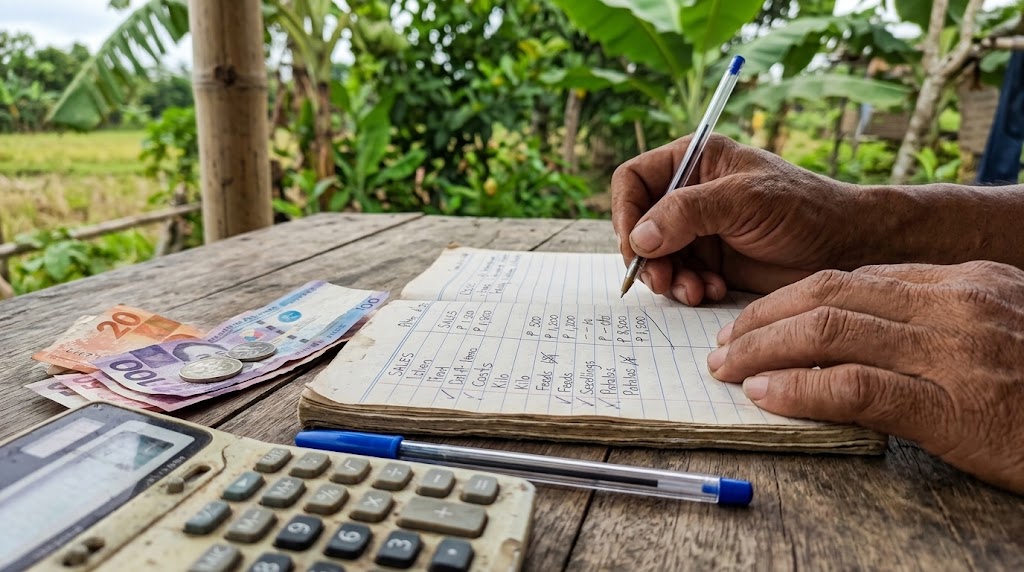
Farming is a real business, and every business needs strict record-keeping to know its true profits. Write down every single expense immediately, from large feed bags down to tricycle fares and phone load. Knowing your exact production costs ensures you never sell your harvest at a loss.
6. Understand Your Market
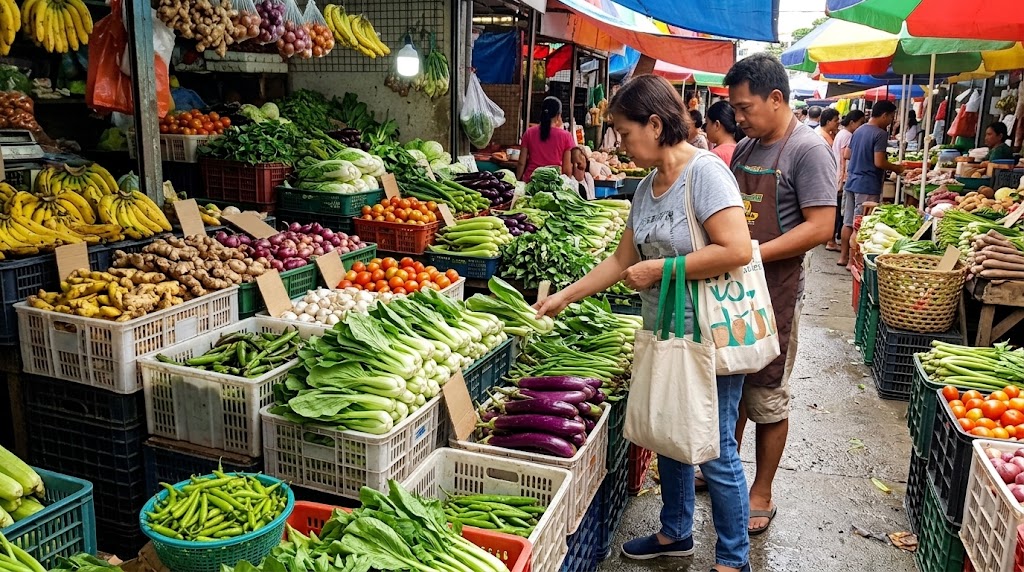
Never plant a crop or buy livestock until you already know who will buy your harvest. Visit local market vendors and buyers to ask what items are in high demand and check our monthly Price Report to track current wholesale and retail prices. Always clean and sort your goods properly, because dependable quality keeps buyers coming back.
7. Take Care of Your Resources
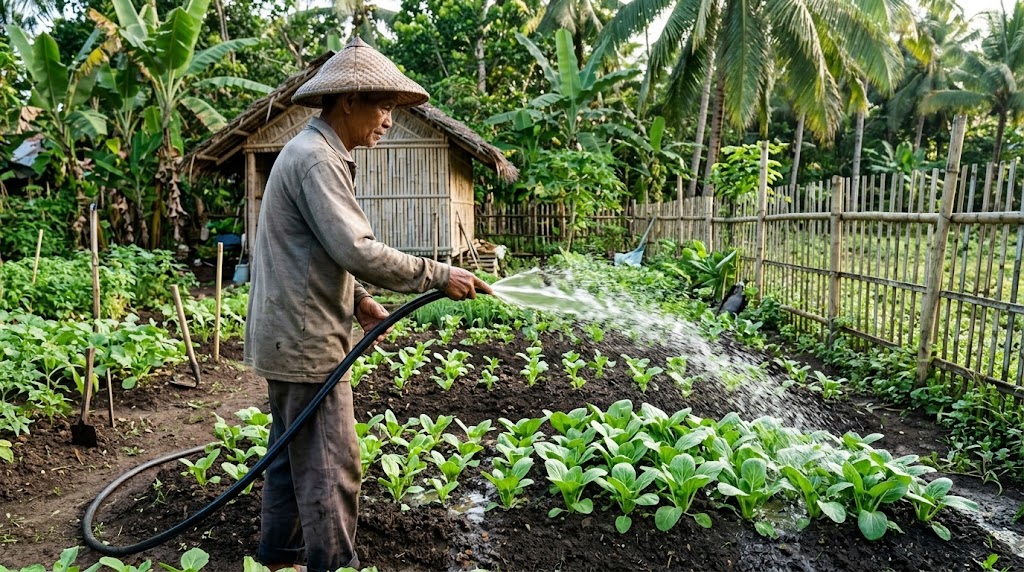
Your farm relies on two main engines to survive: your soil (or animals) and your own personal health. Keep your soil rich and fertile by adding back compost and organic manure, and never work yourself to the point of exhaustion. As your farm expands, train honest local helpers with clear daily checklists so the work runs smoothly every day.
Funding and Support for Your Agribusiness
Government programs offer credit assistance and risk safety nets for agri-entrepreneurs in 2026:
RSBSA Enrollment: Registering with the government's Registry System for Basic Sectors in Agriculture (RSBSA) is the essential gateway for official Department of Agriculture support. See our RSBSA registration guide for step-by-step instructions.
Government Loan Programs: The Agricultural Credit Policy Council (ACPC), along with institutions like LANDBANK and the Development Bank of the Philippines (DBP), provides low-interest working capital loans for smallholders and cooperatives.
Crop and Livestock Insurance: The Philippine Crop Insurance Corporation (PCIC) provides subsidized or fully covered insurance policies for registered smallholders to protect against typhoons, floods, pests, and livestock diseases.
Frequently Asked Questions (FAQ)
What is agribusiness in simple words?
Agribusiness is the entire commercial system of food production. It includes everything from making seeds and fertilizers to growing crops, raising livestock, processing raw foods, and selling products to consumers.
Is farming an agribusiness?
Yes, farming is an agribusiness that holds true whenever agricultural crops or animals are raised to sell for income. Traditional farming focuses strictly on field production, while agribusiness covers the full supply chain, including supplies, transport, and marketing.
Why is agribusiness important?
Agribusiness is important when it comes down to food availability, job creation, and economic growth. Agriculture employs about one in five Filipino workers, generates export earnings from crops like bananas and coconut, and ensures communities have reliable food supplies.
Which agribusiness is best in the Philippines?
It depends on your available startup money, your location, and buyer demand. For small plots and low starting capital, ventures like quail egg production, oyster mushroom farming, and plant nurseries provide quick cash flow with manageable initial risk.
Which featured agribusiness would you like to venture into?
If your module asks which featured agribusinesses would you like to venture into, choose one idea and give two or three reasons. Here is an example answer:
"I would like to venture into high-value vegetable farming using simple protective rain shelters. This agribusiness requires only a small plot of land, has short production cycles of 30 to 45 days, and meets steady commercial demand from local restaurants and community markets."
What are examples of agribusiness in the Philippines?
A common example of agribusiness includes backyard egg farming, operating a grain dryer or rice mill, manufacturing dried mango slices, transporting highland vegetables to wholesale hubs, or running an online agricultural sales platform.
Start Selling on FarmyHub
Starting an agribusiness is only the first step—the next crucial step is getting a fair, profitable price for your harvest and livestock. Check current market prices in our monthly Price Report.
FarmyHub connects Filipino farmers with buyers, restaurants, and market vendors across the country. There are two ways to start:
List your products yourself, for free. Create a free account in seconds with your Google or Facebook account, then post your products in a few minutes. Once approved, your listing is visible to buyers, who can message or call you directly.
🌱 List your products for freeBecome a FarmyHub supplier. Tell us about your farm, your products, and how much you can supply. Our team will contact you to learn about your business, and when a bulk buyer is looking for what you grow or raise, we can recommend you.
🤝 Become a supplierPrefer using your phone? Download the free FarmyHub app to post listings and reply to buyers on the go.
📱 Get the app on Google PlayRegistered agriculturist, higher education instructor, and hands-on farmer. I write practical farming and agribusiness guides based on my work in the field and in the classroom.