

Best Feeds for Piglets in the Philippines: Feeding Guide, Stages and Top Brands
Raising piglets is one of the most exciting but challenging parts of pig farming in the Philippines. Whether you are tending to a few pigs in your backyard or managing a larger farm, the first few months of a piglet's life are the most important.
Think of piglets like growing children. What they eat now decides how strong and healthy they will be later. In our local climate, where it can get very hot or very rainy, giving your piglets the right nutrition is the secret to making sure they grow fast and stay away from diseases. Choosing the right feed isn't just about filling their bellies; it is about making sure your hard work and money turn into a successful, profitable business.
Still need stock? See piglets for sale from raisers on FarmyHub.
Piglet Feeding Guide at a Glance
Stage | When to give it | What it does |
|---|---|---|
Booster (pre-starter) | From 1 week old until about 2 weeks after weaning | Easy to digest; helps the piglet move from milk to solid feed |
Starter | From about 10 kg until 25 to 30 kg | Builds muscle and bone; look for high protein |
Grower | Once the pig is over 30 kg | Prepares the pig for the final fattening stage |
Why High-Quality Piglet Feed is a Top Priority
Many farmers make the mistake of buying the cheapest feed available to save money. However, cutting corners on piglet nutrition often leads to problems that cost more in the long run. If a piglet doesn't get the right nutrients, it grows slowly, gets sick easily, and might even die.
When you choose high-quality feed, you are giving your farm these three big advantages:
Fast and Heavy Growth: Quality feed helps piglets reach their target weight much sooner. This means you can sell them faster and save on labor and housing costs.
Stronger Resistance to Sickness: Piglets have delicate stomachs. Good feed contains vitamins that act like a shield, protecting them from common Filipino pig diseases like scouring (diarrhea).
Better Value for Your Money: Even if premium feed costs a bit more per bag, your pigs will grow better and waste less. In the end, you earn more profit from every pig you sell.
Before you buy, always look at the label. You want feed that is fresh, smells good, and is made by a brand you can trust. Most importantly, the feed must match the age of your piglet.
Understanding the Life Stages of a Piglet
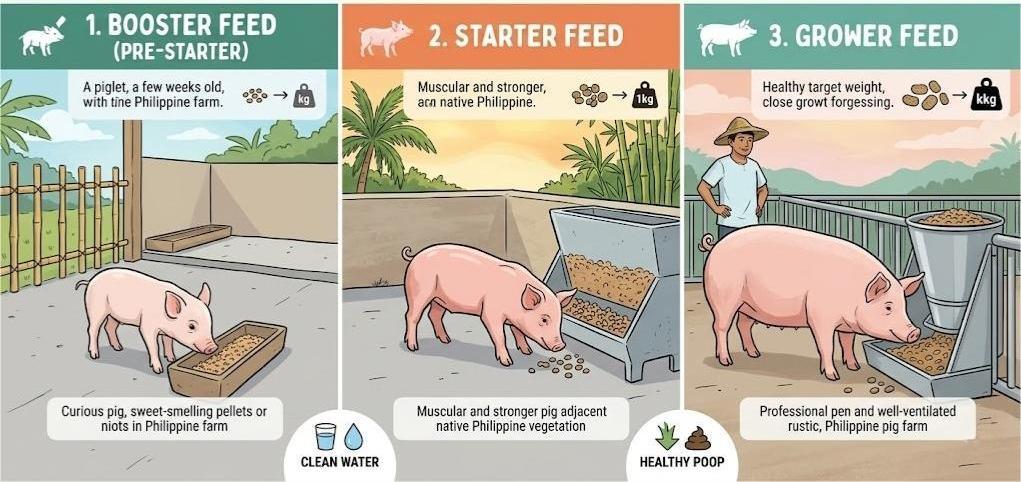
In the Philippines, we usually categorize piglet feeding into three main stages. Feeding them the wrong type at the wrong time can upset their stomachs, so follow this simple guide:
1. Booster Feed (Pre-Starter)
This is the "milk replacer" or the very first solid food a piglet eats.
When to give: From 1 week old until about 2 weeks after they stop drinking mother's milk (weaning).
Why it matters: It is very easy to digest. Since piglets are moving from milk to solid food, their stomachs need something gentle but packed with energy.
What to look for: Small pellets that are crunchy and have a slightly sweet smell to encourage the piglets to eat.
2. Starter Feed
Once the piglets are comfortable eating solids and have grown a bit bigger, they move to Starter feed.
When to give: From the time they weigh about 10 kilograms until they reach 25 to 30 kilograms.
Why it matters: This stage is all about building muscle and bone. This is where you will see the most rapid "stretching" of the pig's body.
What to look for: Feed with high protein content. Protein is the building block for the meat you will eventually sell.
3. Grower Feed
While some consider "Growers" as older pigs, the transition starts early.
When to give: Once the pig is over 30 kilograms.
Why it matters: This prepares the pig for the final fattening stage. It balances growth with weight gain.
Key Ingredients to Look For (The Simple Version)
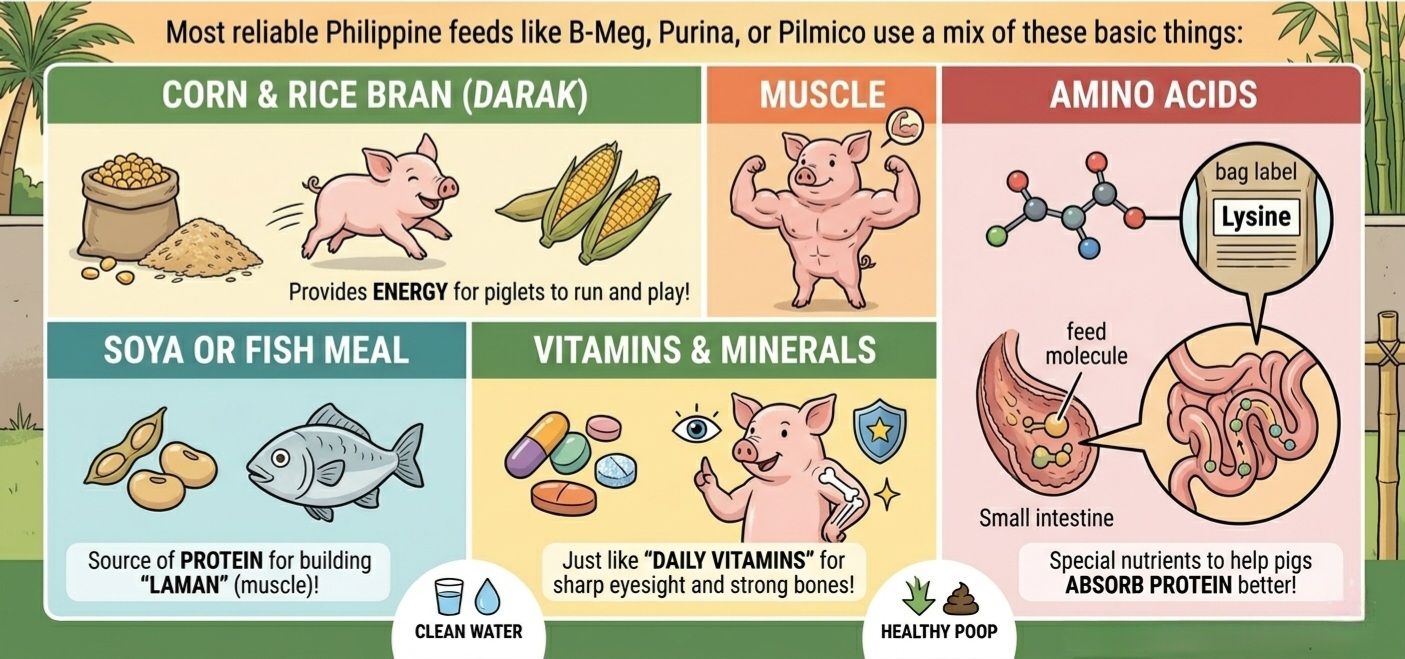
You don't need to be a scientist to know if feed is good. Most reliable Philippine feeds like B-Meg, Purina, or Pilmico use a mix of these basic things:
Corn and Rice Bran (Darak): These provide the energy the piglet needs to run around and stay warm.
Soya or Fish Meal: These are the sources of protein that make the pig "laman" (meaty) rather than just fat.
Vitamins and Minerals: These are like the "daily vitamins" we take to keep our eyesight sharp and our bones strong.
Amino Acids: You might see words like "Lysine" on the bag. These are just special nutrients that help the pig absorb the protein better.
How to Feed Your Piglets: Practical Tips for Pinoy Farmers
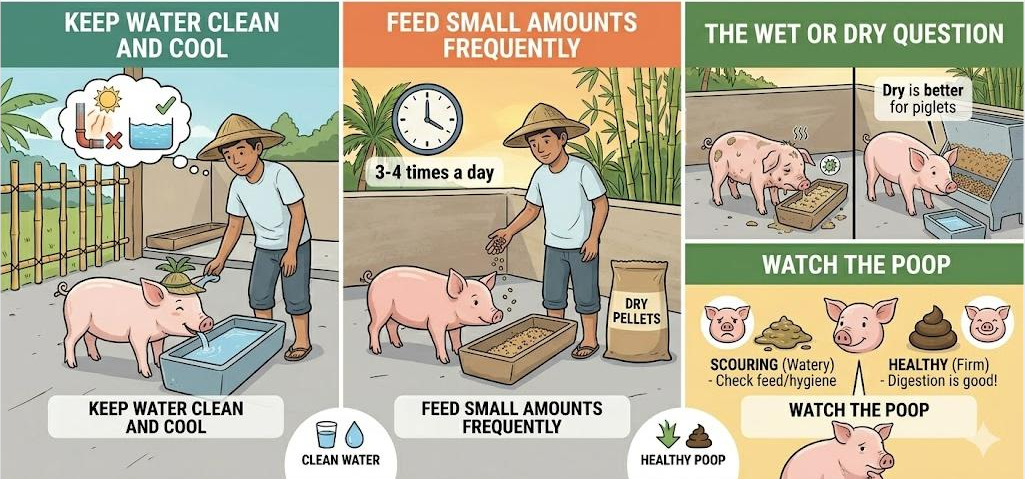
In the Philippines, the weather plays a huge role in how pigs eat. Here are some practical "pro-tips" to keep your piglets happy:
Keep Water Clean and Cool
A piglet will not eat if it is thirsty. Because our country is hot, water in plastic pipes can get very warm. Always make sure the water is cool and fresh. If the water is dirty, your piglets will get diarrhea immediately.
Feed Small Amounts Frequently
Instead of dumping a whole bucket of feed in the morning, try to feed them 3 or 4 times a day. This keeps the feed fresh. If feed sits in the trough for too long in our humid weather, it can grow mold, which is poisonous to piglets.
The "Wet or Dry" Question
Many backyard farmers like to mix feed with water (kanin-baboy style). While this is okay for older pigs, try to give piglets dry pellets and a separate source of clean water. Dry pellets stay fresh longer and help keep the feeding area cleaner.
Watch the Poop
The best way to tell if your feed is working is to look at the piglet’s droppings.
If it's too watery (Scouring): You might be changing the feed too fast, or the feed might be dirty.
If it's firm: Your piglet is digesting the nutrients well.
Common Pig and Piglet Feed Brands in the Philippines
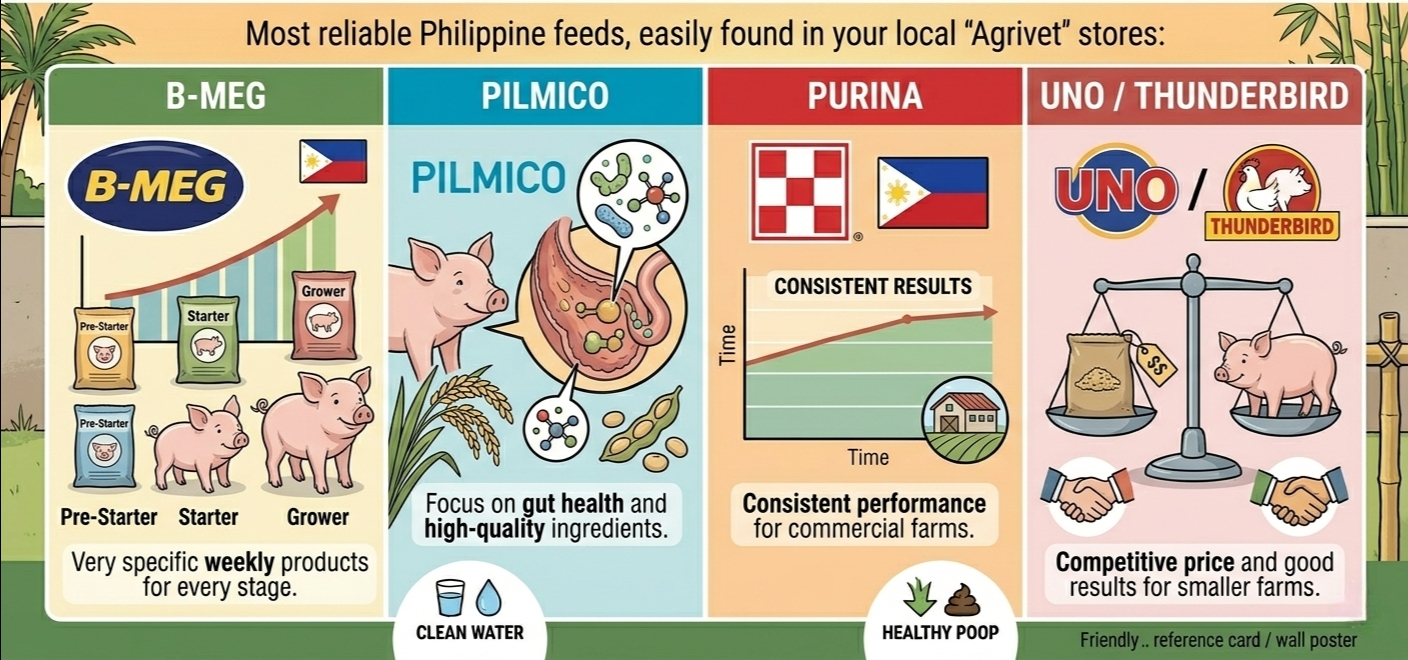
We are lucky in the Philippines to have many world-class feed companies. While we don't favor one over the other, here are the ones most farmers find easily in their local "Agrivet" stores:
Brand | Feed covered in this guide | For which pigs | Pack size |
|---|---|---|---|
B-Meg | Grower mash for crossbred backyard pigs | 25 to 60 kg (83 to 137 days old) | 50 kg sack |
Pilmico | Starter feed for young piglets | Until 10 kg | Not stated |
Uno | Pre-starter crumble | Newly weaned piglets | 25 kg bag |
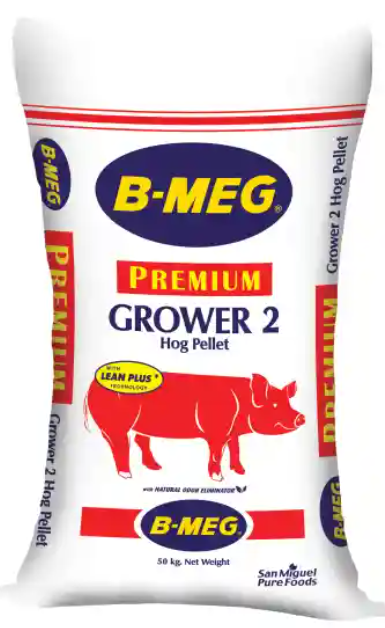
B-Meg: Known for their "Premium" lines, they have very specific products for every week of a piglet's life.
What It Is: A mash (powdered) feed specifically tailored for native/crossbred backyard hogs (F3 and F5, locally known as "mestiso" or "chopsuey" pigs) during their growing stage.
Best Age & Weight: Ideal for growing pigs aged 83 to 137 days old (weighing between 25 to 60 kg).
Growth Support: Contains a balanced 16% protein level along with vitamins and minerals perfectly matched to the genetic growth pace of these specific crossbred pigs.
Odor Control: Features an "Advanced Odor Control Agent" that traps ammonia to significantly reduce the smell of pig waste/manure.
How to Feed: Give 2.0 to 2.2 kg of feed per pig every day during this 54-day growing period.
Packaging & Freshness: Sold in large 50 kg sacks with a plastic liner to keep moisture out. Best used within 40 days for maximum quality.
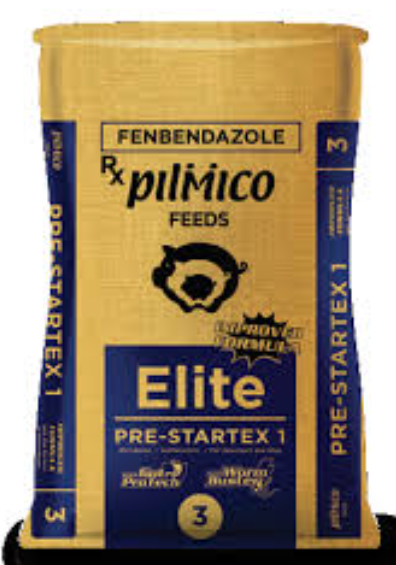
Pilmico: Very popular for their high-quality ingredients that focus on gut health.
What It Is: A premium, highly appetizing, and easy-to-digest starter feed designed to give baby piglets a quick, healthy head start.
Best Stage: Formulated specifically for very young piglets, to be given as their only food until they reach 10 kg in body weight.
Health & Protection: Enriched with Zinc to boost development, and contains organic acids to prevent diarrhea (scouring) and stomach upsets.
Growth Boosters: Packed with the ideal balance of energy, vitamins, minerals, and amino acids to help piglets grow quickly and safely.
Price & Packaging: Costs ₱57.50 per kilo.
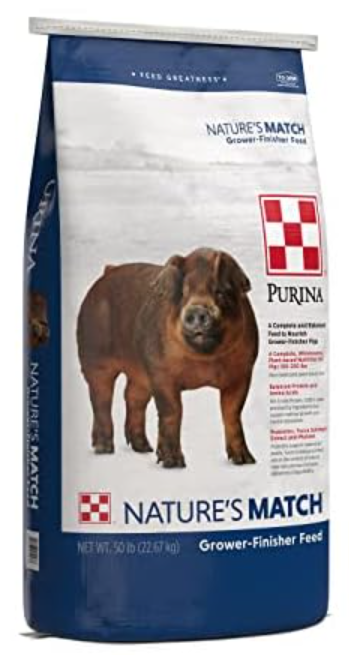
Purina: A global brand that many commercial farms use because of their consistent results.
What It Is: A high-quality, plant-based grower-finisher feed from Purina designed to help pigs reach their full growth potential.
Best Stage: Formulated specifically for pigs in the grower-finisher phase (the final stage of growth before market).
Gut Health & Digestion: Packed with probiotics and Phytase to keep the pig’s stomach healthy and help them absorb nutrients more efficiently.
Odor Control: Contains Yucca Schidigera Extract, a natural ingredient that helps control and reduce the smell of pig manure.
High Protein: Formulated with a high-protein content to support strong muscle and lean meat development.
Packaging & Weight: Sold in a 50 lb (22.68 kg) bag.
Note on Ingredients: Because regional mix requirements vary, the exact ingredient list and guaranteed analysis are printed directly on the bag's local label.
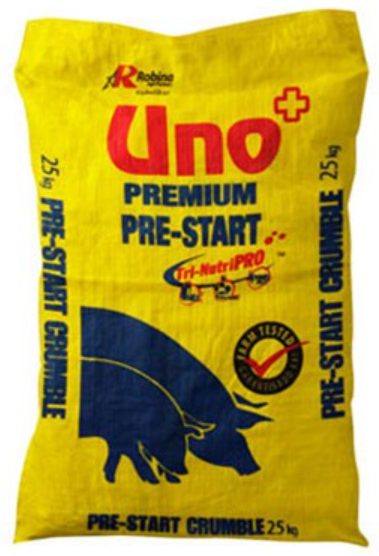
Uno : Often used by smaller-scale farmers because they offer good results at a competitive price.
What It Is: A premium crumble-type feed specifically made with easily digestible ingredients like milk, lactose, and pre-cooked ("extruded") cereals to support baby piglets during their earliest stages.
Key Benefit: Specially designed to protect piglets from weaning stress (the anxiety of separating from the mother) and prevent them from falling behind in growth (growth lag).
Nutrient Breakdown: Features a strong 20% protein and 6% fat content, along with 6% lactose to match a piglet's natural dietary needs.
High-Quality Ingredients: Includes premium energy and protein sources like whey powder, skim milk, and fish meal to make the feed highly appetizing and easy on delicate stomachs.
Packaging: Available in large 25 kg bags.
Pig Feeds from FarmyHub Sellers
These hog feeds are listed by sellers on FarmyHub as of October 2026.
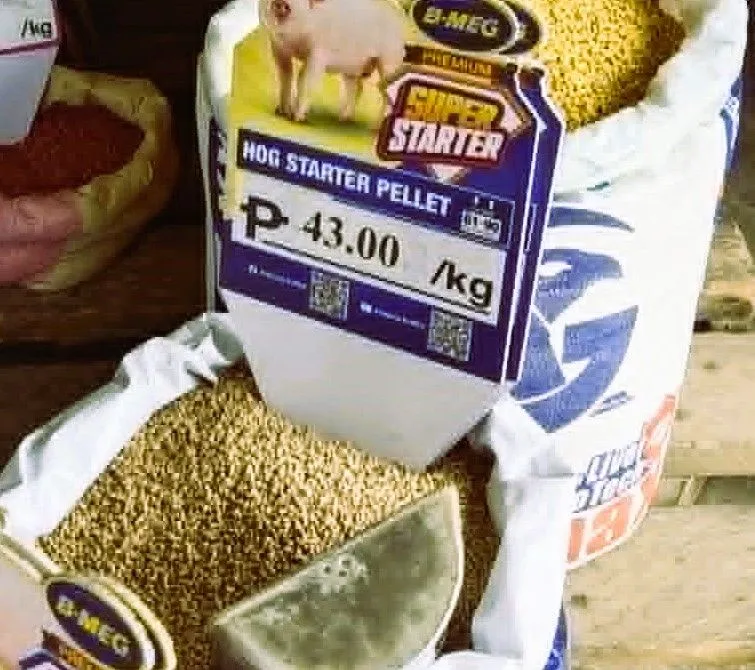
1. Hog Starter Pellet – Super Starter (FMN Agri)
FMN Agri in Cagayan de Oro lists a starter pellet made for young pigs in their early growth stage. It is sold by the kilo, so backyard raisers with a few piglets can buy only what they need, and it is also available per sack.
Key highlights:
✔ Starter feed for piglets in the early stage
✔ Sold retail by the kilo or per sack
✔ Accepts cash and GCash, per the listing
Location: Cagayan de Oro City, Misamis Oriental
Price: ₱43 per kilo
Best for: Backyard raisers with newly weaned piglets who want to buy small amounts.
View this listing on FarmyHub →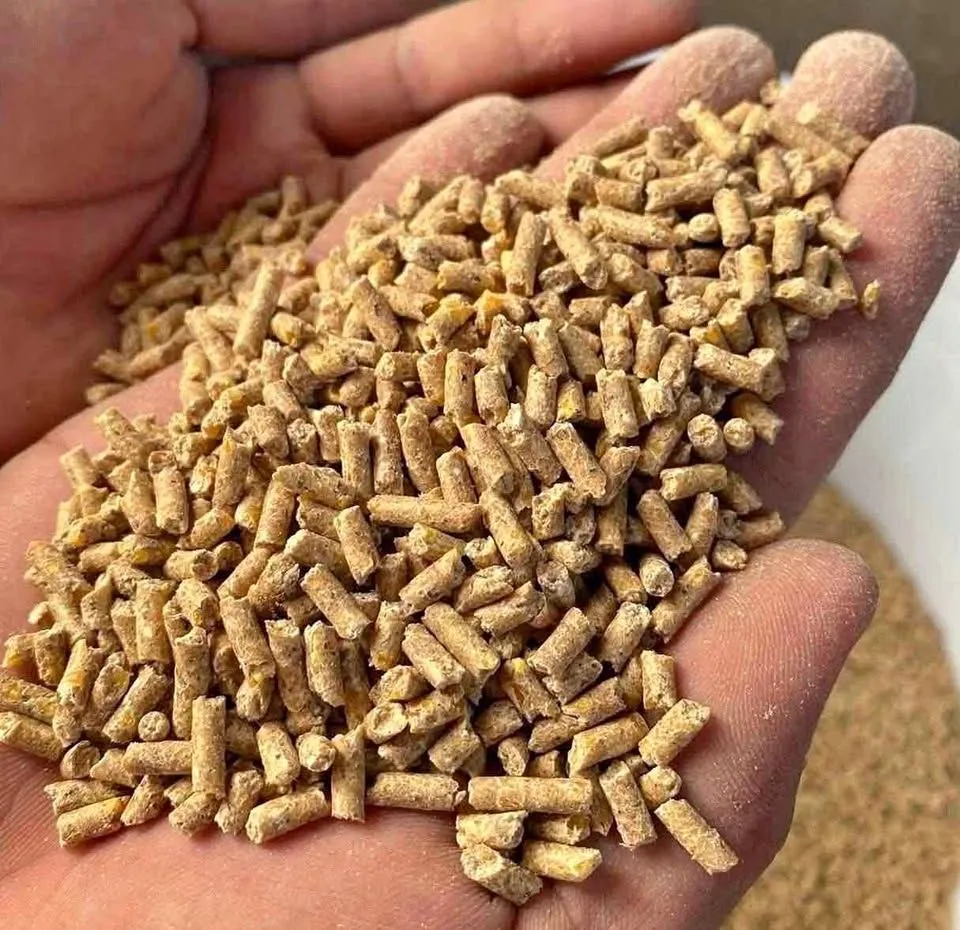
2. Premium Hog Feeds – Pre-Starter to Finisher
This seller in General Santos City lists Premium hog feeds as a complete line, from pre-starter to finisher. That makes it an option for raisers who want to keep their pigs on one feed line from weaning to market weight.
Key highlights:
✔ Complete line from pre-starter to finisher, per the listing
✔ Accepts cash and GCash, per the listing
Location: General Santos City, South Cotabato
Price: Listed at ₱1,750. Ask the seller which sack size and stage this price is for.
Best for: Raisers in and around General Santos who want every stage from one seller.
View this listing on FarmyHub →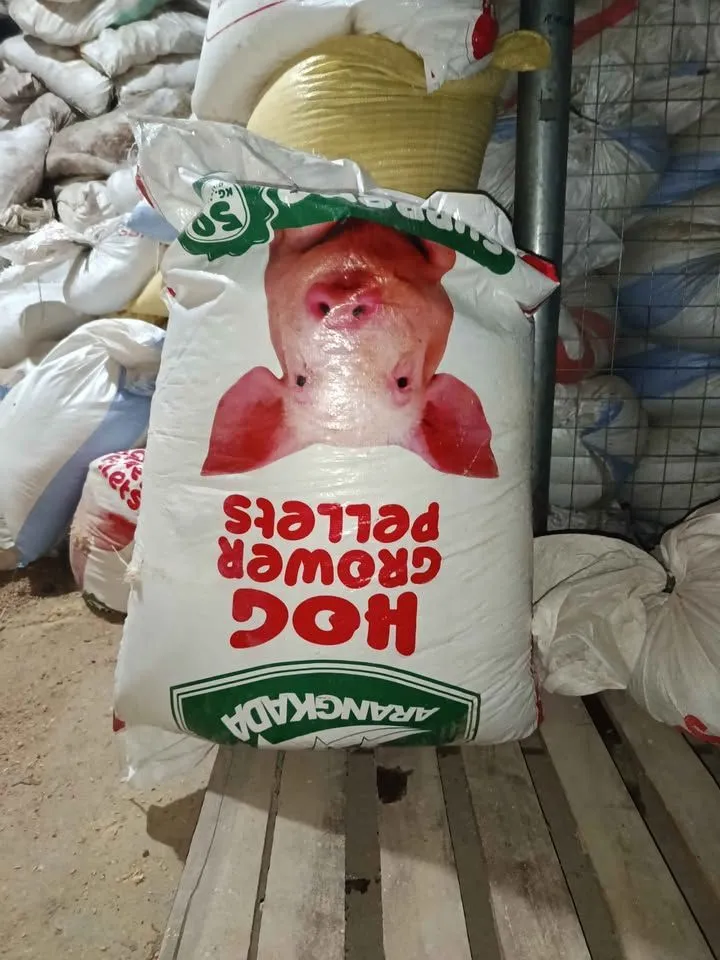
3. Hog Grower Pellets (Cebu City)
A Cebu City seller lists hog grower pellets for pigs that have finished the starter stage. The listing describes it as complete nutrition for steady weight gain and feed efficiency until market weight.
Key highlights:
✔ Grower pellets for pigs past the starter stage
✔ Accepts cash and GCash, per the listing
Location: Cebu City, Cebu
Price: Listed at ₱1,600. Ask the seller to confirm the sack size.
Best for: Raisers in Cebu moving their pigs from starter to grower feed.
View this listing on FarmyHub →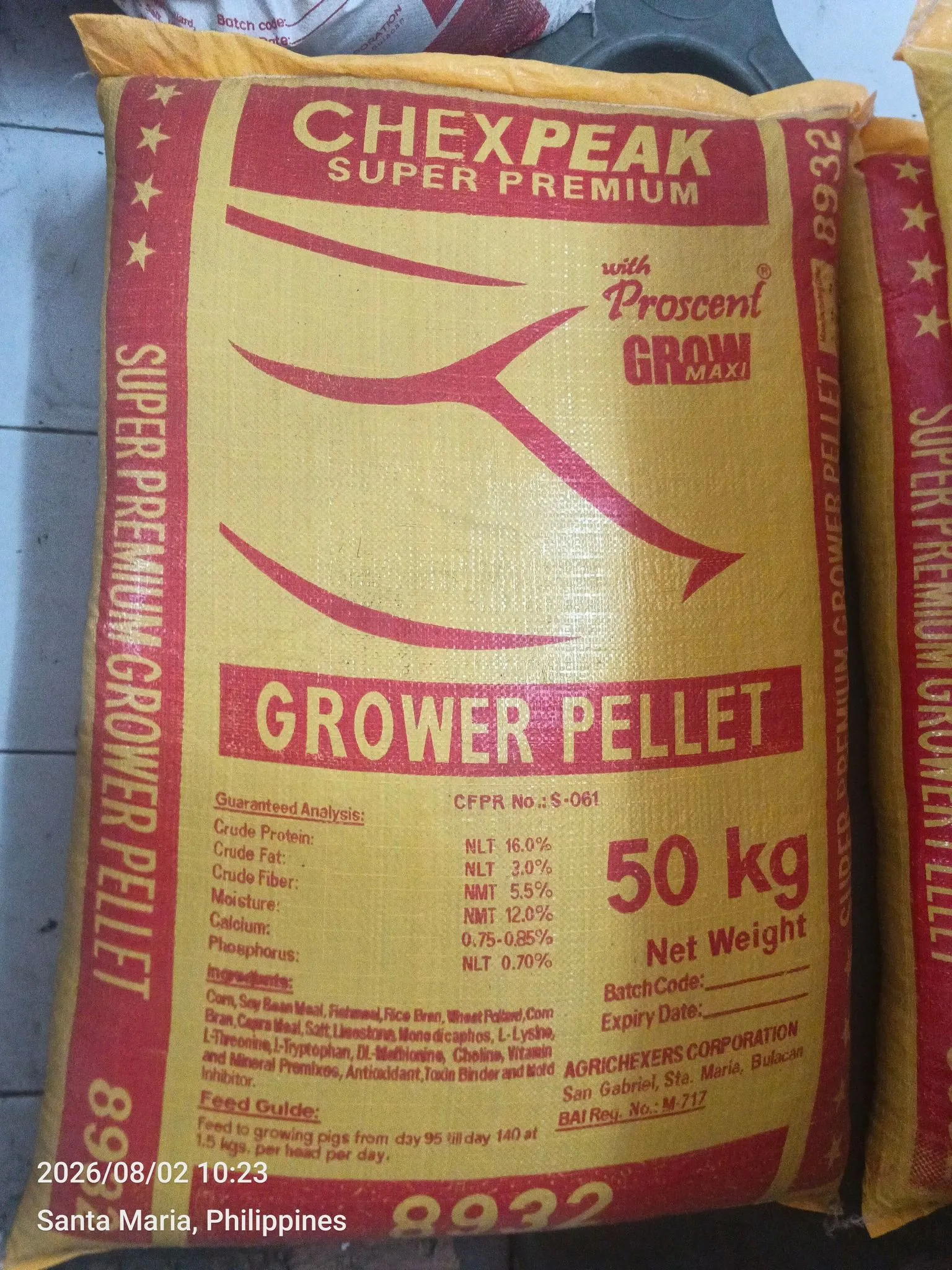
4. Chexerfeeds (Santa Maria, Bulacan)
Chexerfeeds is listed from Santa Maria, Bulacan in 50 kg sacks, with a minimum order of 40 sacks. It is a bulk offer, so it suits farms, cooperatives and feed resellers more than a backyard raiser with a few pigs.
Key highlights:
✔ 50 kg sacks, listed as a grower feed
✔ Minimum order of 40 sacks (2,000 kg)
✔ Accepts cash, GCash, Maya and credit card, per the listing
Location: Santa Maria, Bulacan
Price: ₱1,767.25 per 50 kg sack (about ₱35 per kilo)
Minimum order: 40 sacks
Best for: Farms, cooperatives and resellers buying in bulk.
View this listing on FarmyHub →See all pig feed listings on FarmyHub.
FarmyHub is a marketplace, and every listing is posted by the seller. Please confirm price, stock, and other details directly with the seller before ordering.
Tips for Saving Money on Feed
We know that the price of a bag of feed is getting higher. Here is how you can be practical without hurting your pigs' growth:
Avoid Waste: Make sure your feeding troughs are designed so the piglets can't kick the feed out onto the floor. Feed on the floor is money wasted.
Store Feed Properly: Keep your sacks of feed on wooden pallets (paleta), not directly on the cement floor. This prevents moisture from making the feed rot.
Buy in Bulk: If you have more than 10 piglets, try to buy by the ton or join a local cooperative to get a discount.
Our Recommendation
There is no "perfect" brand that works for every single farm in the Philippines. Every province has different temperatures and different available brands.
The best feed for your piglets is the one that:
Your piglets actually like to eat.
You can easily buy near your farm (so it is always fresh).
Fits your budget while still making your pigs grow fast.
The most successful "biik" (piglet) raisers are those who pay attention. Watch your pigs every day. If they are active, have shiny skin, and are gaining weight, you have found the right feed. Pig farming is a journey. By starting with the best possible feed for your piglets today, you are setting yourself up for a big, heavy, and profitable harvest tomorrow. Happy farming!
Still choosing between pigs and chickens? Read our piggery vs poultry guide.
Piglet Feed FAQs
What is the best feed for piglets in the Philippines?
There is no single best brand for every farm. The best piglet feed is one your piglets eat well, that you can buy fresh near your farm, and that fits your budget. B-Meg, Pilmico and Uno are brands many Filipino raisers find in their local agrivet store.
What feed do piglets need at each stage?
Give booster (pre-starter) feed from about 1 week old until about 2 weeks after weaning, starter feed from about 10 kg until 25 to 30 kg, and grower feed once the pig is over 30 kg.
When should I switch from booster to starter feed?
Move to starter feed when the piglets are eating solid feed well and weigh about 10 kg. Change gradually, because changing feed too fast can cause scouring.
How many times a day should I feed piglets?
Feed small amounts 3 or 4 times a day instead of one big feeding. This keeps the feed fresh and stops it from growing mold in humid weather.
How much are piglet feeds in the Philippines?
Prices change with the brand, the stage and your area. On FarmyHub, a hog starter pellet is listed at ₱43 per kilo as of October 2026. Compare the current pig feed listings for the prices sellers are asking today.
Ano ang pagkain ng biik?
Ang biik ay binibigyan ng booster o pre-starter feeds mula 1 linggong gulang hanggang mga 2 linggo matapos mawalay sa inahin, at starter feeds mula humigit-kumulang 10 kilo hanggang 25 hanggang 30 kilo. Laging maglagay ng malinis at malamig na tubig.
Sell Your Feeds or Pigs on FarmyHub
Do you sell hog feeds, piglets or pigs? FarmyHub connects Filipino farmers and suppliers with buyers across the country. There are two ways to start:
List your products yourself, for free. Create a free account in seconds with your Google or Facebook account, then post your listing in a few minutes. Once approved, your listing is visible to buyers, who can message or call you directly.
🌱 List your products for freeBecome a FarmyHub supplier. Tell us about your farm or business, your products and how much you can supply. Our team will contact you to learn about your business, and when a bulk buyer is looking for what you sell, we can recommend you.
🤝 Become a supplierPrefer using your phone? Download the free FarmyHub app to post listings and reply to buyers on the go.
📱 Get the app on Google PlayRegistered agriculturist, higher education instructor, and hands-on farmer. I write practical farming and agribusiness guides based on my work in the field and in the classroom.