

18 Bahay Kubo Vegetables: Complete List With Tagalog, English and Scientific Names
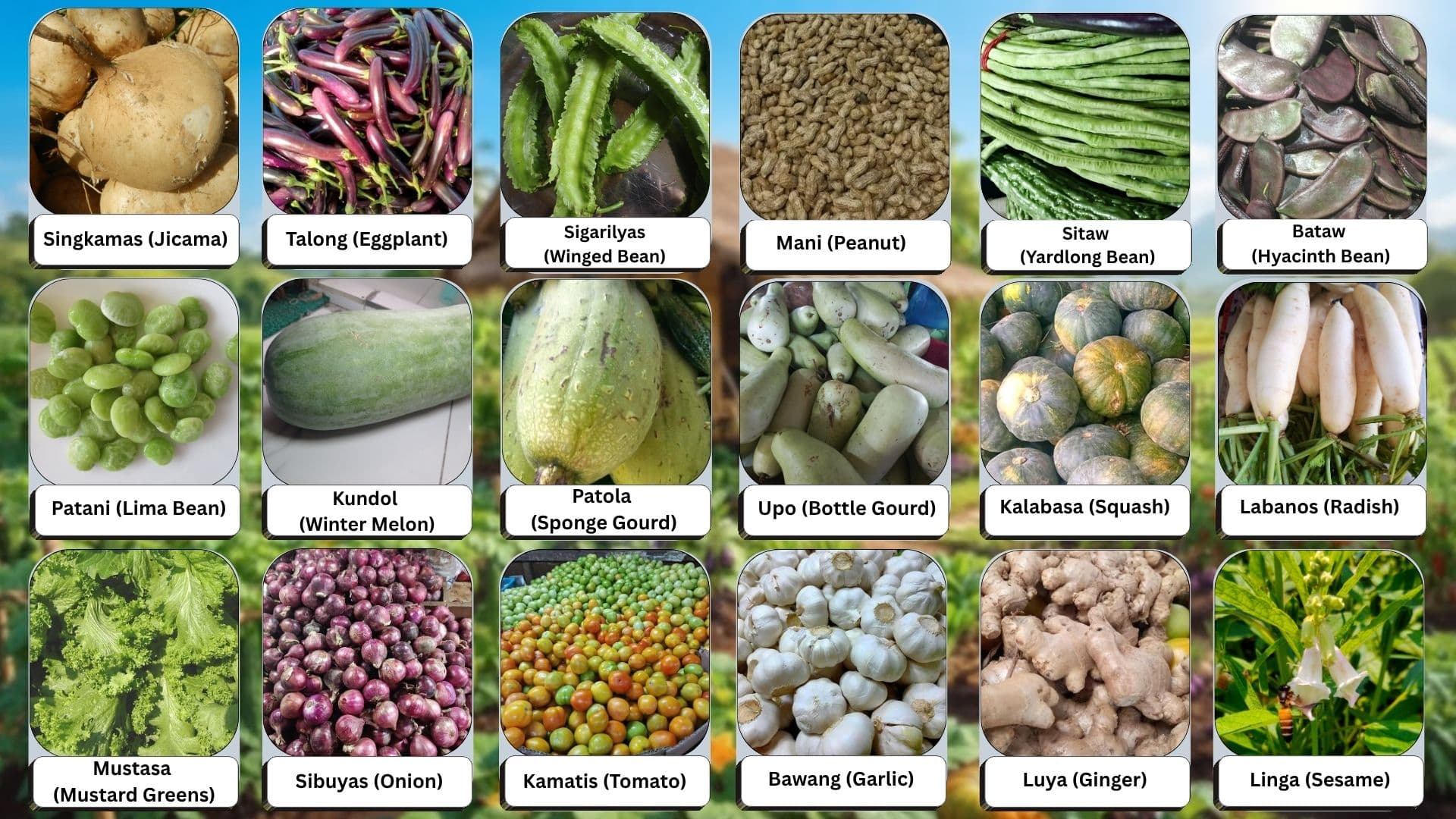
The Bahay Kubo song names 18 vegetables, from singkamas to linga. Most Filipinos learn these gulay sa Bahay Kubo as kids, but few can say what sigarilyas, bataw or kundol are in English. This guide lists all the vegetables in Bahay Kubo in song order, with their English and scientific names, a picture of each, the lyrics, and where to find them. Need the Bahay Kubo vegetables list for a school lesson? It comes first.
The 18 Vegetables in Bahay Kubo: Complete List
Here is the full list of vegetables in Bahay Kubo, in the order the song names them. Tap a name to jump to its picture and details.
# | Tagalog | English | Scientific name | Type | On FarmyHub |
|---|---|---|---|---|---|
1 | Jicama (Mexican turnip) | Pachyrhizus erosus | Root | No sellers yet | |
2 | Eggplant (aubergine) | Solanum melongena | Fruit vegetable | ||
3 | Winged bean (four-angled bean) | Psophocarpus tetragonolobus | Legume | No sellers yet | |
4 | Peanut (groundnut) | Arachis hypogaea | Legume | ||
5 | Yardlong bean (string bean, long bean) | Vigna unguiculata subsp. sesquipedalis | Legume | ||
6 | Hyacinth bean (lablab bean) | Lablab purpureus | Legume | No sellers yet | |
7 | Lima bean (butter bean) | Phaseolus lunatus | Legume | No sellers yet | |
8 | Winter melon (wax gourd, ash gourd) | Benincasa hispida | Fruit vegetable | No sellers yet | |
9 | Sponge gourd (luffa, ridged gourd) | Luffa acutangula | Fruit vegetable | ||
10 | Bottle gourd (calabash) | Lagenaria siceraria | Fruit vegetable | ||
11 | Squash (calabaza, winter squash) | Cucurbita maxima | Fruit vegetable | ||
12 | Radish (white radish) | Raphanus sativus | Root | ||
13 | Mustard greens (brown mustard) | Brassica juncea | Leafy | No sellers yet | |
14 | Onion | Allium cepa | Bulb | ||
15 | Tomato | Solanum lycopersicum | Fruit vegetable | ||
16 | Garlic | Allium sativum | Bulb | ||
17 | Ginger | Zingiber officinale | Rhizome | ||
18 | Sesame | Sesamum indicum | Seed | No sellers yet |
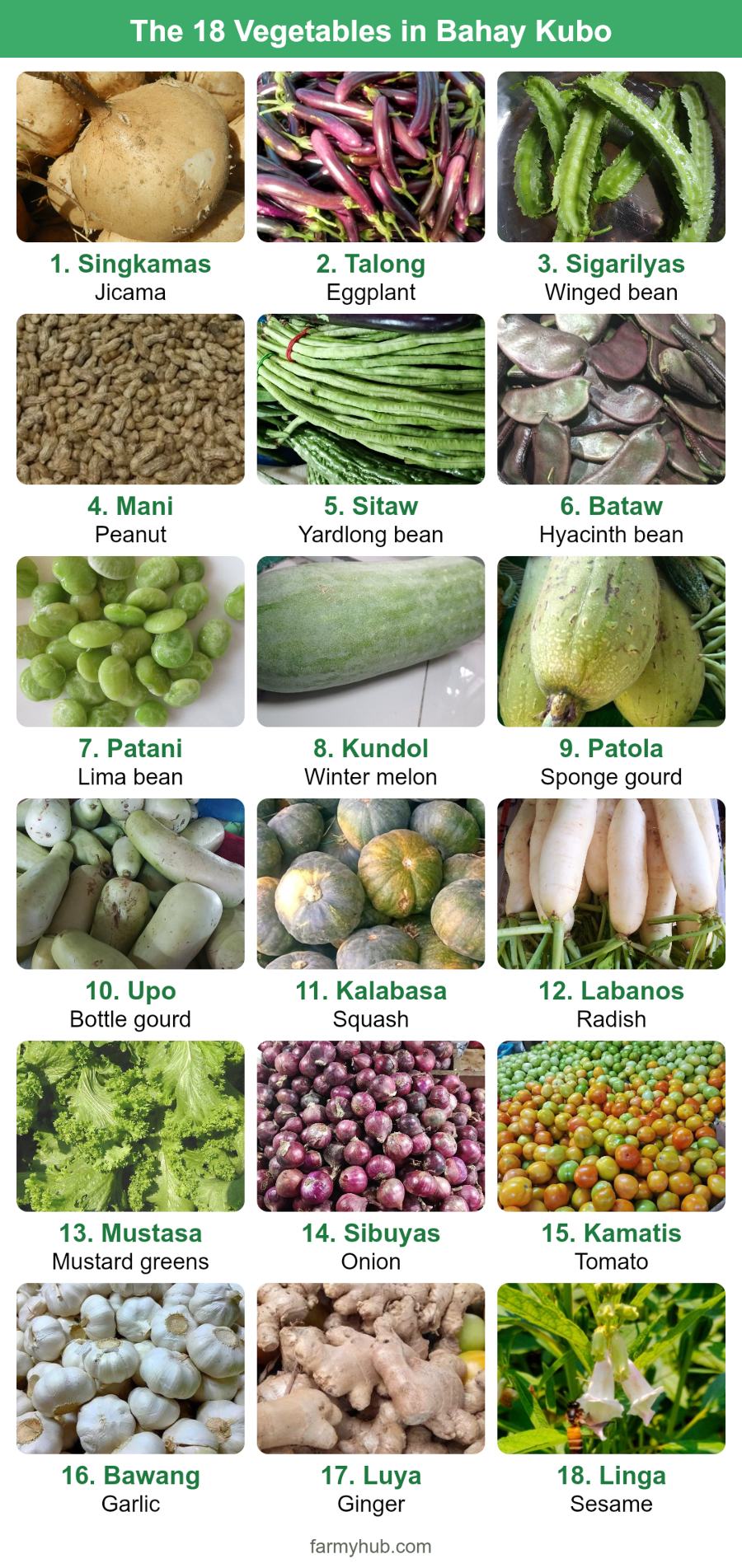
This mga gulay sa Bahay Kubo list also works as a quick guide to vegetables in Tagalog and their names in English. Looking for pictures of vegetables in Bahay Kubo? Here are all 18 in one chart, and each has a larger photo further down.
In this guide | Short answer |
|---|---|
The 18 scientific names as a numbered list, right below. | |
18. The first is singkamas and the last is linga. | |
The whole song line by line, and who wrote it. | |
A traditional Filipino house on stilts, called a nipa hut in English. | |
A picture, the English name and the common uses of each. | |
6 fruit vegetables, 5 legumes, 5 roots and bulbs, 1 leafy vegetable and 1 seed. | |
Ampalaya, okra, pechay, kangkong and other common ones. | |
Most are not. Many came through the Manila galleon trade. | |
Which plants need a trellis, which spread and which grow underground. | |
11 FarmyHub categories with sellers. | |
Quick answers to common school questions. |
Bahay Kubo Scientific Names in Song Order
Students often need the scientific names for class, so here they are in the same order as the song:
1. Pachyrhizus erosus (singkamas)
2. Solanum melongena (talong)
3. Psophocarpus tetragonolobus (sigarilyas)
4. Arachis hypogaea (mani)
5. Vigna unguiculata subsp. sesquipedalis (sitaw)
6. Lablab purpureus (bataw)
7. Phaseolus lunatus (patani)
8. Benincasa hispida (kundol)
9. Luffa acutangula (patola)
10. Lagenaria siceraria (upo)
11. Cucurbita maxima (kalabasa)
12. Raphanus sativus (labanos)
13. Brassica juncea (mustasa)
14. Allium cepa (sibuyas)
15. Solanum lycopersicum (kamatis)
16. Allium sativum (bawang)
17. Zingiber officinale (luya)
18. Sesamum indicum (linga)
How Many Vegetables Are in Bahay Kubo?
There are 18 vegetables mentioned in the Bahay Kubo song, so the answer to “ilan ang gulay sa Bahay Kubo?” is 18. School questions often ask for a certain position, like the pang limang gulay sa Bahay Kubo (the fifth vegetable) or the huling gulay sa Bahay Kubo (the last one):
Position | Tagalog name | English name |
|---|---|---|
1st | Jicama | |
5th | Yardlong bean | |
10th | Bottle gourd | |
18th and last | Sesame |
So what is linga in Bahay Kubo? It is sesame. The last line of the song, “sa paligid-ligid ay puro linga”, says the whole garden is surrounded by it.
And what is bataw in Bahay Kubo? It is the hyacinth bean, a flat pod that is often cooked in pinakbet. See the bataw section below.
Bahay Kubo Lyrics in Tagalog and English
Here are the full Bahay Kubo lyrics in Tagalog, line by line, with a Bahay Kubo English version beside them.
Bahay Kubo lyrics in Tagalog | Bahay Kubo lyrics in English |
|---|---|
Bahay kubo, kahit munti | Nipa hut, even though it is small, |
Ang halaman doon ay sari-sari. | The plants growing there are varied. |
Singkamas at talong, | Jicama and eggplant, |
Sigarilyas at mani, | Winged beans and peanuts, |
Sitaw, bataw, patani. | Yardlong beans, hyacinth beans, lima beans. |
Kundol, patola, upo’t kalabasa, | Winter melon, sponge gourd, bottle gourd and squash, |
At saka mayroon pa, labanos, mustasa. | And besides those there are radish and mustard greens. |
Sibuyas, kamatis, bawang at luya, | Onions, tomatoes, garlic and ginger, |
Sa paligid-ligid ay puro linga. | And all around the garden are sesame plants. |
These are the traditional words of the original folk song, which is also known by its first line, “Bahay kubo, kahit munti”. Bahay Kubo is a Tagalog folk song (awiting bayan) from the lowlands of Luzon. Bahay Kubo and Paru-Parong Bukid are examples of Filipino folk songs, and children still sing it at school.
Who wrote Bahay Kubo? Nobody knows. The Bahay Kubo composer is unknown, and the song first appeared in print in Filipino Folk Songs (1924), edited by Emilia S. Cavan in Manila. Felipe Padilla de León is sometimes credited, but he was only twelve in 1924. He later wrote an arrangement of the song.
Sylvia La Torre recorded Bahay Kubo on her 1966 album Katuwaan. Lea Salonga sang it on Ryan Cayabyab’s album Bahaghari, and the UP Madrigal Singers have performed it too.
The meaning of the Bahay Kubo song is simple: a home can be small and still have plenty, with a garden full of different vegetables around it.
What Is a Bahay Kubo? Meaning in English
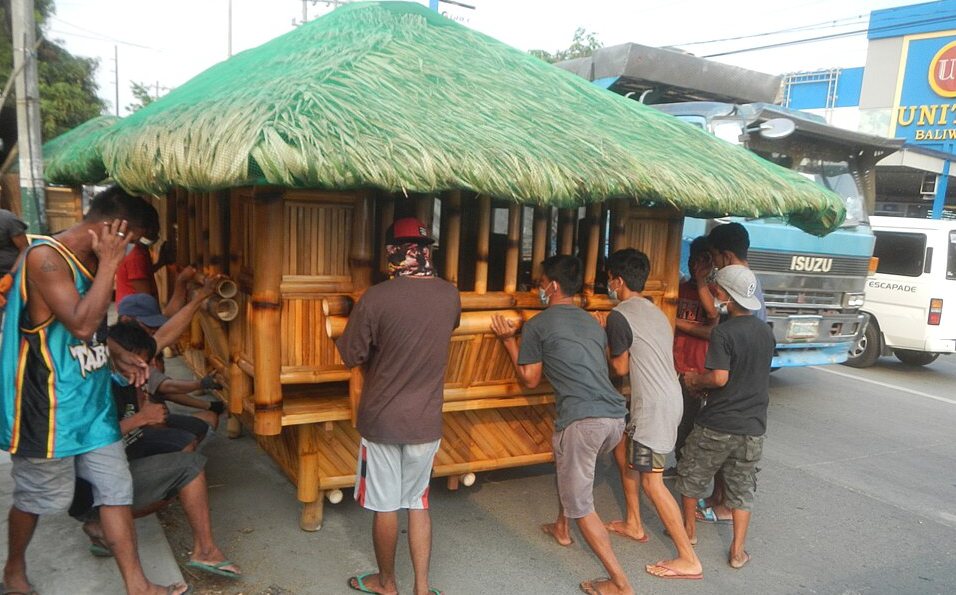
Bahay kubo roughly means “country house”: bahay is the Tagalog word for house, and kubo means hut. The usual English name for a bahay kubo is nipa hut. The word kubo itself comes from an old Austronesian word for a hut in the rice fields.
A traditional bahay kubo in the Philippines is a house on stilts, raised against floods and pests such as rats. The usual materials are wood, bamboo and palm, with a roof of nipa, anahaw or coconut leaves.
Some can be lifted and moved, a tradition known as bayanihan: neighbors carry the whole house to its new place. In the song, the bahay kubo matters mostly for the garden around it, which is where the 18 vegetables grow.
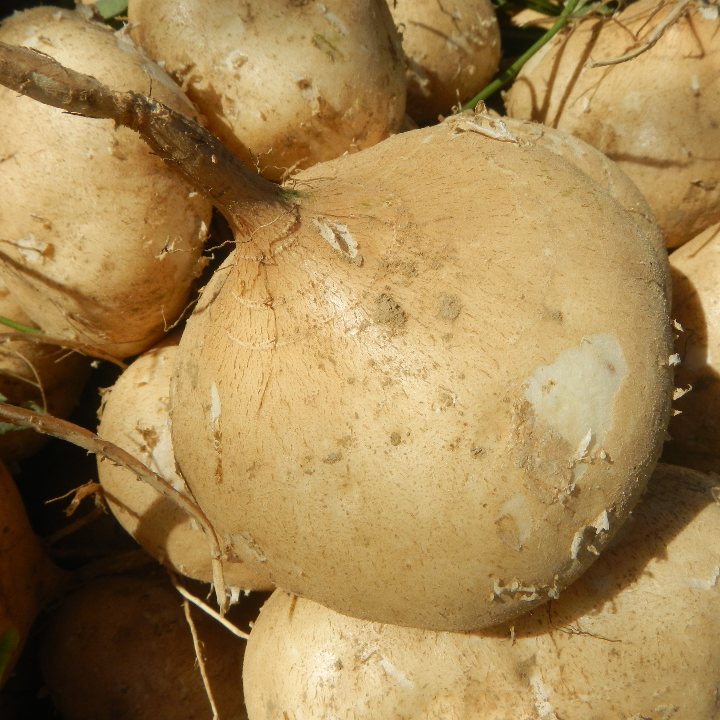 |
1. Singkamas (Jicama)
Singkamas in English is jicama, also known as the Mexican turnip. It is a crunchy, sweet root vegetable that grows underground. It is a native Mexican vine that Spain brought to Asia in the 17th century. Filipinos love eating raw singkamas sliced with salt or bagoong (shrimp paste), and it adds crunch to fresh lumpia. Only the root is eaten: the seeds contain rotenone and are toxic.
English name: jicama, Mexican turnip
Scientific name: Pachyrhizus erosus
Type: root
Common uses: eaten raw with salt or bagoong, fresh lumpia
Do you grow singkamas? We have no sellers for it yet, so you can be the first.
🌱 List singkamas on FarmyHub for free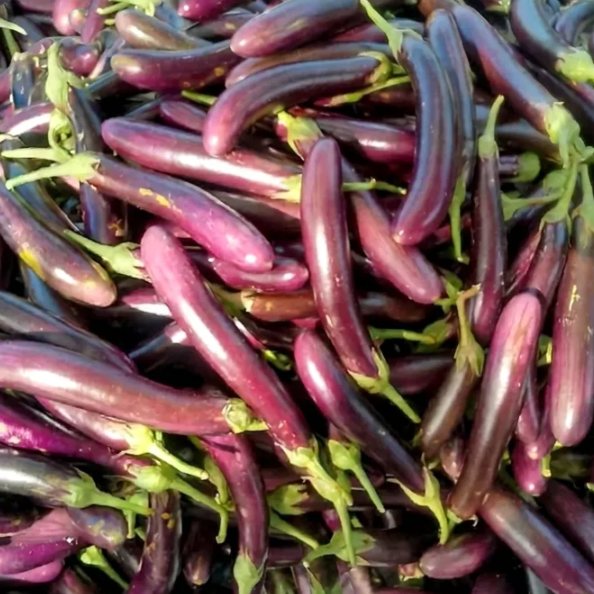 |
2. Talong (Eggplant)
Talong is eggplant in English. It is one of the most widely grown fruit vegetables in the Philippines and the main ingredient in tortang talong (eggplant omelet) and pinakbet. For varieties and prices, see the button below.
English name: eggplant, aubergine
Scientific name: Solanum melongena
Type: fruit vegetable
Common uses: tortang talong, pinakbet
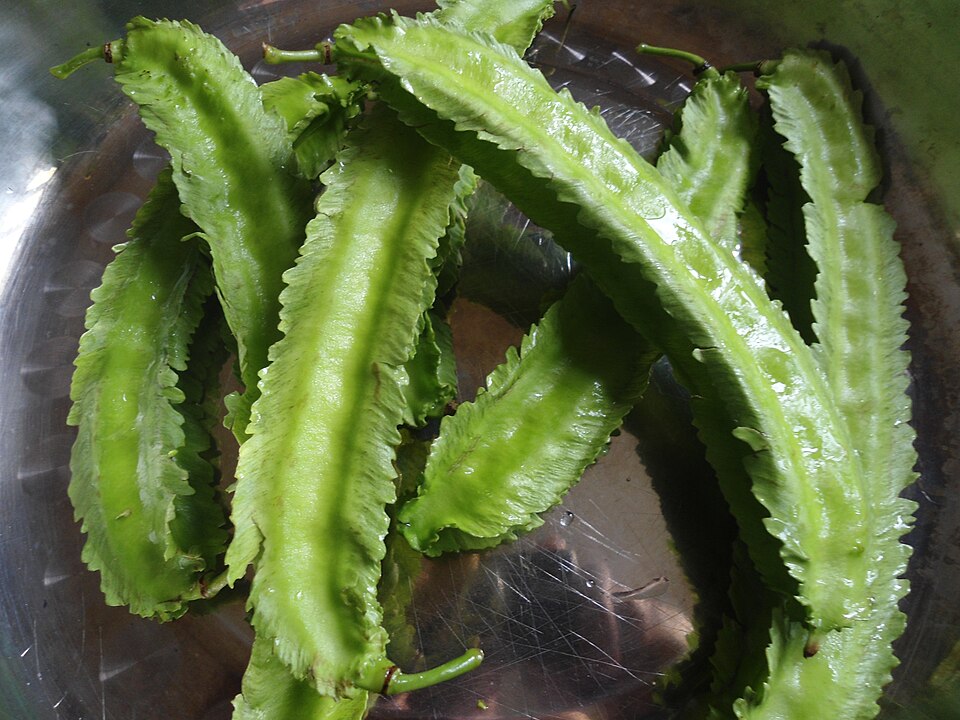 |
3. Sigarilyas (Winged Bean)
Sigarilyas in English is winged bean, also called four-angled bean. The English name comes from its square pods, which have four frilly, wing-like edges. The pods are sautéed as ginisang sigarilyas or cooked in coconut milk dishes like gising-gising. Other parts of the plant are eaten too, including the leaves, flowers and roots.
English name: winged bean, four-angled bean
Scientific name: Psophocarpus tetragonolobus
Type: legume
Common uses: ginisang sigarilyas, gising-gising
Do you grow sigarilyas? We have no sellers for it yet, so you can be the first.
🌱 List sigarilyas on FarmyHub for free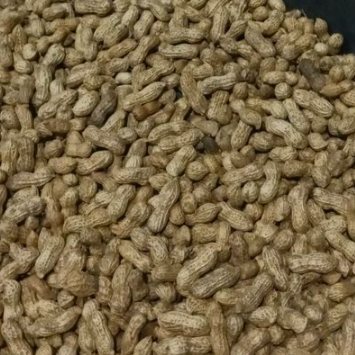 |
4. Mani (Peanut)
Mani in English is peanut, also called groundnut. Peanut plants are unusual because their flowers bloom above ground, but after pollination the stems bend down and push into the soil, where the pods mature. In the Philippines, peanuts are sold boiled in their pods, fried with garlic as adobong mani, or ground into the sauce of kare-kare.
English name: peanut, groundnut
Scientific name: Arachis hypogaea
Type: legume
Common uses: boiled or fried snacks, adobong mani, kare-kare sauce
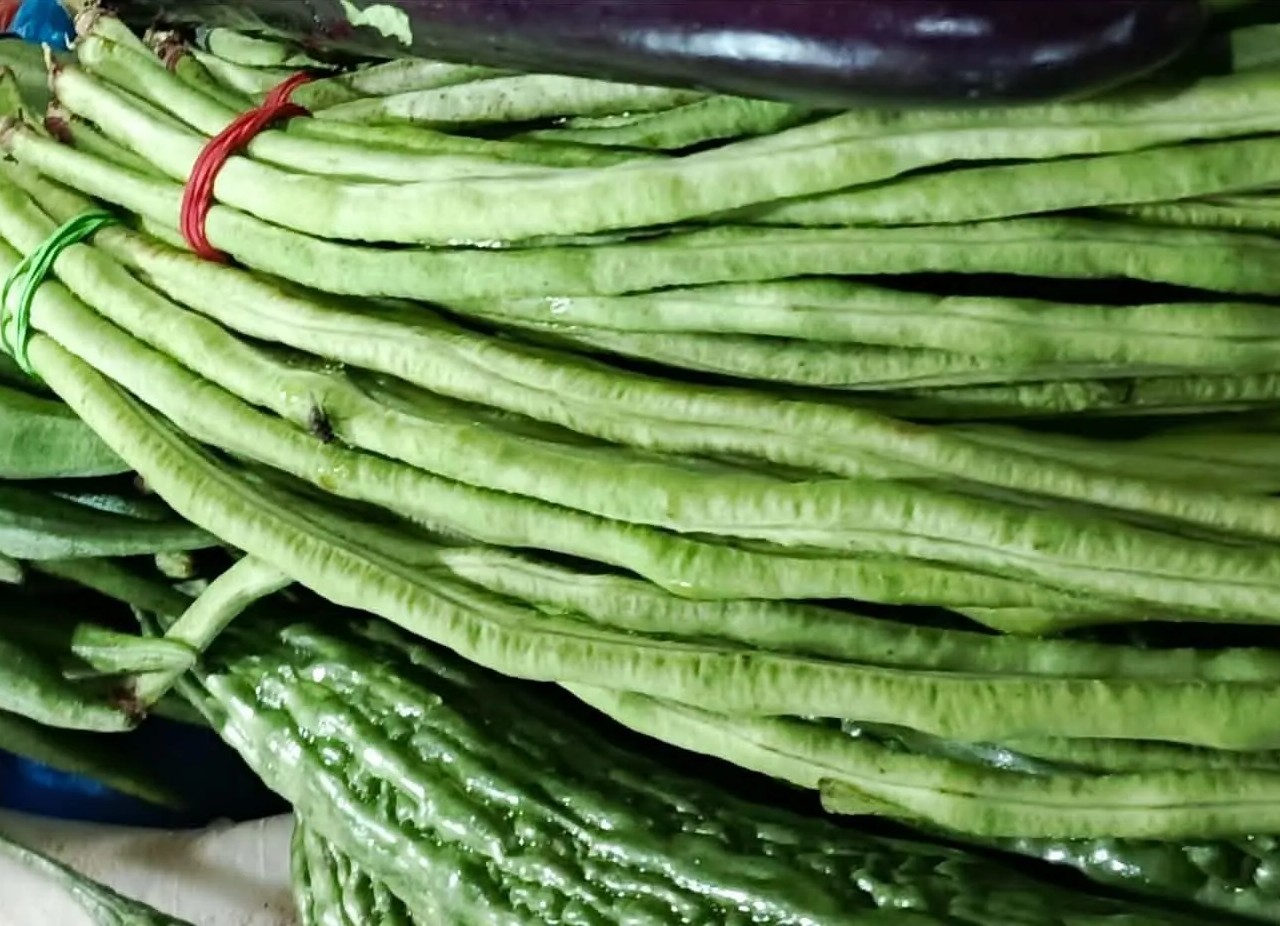 |
5. Sitaw (Yardlong Bean)
Sitaw in English is yardlong bean, also called string bean or long bean. These long, slender pods grow quickly on climbing vines and go into adobong sitaw, sinigang and pinakbet. Sitaw is not the same as Baguio beans (habichuelas), which are shorter, thicker snap beans grown in cooler areas.
English name: yardlong bean, string bean, long bean
Scientific name: Vigna unguiculata subsp. sesquipedalis
Type: legume
Common uses: adobong sitaw, sinigang, pinakbet
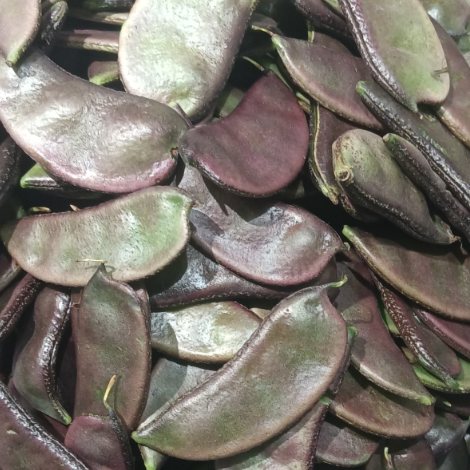 |
6. Bataw (Hyacinth Bean)
Bataw in English is hyacinth bean, also known as lablab bean. It produces flat green pods with a purplish outline. Young pods are cut and cooked in Ilocano dishes like dinengdeng and pinakbet, and they must always be cooked before eating.
English name: hyacinth bean, lablab bean
Scientific name: Lablab purpureus
Type: legume
Common uses: pinakbet, dinengdeng
Do you grow bataw? We have no sellers for it yet, so you can be the first.
🌱 List bataw on FarmyHub for free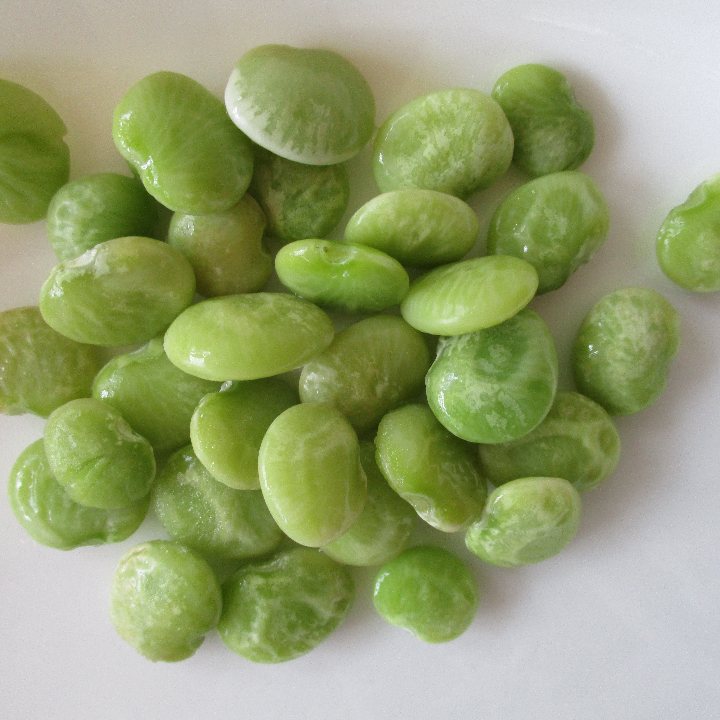 |
7. Patani (Lima Bean)
Patani in English is lima bean, also known as butter bean. These vines yield broad pods filled with smooth, buttery seeds. The seeds are boiled and added to vegetable stews such as pinakbet, or sautéed with tomatoes. Raw lima beans are toxic, so boil them for at least 10 minutes.
English name: lima bean, butter bean
Scientific name: Phaseolus lunatus
Type: legume
Common uses: vegetable stews, pinakbet, ginisa
Do you grow patani? We have no sellers for it yet, so you can be the first.
🌱 List patani on FarmyHub for free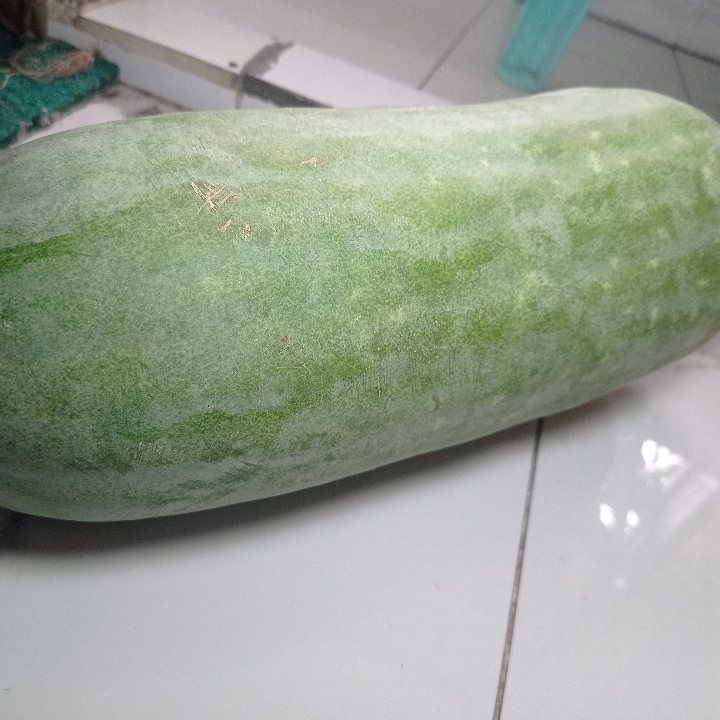 |
8. Kundol (Winter Melon)
Kundol in English is winter melon, also called wax gourd or ash gourd. It grows into a large, heavy gourd with a white waxy layer that protects it during storage. Mature kundol has mild white flesh that goes into soups and stir-fries, and it is candied as a filling for hopia.
English name: winter melon, wax gourd, ash gourd
Scientific name: Benincasa hispida
Type: fruit vegetable
Common uses: soups, stir-fries, candied hopia filling
Do you grow kundol? We have no sellers for it yet, so you can be the first.
🌱 List kundol on FarmyHub for free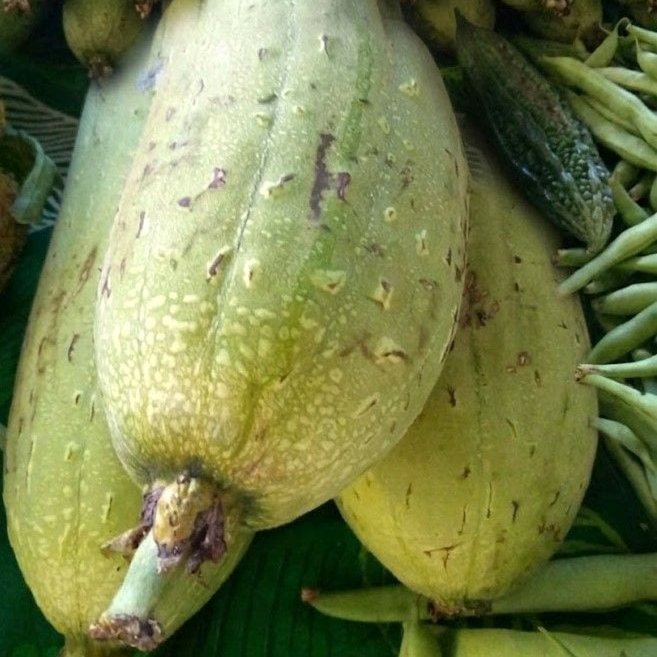 |
9. Patola (Sponge Gourd)
Patola in English is sponge gourd, also called luffa or ridged gourd. Harvested young, it is soft and sweet, which makes it popular in dishes like misua with patola. Left on the vine until fully mature and dry, the inner fibers turn into a natural loofah sponge.
English name: sponge gourd, luffa, ridged gourd
Scientific name: Luffa acutangula
Type: fruit vegetable
Common uses: misua with patola, loofah sponges
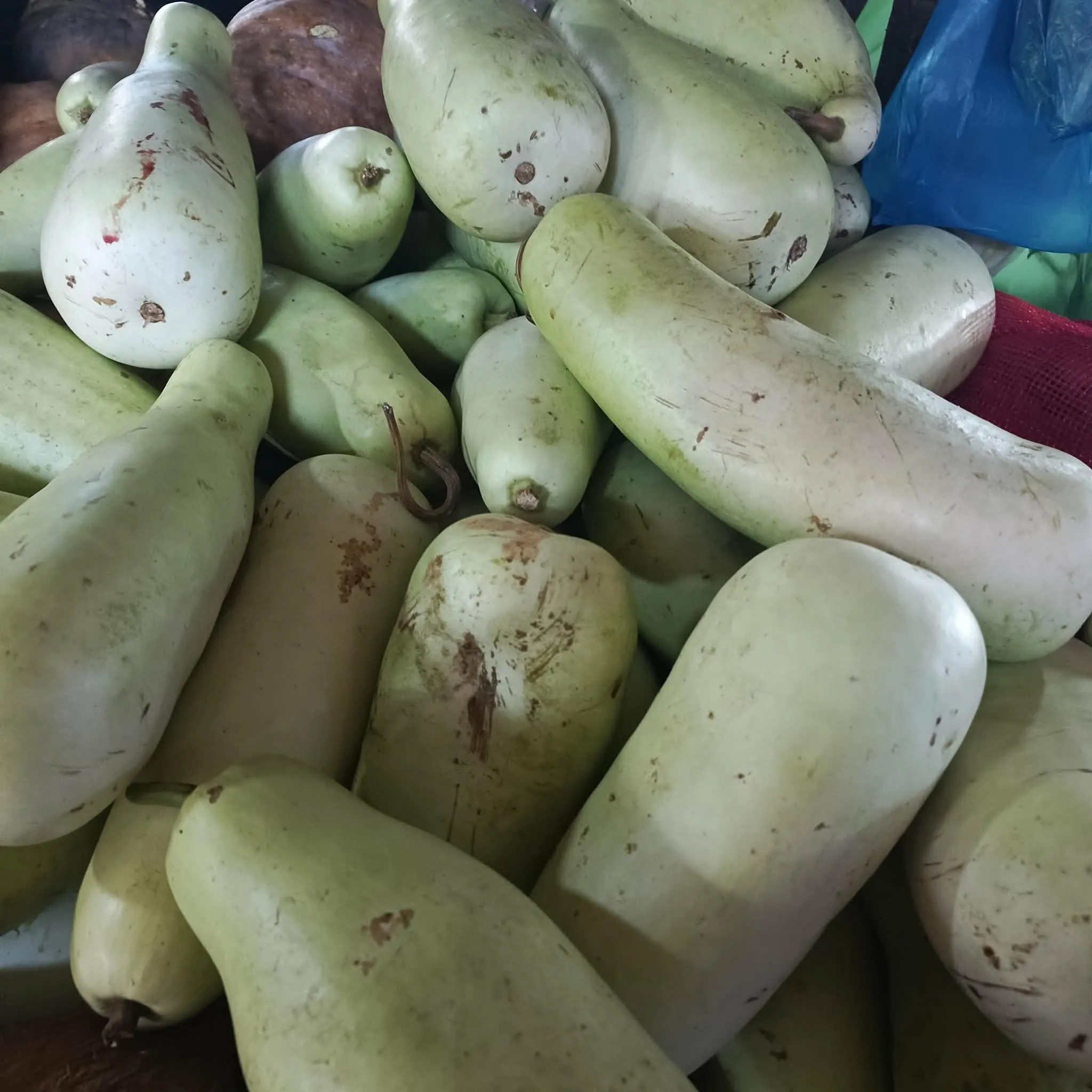 |
10. Upo (Bottle Gourd)
Upo in English is bottle gourd, also known as calabash. It is a long, light-green gourd with spongy white flesh and a mild taste. It is cooked as ginisang upo (sautéed with pork or shrimp) or added to light broths.
English name: bottle gourd, calabash
Scientific name: Lagenaria siceraria
Type: fruit vegetable
Common uses: ginisang upo, soups
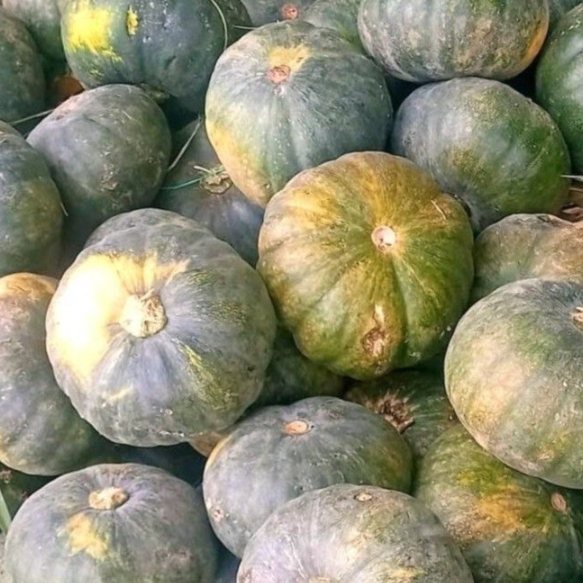 |
11. Kalabasa (Squash)
Kalabasa in English is squash, also called calabaza or winter squash. It comes from Mexico and Central America. Its sweet yellow-orange flesh goes into ginataang kalabasa at sitaw (squash and string beans in coconut milk) and pinakbet.
English name: squash, calabaza, winter squash
Scientific name: Cucurbita maxima
Type: fruit vegetable
Common uses: ginataang kalabasa, pinakbet
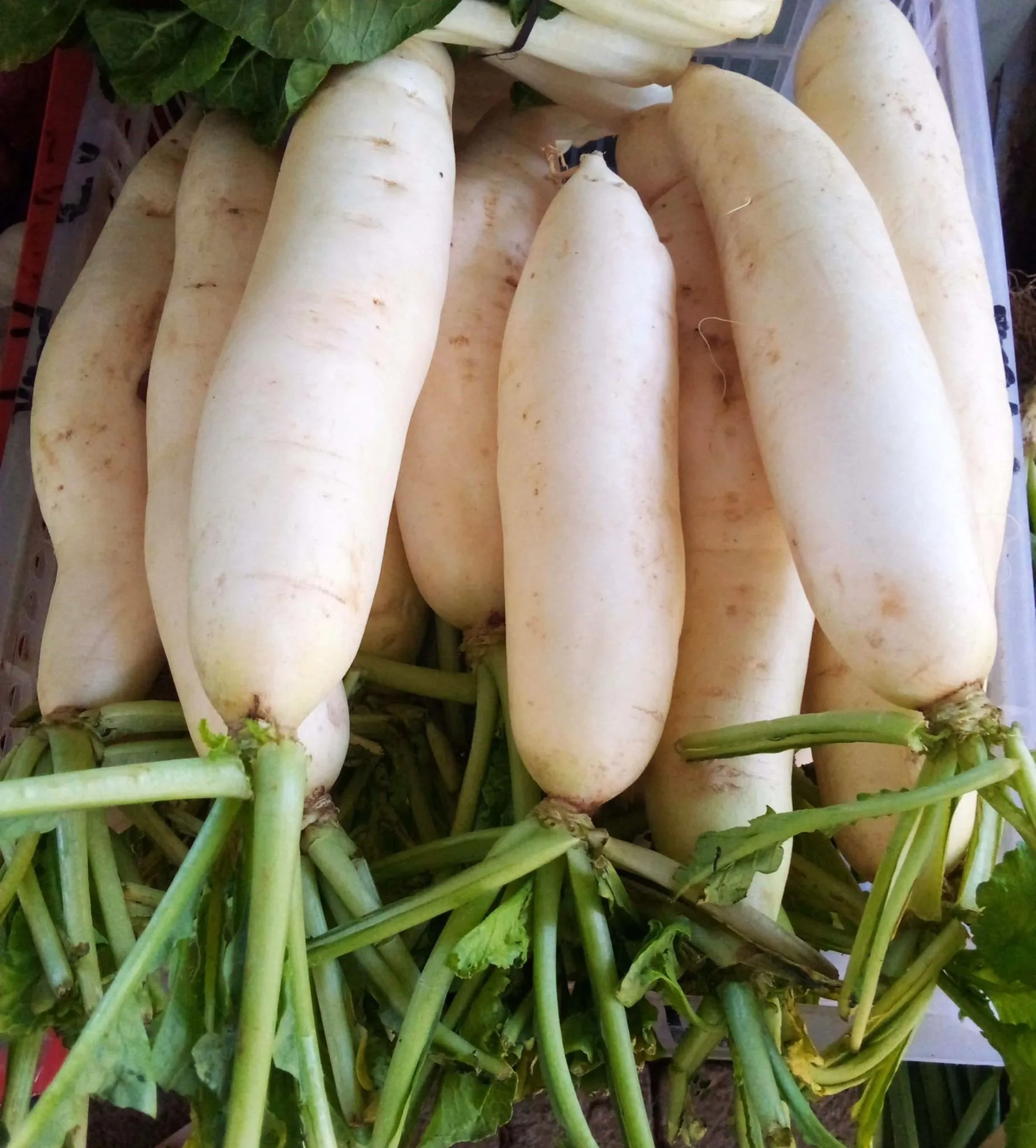 |
12. Labanos (Radish)
Labanos in English is radish, also called white radish or daikon. It is a long, white, crisp root with a peppery bite. It soaks up the flavor of a broth, which makes it a common ingredient in sinigang, and it is also served as a side salad or pickled as atsarang labanos.
English name: radish, white radish, daikon
Scientific name: Raphanus sativus
Type: root
Common uses: sinigang, side salads, atsarang labanos
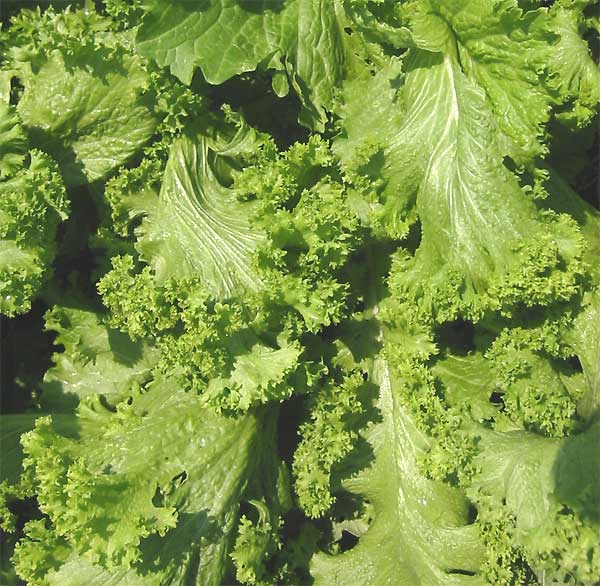 |
13. Mustasa (Mustard Greens)
Mustasa in English is mustard greens, also called brown mustard. It is the only leafy vegetable named in the Bahay Kubo song. It has a sharp, slightly bitter taste. It is salted and fermented into burong mustasa, wrapped around grilled fish, or served in sour soups.
English name: mustard greens, brown mustard
Scientific name: Brassica juncea
Type: leafy
Common uses: burong mustasa, soups, side dishes
Do you grow mustasa? We have no sellers for it yet, so you can be the first.
🌱 List mustasa on FarmyHub for free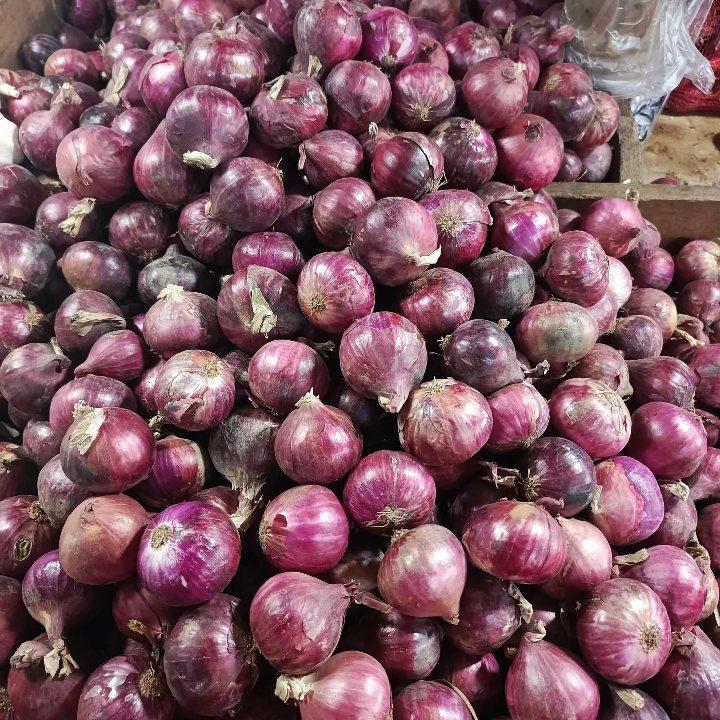 |
14. Sibuyas (Onion)
Sibuyas is onion in English. Along with garlic, it is the base of ginisa and starts almost every savory Filipino dish. Green onion shoots (sibuyas dahon) are sold separately as spring onion.
English name: onion
Scientific name: Allium cepa
Type: bulb
Common uses: ginisa, most savory dishes
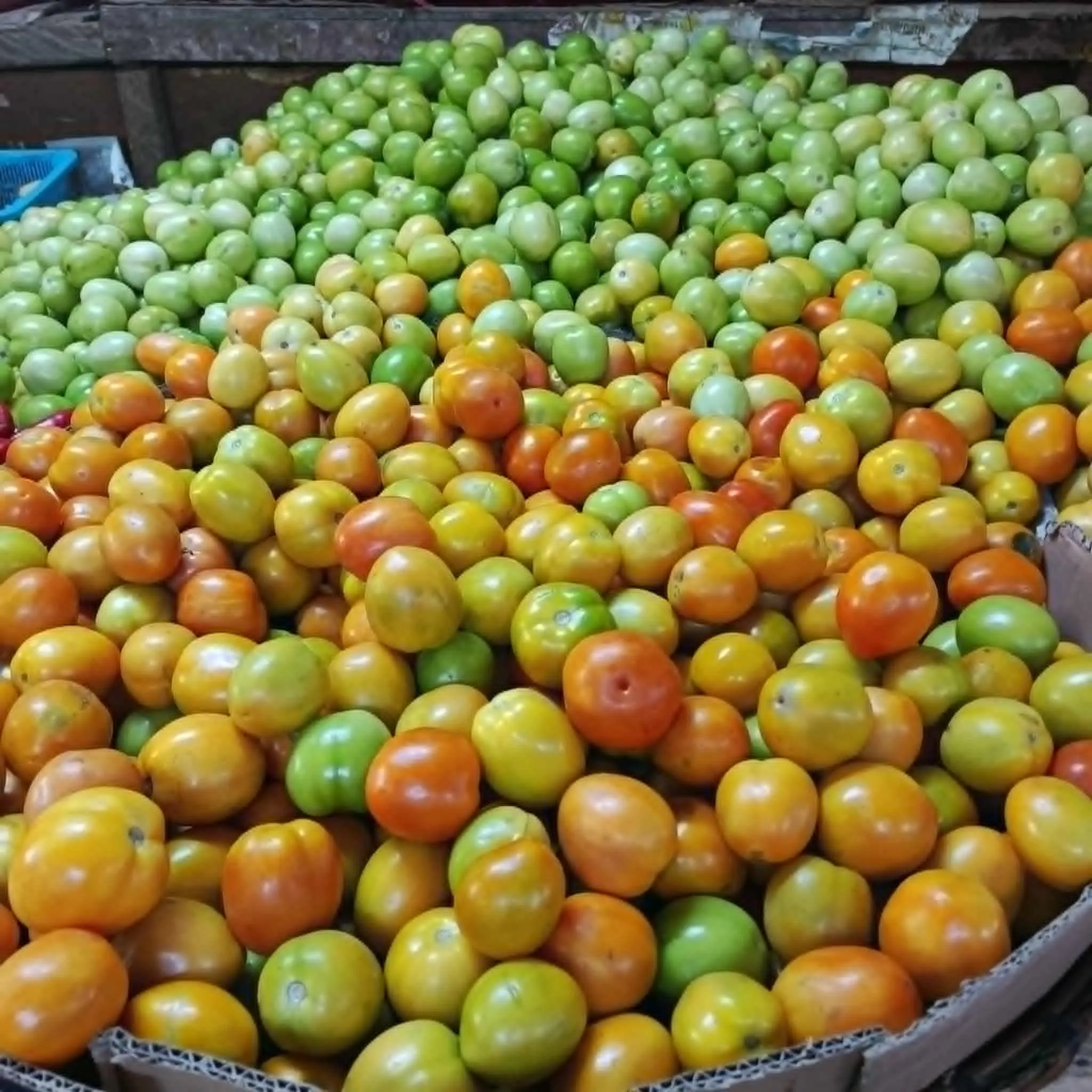 |
15. Kamatis (Tomato)
Kamatis in English is tomato. We cook it as a vegetable, but botanically it is a fruit. Sliced raw tomatoes are served with bagoong or salted eggs as a side dish, and they are boiled in sour broths like sinigang.
English name: tomato
Scientific name: Solanum lycopersicum
Type: fruit vegetable
Common uses: sawsawan, sinigang, ginisa
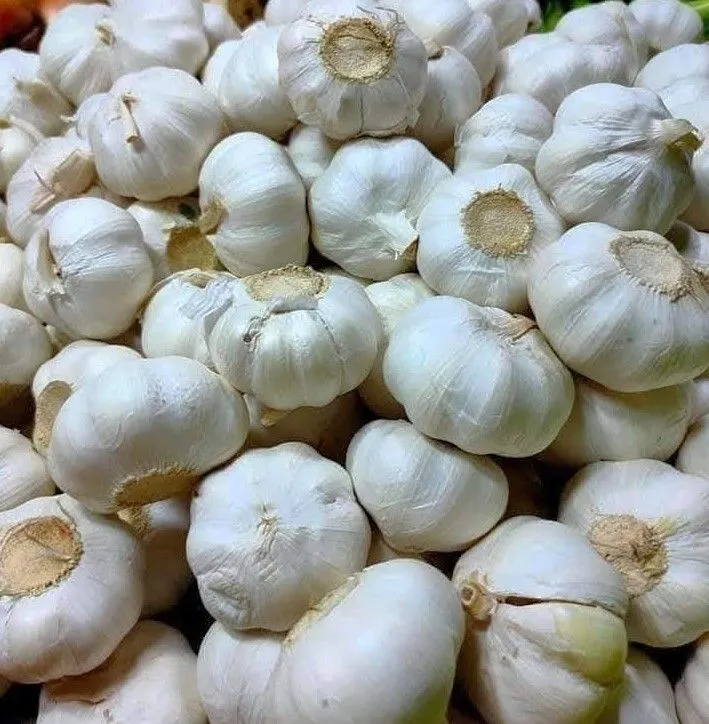 |
16. Bawang (Garlic)
Bawang is garlic in English. Sautéed in oil with onions, it gives Filipino dishes their savory aroma, and it is fried golden brown for sinangag (garlic fried rice). To compare sellers, see our list of garlic suppliers.
English name: garlic
Scientific name: Allium sativum
Type: bulb
Common uses: ginisa, sinangag
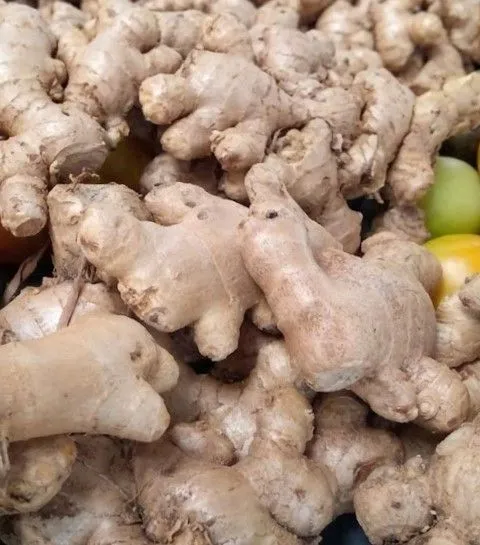 |
17. Luya (Ginger)
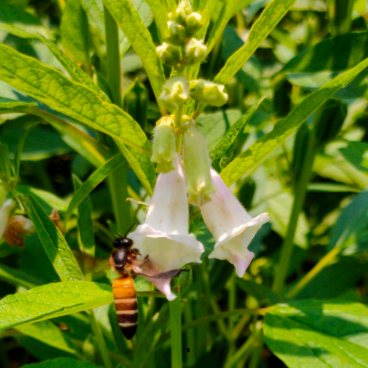
Luya in English is ginger. Luya is an underground rhizome rather than a true root. It removes fishy odors from seafood dishes and adds warmth to tinola and arroz caldo. Luya is also brewed into a hot tea called salabat.
English name: ginger
Scientific name: Zingiber officinale
Type: rhizome
Common uses: tinola, arroz caldo, salabat
 |
18. Linga (Sesame)
Linga in English is sesame. It is the 18th and last plant in the song. Linga plants produce small pods filled with tiny, oil-rich seeds. Toasted seeds are sprinkled on palitaw, suman and other sweets for a nutty flavor.
English name: sesame
Scientific name: Sesamum indicum
Type: seed
Common uses: palitaw, suman, other sweets
Do you grow linga? We have no sellers for it yet, so you can be the first.
🌱 List linga on FarmyHub for freeBahay Kubo Vegetables by Type: Are There Fruits in the Song?
How many fruits are in Bahay Kubo? If you mean sweet prutas sa Bahay Kubo like mangoes or bananas, there are none. In botany, though, six of the plants are fruits, because they grow from a flower and hold seeds, even though we cook them as vegetables. The bean pods are technically fruits too.
Here is the full classification of the Bahay Kubo plants by type. There are five legumes and only one leafy vegetable, mustasa:
Type | How many | Which ones |
|---|---|---|
Fruit vegetables | 6 | Talong, kundol, patola, upo, kalabasa, kamatis |
Legumes (beans and peanuts) | 5 | Sigarilyas, mani, sitaw, bataw, patani |
Roots, bulbs and rhizomes | 5 | Singkamas, labanos, sibuyas, bawang, luya |
Leafy vegetables | 1 | Mustasa |
Seeds | 1 | Linga |
Vegetables That Are Not in Bahay Kubo (Gulay na Wala sa Bahay Kubo)
School assignments often ask for gulay na wala sa Bahay Kubo: common Filipino vegetables that the song leaves out. Here are some of them, with links to their categories on FarmyHub:
Tagalog | English | On FarmyHub |
|---|---|---|
Ampalaya | Bitter melon | |
Okra | Okra | |
Pechay | Bok choy | |
Kangkong | Water spinach | |
Sayote | Chayote | |
Repolyo | Cabbage | |
Karot | Carrot | |
Patatas | Potato | |
Kamote | Sweet potato | |
Litsugas | Lettuce | |
Malunggay | Moringa | No category yet |
For more Filipino vegetable names and sellers, see our vegetable suppliers article.
Are Bahay Kubo Vegetables Native to the Philippines?
Most of them are not. Most of the 18 are introduced species, many from Central and South America by way of the Manila galleon trade, and they became part of Filipino farming and cooking.
For example, singkamas is a native Mexican vine that Spain brought to Asia in the 17th century, and kalabasa comes from Mexico and Central America. Bataw, upo and linga have native origins in Africa. Talong’s origin is disputed, and it is often described as native to South Asia. So these are not vegetables only found in the Philippines, even if they feel completely Filipino today.
How to Grow a Bahay Kubo Garden at Home
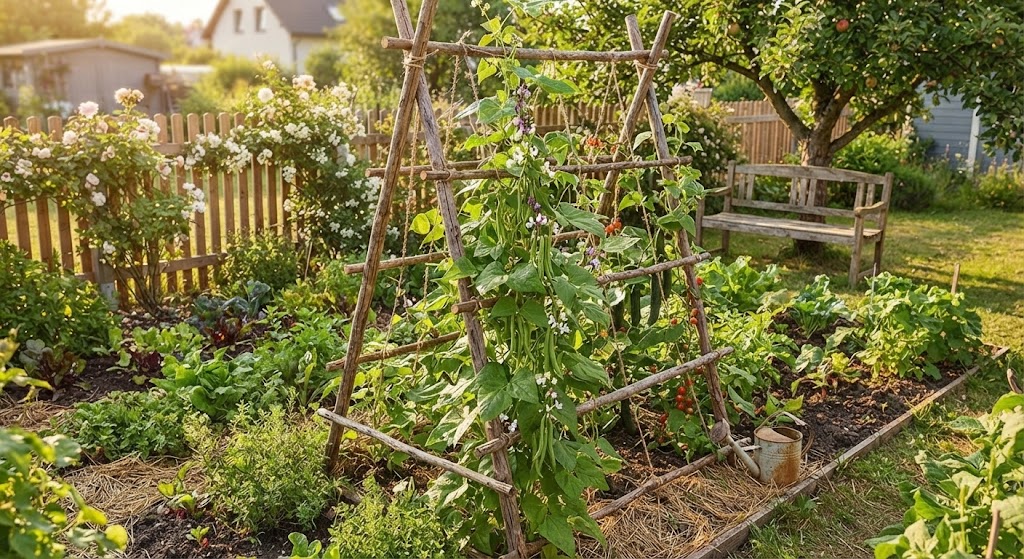
The song pictures a bahay kubo with a garden all around it, and you can start your own at home. You do not need a big farm: even a small backyard vegetable garden in the Philippines can hold many of these plants if you group them by how they grow.
Here is how the 18 Bahay Kubo vegetables group by growing habit:
Growing habit | Vegetables | What they need |
|---|---|---|
Climbers (need a trellis) | Sigarilyas, sitaw, bataw, patani, patola, upo | Sturdy bamboo frames (balag) or trellises to climb on. |
Ground creepers (spread out) | Kalabasa, kundol | Wide open ground, or a strong overhead frame to hold the heavy fruits. |
Upright plants (beds or pots) | Talong, kamatis, mustasa, sibuyas, linga | Garden rows, raised beds or large pots. |
Underground crops | Singkamas, mani, labanos, bawang, luya | Loose, well-draining soil so the crop has room to grow. |
What You Need to Get Started
Prepare your soil first, and mix in some organic fertilizer. Start your crops from vegetable seeds in seedling trays before moving them to the ground, and keep a few gardening tools close for daily care. Give the plants sunshine and regular watering. To grow herbs beside your vegetables, see our herbs guide.
Where to Find Bahay Kubo Vegetables on FarmyHub
You can browse these 11 categories and connect with sellers, who list what they currently have. For current market rates, see our monthly price report.
We do not have sellers yet for singkamas, sigarilyas, bataw, patani, kundol, mustasa and linga, so farmers who grow them are welcome to list them on FarmyHub.
Frequently Asked Questions About Bahay Kubo Vegetables
What are the 18 vegetables in Bahay Kubo?
In song order, they are singkamas, talong, sigarilyas, mani, sitaw, bataw, patani, kundol, patola, upo, kalabasa, labanos, mustasa, sibuyas, kamatis, bawang, luya and linga.
What is the last vegetable in Bahay Kubo?
The last plant named in the song is linga (sesame). The final line says the garden is surrounded by it.
What is the fifth vegetable in Bahay Kubo?
The fifth vegetable in the song is sitaw (yardlong bean).
What is linga in Bahay Kubo?
Linga is sesame (Sesamum indicum), a plant grown for its tiny seeds. In the song, it grows all around the garden.
What is singkamas in English?
Singkamas in English is jicama or Mexican turnip (Pachyrhizus erosus), a crunchy root vegetable eaten raw with salt or shrimp paste.
What is Bahay Kubo in English?
Bahay kubo is called a nipa hut in English. It is a traditional Filipino house on stilts, built with materials such as bamboo, wood and palm.
Who wrote the song Bahay Kubo?
Nobody knows. The author is unknown, and the song first appeared in print in 1924, in a collection edited by Emilia S. Cavan.
Is Bahay Kubo a folk song?
Yes. Bahay Kubo is a Tagalog folk song (awiting bayan) from the lowlands of Luzon.
How many fruits are in Bahay Kubo?
The song names no sweet fruit like mango or banana. In botany, though, 6 of the plants are fruit vegetables (talong, kundol, patola, upo, kalabasa and kamatis), and the pods of the 5 legumes are technically fruits too.
Ilan ang gulay sa Bahay Kubo?
Mayroong 18 na uri ng halaman o gulay ang binabanggit sa kantang Bahay Kubo, mula sa singkamas sa simula hanggang sa linga sa dulo.
Sell Your Vegetables on FarmyHub
If you grow any of the vegetables in Bahay Kubo, especially singkamas, sigarilyas, bataw, patani, kundol, mustasa or linga, which have no sellers on FarmyHub yet, you can list them and connect with buyers across the Philippines.
List your products yourself, for free. Create a free account in seconds with your Google or Facebook account, then post your listing in a few minutes. Once approved, your listing is visible to buyers, who can message or call you directly.
🌱 List your products for freeBecome a FarmyHub supplier. Tell us about your farm or business, your products and how much you can supply. Our team will contact you to learn about your business, and when a bulk buyer is looking for what you sell, we can recommend you.
🤝 Become a supplierPrefer using your phone? Download the free FarmyHub app to post listings and reply to buyers on the go.
📱 Get the app on Google PlayRegistered agriculturist, higher education instructor, and hands-on farmer. I write practical farming and agribusiness guides based on my work in the field and in the classroom.