


10 Easy Herb Plants for Every Filipino Home: Care Tips, Tagalog Names and Where to Buy
Have you ever been in the middle of cooking your favorite dish, only to realize you’re missing that one fresh ingredient to make it taste perfect? We’ve all been there! Starting your own little herb garden is one of the smartest and most rewarding things you can do for your kitchen. Imagine being able to walk over to your windowsill or balcony, snip a few fresh leaves, and add them straight to your adobo, sinigang, or even your afternoon tea. Growing your own herbs isn’t just for people with big farms or "green thumbs." Even if you live in a small apartment, a townhouse, or a home with a tiny space, you can easily grow your own herbs. It is a simple, budget-friendly hobby that gives you fresh, chemical-free greens right at your fingertips. Plus, having these plants around doesn't just make your food taste better—they also fill your home with a relaxing, natural scent and add a touch of life to your living space.
You don't need to be an expert to start. In fact, many of the best kitchen herbs are tough, low-maintenance, and perfect for the sunny, tropical weather we have here in the Philippines. You don't have to worry about complicated tools or expensive fertilizers; most of these herbs only need a little bit of sunlight, regular water, and a bit of your attention to thrive. Whether you are a busy parent, a student, or just someone who loves to cook, you will find that these plants are very forgiving even if you are just starting out. To help you get started on your own "edible garden," here are ten beginner-friendly herbs that are very easy to grow and will surely make your home-cooked meals feel like they were made by a professional chef.
This guide covers 10 easy herb plants for the Philippines, their Tagalog names, how to start a small herb garden at home, and where to buy fresh herbs if you would rather not wait. FarmyHub sellers list fresh parsley, basil, dill and fresh tanglad.
In this guide | Short answer |
|---|---|
Sun, water, how to start and best use of each herb in one table. | |
Chocolate mint, citronella, dill, gotu kola, lemon balm, parsley, rosemary, Thai basil, thyme and oregano, with care tips. | |
Parsley is perehil, basil is balanoy, mint is yerba buena: 18 herbs with their Filipino names. | |
Pots with drainage holes, 4 to 6 hours of sun, light soil, and cuttings for the fastest start. | |
FarmyHub sellers of parsley, dill, basil, wansoy, dried oregano, herb seedlings and tanglad. | |
Can rosemary, thyme and parsley grow in the Philippines, the easiest herb, herbs vs spices and more. |
10 Easy Herbs to Grow in the Philippines at a Glance
Here are the 10 herbs in this guide with their Tagalog or local names, how much sun and water they need, and the easiest way to start them. Tap a herb to jump to its care tips.
Herb | Tagalog / local name | Sun | Water | Start from | Best for |
|---|---|---|---|---|---|
A mint, like yerba buena | Partial sun | Keep slightly moist | Cuttings or runners | Shakes, desserts, iced tea | |
Looks like tanglad | Full sun to partial shade | Moderate | Dividing a clump | Garden scent, not cooking | |
Eneldo | Bright light, no harsh afternoon sun | Moderate | Seeds sown in place | Fish, potato salad, pickles | |
Takip-kuhol | Partial shade | Keep damp | Runners | Fresh salads, tea | |
No common Tagalog name | Sunny spot, light afternoon shade | Moderate | Cuttings or seeds | Iced tea, juices, seafood | |
Perehil | Partial shade | Keep moist | Seeds (slow, 2 to 4 weeks) | Garnish, soups, pasta, paella | |
Romero | Full sun, 6 to 8 hours | Little; let the soil dry | Cuttings | Roast chicken, pork, steak | |
Balanoy (basil) | Full sun | Regular | Seeds or cuttings | Stir-fries, curries, noodles | |
Tomilyo | Full sun | Little | Cuttings | Stews, soups, roast meat | |
Oregano; suganda in Bisaya | Full sun to partial shade | Little | Cuttings | Sauces, soups, grilled dishes |
Tagalog names are the common names used in markets and kitchens; some herbs have other names in other regions.
1. Chocolate Mint — Adds Dessert Aroma

This unique variety produces long, trailing stems that look beautiful in hanging pots. With its subtle hint of chocolate flavor, it is a special favorite for elevating cakes, smoothies, and cold refreshments.
✅ Key Benefits
Adds a fancy, gourmet touch to desserts and shakes.
Grows very quickly.
✅ Care Tips
Always plant in a pot, not directly in the ground, as it can quickly take over your garden.
Keep the soil slightly moist but never soaked.
Good to know: mint is called yerba buena in Tagalog. If you want mint without growing it, a Bukidnon seller lists organic mint tea on FarmyHub.
2. Citronella — Lemon-Scented Garden Grass
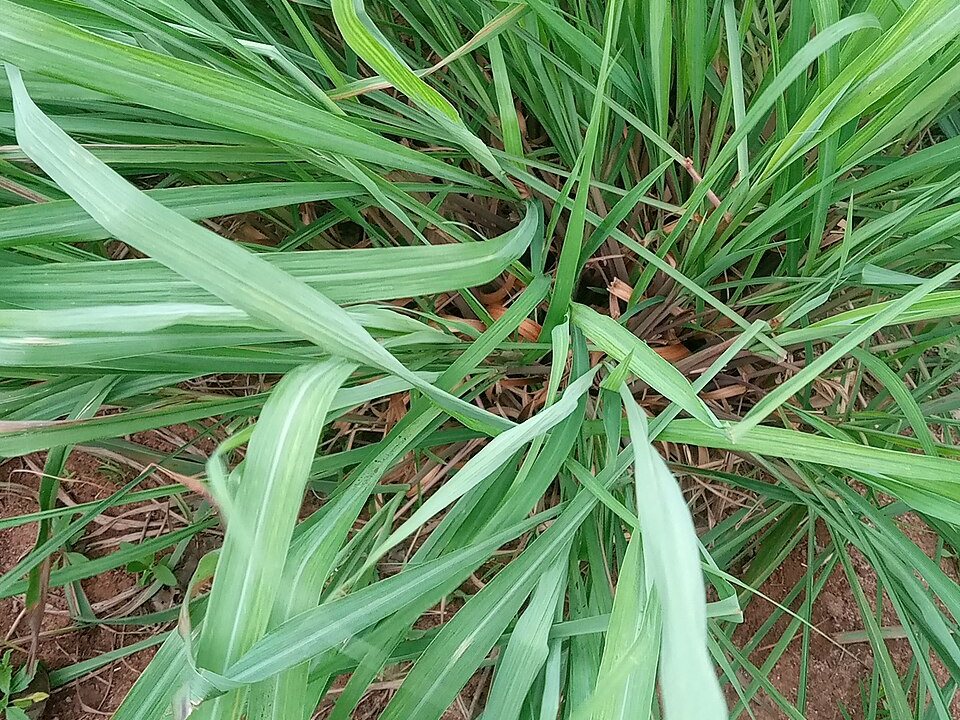
Known for its sharp, lemony scent, this hardy, grass-like plant is a staple for Filipino households. Many households plant it near doors and windows during mosquito season for its strong lemony scent.
✅ Key Benefits
Its oil is used in many mosquito-repellent products.
Keeps your garden smelling fresh and citrusy.
✅ Care Tips
Thrives in well-draining soil with partial shade.
It is versatile enough to grow both indoors and outdoors.
Good to know: citronella looks like tanglad (lemongrass) but is not the one used in cooking. For sinigang, lechon or tea, buy fresh tanglad instead.
3. Dill (Eneldo) — Enhances Fish Dishes
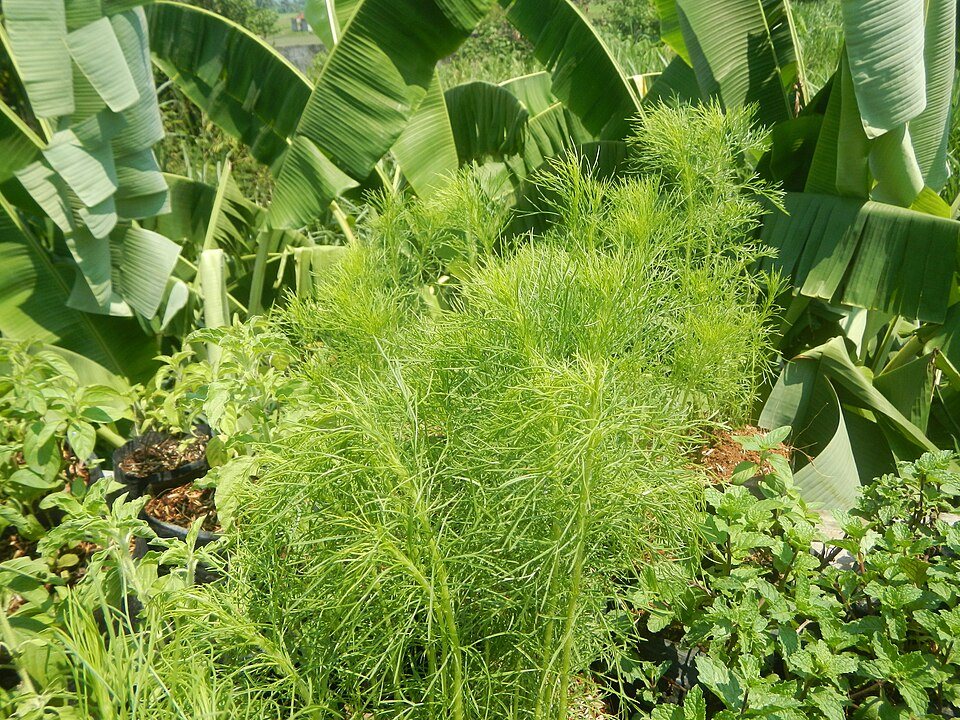
Dill is prized for its soft, feathery leaves and "zero-waste" versatility. From its flavorful greens used with grilled or steamed fish to its seeds which serve as an excellent spice, almost every part of this plant is useful.
✅ Key Benefits
Provides a light, fresh flavor profile.
Highly useful in both fresh cooking and dried spice applications.
✅ Care Tips
Prefers bright light but avoid direct, scorching sun.
It is a "shy" plant, so avoid moving its pot or disturbing the soil too often.
Where to buy: Oikos Orchard and Farm in Cebu lists organically grown dill on FarmyHub. Other sellers are on the fresh dill page.
🌿 View fresh dill4. Gotu Kola (Takip-Kuhol) — Fresh Leaves for Salads and Tea

This local herbal gem features charming, spade-shaped leaves and a flavor profile reminiscent of parsley. It is a cornerstone of traditional Filipino herbal knowledge, often enjoyed fresh in salads or steeped as a tea.
✅ Key Benefits
Easy to keep in damp, shady corners where other herbs struggle.
Young leaves can be eaten fresh in salads.
✅ Care Tips
A water-loving plant that thrives as long as the soil remains damp.
Keep it out of the harsh, direct afternoon sun.
5. Lemon Balm — Citrus Scent for Cold Drinks

A relative of the mint family, Lemon Balm offers a cooling, citrusy aroma that is both relaxing and culinary-friendly. It is perfect for garnishing seafood, infusing into juices, or brewing a warm tea.
✅ Key Benefits
Its lemony scent fills a balcony or windowsill.
Provides a bright, refreshing taste to cold beverages.
✅ Care Tips
Place in a sunny spot with well-draining soil.
Avoid heavy fertilization, as too much food can dull its signature lemon fragrance.
6. Parsley (Perehil) — Fresh Culinary Garnish
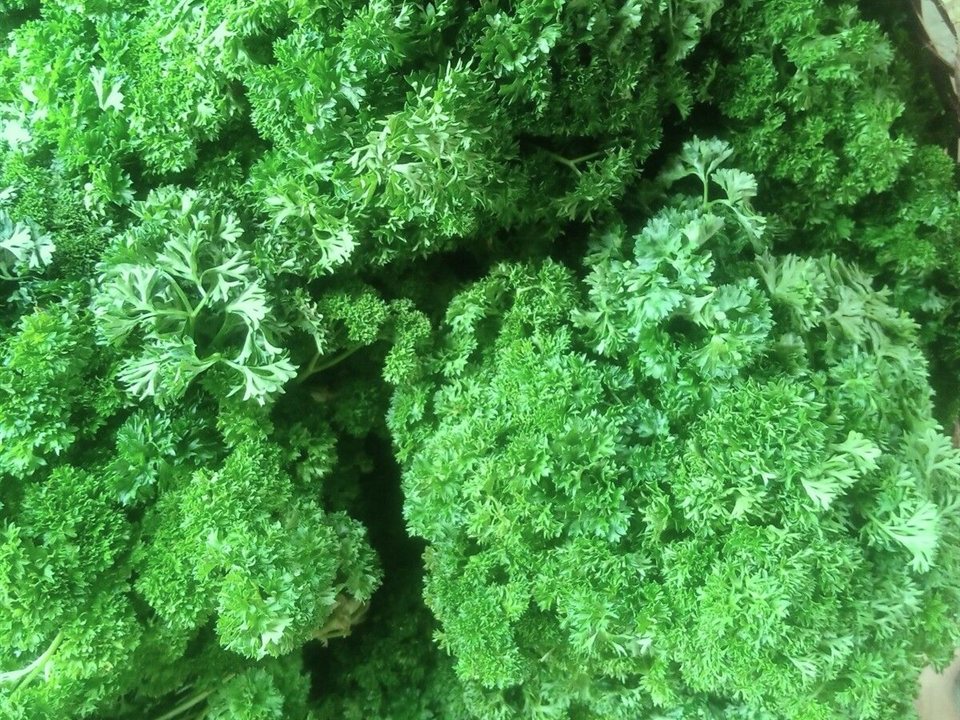
As perhaps the most famous herb in the world, Parsley is a kitchen essential for everything from pesto to roasted meats. It is a robust, sturdy plant that requires very little maintenance.
✅ Key Benefits
Flat-leaf parsley has a stronger taste for cooking, while curly parsley is the classic garnish.
Brings a light, zesty brightness to poultry dishes, cold fruit juices, and summer marinades.
✅ Care Tips
Keep the soil moist in a partially shaded spot.
Snip stems near the base rather than plucking top leaves to encourage faster regrowth.
Where to buy: a seller in Cagayan de Oro lists farm-harvested parsley by the kilo. For other sellers, see the latest parsley price per kilo.
🌿 View fresh parsley7. Rosemary (Romero) — Perfect Meat Seasoning

This woody, evergreen herb is defined by its deep, pine-like fragrance. It is exceptionally tough, loves the heat, and is the ultimate partner for roasted chicken and hearty stews.
✅ Key Benefits
Adds a deep, savory flavor to your cooking.
Delivers a restaurant-quality aroma to your kitchen.
✅ Care Tips
Needs 6 to 8 hours of sun daily.
Use sandy, well-draining soil, as this plant strongly dislikes "wet feet" or waterlogged roots.
8. Thai Basil (Balanoy) — Zests Asian Stir-fry

Perfect for tomato-based pasta or Southeast Asian stir-fries, Thai Basil thrives in our tropical warmth. Whether kept outdoors or on a sunny kitchen windowsill, it is a must-have for aromatic cooking. Sweet basil, the kind used for pesto, is called balanoy in Tagalog.
✅ Key Benefits
Delivers a distinct licorice and anise-like punch that is essential for genuine stir-fries, curries, and noodle bowls.
Thrives effortlessly in humid weather, making it an excellent windowsill choice for local homes.
✅ Care Tips
Avoid cold air, such as proximity to aircon vents.
Since it has a shorter lifespan, plant new seeds every few weeks to maintain a continuous supply.
Where to buy: two FarmyHub sellers list fresh sweet basil: one in Manila and a hydroponic farm in Malaybalay City, Bukidnon. See all fresh basil listings.
🌿 Fresh basil from Manila🌿 Hydroponic basil from Bukidnon9. Thyme (Tomilyo) — Adds Earthy Flavor
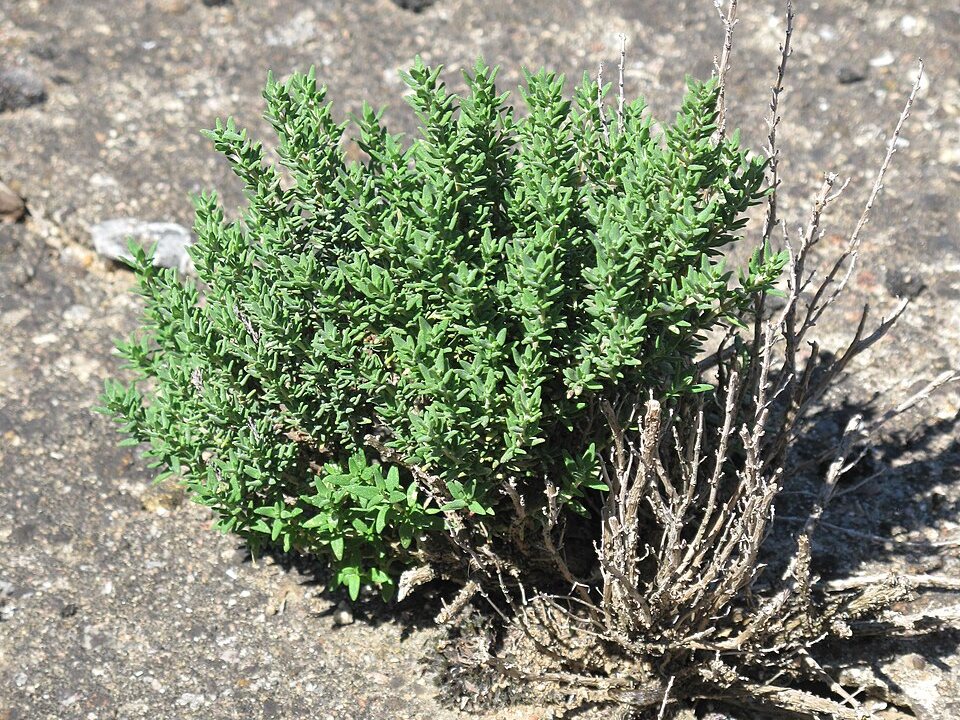
Thyme is a small but mighty herb that complements almost every cuisine. Because it grows low to the ground and spreads out, it serves as an attractive, decorative groundcover for your garden.
✅ Key Benefits
Compact size makes it ideal for small spaces.
Highly versatile in various recipes.
✅ Care Tips
Place in a protected, sunny spot.
Water only when the soil feels dry to the touch, but be careful not to let it remain bone-dry for too long.
10. Oregano — The Easiest Herb to Grow

No Filipino kitchen garden is complete without oregano. In most Filipino homes, “oregano” means the plant with thick, fuzzy, strongly scented leaves (Plectranthus amboinicus, called suganda in Bisaya), not the small-leaved Mediterranean oregano used on pizza. Both grow easily from cuttings, and both add flavor to tomato sauces, soups and grilled dishes.
✅ Key Benefits
Incredibly hardy and fast-growing.
A fantastic "starter plant" for beginners.
✅ Care Tips
Loves the sun and is very difficult to kill.
Regular stem pruning will help the plant grow bushier and stronger.
Where to buy: Flavours of Bukidnon sells dried oregano leaves for cooking on FarmyHub.
🌿 View dried oreganoHerbs in Tagalog: Filipino Names of Common Herbs
Looking for the Tagalog name of a herb? Many Filipino herb names come from Spanish (perehil, romero, tomilyo), while others are local (takip-kuhol, tanglad, wansoy). Herbs used for cooking are often called halamang pampalasa, and herbs used as home remedies are called halamang gamot.
English name | Tagalog / Filipino name | Common uses | On FarmyHub |
|---|---|---|---|
Parsley | Perehil | Garnish, soups, pasta, paella | |
Basil (sweet basil) | Balanoy | Pesto, pasta, salads | |
Holy basil | Sulasi | Tea, home gardens | – |
Thyme | Tomilyo | Kaldereta, soups, roast meat | – |
Dill | Eneldo | Fish, potato salad, pickles | |
Rosemary | Romero | Roast chicken, pork, steak | – |
Oregano | Oregano; suganda in Bisaya | Sauces, soups, grilled dishes | |
Mint | Yerba buena | Drinks, desserts, tea | |
Gotu kola | Takip-kuhol | Salads, tea | – |
Lemongrass | Tanglad | Lechon, inasal, tea | |
Coriander / cilantro | Wansoy | Pancit, soups, salads | |
Chinese celery | Kinchay | Sopas, pancit | – |
Spring onion | Sibuyas dahon | Lugaw, pancit, garnish | |
Bay leaf | Dahon ng laurel | Adobo, kaldereta | |
Pandan | Pandan | Rice, buko pandan | – |
Ginger | Luya | Tinola, arroz caldo, salabat | |
Chili leaves | Dahon ng sili | Tinola | – |
Moringa | Malunggay | Tinola, monggo | – |
How to Start a Herb Garden at Home (Even in a Condo)
You don’t need a big yard. A sunny windowsill, a balcony or a few pots by the door is enough for most herbs in this guide. Here is a simple way to start:
Pick a bright spot: most herbs need 4 to 6 hours of sun a day. Rosemary, thyme and oregano want full sun; parsley, gotu kola and lemon balm like some afternoon shade.
Use pots with drainage holes: herbs hate wet roots. Plastic, clay or recycled containers all work as long as water can drain out. For small spaces, FarmyHub sellers list stackable vertical planters and 128-hole seedling trays for starting herbs from seed.
Mix a light soil: garden soil with compost and carbonized rice hull (CRH) or coarse sand keeps the mix loose and fast-draining.
Start from cuttings when you can: oregano, mint, rosemary, thyme, Thai basil and lemon balm root from 10 to 15 cm stem cuttings in moist soil or a glass of water. Parsley and dill are easier from seed.
Water in the morning: water when the top 2 to 3 cm of soil feel dry. In the rainy season, move pots under a roof so they don’t stay soaked.
Harvest often: snip up to a third of the plant at a time. Regular cutting keeps herbs bushy.
Growing Herbs Indoors
Keep indoor herbs at your brightest window. Mint, parsley, Thai basil, lemon balm and gotu kola cope with 4 to 5 hours of light; rosemary and thyme need the sunniest spot you have or a grow light. Turn the pots every few days so the plants grow evenly, and keep them away from aircon vents.
Why You Should Start Today
Starting a herb garden is not just about the food—it is about the joy of seeing something grow because of your own care. When you cook with herbs you grew yourself, the food tastes better because you put your heart into it.
Some Simple Advice for Beginners:
Don't overwater: Most herbs hate sitting in water. Make sure your pots have holes at the bottom so the extra water can get out.
Start small: You don't need to buy all ten at once. Pick two or three that you use most often in your cooking, and build your confidence from there.
Talk to your plants: It sounds funny, but keeping a close eye on your plants helps you notice if they are thirsty or if they need more sun.
Gardening is a journey. You might lose a plant or two along the way, and that is completely okay! Even the best gardeners had to learn by making mistakes. Just keep trying, enjoy the fresh scents, and have fun in your kitchen. Your future self will thank you every time you harvest a fresh sprig for your morning tea or your weekend feast. Happy planting!
Where to Buy Fresh Herbs and Herb Plants in the Philippines
If you want fresh herbs today, or a plant to start with, these FarmyHub sellers list herbs. Prices are as listed on FarmyHub in October 2026; message the seller to confirm stock and delivery.
Herb | What is listed | Where | Listed price | Link |
|---|---|---|---|---|
Parsley | Fresh parsley, farm harvest | Cagayan de Oro | ₱132 per kilo | |
Dill | Organically grown dill (Oikos Orchard and Farm) | Cebu | Ask the seller | |
Basil | Fresh sweet basil | Manila | ₱200 per kilo | |
Basil | Hydroponic sweet basil and lettuce | Malaybalay City, Bukidnon | Ask the seller | |
Wansoy | Fresh wansoy (cilantro) | Manila | ₱200 per kilo | |
Wansoy seedlings | Wansoy (coriander) and bok choy seedlings | Sariaya, Quezon | ₱100 each, minimum 10 | |
Oregano | Dried oregano (Flavours of Bukidnon) | Bukidnon | ₱40 each, minimum 10 | |
Mint | Organic mint tea, 10 tea bags (Flavours of Bukidnon) | Bukidnon | ₱150 per box, minimum 10 | |
Laurel | Laurel (bay leaf) seedlings | Cabanatuan City, Nueva Ecija | ₱800 per seedling | |
Mixed herbs | Lettuce and herbs farm | General Trias, Cavite | Ask the seller | |
Tanglad | Fresh tanglad from several sellers | Bulacan, Eastern Samar, Negros Oriental, Zamboanga City | Prices vary |
No seller lists thyme, rosemary, lemon balm, chocolate mint, citronella or gotu kola yet. If you grow them, you can list them on FarmyHub for free (see below).
FAQ About Growing Herbs in the Philippines
What is parsley in Tagalog?
Parsley is perehil in Tagalog, from the Spanish word perejil. Curly parsley is the common garnish; flat-leaf parsley has a stronger taste for cooking. You can compare FarmyHub sellers on the parsley price per kilo page.
What are herbs called in Tagalog?
Cooking herbs are usually called halamang pampalasa, plants that add flavor, and herbs used as home remedies are called halamang gamot. Many herbs keep Spanish-based names, such as perehil, romero and tomilyo.
Can rosemary grow in the Philippines?
Yes, if you give it full sun, sandy, fast-draining soil and little water. Rosemary dislikes wet roots, so the rainy season is the hard part: keep it in a pot you can move under a roof. It grows best from cuttings.
Can thyme grow in the Philippines?
Yes. Thyme likes the same conditions as rosemary: full sun, dry soil and good drainage. Grow it in a wide, shallow pot and water only when the soil feels dry.
Can parsley grow in the Philippines?
Yes. Parsley grows best in partial shade and moist soil, and many gardeners find it easiest in the cooler months. The seeds are slow and can take two to four weeks to sprout, so soak them overnight before sowing.
What is the easiest herb to grow in the Philippines?
Oregano is the easiest for most beginners: a cutting roots quickly and the plant tolerates heat and missed waterings. Mint (yerba buena), tanglad and Thai basil are also very forgiving.
Can you grow herbs indoors?
Yes, near your brightest window. Mint, parsley, Thai basil, lemon balm and gotu kola cope with 4 to 5 hours of light; rosemary and thyme need full sun or a grow light.
What is the difference between herbs and spices?
Herbs are the leaves of plants, used fresh or dried, such as parsley, basil and oregano. Spices come from other parts of a plant, such as seeds, bark, roots or fruit: black pepper (paminta), cinnamon and dried ginger are spices.
Anong herbs ang madaling itanim sa bahay?
Madaling itanim ang oregano, yerba buena, tanglad at balanoy. Kailangan lang ng paso na may butas sa ilalim, apat hanggang anim na oras ng araw, at diligan kapag tuyo na ang ibabaw ng lupa. Karamihan sa mga ito ay puwedeng itanim mula sa sanga o cutting.
Sell Your Herbs on FarmyHub
Do you grow herbs? Restaurants, cafés and home cooks look for fresh herbs, and thyme, rosemary and lemon balm have no seller on FarmyHub yet. For more ideas on what to grow, see our guide to high-value crops in the Philippines.
FarmyHub connects Filipino farmers with buyers, restaurants, and market vendors across the country. There are two ways to start:
List your products yourself, for free. Create a free account in seconds with your Google or Facebook account, then post your products in a few minutes. Once approved, your listing is visible to buyers, who can message or call you directly.
🌱 List your products for freeBecome a FarmyHub supplier. Tell us about your farm, your products, and how much you can supply. Our team will contact you to learn about your business, and when a bulk buyer is looking for what you grow or raise, we can recommend you.
🤝 Become a supplierPrefer using your phone? Download the free FarmyHub app to post listings and reply to buyers on the go.
📱 Get the app on Google PlayRegistered agriculturist, higher education instructor, and hands-on farmer. I write practical farming and agribusiness guides based on my work in the field and in the classroom.