



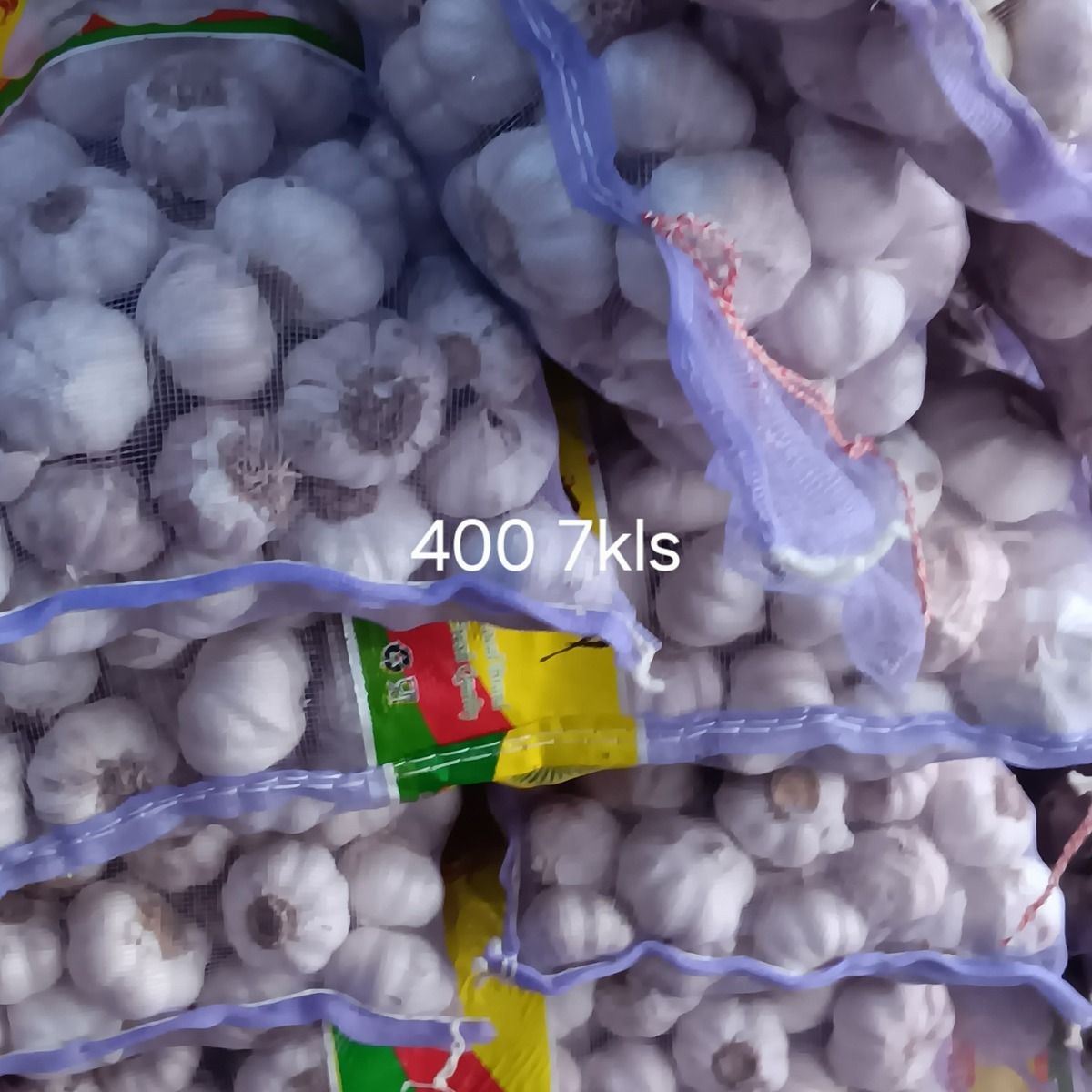


Bawang in Tagalog, ahos in Bisaya: whatever you call it, garlic finds its way into almost every Filipino meal, from sinangag in the morning and adobo at lunch to toasted bits on a bowl of arroz caldo at night. On FarmyHub, growers and traders list whole garlic bulbs by the kilo, by the bag and in bulk lots, so households and food businesses can buy at the volume they need.
Native garlic: smaller bulbs and cloves with a stronger aroma, grown mainly in Ilocos, Mindoro and Batanes; it usually costs more per kilo
Imported garlic: larger, milder bulbs that are easier to peel, sold in most public markets
Peeled garlic: ready-to-use cloves for restaurants and caterers that want to save prep time
The mix of listings changes with the harvest and each seller's stock, so what you see depends on what sellers currently have available.
Carinderias and food chains ordering by the sack, market vendors restocking their stalls, caterers and makers of longganisa, chili garlic and other sauces, and home cooks stocking up for the month.
Sellers set their own price per kilo, minimum order and delivery area, and FarmyHub only connects you with them; we don't grow, store or grade the garlic ourselves. Ask whether it's native or imported, how dry and firm the bulbs are, and whether the price is for whole bulbs or peeled cloves. To compare sellers side by side, see our guide to garlic suppliers in the Philippines, with each seller's price per kilo, minimum order and location.
Cooking with more than garlic? Browse Onions for red and white sibuyas, or Ginger (luya) for your tinola and salabat. If you need help finding a garlic supplier near you, FarmyHub's customer support team is happy to point you in the right direction.


