

Fish Farming in the Philippines: How to Start a Tilapia or Bangus Farm in 10 Steps (2026 Guide)
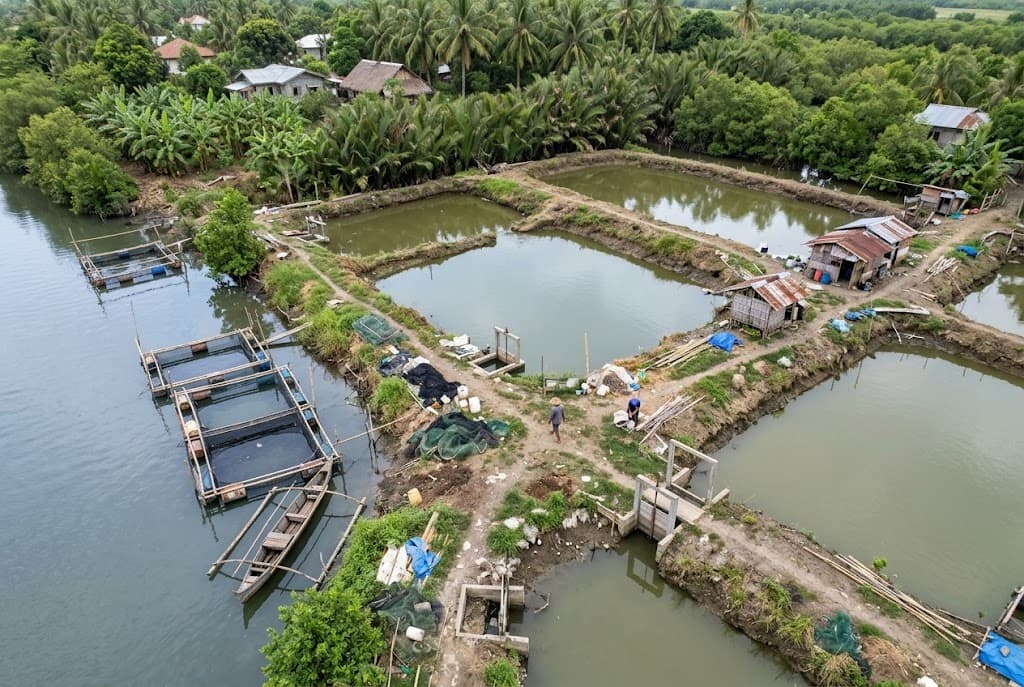
Fish farming in the Philippines is a big industry: fish farms and seaweed farms produced about 2.18 million metric tons in 2025, more than half of all the fish and seafood in the country. Most new fish farmers start with tilapia and bangus, because the fingerlings are easy to get and the fish sell well. This guide shows you how farming fish works, step by step, from choosing your fish and planning your fishpond layout to feeding, harvesting and finding buyers. Whether you want to try tilapia farming in a small pond, start a bangus cage farm, or learn about the fish farming industry for school, this guide to fish farming in the Philippines covers it.
In this guide | Short answer |
|---|---|
Fish farming is the fish part of aquaculture. Aquaculture produced 2.18 million metric tons in 2025, 55.1% of Philippine fisheries output. | |
Tidal bangus ponds existed before 1521; scientific fish farming began with the first fisheries school (1946) and tilapia (1950). | |
Tilapia for freshwater, bangus for brackish water and sea cages. | |
Ponds, cages, pens, tanks, biofloc, aquaponics and integrated farming. | |
Nursery, transition, rearing (about 80% of the area) and catching ponds, plus dikes and gates. | |
Choose the fish, check the site, get permits, prepare the pond, stock, feed, manage the water, harvest and sell. | |
Feed is the biggest cost: 56.9% of the costs of a 1-hectare tilapia pond in 2019. | |
Tilapia: 4 to 6 months to 150–300 g. Bangus in sea cages: 120 to 150 days to 400–500 g. | |
Aquaculture, palaisdaan, harvest times, fish farming at home and more. |
What Is Fish Farming (Aquaculture)? |
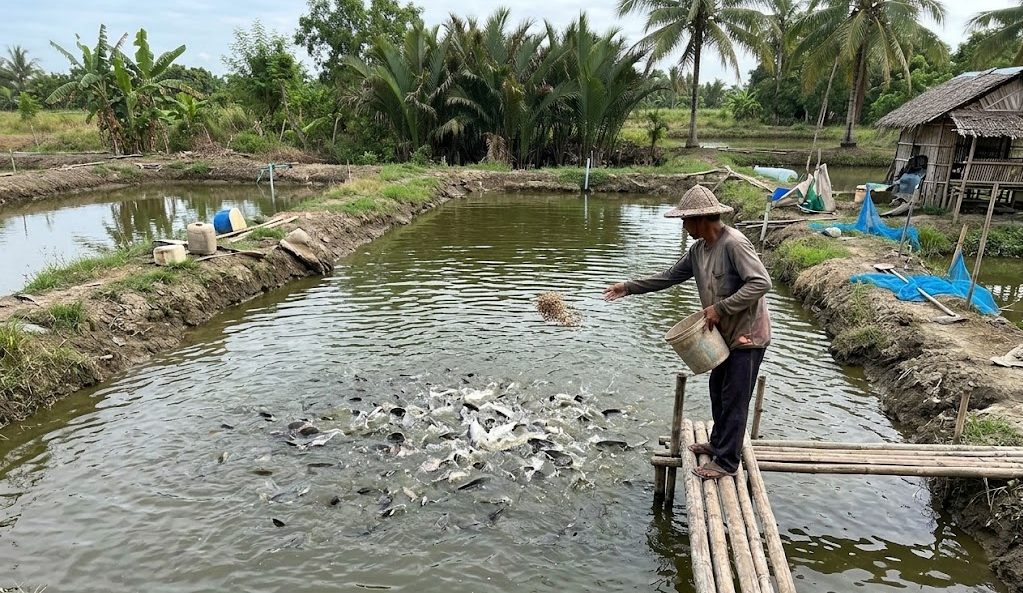
Before starting a farm, it helps to understand what is aquaculture. According to the Food and Agriculture Organization (FAO), aquaculture is the farming of aquatic organisms such as fish, molluscs, crustaceans and aquatic plants, with some help from the farmer, such as regular stocking, feeding and protection from predators. That is also the simplest fish farming definition: fish farming is the fish part of aquaculture, the farming of fish under controlled conditions.
In everyday use, aquaculture and fish farming mean almost the same thing. Fish farming and aquaculture both describe raising fish in ponds, cages or tanks, but aquaculture also covers shrimp, shellfish and seaweed. So the fish farming meaning is narrower: in the Philippines, fish farming aquaculture mostly means tilapia, bangus and hito. When people ask what is aquaculture and fisheries, fisheries usually means catching wild fish, while aquaculture means growing them.
Aquaculture in the Philippines in Numbers
What is aquaculture industry in the Philippines? It is a big part of the national food supply, local jobs and rural livelihoods. In 2025, the Philippine Statistics Authority (PSA) reported that aquaculture farms produced about 2.18 million metric tons, 55.1% of all fisheries output in the country. Milkfish (bangus) production reached 402,860 metric tons and tilapia 319,336 metric tons, which makes them the two biggest fish in aquaculture Philippines-wide.
There are three main types of aquaculture systems, based on the water used (this answers what is aquaculture system and what is brackish water aquaculture in most school lessons):
Freshwater aquaculture: farming fish in rivers, lakes, dams or land-based freshwater ponds.
Brackish water aquaculture: farming fish in water that mixes fresh water and seawater, like coastal tidal ponds and estuaries.
Marine aquaculture (mariculture): farming fish in the sea, for example in sea cages.
Why fish farming is important: the purpose of aquaculture is to supply affordable fish for a growing population while taking pressure off wild fish. Key fish farming advantages include planned harvests, controlled growing conditions and steady work in rural areas.
How Did Fish Farming Start in the Philippines? |
A common school question is “how does scientific fish farming in our country have started?” Coastal communities have practiced farming fish for centuries. According to the FAO overview of Philippine aquaculture, the first Philippine fishponds were brackish ponds where wild milkfish fry were brought in by the tides. The practice probably came from Madura or East Java, and there were probably fishponds on Mactan when Magellan arrived in 1521.
Scientific fish farming developed in the 20th century:
1946: Deogracias Villadolid helped found the Philippine Institute of Fisheries Technology, the country’s first fisheries school.
1950: Villadolid introduced tilapia farming, starting with Mozambique tilapia (Oreochromis mossambicus) from Thailand.
Early 1970s: milkfish pens spread in Laguna de Bay (FAO).
1988–1997: GIFT (Genetically Improved Farmed Tilapia) was developed in the Philippines by ICLARM (now WorldFish) and partners from Nile tilapia, and BFAR and the Freshwater Aquaculture Center of CLSU distributed it (WorldFish GIFT report).
Best Fish to Farm in the Philippines |
Selecting the right fishpond fish depends on your location, water supply and budget. If you are asking which fish farming is best, tilapia farming and bangus farming are the two top choices for Filipino farmers.
Fish | Water | Farmed in | Time to harvest | Harvest size | Good to know |
|---|---|---|---|---|---|
Tilapia | Freshwater | Ponds, cages, tanks | 4–6 months | 150–300 g | Easiest to start with; the GIFT strain was developed in the Philippines |
Bangus (milkfish) | Brackish and marine | Brackish ponds, sea cages, pens | 120–150 days in sea cages | 400–500 g in cages | Fry come from hatcheries; two crops a year in cages |
Hito (catfish) | Freshwater | Ponds, tanks | Ask BFAR or SEAFDEC | — | Mostly African catfish; SEAFDEC does not encourage raising it in natural waters |
Pangasius (cream dory) | Freshwater | Land-based ponds only | Ask BFAR | — | BFAR allows grow-out only in ponds not prone to flooding |
Sources: SEAFDEC (tilapia, milkfish, African catfish) and BFAR FAO No. 243.
Tilapia Farming (Freshwater Choice)
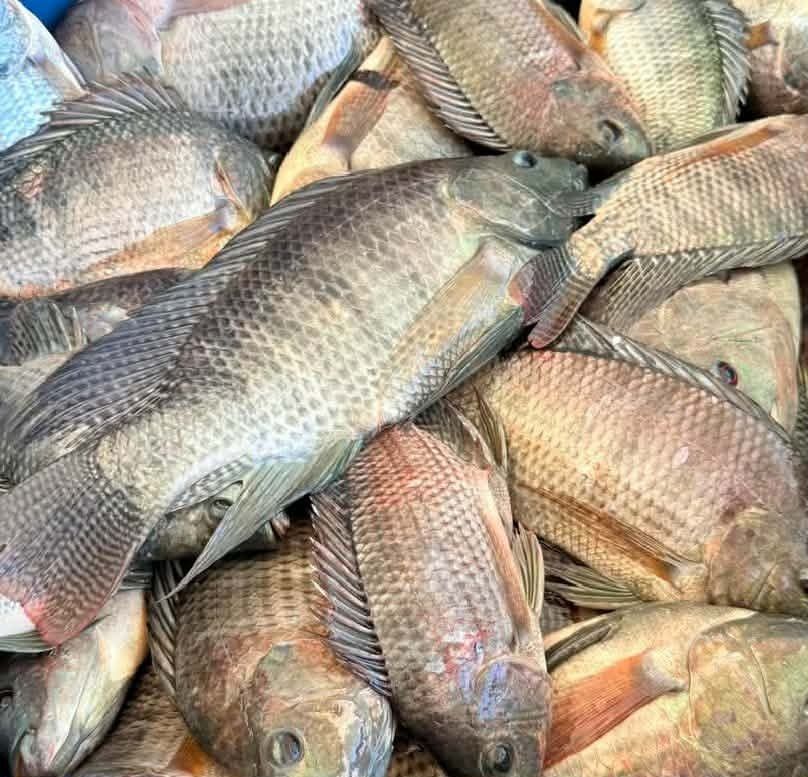
Tilapia farming in the Philippines is ideal for beginners because Nile tilapia are hardy and grow fast. Fish farming tilapia works in freshwater ponds, lake cages or land-based tanks, and SEAFDEC puts the harvest at 150–300 g after 4 to 6 months. Tilapia culture is also well documented, from breeding to grow-out, so beginners can learn it step by step.
Bangus Farming (Brackish and Marine Choice)
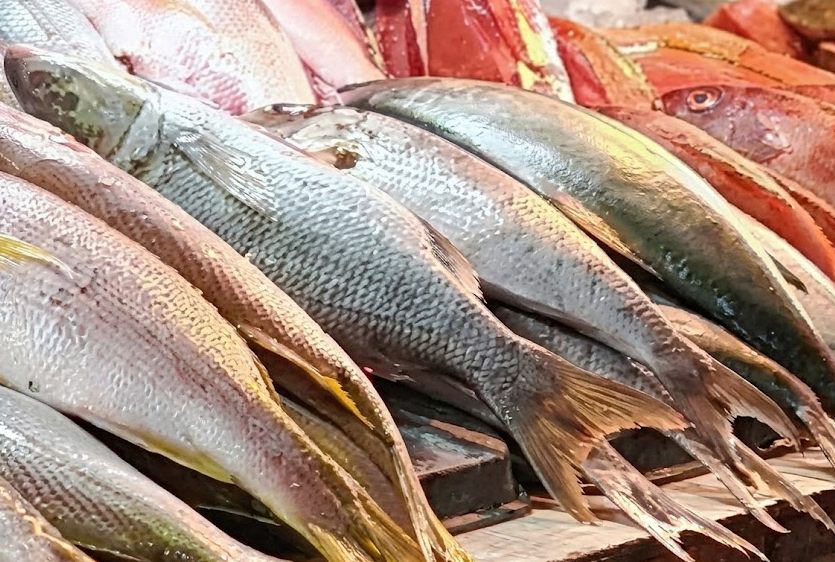
Milkfish farming in the Philippines is a major business in coastal provinces, and bangus farming Philippines-wide happens in brackish water ponds, sea cages and pens. Bangus culture in sea cages reaches 400–500 g in 120 to 150 days, with two crops a year, according to SEAFDEC.
Hito Farming
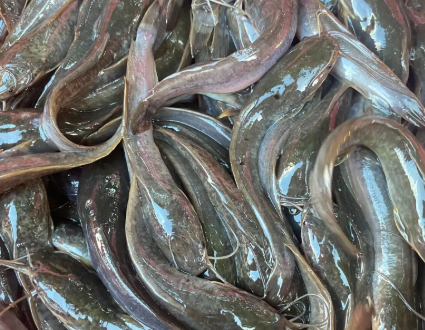
For catfish farming in the Philippines, farmers raise hito. You can stock hito fingerlings in earthen ponds or backyard concrete tanks. SEAFDEC does not encourage raising African catfish in natural waters, because it harms native species, so keep them in contained ponds or tanks.
Pangasius Farming
Pangasius farming suits land-based freshwater ponds. Under BFAR Fisheries Administrative Order No. 243, pangasius grow-out is allowed only in land-based fishponds in areas not prone to flooding.
Fish Farming Methods: Ponds, Cages, Pens, Tanks and More |
Choosing the right type of fish farming depends on your land, water and budget. These are the main fish farming methods in the Philippines:
Method | How it works | Good for | What to watch out for |
|---|---|---|---|
Fishponds (pond culture) | Earthen or lined ponds with gates that control the water coming in and going out | Tilapia, bangus, hito, pangasius | Needs a reliable water source and regular dike repairs |
Fish cages (lakes and sea) | Net enclosures floating in lakes or sea bays | Tilapia in lakes, bangus in the sea | Water pollution, algal blooms and high feed use |
Fish pens (pen culture fish farming) | Net enclosures staked into shallow lake or coastal beds | Bangus, tilapia | Storm damage and conflicts over water use |
Tanks (fish farming in tank) | Concrete, fiberglass or plastic tanks on land, including backyard setups | Backyard tilapia farming, hito | Needs aeration and steady power for pumps |
Biofloc | Bacteria turn fish waste into floating “flocs” that the fish eat, with little or no water exchange | Intensive biofloc tilapia farming | Needs technical skill and steady power |
Aquaponics | Water circulates between fish tanks and vegetable beds | Small-scale farming with fish aquaponics | Water chemistry must stay balanced |
Integrated fish farming | Fish ponds combined with rice fields or poultry houses | Farming with fish and crops or poultry | Biosecurity between the animals and the fish |
Fishpond Culture (Pond System)
Fish pond culture, also called fishpond culture or the fishpond system, is the traditional approach and the main form of fishpond aquaculture in the Philippines. In a farming fish pond, earthen dikes and water gates control the water exchange. A farm with fish pond compartments also needs supply and drainage canals. The best pond for fish farming has clay soil that holds water and a site that does not flood.
Fish Cage Culture
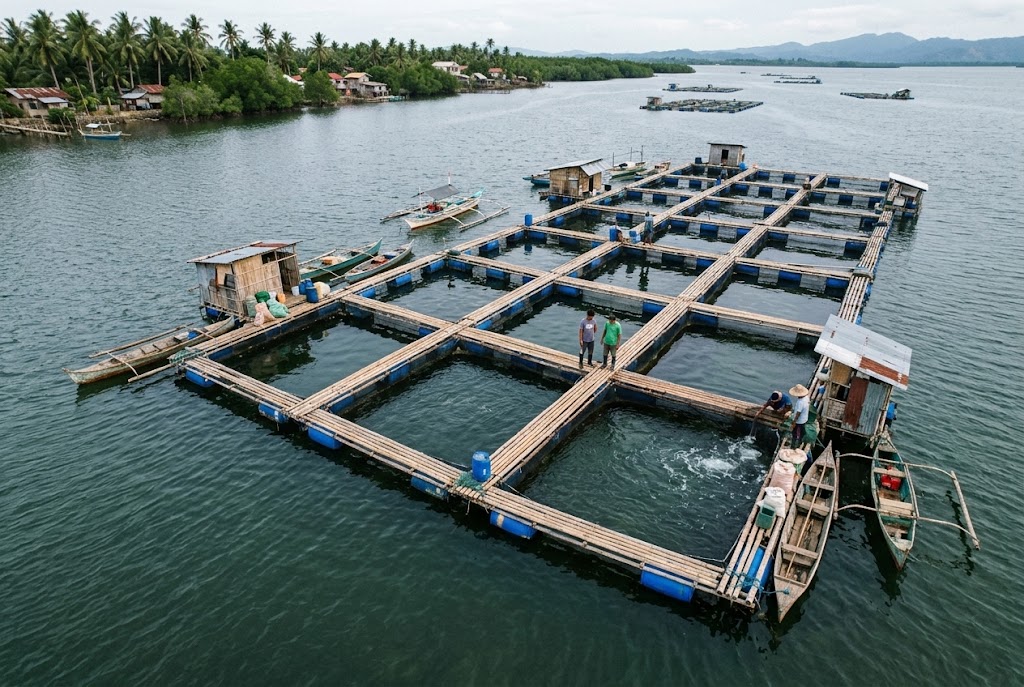
Fish cage culture uses floating net frames in lakes and the sea. Bangus cage culture in marine bays and tilapia cages in lakes are the most common fish cages in the Philippines. A cage for fish farming in the sea needs a good site: for milkfish cages, SEAFDEC recommends water at least 10 meters deep at the lowest low tide, with good water flow. Fish farming cages allow many fish in a small area, so feeding and oxygen need close watching.
Backyard and Tank Farming
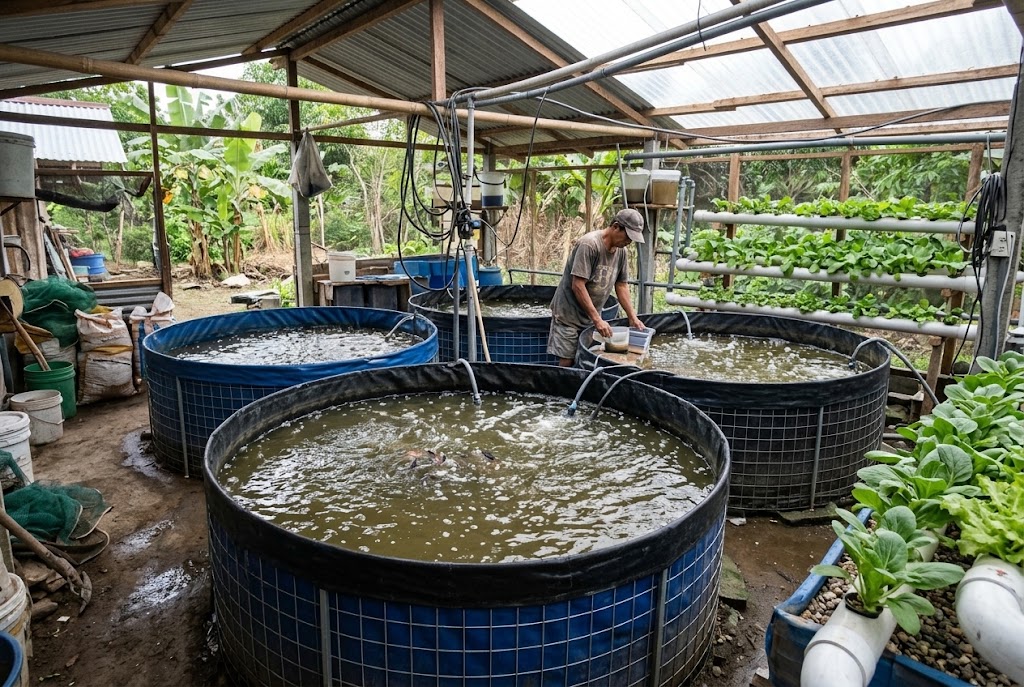
If you ask can you farm fish at home, the answer is yes. Backyard fish farming in tanks or small lined ponds is a popular way to start, and backyard tilapia farming can give a family fresh fish or a little extra income from local sales. How to farm fish at home: start small, use a tank with an aerator, and choose a hardy fish such as tilapia or hito.
Biofloc, Aquaponics and Integrated Fish Farming
Biofloc adds a carbon source to the water so that bacteria turn fish waste into floating “flocs” that the fish eat, with little or no water exchange. Aquaponics in the Philippines combines fish tanks with vegetable beds: the fish water feeds the plants. Integrated fish farming pairs fish ponds with rice fields or duck and chicken houses, so one farm produces more than one product.
Fishpond Layout: The Parts of a Fishpond (Palaisdaan) |
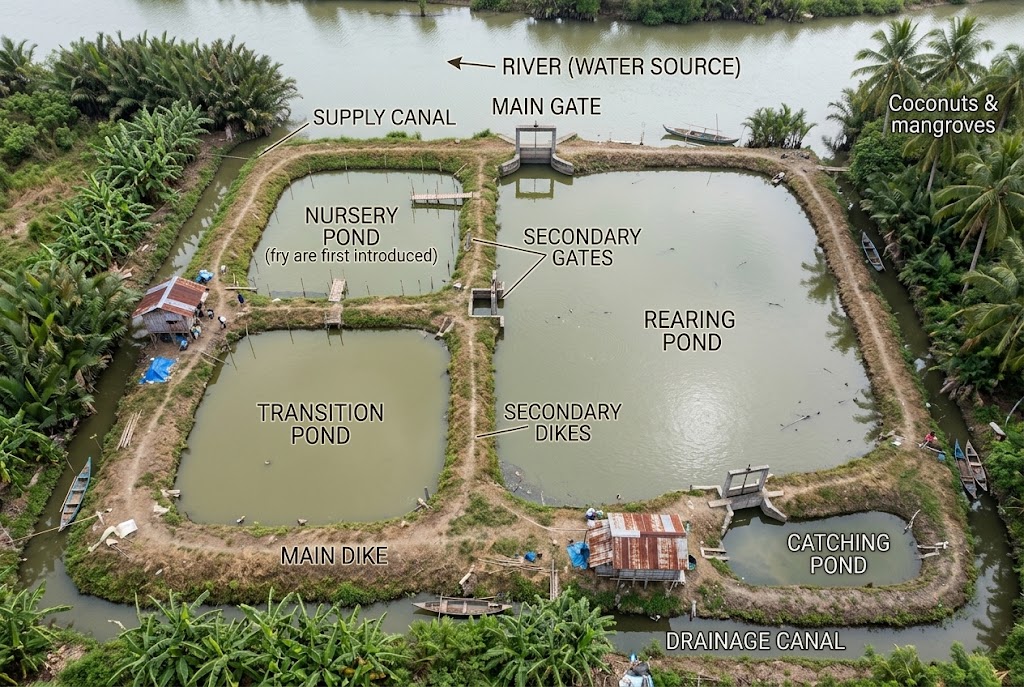
A fishpond is called palaisdaan in Tagalog (the root word is isda, fish). So if you look up fishpond in Tagalog, palaisdaan is the word, and the fishpond meaning is simple: a man-made pond where fish are raised. Knowing the fishpond layout with label and good fishpond design matters for every farm plan, and the fishpond layout is also part of the Grade 6 TLE fish raising lessons (fish raising TLE 6).
The fishpond diagram above shows the parts of a typical fishpond in the Philippines. Good fish farming design starts with this layout. According to the FAO Fishpond Engineering manual, a fishpond farm divides its production area like this:
Part | Share of the area | What it does |
|---|---|---|
Nursery pond | 1–4% of the production area | Fry stay here for at least 30 days |
Transition pond | About 10% | Young fish grow here before they move to the rearing pond |
Rearing (grow-out) pond | About 80% | The largest part, where fish grow to harvest size |
Catching pond | About 2% of a nursery or transition pond, 1–1.5% of a rearing pond | A small pond near the gate where fish gather at harvest |
Dikes | About 10% of the area | Hold the water and divide the compartments |
Other parts of a typical fishpond (bangus or tilapia):
Fishpond dike: the outer main dikes keep out floods, while the inner secondary dikes divide the compartments.
Fishpond gate: the main gate lets water in from the river or the sea, while secondary gates move water between ponds.
Supply and drainage canals: separate canals bring in clean water and drain the ponds at harvest.
How to Start Fish Farming in the Philippines: 10 Steps |
Follow these ten steps if you want to know how to become a fish farmer and start your first pond, cage or tank farm. The same steps show how to start tilapia farming, the easiest fish for beginners.
Step 1: Choose Your Fish and System
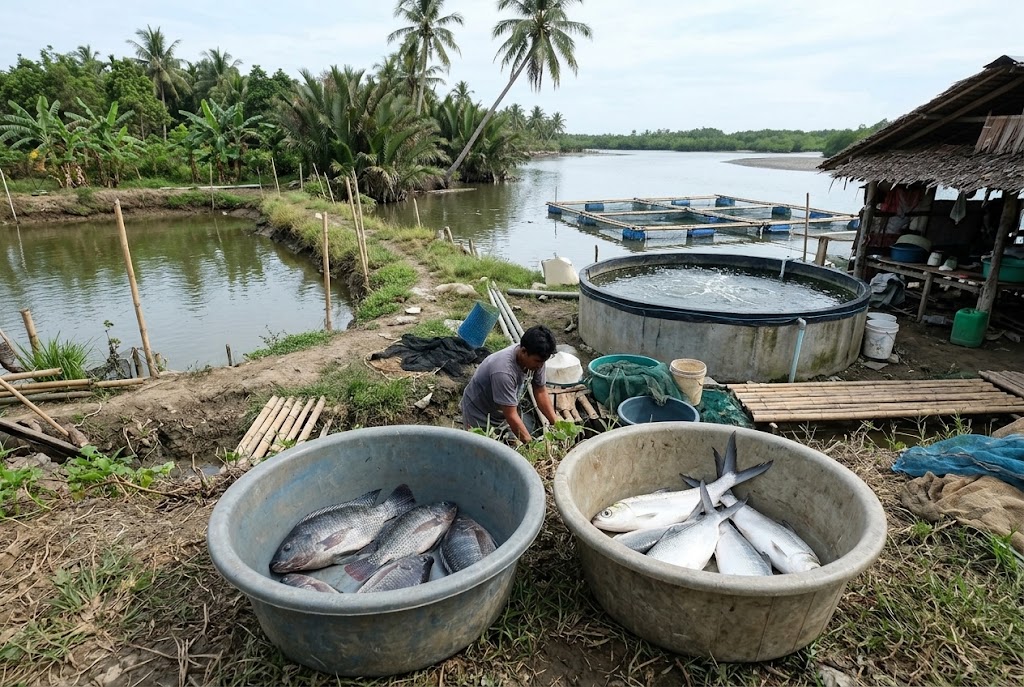
Decide whether you will raise tilapia or bangus based on your location and water type. Then choose a system that fits your budget: an earthen tilapia pond, sea cages for bangus, or concrete tanks for home production.
Step 2: Check the Site and the Water
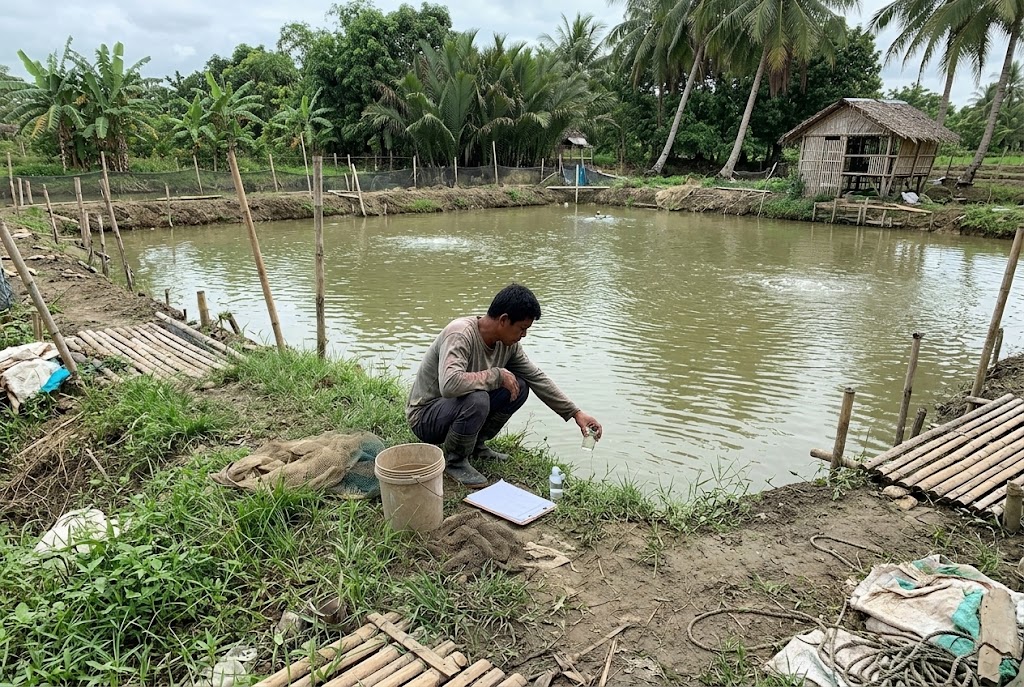
Choose a site with flat ground, clay soil that holds water, and no pollution from factories or towns. Make sure your water supply stays reliable during the hot, dry months, and check whether the area floods. Keep an eye on climate cycles such as El Niño, which bring higher water temperatures and less water.
Step 3: Register and Get Permits

To run your fish farm legally:
Register as a farmer or fisherfolk through RSBSA registration at your City or Municipal Agriculture Office.
Register with BFAR’s FishR fisherfolk registry.
Get a mayor’s permit and barangay clearance for your business.
If you will use public land or public waters, apply for a Fishpond Lease Agreement (FLA) with BFAR; an FLA runs for 25 years. A fishpond lease agreement in the Philippines is only for public land; if you plan to buy private land, read our guide to buying farmland.
Step 4: Build or Prepare the Fishpond
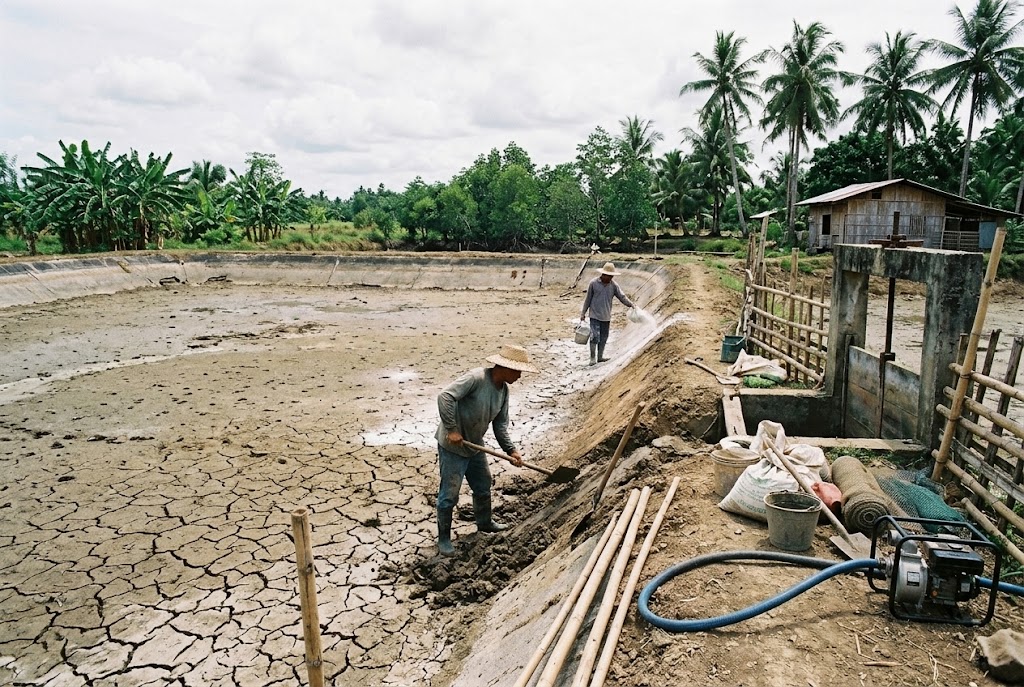
For a new pond, fish pond construction means clearing the area, shaping the dikes and installing the gates. For an existing pond, do a full fishpond preparation: drain it, dry the bottom until the soil cracks, and add lime if the soil is acidic. SEAFDEC advises stocking tilapia only when the pond water has a pH above 7.5 and alkalinity above 50 mg/L. Then add organic fertilizer so natural food (plankton) can grow. This is also how to make fishpond for tilapia from an old pond.
You will also need basic fish farming tools and equipment: nets, buckets, a scale to weigh sample fish, a water pump and, for intensive ponds, an aerator.
Step 5: Get Healthy Fingerlings
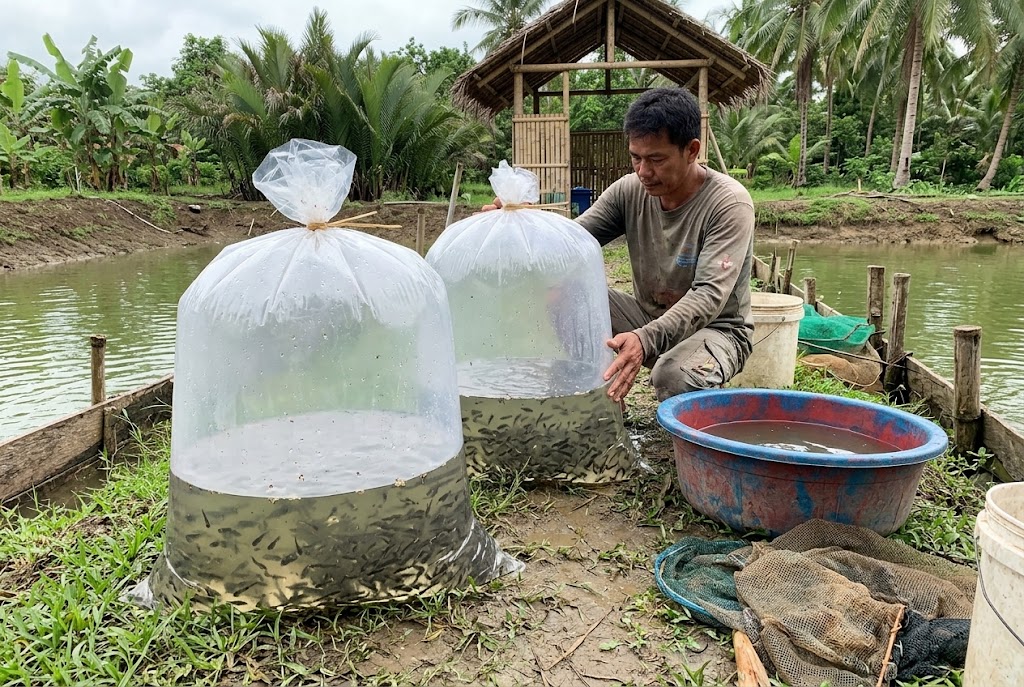
Buy healthy fish fingerlings (young fish a few centimeters long) or tilapia fingerlings from BFAR or accredited hatcheries. For milkfish, get bangus fry (newly hatched fish) or bangus fingerlings from hatcheries. SEAFDEC moves tilapia fingerlings to grow-out when they are 37–46 mm long. If you raise catfish, FarmyHub has a seller of hito fingerlings.
Step 6: Stock at the Right Density
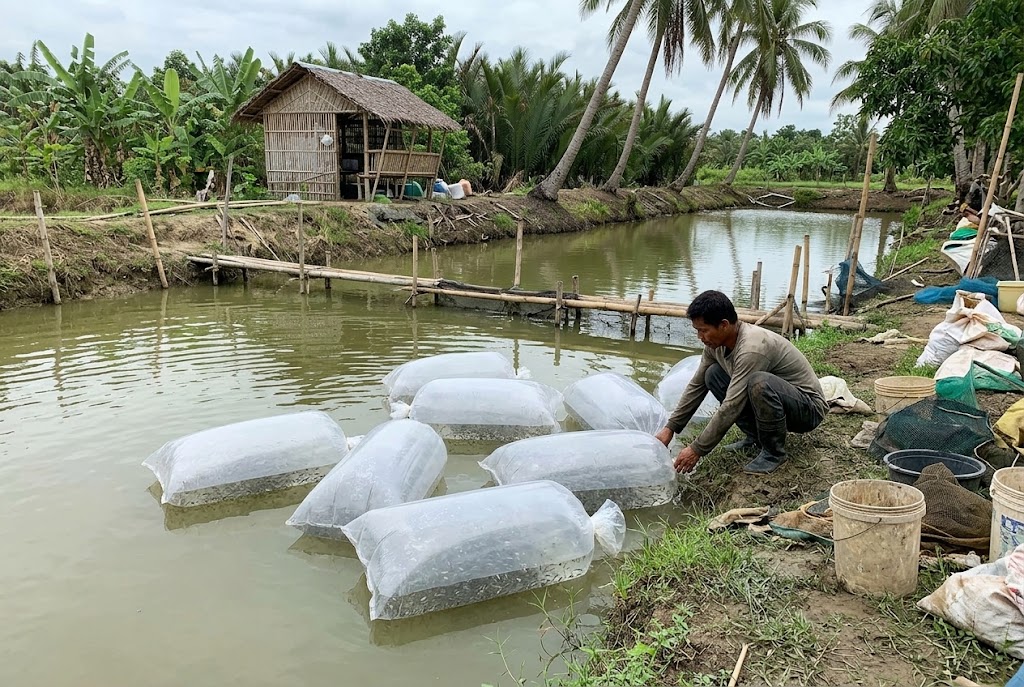
Stocking density is the number of fish per square meter of pond. Follow the densities that SEAFDEC recommends for tilapia ponds:
Extensive ponds: 1 to 2 fingerlings per m²
Semi-intensive ponds: 3 to 4 fingerlings per m²
Intensive ponds: 5 to 10 fingerlings per m²
Let the fingerling bags float in the pond for a while before you release the fish, so the water temperature in the bags can even out.
Step 7: Feed Your Fish
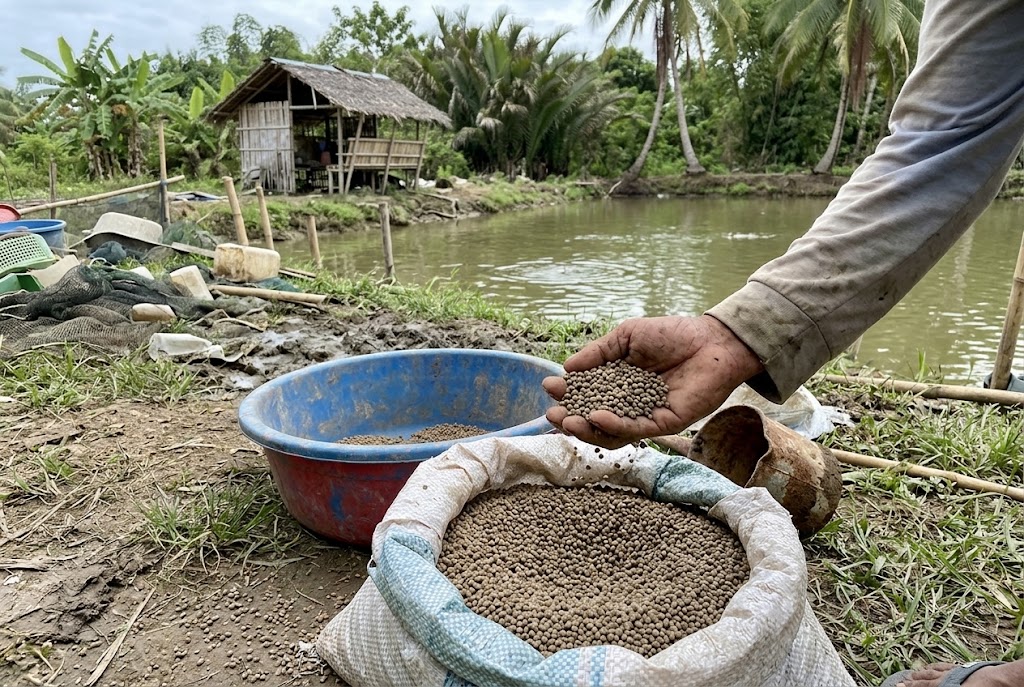
Fish feed is the biggest cost in fish farming: according to SEAFDEC, feeds are more than 50–60% of total aquaculture costs. Use commercial tilapia feeds or bangus feeds made for each growth stage, and feed by body weight:
Tilapia in semi-intensive ponds: 2–3% of the fish’s total weight a day (SEAFDEC).
Tilapia in intensive ponds: 3–5% a day.
Bangus in sea cages: from 10% of body weight for 5–50 g fish down to 2.5% for fish over 500 g (SEAFDEC).
Weigh a sample of fish regularly and adjust the amount of feed to their growth and appetite.
Step 8: Manage Water and Fish Health
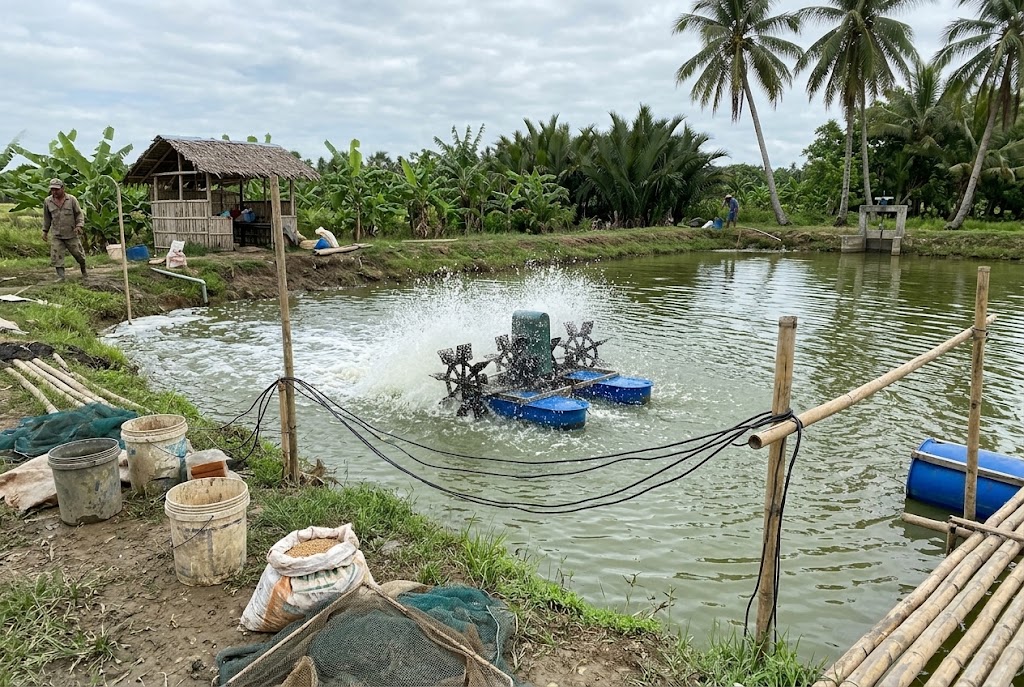
Check oxygen, pH and water temperature often, and watch the fish at dawn, when oxygen in the pond is lowest. During heatwaves or El Niño dry spells, keep the water level up and run aerators such as paddlewheels. Remove sick or dead fish quickly and ask your Municipal Agriculture Office or BFAR for help if many fish get sick.
Step 9: Harvest
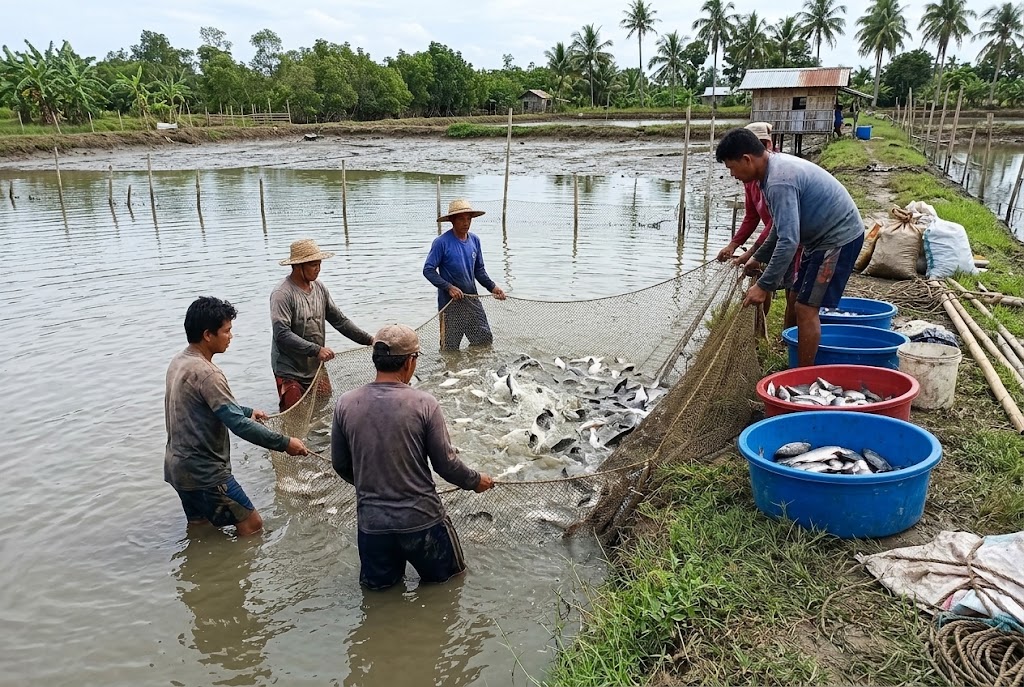
Plan your harvest when the fish reach market size:
Tilapia harvest time: 4 to 6 months, at 150–300 g (SEAFDEC).
How many months to harvest bangus: 120 to 150 days in sea cages, at 400–500 g (SEAFDEC).
Drain the pond partly and collect the fish in the catching pond with seine nets. Keep the harvest on clean ice so it stays fresh; our guide on how to know if a fish is fresh shows what buyers check.
Step 10: Sell Your Fish
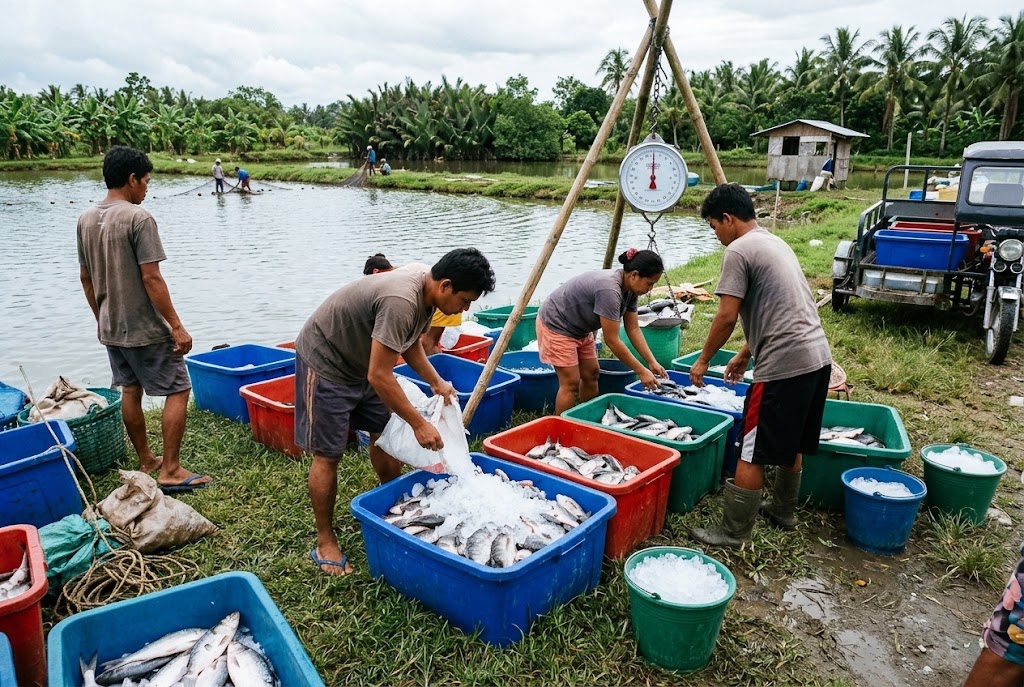
Sell your harvest to local fish traders (viajeros), public markets, restaurants or institutional buyers, or list it online. Before you agree on a price, check the fish prices in our monthly farm price report. See real examples of farmers selling on FarmyHub, like this tilapia listing and this bangus listing.
Fish Farming Costs: What to Budget For |
Starting a fish farming business needs a clear budget. Whether you start a small tilapia farming business or a bigger fishpond business in the Philippines, these are the costs to plan for. A small fish farming project, such as a backyard tank or a school project, has the same cost items, only smaller.
Cost item | What it covers |
|---|---|
Fishpond construction or lease | Digging, dikes and gates, or the FLA and land lease |
Fingerlings or fry | Young fish to stock each crop |
Feeds | The biggest running cost: more than 50–60% of total aquaculture costs (SEAFDEC) |
Labor | Feeding, guarding and pond maintenance |
Pumps and aerators | Moving water and adding oxygen, plus power or fuel |
Nets and tools | Seine nets, buckets, a scale and other fish farming tools and equipment |
Permits | Mayor’s permit, barangay clearance, BFAR registration and FLA fees |
According to the Philippine tilapia industry roadmap, running a 1-hectare tilapia fishpond cost about ₱302,000 on average in 2019, and feed was ₱172,033 of that (56.9% of production costs). So the biggest fish farming cost is feed. Prices have gone up since 2019, so use these numbers only as a guide.
How to Estimate Your Fish Farming Income
We don’t promise any income: it depends on your harvest, your losses and the price buyers pay. You can estimate it yourself:
Gross revenue = total harvest weight (kg) × the price per kg buyers pay
Net farm income = gross revenue − total costs
Check the current fish prices in our monthly farm price report before you plan.
Tilapia vs Bangus: Which Fish Farming Is Best for You? |
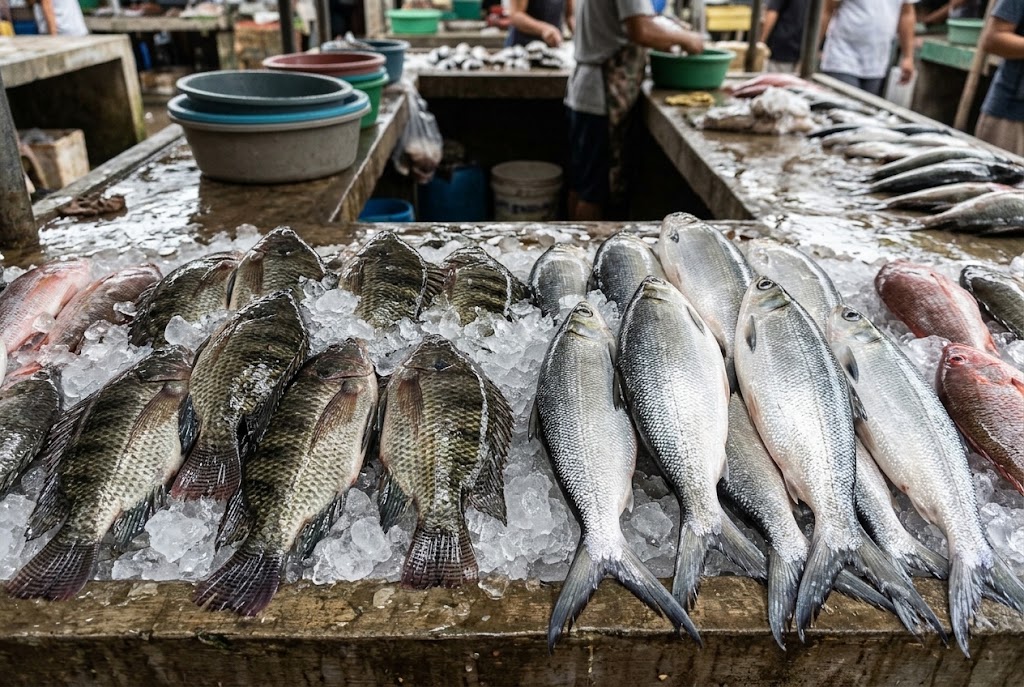
Factor | Tilapia farming | Bangus farming |
|---|---|---|
Water | Freshwater: ponds, lakes, tanks | Brackish water or seawater: ponds, sea cages |
Farming systems | Earthen ponds, lake cages, tanks | Tidal brackish ponds, sea cages, pens |
Time to harvest | 4 to 6 months | 120 to 150 days in sea cages |
Harvest size | 150 to 300 g | 400 to 500 g in cages |
Starting cost | Lower; a backyard tank is possible | Higher; needs brackish land or sea cages |
Risk | Lower for beginners: a hardy fish | Higher: needs good water and site management |
Which One to Choose
Choose tilapia if you have freshwater, a smaller budget, or want to start with a backyard farm.
Choose bangus if you have coastal land with brackish water, or the capital to run sea cages.
Frequently Asked Questions (FAQ) |
What is aquaculture (definition)?
Aquaculture is the farming of aquatic organisms such as fish, molluscs, crustaceans and aquatic plants, with help from the farmer such as stocking, feeding and protection from predators (FAO).
What is fishpond in Tagalog?
A fishpond is called palaisdaan in Tagalog, from the root word isda (fish).
How long does tilapia take to grow?
Tilapia usually takes 4 to 6 months to reach a harvest size of 150 to 300 grams (SEAFDEC).
How many months to harvest bangus?
Bangus in sea cages takes about 4 to 5 months (120 to 150 days) to reach 400 to 500 grams, so farmers can harvest two crops a year (SEAFDEC).
How did scientific fish farming start in the Philippines?
Bangus was already raised in tidal fishponds before 1521. Scientific fish farming started in the 20th century with the Philippine Institute of Fisheries Technology in 1946, tilapia farming in 1950, and the GIFT tilapia program from 1988 to 1997.
Can you farm fish at home?
Yes. You can farm fish at home in plastic or fiberglass tanks or a small concrete pond, stocked with a hardy fish such as tilapia or hito.
What is fish farming business, and is it a good business?
A fish farming business means raising fish such as tilapia or bangus to sell. Fish farming as a business can work in the Philippines because people eat a lot of fish, but your profit depends on feed costs, how many fish survive and the price you get. Plan with the cost table above; there is no guaranteed income.
Paano mag-alaga ng tilapia?
Ang pag-aalaga ng tilapia ay nagsisimula sa paghahanda ng palaisdaan, pagbili ng malulusog na fingerlings mula sa accredited na hatchery, pagpapakain ng tamang feeds araw-araw, at pagpapanatili ng malinis na tubig sa loob ng 4 hanggang 6 na buwan bago mag-ani.
Sell Your Fish on FarmyHub
Once your fish farm is producing, you can list your tilapia, bangus or hito on FarmyHub for free and reach buyers, restaurants and wholesalers across the country. Browse our fresh fish marketplace, see our guide to fish and seafood suppliers, and read more about starting a farm business in our agribusiness guide.
List your products yourself, for free. Create a free account in seconds with your Google or Facebook account, then post your listing in a few minutes. Once approved, your listing is visible to buyers, who can message or call you directly.
🌱 List your products for freeBecome a FarmyHub supplier. Tell us about your farm or business, your products and how much you can supply. Our team will contact you to learn about your business, and when a bulk buyer is looking for what you sell, we can recommend you.
🤝 Become a supplierPrefer using your phone? Download the free FarmyHub app to post listings and reply to buyers on the go.
📱 Get the app on Google PlayRegistered agriculturist, higher education instructor, and hands-on farmer. I write practical farming and agribusiness guides based on my work in the field and in the classroom.