


Looking for fresh kamias? Here you’ll find kamias, also called iba, from local farmers and sellers in the Philippines. Compare the listings, check the price per kilo and message the seller directly.
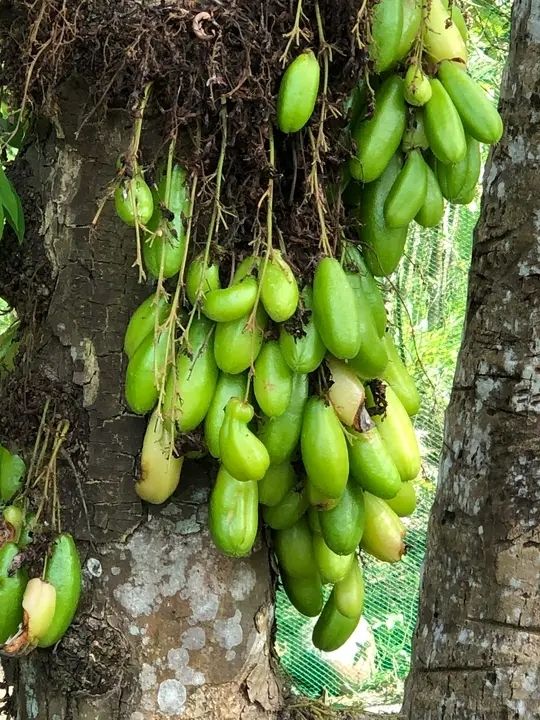
Kamias (Averrhoa bilimbi) is a small, green, very sour fruit that grows in clusters right on the trunk and branches of the tree. It’s a close relative of balimbing (starfruit). In the Visayas it’s called iba, in Ilocos pias, and some call it kalamias. In English it’s known as bilimbi, cucumber tree or tree sorrel.
Souring dishes: kamias is a classic pampaasim for sinigang and paksiw.
Eating fresh: sliced and dipped in salt.
Preserving: made into kamias candy, dried kamias, jam and juice.
Every listing shows the seller’s city or province, so you can look for kamias near you. Message the seller to ask about pickup or delivery to your area.
Color: bright green fruit is the most sour and crisp. Yellowish-green fruit is riper and softer.
Skin: smooth and shiny, with no brown spots or bruises.
Feel: firm to the touch. Soft kamias spoils quickly.
Kamias bruises easily and only keeps for a few days in the fridge. If you buy a lot, freeze it for sinigang, or dry it and make candy or jam.
On FarmyHub, kamias is currently listed at about ₱70 per kilo (October 2026). Prices depend on the season, the area and the seller, so check the unit and price on each listing.
FarmyHub is the marketplace, not the fruit seller. Every listing, price and photo comes from the seller. FarmyHub doesn’t grow, store or inspect the fruit. Before you pay, message the seller to confirm that the kamias is freshly picked, how much is available, and how and when they can deliver or meet for pickup.
Browse Calamansi, Duhat (Lomboy) and Marang, or read our guide to rare and exotic fruits in the Philippines.
Kamias is called bilimbi in English. It’s also known as cucumber tree or tree sorrel. Its scientific name is Averrhoa bilimbi.
Yes. Iba is the Visayan name and kamias is the Tagalog name for the same fruit. In Ilocos it’s called pias.
Yes. It’s usually eaten with salt because it’s very sour. It’s also very acidic, so eat it in moderation.
Kamias trees fruit several times a year, so it’s available in most months. Check the current listings to see who has it now.


