



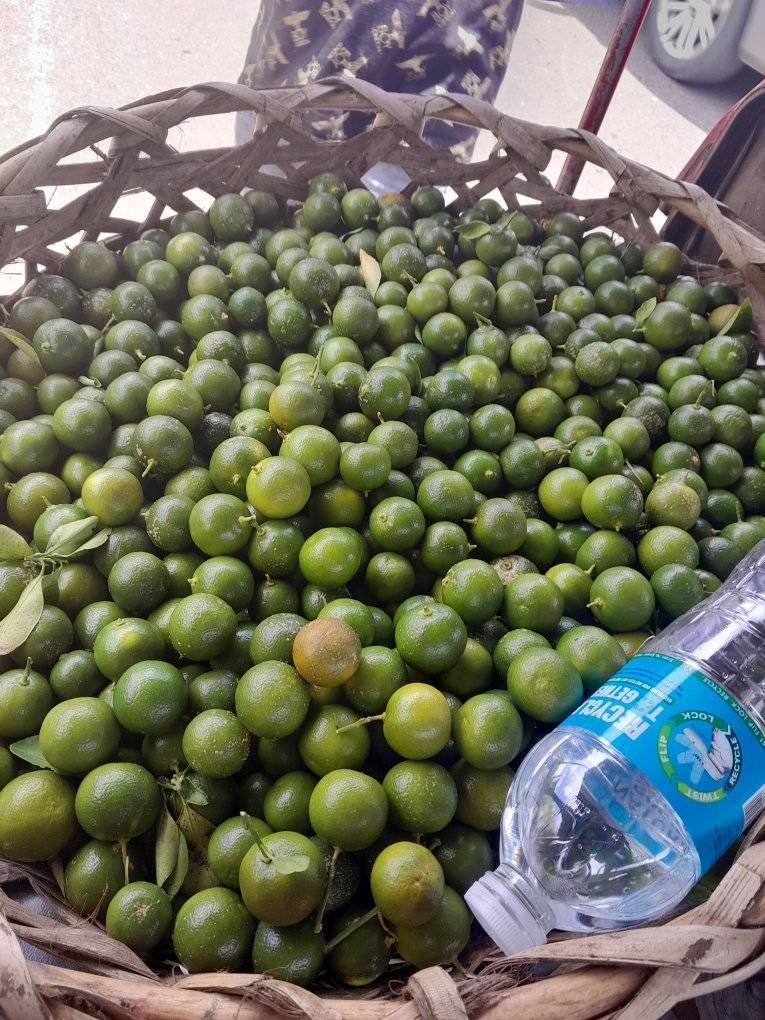
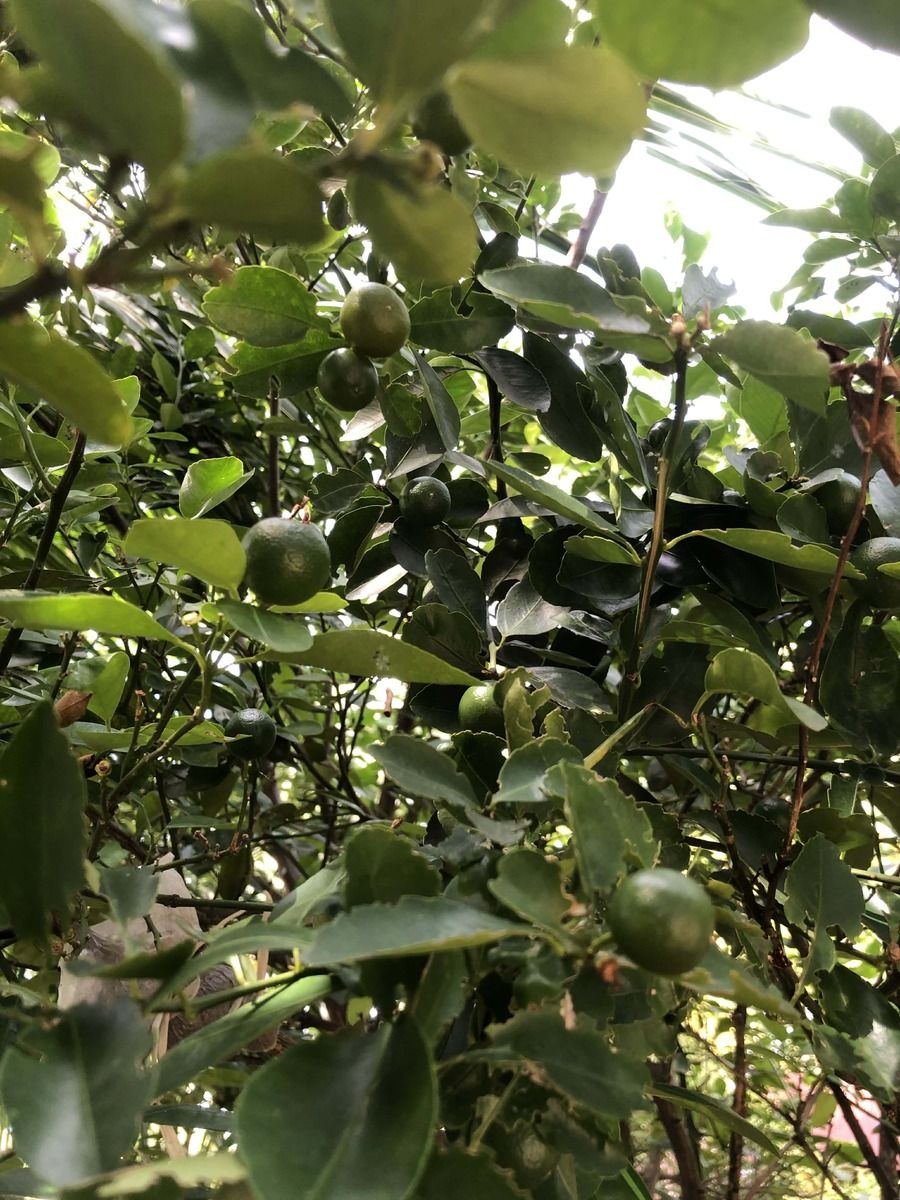
This tiny citrus fruit is a standard flavor addition in Filipino homes, bringing a distinctive tangy kick to your meals. Whether you are squeezing it over a piping hot plate of pancit, stirring it into a classic dipping sauce with soy sauce and chili, or mixing up a refreshing ice-cold juice, fresh calamansi (also spelled kalamansi, and called lemonsito in Bisaya) is sold on FarmyHub per kilo, per sack and per piece.
As of October 2026, calamansi listed on FarmyHub costs ₱50 to ₱100 per kilo, depending on the seller, the place and the size of the order. One seller sells by the 20-kilo sack, and two sell small amounts, per piece or by takal:
Location | Price per kilo | How it is sold |
|---|---|---|
Cagayan de Oro City, Misamis Oriental | ₱50 | Minimum 25 kilos; the seller offers free delivery within the city |
Zamboanga City | ₱60 | By the 20-kilo sack, ₱1,200 per sack |
Claveria, Misamis Oriental | ₱70 | One 50-kilo batch |
Hamtic, Antique | ₱100 | From 1 kilo |
Davao City | About ₱50 | ₱1 per piece, from 1 piece |
Cagayan de Oro City (sold by takal) | Ask the seller | By takal (takos); bulk orders from 50 kilos |
Each seller sets the price and it can change, so open the listing or message the seller for today’s price. For palengke prices by region, see the monthly price report. For more detail on each seller, and for calamansi drink in bulk, see the list of calamansi suppliers in the Philippines.
Calamansi, kalamansi and lemonsito are the same small, round citrus. The name changes with the language:
Language | Name |
|---|---|
English | Calamondin, Philippine lime or Philippine lemon |
Tagalog | Kalamansi (also spelled calamansi) or kalamunding |
Bisaya (Cebuano) | Lemonsito or limonsito |
Scientific name | Citrus × microcarpa |
Calamansi is not a lemon or a dayap (lime). Looking for the big yellow one? See the Lemon category.
Home cooks look for a kilo or two to make drinks or to use for daily cooking. On the other hand, restaurant owners, catering services, carinderia operators, and local bottled-juice makers look for wholesale sacks to support their food operations.
Want to grow your own? A seller in Cabanatuan City, Nueva Ecija lists grafted calamansi trees from ₱65 per seedling in the Fruit Trees category.
As of October 2026, calamansi listed on FarmyHub costs ₱50 to ₱100 per kilo. The price depends on the seller, the place and how much you order.
Sa FarmyHub, ₱50 hanggang ₱100 kada kilo ang kalamansi ngayong Oktubre 2026. Nag-iiba ang presyo depende sa seller, sa lugar at sa dami ng order.
One Zamboanga City seller lists a 20-kilo sack at ₱1,200, which is ₱60 per kilo. Sack sizes differ from seller to seller, so ask how many kilos are in the sack.
About 50 pieces, going by a Davao City seller who lists each fruit at about 20 grams. The count changes with the size of the fruit.
Calamansi is called calamondin, Philippine lime or Philippine lemon in English. Its scientific name is Citrus × microcarpa.
Lemonsito is the Bisaya name for calamansi, so it is the same fruit. In English it is calamondin or Philippine lime.
Calamansi trees bear fruit all year. The main harvest is usually from August to October, when supply is at its highest.
Deal directly with the people who have the harvest. Every farmer and vendor runs their own operation, decides their own prices, and handles their own deliveries. When you find a listing that fits your needs, hit the chat icon to speak directly with the owner, settle on a payment method, and figure out the best way to get your items.


