

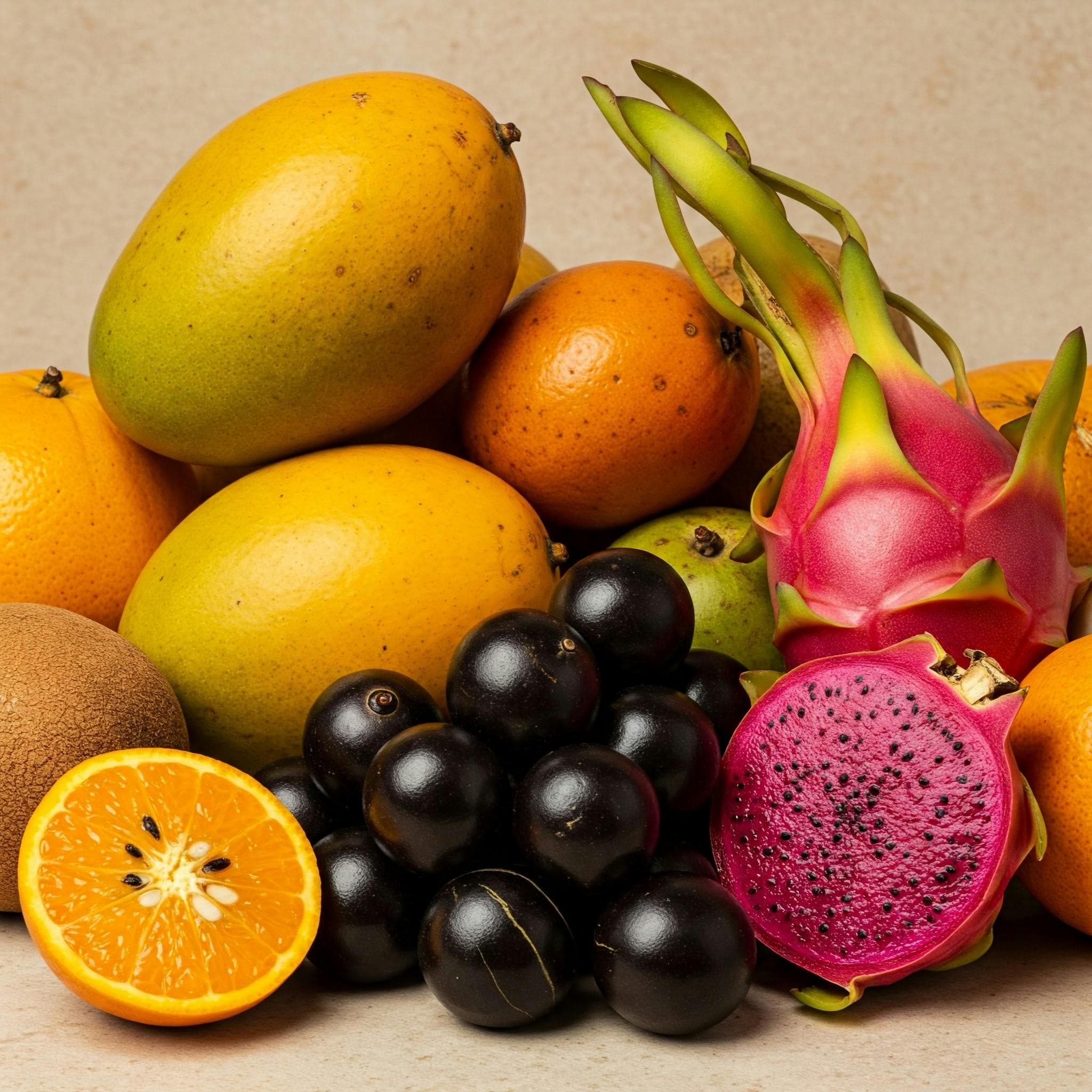
12 Rare and Exotic Fruits in the Philippines: Names, Season and Where to Buy
Looking for rare and exotic fruits in the Philippines? This guide covers 12 local fruits that you won’t find in every supermarket: atis, santol, mabolo, chesa, caimito, balimbing, guyabano, marang, duhat, kamias, siniguelas and rambutan. For each one you’ll see the English name, what it tastes like, when it’s in season and where to buy the fruit or the tree. To see what sellers have right now, browse all fresh fruits and vegetables for sale on FarmyHub.
Some of them are native to the Philippines, like mabolo and marang. Others arrived from tropical America long ago and now grow in backyards all over the country, like atis and guyabano. FarmyHub does not grow or deliver the fruit. Each seller sets the price and it can change, so message the seller to confirm stock before you order.
Rare and Exotic Fruits at a Glance
Fruit | English name | Taste | Usual season | On FarmyHub (October 2026) |
|---|---|---|---|---|
1. Atis | Sugar apple, sweetsop | Very sweet and creamy | September to December | Grafted trees, ₱70 to ₱310 |
2. Santol | Cotton fruit | Sour to sweet, cottony pulp | July to September | Grafted tree, ₱310 |
3. Mabolo | Velvet apple | Mildly sweet and creamy | June to September | No seller yet |
4. Chesa (tiesa) | Canistel, egg fruit | Sweet, dry and mealy | No fixed season | No seller yet |
5. Caimito | Star apple | Sweet, soft and milky | January to March | Trees and seedlings, ₱160 to ₱180 |
6. Balimbing | Star fruit, carambola | Crisp and juicy, sour to mildly sweet | Most of the year, more from May to August | Seedlings, ₱300 |
7. Guyabano | Soursop | Sweet-sour, soft and juicy | Most of the year, peak August to November | Fruit, ₱30 to ₱100 per kilo |
8. Marang | Marang | Very sweet and creamy | August to October | Fruit, ₱50 to ₱150 per kilo |
9. Duhat | Java plum | Sweet and a little sour | April to July | Fruit, ₱140 per kilo |
10. Kamias | Bilimbi | Very sour | Most of the year | Fruit, ₱70 per kilo |
11. Siniguelas | Spanish plum | Sour when green, sweet when ripe | April to June | Fruit, ₱100 per kilo |
12. Rambutan | Rambutan | Sweet and juicy | August to October | Fruit, ₱35 per kilo by the box |
Seasons are the usual months and shift with the area and the weather. Prices are what sellers listed on FarmyHub as of October 2026.
7 Rare Filipino Fruits: Names, Taste and Season
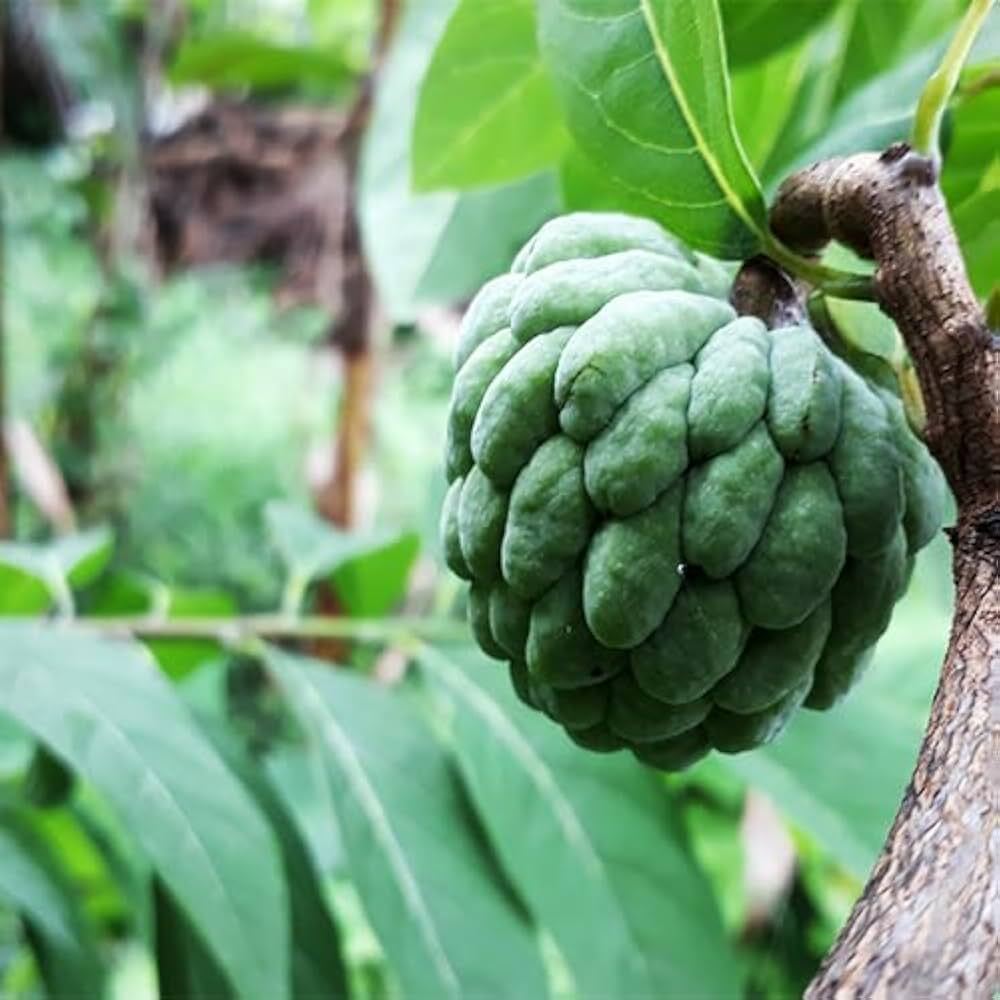
1. Atis (Sugar Apple) - Sweet, Creamy and Full of Seeds
Atis is a round, knobby green fruit about the size of a fist. When it’s ripe, the bumpy segments pull apart easily. Inside is soft white flesh that is very sweet and creamy, wrapped around many shiny black seeds. Eat it fresh and spit out the seeds. Atis bruises fast and doesn’t travel well, which is why you rarely see it in supermarkets.
🏷️ English Name: Sugar apple or sweetsop. It’s often called custard apple too, though that name strictly belongs to anonas, a close relative.
😋 Taste: Very sweet and creamy, a bit like custard.
📅 Season: Usually around September to December, depending on the area.
🛒 On FarmyHub: No fresh atis seller yet. Grafted atis trees are listed at ₱70 to ₱310 each, including a seedless variety (as of October 2026).
View the Seedless Atis Tree Listing →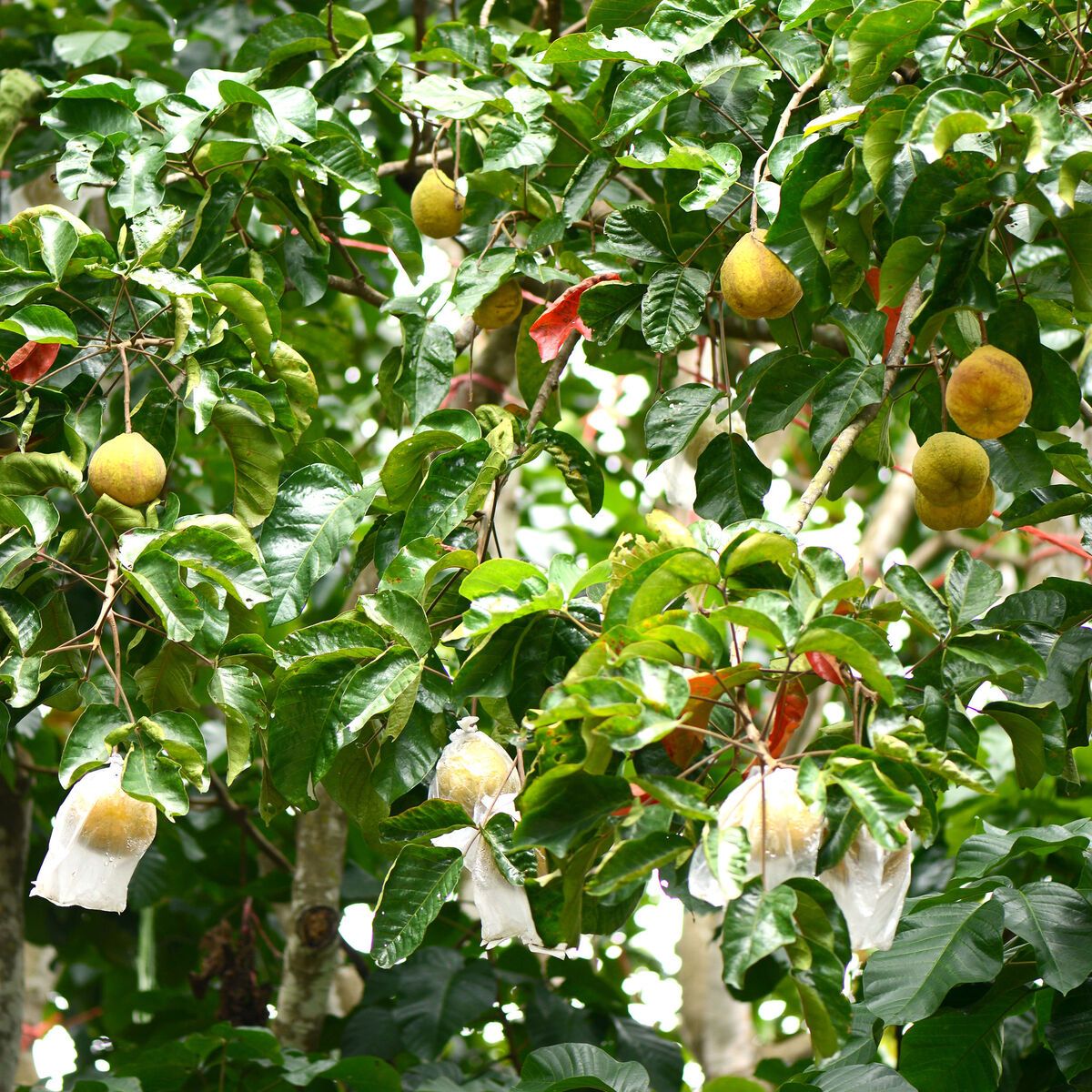
2. Santol (Cotton Fruit) - Sour-Sweet Pulp You Don’t Bite
Santol is a round fruit with a thick, yellow to golden-brown rind. Inside are a few large seeds covered in white, cottony pulp that you suck on, not bite. Native santol is small and sour. The Bangkok variety is bigger and sweeter. Don’t swallow the seeds: they are large and slippery and can get stuck in the gut. The rind is cooked too, most famously in coconut milk as sinantolan.
🏷️ English Name: Cotton fruit. Most people, here and abroad, simply call it santol.
😋 Taste: From sour to sweet, depending on the variety and how ripe it is.
📅 Season: Usually around July to September.
🛒 On FarmyHub: No fresh santol seller yet. A grafted Bangkok santol tree is listed at ₱310 (as of October 2026).
View the Santol Tree Listing →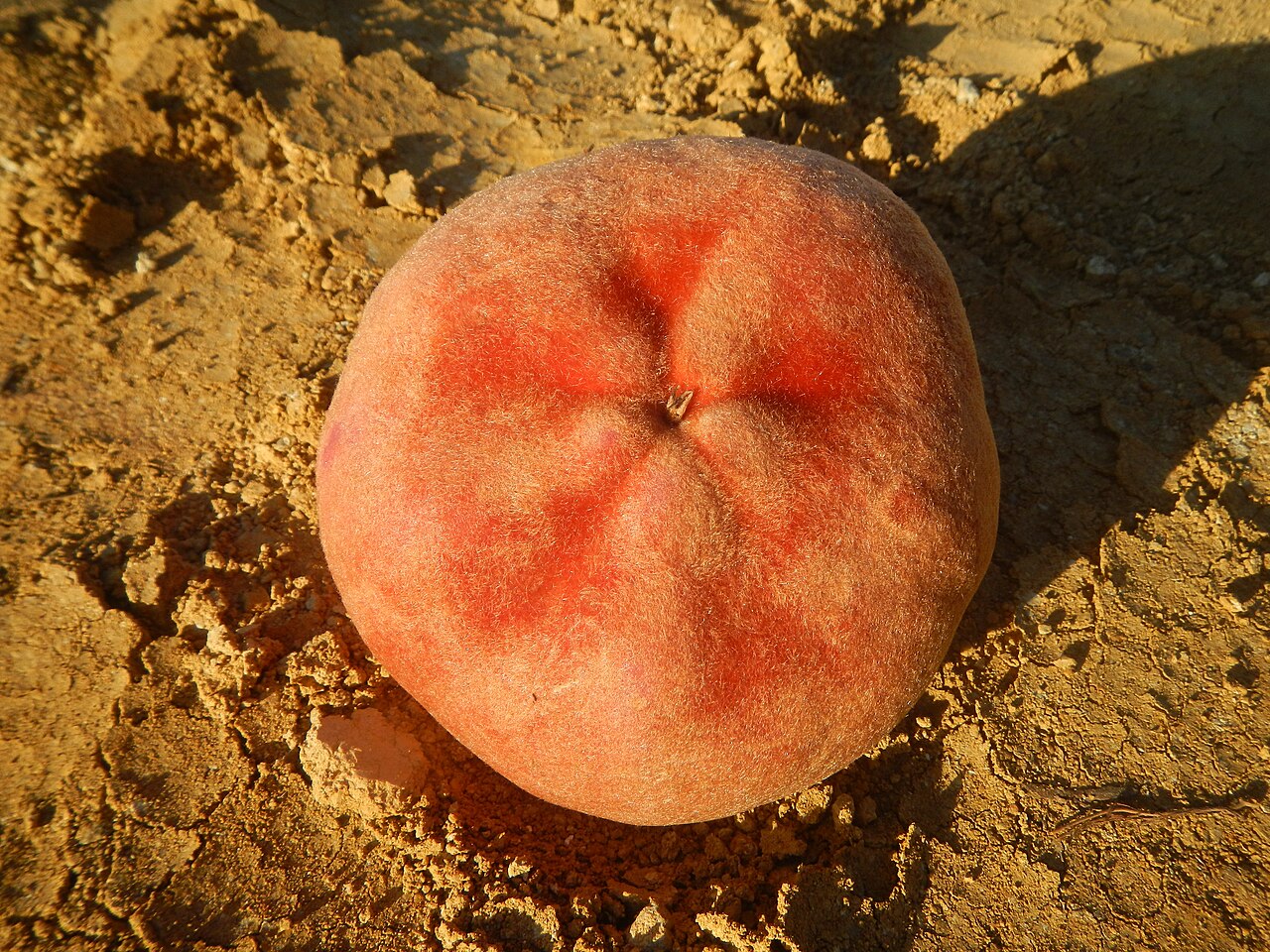
3. Mabolo (Velvet Apple) - The Fuzzy Fruit of the Kamagong Tree
Mabolo is the fruit of the kamagong tree, the same tree known for its dark, very hard wood. The fruit is round and covered in fine reddish-brown hairs that feel like velvet, which is where the English name comes from. Under the skin is firm, creamy white flesh. Peel it before eating: the skin has a strong, cheese-like smell that goes away once it’s removed. The tree is native to the Philippines.
🏷️ English Name: Velvet apple. The tree itself is called kamagong.
😋 Taste: Mildly sweet and creamy.
📅 Season: Usually around June to September.
🛒 On FarmyHub: No seller yet.
4. Chesa or Tiesa (Canistel) - The Fruit That Eats Like Egg Yolk
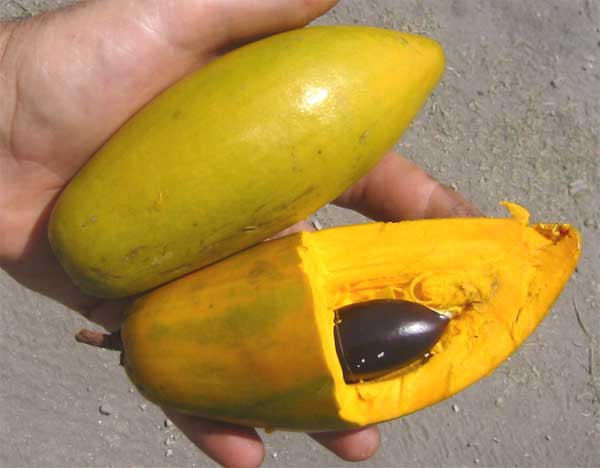
Chesa and tiesa are two names for the same fruit. It is yellow-orange and shaped like a teardrop or an egg, with one or more glossy brown seeds inside. The flesh is bright yellow, sweet, and dry and mealy, much like the yolk of a hard-boiled egg or baked kamote. Eat it fresh when fully soft, or blend it into shakes and ice cream. It is sometimes mislabeled as wood apple, which is a different fruit.
🏷️ English Name: Canistel or egg fruit. It’s also known as yellow sapote.
😋 Taste: Sweet and rich, with a dry, mealy texture.
📅 Season: No fixed season. Trees can flower on and off through the year, so the fruit shows up at different times in different places.
🛒 On FarmyHub: No seller yet.
5. Caimito (Star Apple) - Purple Outside, Milky Inside
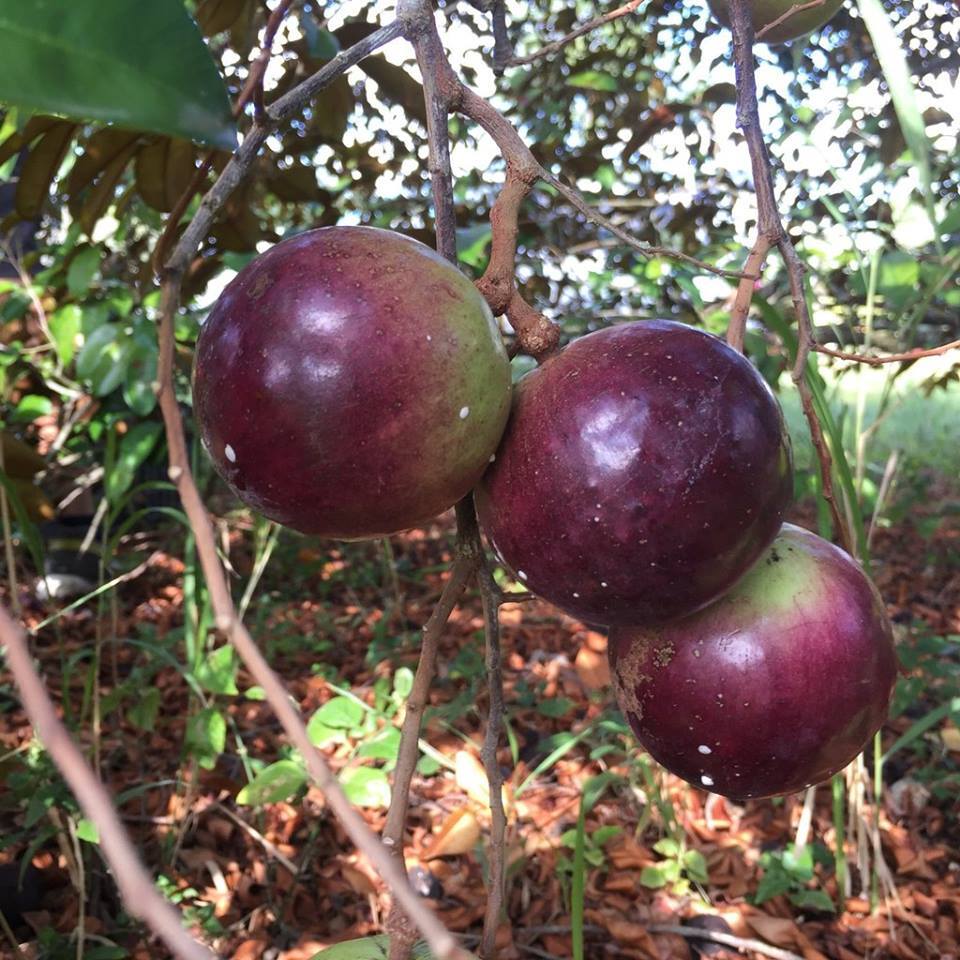
Caimito, also spelled kaimito, is a round fruit with smooth purple or green skin. Cut it across the middle and the seed cells form a star, which gives the fruit its English name. The flesh is soft, sweet and milky. Scoop it out with a spoon and leave the skin and rind, which have a sticky sap. A ripe caimito gives a little when you press it.
🏷️ English Name: Star apple.
😋 Taste: Sweet, soft and milky.
📅 Season: Usually around January to March.
🛒 On FarmyHub: No fresh caimito seller yet. Grafted trees and seedlings are listed at ₱160 to ₱180 each (as of October 2026).
View the Kaimito Tree Listing →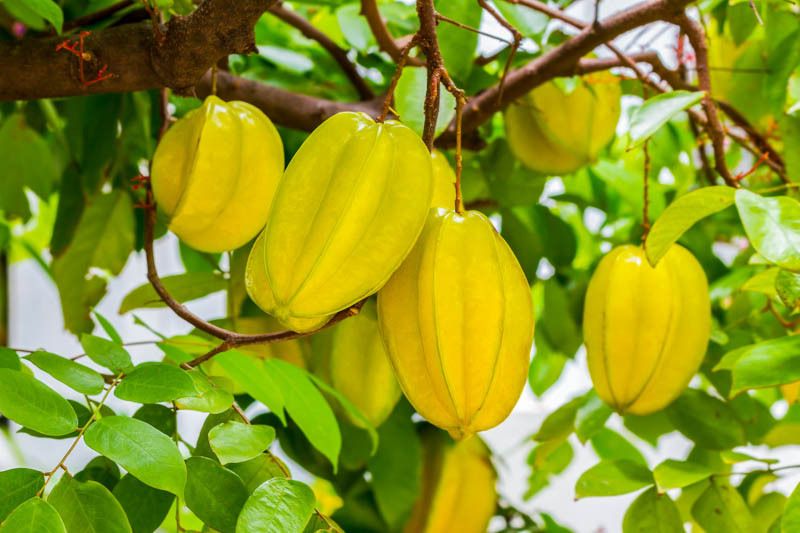
6. Balimbing (Star Fruit) - Crisp, Juicy and Star-Shaped
Balimbing is a waxy, yellow-green fruit with five ridges. Slice it across and every piece is a five-pointed star. It is crisp and very juicy, sour when green and mildly sweet when fully yellow. Eat it fresh with a little salt, add it to salads, or use the sour ones in cooking. One caution: people with kidney disease are advised to avoid star fruit, so ask your doctor first if that applies to you.
🏷️ English Name: Star fruit or carambola. Kamias is its close relative.
😋 Taste: Crisp and juicy, from sour to mildly sweet.
📅 Season: It fruits for much of the year, with more supply around May to August.
🛒 On FarmyHub: No fresh balimbing seller yet. Balimbing seedlings are listed at ₱300 each (as of October 2026).
View the Balimbing Seedlings Listing →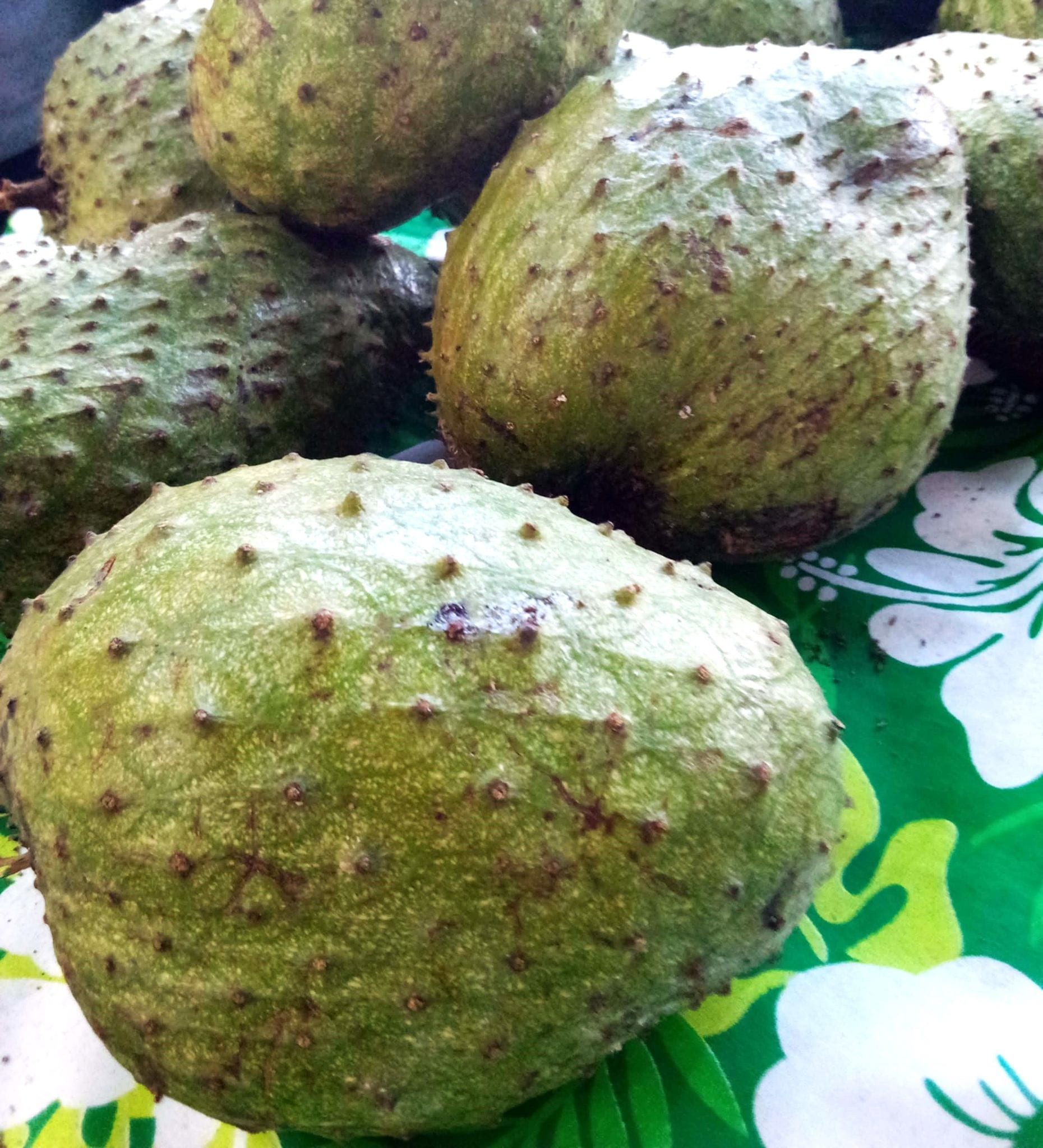
7. Guyabano (Soursop) - Big, Spiky and Sweet-Sour
Guyabano is a large, heart-shaped green fruit with soft spines. One fruit can weigh a kilo or much more. The white flesh is soft, juicy and a little fibrous, sweet with a clear sour edge, and dotted with black seeds that you don’t eat. It is most often made into juice and shakes, but ripe guyabano is also good eaten with a spoon. Buy it firm and let it soften at home for a few days.
🏷️ English Name: Soursop.
😋 Taste: Sweet-sour, soft and juicy.
📅 Season: Available in many months, with the peak usually around August to November.
🛒 On FarmyHub: Fresh guyabano at ₱30 to ₱100 per kilo from sellers in Claveria, Misamis Oriental and Dasmariñas, Cavite. Grafted trees are ₱180 each (as of October 2026).
See Guyabano Sellers on FarmyHub →5 More Local Fruits You Can Buy on FarmyHub
These five already have their own page on FarmyHub, with a fuller guide and current listings. Here is the short version.
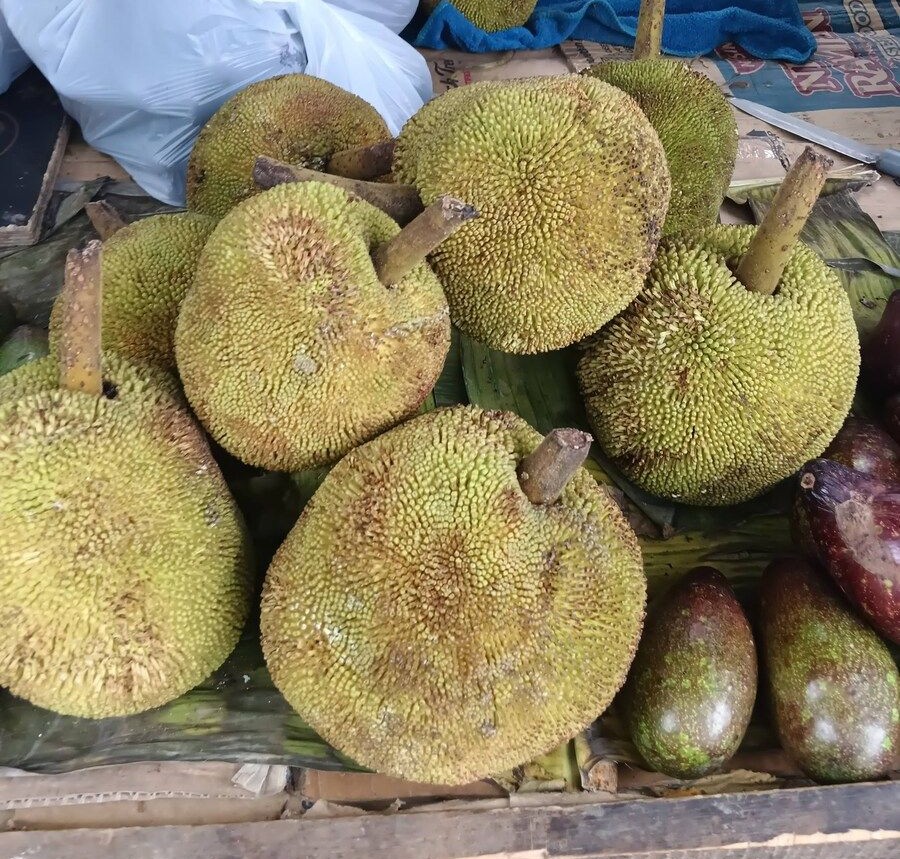
8. Marang - Mindanao’s Creamy, Fragrant Fruit
Marang looks like a small jackfruit with soft spines. Break it open and you’ll find white, creamy segments that are very sweet, with a strong aroma. It comes mostly from Mindanao and is usually in season from around August to October. It doesn’t keep long once ripe, so it is rarely sold far from where it grows.
🛒 On FarmyHub: Three sellers in Davao City and Zamboanga City, at ₱50 to ₱150 per kilo (as of October 2026).
See Marang Sellers and Prices →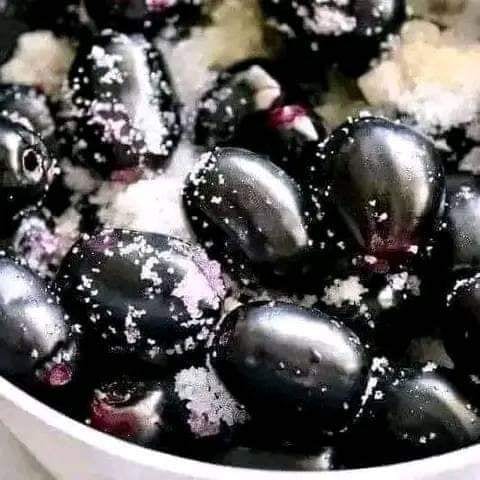
9. Duhat (Lomboy) - The Purple Summer Fruit
Duhat, called lomboy in the Visayas and Ilocos, is a small, dark purple fruit that is sweet, a little sour and famous for staining the tongue. Many people shake it with salt before eating. It is a summer fruit, usually in season from around April to July.
🛒 On FarmyHub: One seller in Canlaon City, Negros Oriental, at ₱140 per kilo (as of October 2026).
See Duhat Sellers and Prices →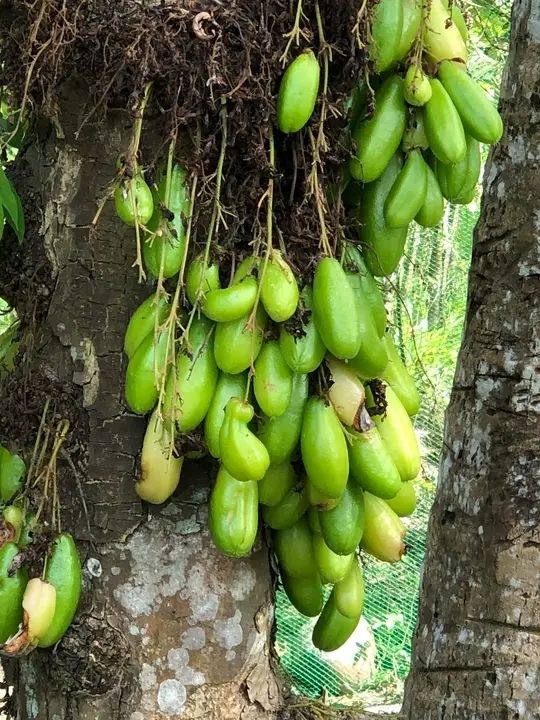
10. Kamias (Iba) - The Sour Fruit for Sinigang
Kamias, called iba in the Visayas, is a small green fruit that grows in clusters right on the trunk and branches. It is very sour, so it is used more for cooking than for eating fresh: to sour sinigang and paksiw, dried, or made into candy. The tree fruits several times a year.
🛒 On FarmyHub: One seller in Hamtic, Antique, at ₱70 per kilo (as of October 2026).
See Kamias Sellers and Prices →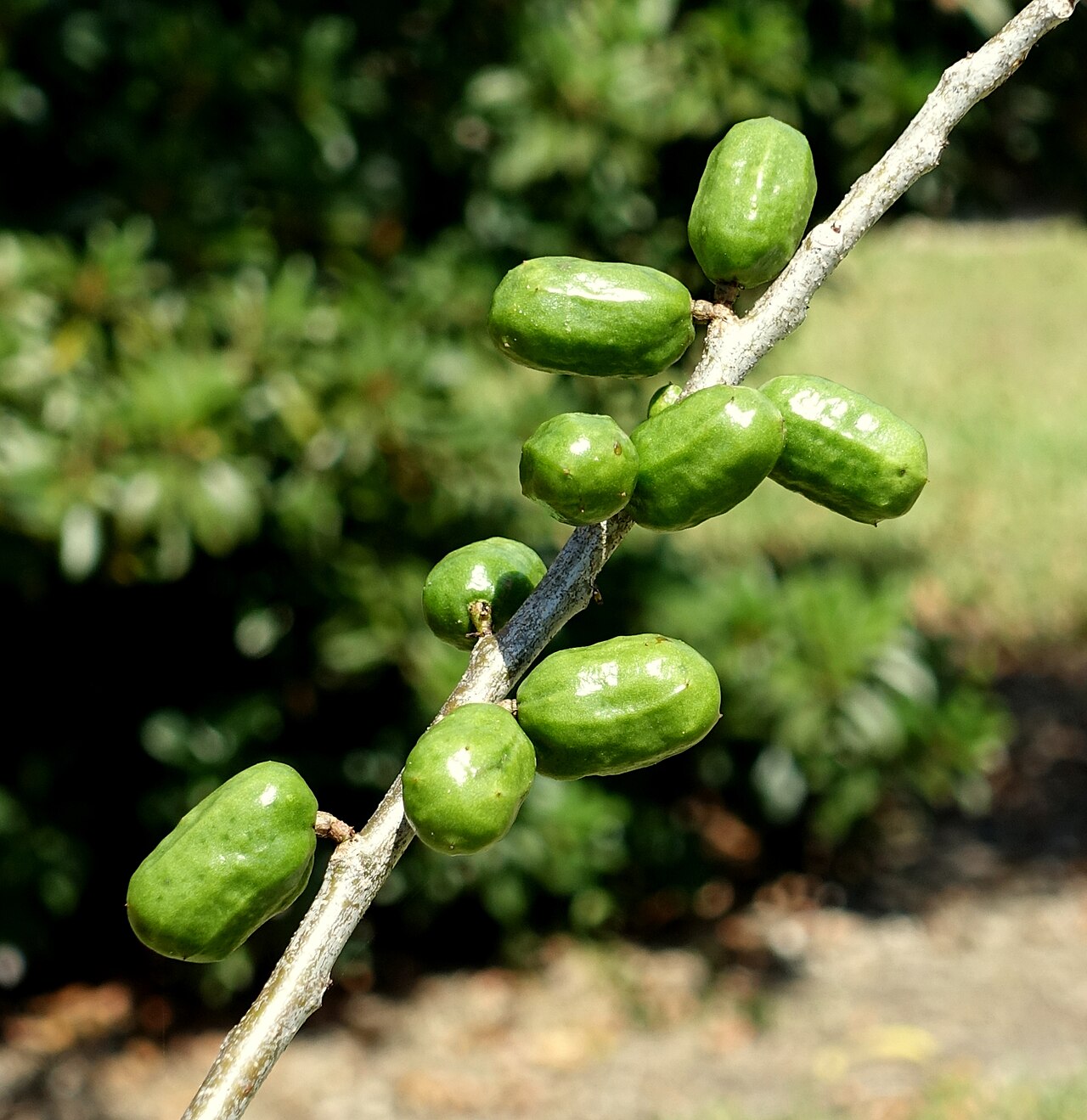
11. Siniguelas - Small, Crunchy and Sweet When Ripe
Siniguelas, also spelled sineguelas, is a small oval fruit with one large seed. It is crunchy and sour when green and turns sweet as it ripens to yellow, red or purple. It is a summer fruit, usually in season from around April to June.
🛒 On FarmyHub: One seller in Canlaon City, Negros Oriental, at ₱100 per kilo (as of October 2026).
See Siniguelas Sellers and Prices →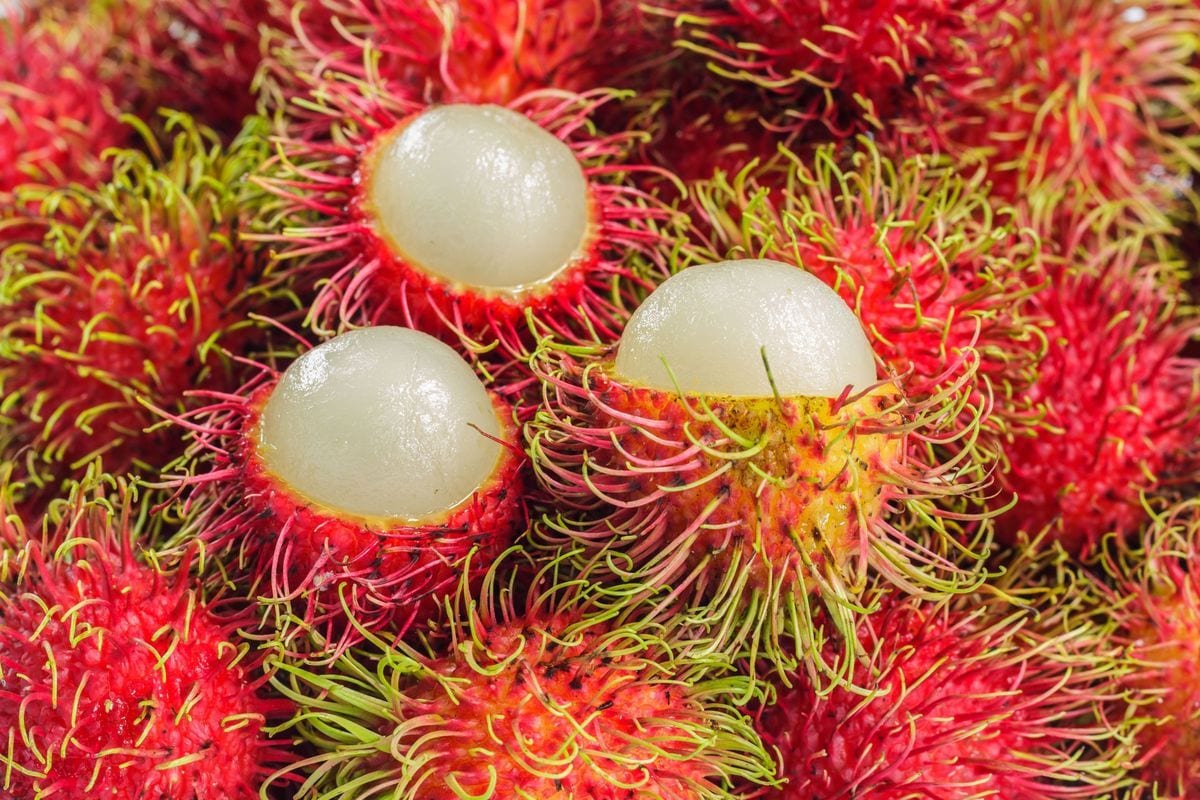
12. Rambutan - The Hairy Red Fruit of the Rainy Season
Rambutan is the red, hairy fruit that fills roadside stalls late in the rainy season. Peel the shell and the flesh inside is white, sweet and juicy, close to lychee. The season usually runs from around August to October.
🛒 On FarmyHub: A seller in Malvar, Batangas offers 30-kilo boxes at ₱35 per kilo (as of October 2026).
See Rambutan Sellers and Prices →More Rare and Wild Fruits to Look For
These are harder to find. Most still grow wild or in backyards and reach the market only in small amounts. None of them has a seller on FarmyHub yet.
Fruit | English name | What it’s like |
|---|---|---|
Bignay | Bignay, sometimes called currant tree | Small berries in long clusters that ripen from white to red to almost black. Sour-sweet, and made into wine, jam and vinegar. |
Camachile (kamatsile) | Manila tamarind | Curled pods with white or pinkish pulp around black seeds. Sweet, with a slightly dry aftertaste. |
Katmon | Katmon | A round, green, sour fruit from a tree found only in the Philippines. Eaten with salt or used to sour dishes. |
Lipote | Lipote | Dark red to black berries in tight clusters. Sour-sweet, eaten with salt or sugar, and made into wine and jam. |
Aratilis | Jamaican cherry | Tiny red berries that are very sweet. Usually picked from roadside trees and rarely sold. |
Which of These Fruits Are Native to the Philippines?
Not every fruit we think of as native started here. Many came from tropical America, most of them during the Spanish period, and have been grown here for generations.
Native to the Philippines: mabolo, katmon and lipote. Marang is native to Mindanao, Palawan and Borneo.
From other parts of tropical Asia: duhat, kamias, balimbing, santol, rambutan and bignay.
Brought from tropical America: atis, guyabano, caimito, chesa, siniguelas, camachile and aratilis.
Where to Buy Rare Fruits in the Philippines
Go in season. Most of these fruits are sold for only a few months a year, so check the season in the table above first.
Try the palengke and roadside stalls. Supermarkets rarely carry these fruits because they bruise easily and don’t keep long. Public markets and stalls along provincial roads are the usual places to find them.
Message sellers online. On FarmyHub you can message a seller directly and ask if the fruit is available now.
Plant your own. Nurseries on FarmyHub sell grafted atis, santol, caimito, guyabano and marang trees. Grafted trees usually bear fruit sooner than trees grown from seed.
Looking for mango, pineapple, watermelon or other everyday fruits in bulk? See our list of fresh fruit suppliers in the Philippines.
FAQs
What are the rare fruits in the Philippines?
Rare fruits in the Philippines include mabolo, chesa (tiesa), caimito, balimbing, marang, bignay, katmon, lipote and camachile. Atis, santol, duhat and siniguelas are easier to find, but only for a few months each year.
What is atis in English?
Atis is sugar apple in English, also called sweetsop. Its scientific name is Annona squamosa. Many people call it custard apple too, but strictly that name belongs to anonas, a close relative.
What is santol in English?
Santol is called cotton fruit in English because of its white, cottony pulp. Its scientific name is Sandoricum koetjape. In most places, including abroad, people simply call it santol.
Are chesa and tiesa the same fruit?
Yes. Chesa, tiesa and tisa are local names for canistel (Pouteria campechiana), also called egg fruit. It is not wood apple.
What is mabolo fruit?
Mabolo is the fruit of the kamagong tree (Diospyros blancoi). In English it is called velvet apple because of its fuzzy, reddish-brown skin. The flesh is creamy white and mildly sweet.
When are exotic fruits in season in the Philippines?
It depends on the fruit. Caimito comes early in the year, around January to March. Siniguelas and duhat are summer fruits, around April to July. Santol, mabolo, marang, rambutan and atis come in the rainy months and after, from around June to December. Kamias, balimbing and guyabano can be found in many months.
Where can I buy exotic fruits in the Philippines?
Public markets and roadside stalls are the usual places when the fruit is in season. On FarmyHub, sellers list marang, guyabano, duhat, kamias, siniguelas and rambutan, and nurseries list fruit trees such as atis, santol, caimito and balimbing. Message the seller to check what is available now.
Saan makakabili ng mga bihirang prutas sa Pilipinas?
Sa palengke at sa mga tindahan sa tabi ng daan sa probinsya kapag panahon ng prutas. Sa FarmyHub, may mga nagbebenta ng marang, guyabano, duhat, kamias, siniguelas at rambutan, at may mga punla ng atis, santol, kaimito at balimbing. I-message ang seller para malaman kung may stock.
Sell Your Fruits on FarmyHub
Do you grow or sell fruits, fruit trees or other farm products? FarmyHub connects Filipino farmers and suppliers with buyers across the country. There are two ways to start:
List your products yourself, for free. Create a free account in seconds with your Google or Facebook account, then post your listing in a few minutes. Once approved, your listing is visible to buyers, who can message or call you directly.
🌱 List your products for freeBecome a FarmyHub supplier. Tell us about your farm or business, your products and how much you can supply. Our team will contact you to learn about your business, and when a bulk buyer is looking for what you sell, we can recommend you.
🤝 Become a supplierPrefer using your phone? Download the free FarmyHub app to post listings and reply to buyers on the go.
📱 Get the app on Google PlayRegistered agriculturist, higher education instructor, and hands-on farmer. I write practical farming and agribusiness guides based on my work in the field and in the classroom.