



The Philippines grows cacao well, and the Davao Region accounts for the large majority of what the country produces. Small farms across Mindanao and the Visayas supply a growing local chocolate industry, and most of them sell their beans directly rather than through a consolidator. This section brings together cacao listings from Filipino growers and traders so you can compare what is available, at what price per kilo, and where it was grown.
Wet beans — fresh from the pod, sold to fermentaries and processors who handle fermentation and drying themselves. Cheapest per kilo, but they have to move within a day or two.
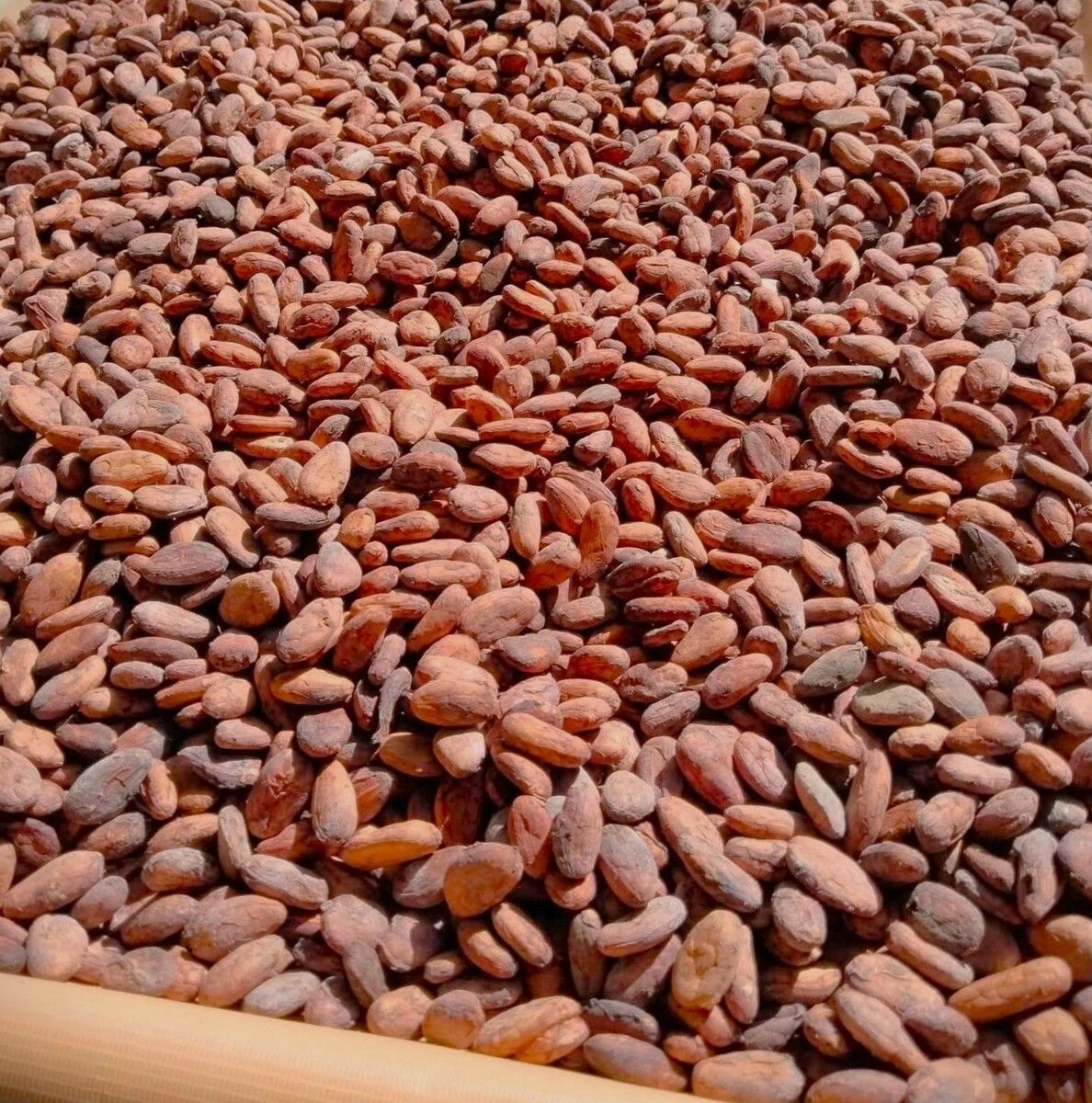
Dried fermented beans — the standard trading form. Fermented for several days, then sun-dried. This is what chocolate makers buy, and what most listings here refer to.
Cacao pods — whole fruit, bought for the pulp, for juice, or by growers wanting planting seed.
Cacao seeds and seedlings — for planting rather than processing. See Fruit Trees and Plants.
Prices move with the world cocoa market, with fermentation quality, and with moisture content. Wet beans sell for a fraction of dried, and properly fermented, well-dried beans command a clear premium over unfermented sun-dried lots.
Always confirm wet or dried before comparing two listings, and ask about moisture percentage — a low price on under-dried beans is not the bargain it looks, because they lose weight and can mould in transit. Prices here are set by each seller, so compare current listings rather than working from a fixed figure.
Most Philippine cacao is Trinitario, a hybrid that balances yield against flavour. Criollo is rarer and sought after by fine-chocolate makers for its milder, more aromatic profile. Forastero is hardier and higher-yielding but plainer in the cup. Farms also grow named clones selected for local conditions and disease resistance.
Ask which variety and clone a lot came from — to a chocolate maker it matters more than the price does.
The Davao Region is the country's main producing area and the centre of its craft chocolate industry, with smaller volumes across the rest of Mindanao and the Visayas. Because beans are traded by the sack and freight adds up, the province a listing comes from matters as much as the price — particularly for wet beans, which cannot travel far.
Craft and bean-to-bar chocolate makers
Tablea producers and traditional processors
Bakeries, cafés and dessert shops
Traders and consolidators buying dried beans in volume
Growers buying seed and seedlings to plant
FarmyHub is the marketplace, not the farm. We do not ferment, dry or grade beans ourselves — every listing is posted by the grower or trader, with their own price, quantity and location. Browse what is posted, compare per-kilo prices, then message the seller directly to agree quantity, pickup or delivery.
For larger orders, ask about fermentation days, moisture content and harvest date. Those three determine what a lot is actually worth, and a seller who can answer them clearly is usually worth buying from.
For finished tablea ready to make tsokolate, see Cacao Tablea. For planting stock, browse Fruit Trees. More produce in Fruits, Vegetables & Growables.
Same plant — Theobroma cacao. "Cacao" usually refers to the tree and the raw or lightly processed bean; "cocoa" more often means the processed powder and the international commodity. In the Philippines, cacao is the common term.
Wet beans come straight from the pod, still surrounded by pulp, and must be fermented and dried within a couple of days. Dried beans have already been fermented and sun-dried, and are stable enough to store and ship.
Fermentation develops the compounds that make chocolate taste like chocolate. Unfermented beans, however well dried, are worth considerably less to a chocolate maker.
The Davao Region is the main producing area, with smaller volumes across the rest of Mindanao and the Visayas.
Yes — growers list seed and seedlings under Fruit Trees and Plants.


