

Filipino Condiments: Top 9 Local Sellers in the Philippines (Vinegar, Chili Garlic & More)
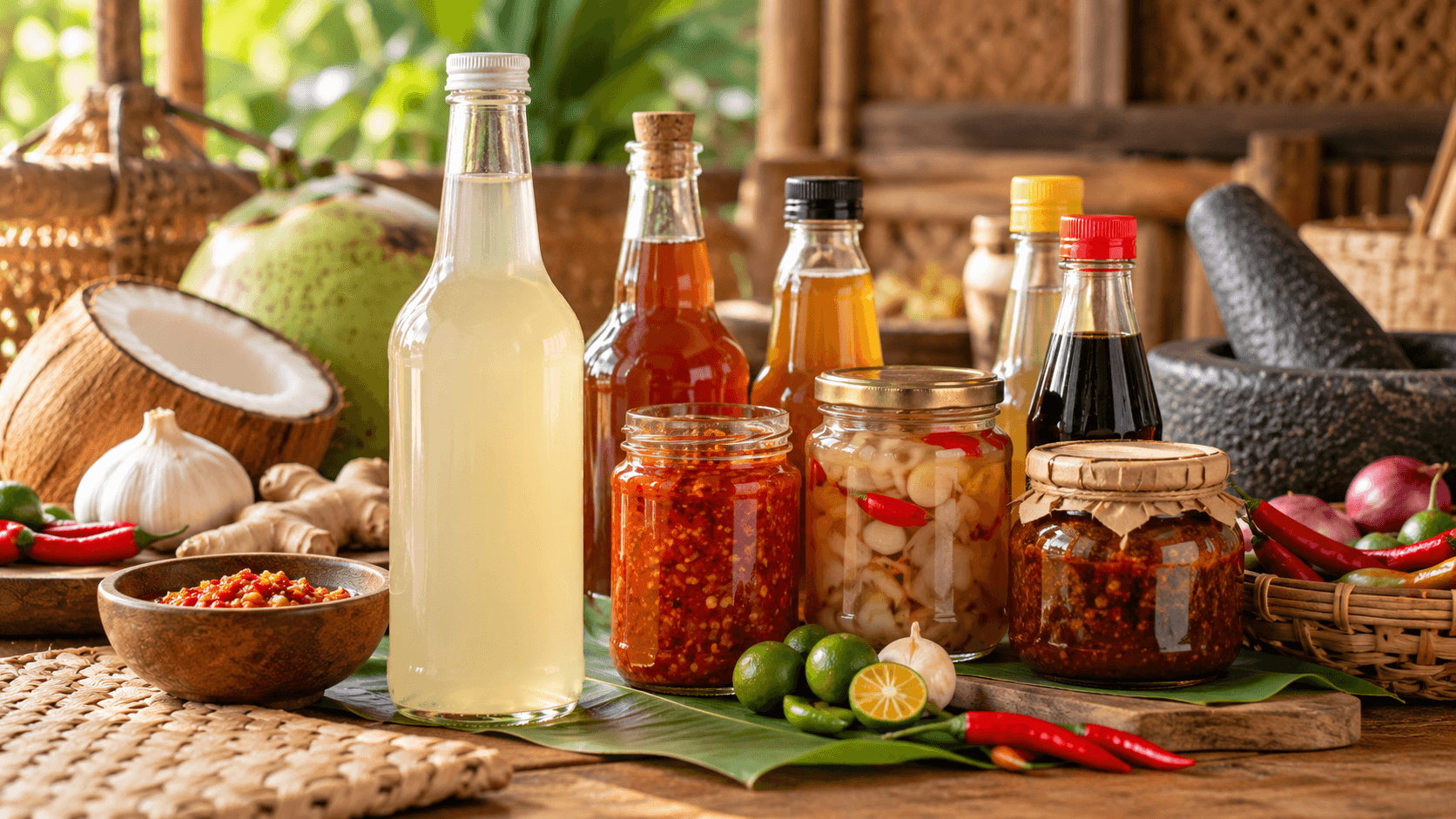
Filipino condiments like suka, toyo, bagoong and chili garlic are on almost every Filipino table, and a spoonful of the right one can change a whole meal. From sour vinegar to salty fermented shrimp, these small bottles and jars do a lot of the work in Filipino cooking. If you want to buy local, you can find condiments for sale on FarmyHub: coconut vinegar, chili garlic, bagoong-style jars, pickles and seasonings from sellers across the country.
This guide explains what condiments are, gives a condiments list for the Philippines with the top sauces and dips, and compares 9 local sellers with 22 listings on FarmyHub, with prices from ₱25. You will also find storage and ordering tips, plus a short list of condiments that go well with rice.
In this guide | Short answer |
|---|---|
Flavorings added while cooking or at the table. In Tagalog they are called pampalasa. | |
13 common Filipino condiments and what each one is used for. | |
The classic dips and sauces: toyomansi, suka’t sili and 10 sauces in the Philippines. | |
9 sellers side by side, plus prices by type. | |
Vinegar, chili garlic, bagoong-style jars, pickles and seasonings, from ₱25. | |
Five pairings to try. | |
What keeps at room temperature and what goes in the fridge. | |
Tagalog words, langgaw, the top 10 condiments and more. |
What Are Condiments? Meaning and Definition
The condiments meaning is simple: condiments are flavorings added to food while cooking or at the table to give it salt, sourness, heat or sweetness. The condiments definition is wide: vinegar, soy sauce, fish sauce, ketchup, salt, chili and dried herbs all count. So when people ask what are the condiments in a Filipino kitchen, the answer runs from a bottle of suka to a jar of bagoong.
Condiments used in cooking add flavor while the food is on the stove, like vinegar in adobo or patis in soup. Others are added at the table, like chili garlic or a dip. The basic condiments in most Filipino homes are suka, toyo, patis, bagoong and asin (salt).
Condiments in Tagalog are called pampalasa, from ‘lasa’ (taste). Dipping sauces are called sawsawan.
List of Common Filipino Condiments
Here are the common Filipino condiment names, with the English name for each, as a condiments list for the Philippines, split into wet condiments and dry seasonings. This list of sauces and condiments covers what most Filipino kitchens use, and vinegar comes first because it is the most common of all. You can browse condiment listings on FarmyHub to see what else is available.
Wet Condiments
Condiment | What it is | How it is used | On FarmyHub? |
|---|---|---|---|
Suka (coconut vinegar, sukang tuba) | Sour vinegar | Cooking, adobo and dipping | Yes |
Spiced vinegar | Vinegar with chili, garlic, onion and ginger | As sawsawan | Yes |
Toyo (soy sauce) | Salty sauce | Cooking and dipping | Not yet |
Patis (fish sauce) | Salty and savory sauce | In soups and as a dip | Not yet |
Bagoong and ginamos | Fermented shrimp or fish; this guide includes ginamos, uyap and amahong jars | With green mango, grilled fish or in cooking | Yes |
Chili garlic | Chili and garlic paste or sauce, from mild to spicy | On rice, noodles and as a dip | Yes |
Atchara | Pickled papaya | Served as a sweet-sour side | Yes |
Banana ketchup | Sweet table sauce | With fried foods and eggs | Not yet |
Calamansi | A small citrus | Squeezed into toyomansi, patis and other dips for sourness | Yes, as fresh fruit |
Dry Seasonings
This short condiments powder list covers the dry seasonings in this guide:
Seasoning | What it is | How it is used | On FarmyHub? |
|---|---|---|---|
Asin (sea salt) | Salt | Everyday seasoning for cooking and the table | Yes |
Chili powder | Ground dried chili | Adds heat to dishes and dips | Yes |
Dried siling labuyo | Dried small chili | Cooking, sauces and spice mixes | Yes |
Dried herbs like oregano | Dried leaves | Pasta sauces, marinades, soups and homemade seasonings | Yes |
Not every wet condiment is a sauce, and not every condiment is wet. Vinegar, for example, is a condiment but not a sauce, and salt and chili powder are condiments in powder form.
Filipino Sauces and Dips (Sawsawan)
Many of the best-known sauces in the Philippines are simple mixes made at the table. These sauces, dips and sawsawan are the classic combinations:
Sawsawan | What is in it | Goes with |
|---|---|---|
Toyomansi | Soy sauce with calamansi | Fried and grilled food |
Suka’t sili | Vinegar with chili, often with garlic and onion | Tuyo and other dried fish |
Fishball sauce | A sweet and spicy sauce | Street food like fishballs and kikiam |
Chili garlic oil | Chili and garlic in oil, one of the most popular chili sauces | Rice, noodles, dumplings and eggs |
Spiced vinegar is the classic dip for tuyo and other dried fish.
Street food sauces are usually sweet, sour or spicy, and many stalls let you add your own vinegar and chili. These condiments and sauces rely on a few basic condiments: vinegar, soy sauce, chili and garlic. If you stock those, you can make most of the sawsawan above at home.
10 Sauces in the Philippines
Beyond the four classics above, these are 10 sauces in the Philippines you will often see on the table or at the stall:
Sauce | What it is |
|---|---|
1. Sinamak | Spiced vinegar from the Visayas |
2. Pinakurat | Spiced coconut vinegar with chili and garlic |
3. Banana ketchup | Sweet table sauce for fried foods and eggs |
4. Lechon sauce | The sauce served with lechon |
5. Bagoong guisado | Sautéed shrimp paste |
6. Sweet chili sauce | A sweet, mildly spicy dip |
7. Sweet and sour sauce | Served with lumpia |
8. Gravy | For fried chicken |
9. Kare-kare peanut sauce | The peanut sauce of kare-kare |
10. Lumpiang sariwa sauce | Sweet garlic sauce |
Condiments Price Comparison: FarmyHub Listings
Here is a quick comparison of the 9 sellers: their main products, location, minimum order (MOQ) and price range. Click a seller’s name to jump to the details.
Seller | Products | Location | MOQ | Price range |
|---|---|---|---|---|
Chili garlic paste | San Jose City, Nueva Ecija | 1 | ₱85 to ₱130 | |
Chili garlic sauce, crunchy garlic, binayong hipon | Tiaong, Quezon | 6 | ₱149 to ₱295 | |
Atchara, dried siling labuyo | Cagayan de Oro | 5 | ₱100 | |
Native vinegar, coconut vinegar, ginamos, amahong, uyap, malos, chili powder, sea salt | Libertad, Misamis Oriental | 5 to 10 | ₱25 to ₱100 | |
Coconut vinegar, spiced vinegar | Alangalang, Leyte | 1 | ₱120 to ₱156 | |
Pickled cucumber | Dipolog City | 12 | ₱80 | |
Oregano | Manolo Fortich, Bukidnon | 10 | ₱40 | |
Coconut vinegar (langgaw) | Hamtic, Antique | 1 | ₱70 | |
Coconut vinegar | Cabatuan, Iloilo | 1 | ₱166.66 |
Condiment Prices by Type
The same 22 listings, grouped by the kind of condiment:
Type of condiment | Listings | Sellers | Price range |
|---|---|---|---|
Coconut and native vinegar | 6 | 4 | ₱25 to ₱166.66 |
Spiced vinegar | 1 | 1 | ₱120 |
Chili garlic (paste, sauce, crunchy garlic) | 4 | 2 | ₱85 to ₱260 |
Bagoong-style and seafood jars (ginamos, amahong, uyap, malos, binayong hipon) | 5 | 2 | ₱40 to ₱295 |
Pickles (atchara, pickled cucumber) | 2 | 2 | ₱80 to ₱100 |
Dry seasonings (chili powder, sea salt, dried siling labuyo, oregano) | 4 | 3 | ₱40 to ₱100 |
Prices are listing prices per unit as of October 2026 and may change. Bottle and jar sizes differ from seller to seller, so compare the size before the price.
9 Condiment Sellers on FarmyHub
These condiments products come from home makers, farms and small food businesses. Each seller below lists the varieties they offer, with the average unit price and MOQ shown on the listing. Click a product name to open the listing.
1. John Joward Paragas: Chili Garlic Paste
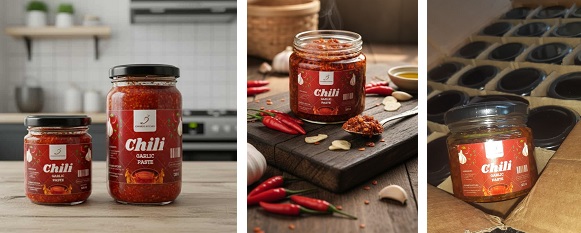
John Joward Paragas lists two chili garlic pastes from San Jose City, Nueva Ecija: a 120ml jar and a second paste described as sweet and spicy. Both have an MOQ of 1.
What they offer:
Chili Garlic Paste 120ml: ₱85, MOQ 1
Chili Garlic Paste: ₱130, MOQ 1 (sweet and spicy)
✅ Key Highlights:
Two chili garlic options at ₱85 and ₱130
The second paste is listed as sweet and spicy
MOQ of 1 on both
📍 Location: San Jose City, Nueva Ecija
💰 Price: ₱85 to ₱130
📦 Order: Minimum order of 1 (MOQ)
🎯 Best For: Sinangag, silog breakfasts and dipping siomai or fried tofu.
View John Joward Paragas’s listings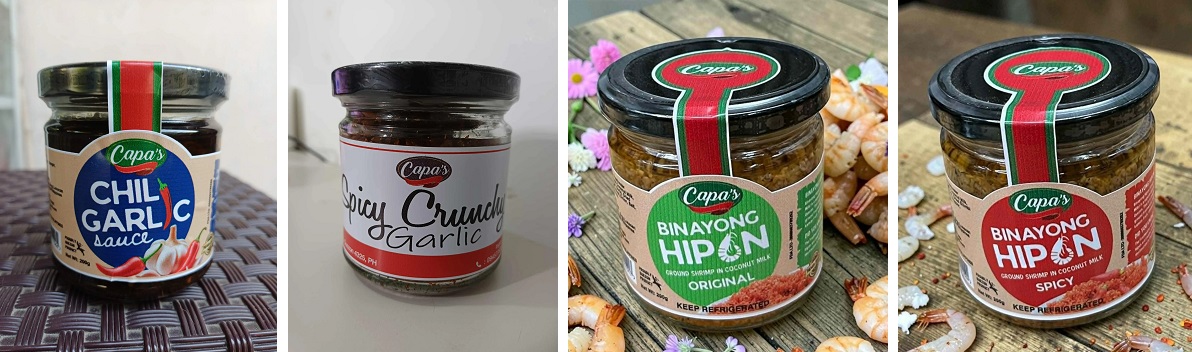
2. Glazel Capa: Chili Garlic Sauce, Crunchy Garlic and Binayong Hipon
Glazel Capa lists three jarred condiments from Tiaong, Quezon: a chili garlic sauce, a spicy crunchy garlic, and binayong hipon, which is shrimp cooked in coconut milk. All three have an MOQ of 6.
What they offer:
Chili Garlic Sauce 200g: ₱149, MOQ 6
Spicy Crunchy Garlic: ₱260, MOQ 6
Binayong Hipon: ₱295, MOQ 6 (shrimp cooked in coconut milk)
✅ Key Highlights:
Three different flavors from one seller
Binayong hipon is a shrimp and coconut milk condiment
MOQ of 6 on every listing
📍 Location: Tiaong, Quezon
💰 Price: ₱149 to ₱295
📦 Order: Minimum order of 6 (MOQ)
🎯 Best For: Buyers ready to order 6 or more jars, such as small resellers or gift sets.
View Glazel Capa’s listings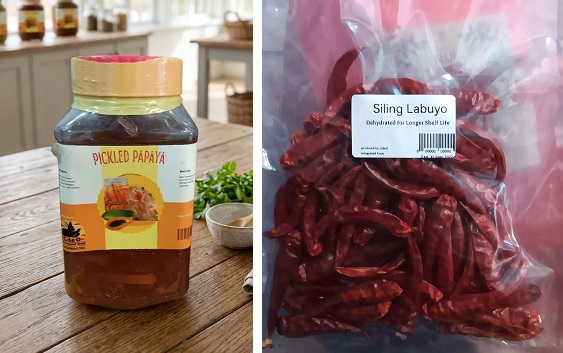
3. Jojo Abella (CdeO Integrated Farm): Atchara and Dehydrated Siling Labuyo
CdeO Integrated Farm lists a homestyle pickled papaya (atchara) in big and small bottles, plus dehydrated siling labuyo, from Cagayan de Oro. One is a wet side dish, the other a dry seasoning.
What they offer:
Homestyle Pickled Papaya (atchara): ₱100, MOQ 5 (big and small bottles)
Dehydrated Siling Labuyo: ₱100, MOQ 5 (for cooking, sauces and spice mixes)
✅ Key Highlights:
One wet pickle and one dry seasoning
Atchara comes in big and small bottles
Both listings have an MOQ of 5 at ₱100
📍 Location: Cagayan de Oro
💰 Price: ₱100
📦 Order: Minimum order of 5 (MOQ)
🎯 Best For: Atchara as a side for fried or grilled dishes, and dried siling labuyo for homemade sauces and spice mixes.
View Jojo Abella’s listings
4. Zosema Santos (Titing’s Fish Products): Vinegars, Fermented Seafood, Chili Powder and Sea Salt
Titing’s Fish Products has the widest range in this list: three vinegars, three fermented seafood jars, a jarred malos appetizer, chili powder and sea salt, all from Libertad, Misamis Oriental. MOQ is 10 on most items and 5 on the pure coconut vinegar and chili powder.
What they offer:
Native Vinegar (tuba): ₱90, MOQ 10
Native Vinegar (small): ₱25, MOQ 10 (the lowest price in the list)
Coconut Vinegar: ₱80, MOQ 5
Ginamos in Jar: ₱90, MOQ 10
Amahong in Jar: ₱40, MOQ 10 (fermented shellfish)
Sweet & Spicy Uyap: ₱90, MOQ 10 (fermented small shrimp; good with green mango, grilled fish, or cooked with pork and gata)
Malos - All-Season Appetizer: ₱60, MOQ 10 (a jarred appetizer often eaten as a side with rice)
Chili Powder (Pouch): ₱100, MOQ 5
Sea Salt: ₱60, MOQ 10
✅ Key Highlights:
Widest range of any seller here, 9 listings
Lowest price in the list: ₱25 for the small native vinegar
Vinegar, bagoong-style jars and dry seasonings from one seller
📍 Location: Libertad, Misamis Oriental
💰 Price: ₱25 to ₱100
📦 Order: Minimum order of 5 to 10 (MOQ)
🎯 Best For: Buyers and small resellers who want vinegar, fermented seafood and seasonings from a single seller.
View Zosema Santos’s listings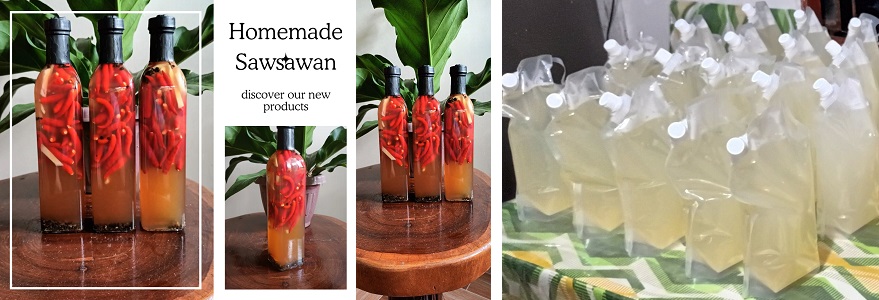
5. Jeffrey Joy Lagado: Coconut Vinegar and Spiced Vinegar
Jeffrey Joy Lagado of Alangalang, Leyte lists two vinegars: a plain coconut vinegar for cooking and a spiced vinegar made for dipping. Both have an MOQ of 1.
What they offer:
Coconut vinegar: ₱156, MOQ 1
Spiced vinegar: ₱120, MOQ 1 (with chili, garlic, onion, pepper and ginger; listed for sawsawan)
✅ Key Highlights:
Spiced vinegar is ready to use as sawsawan
Two vinegar styles from one seller
MOQ of 1 on both listings
📍 Location: Alangalang, Leyte
💰 Price: ₱120 to ₱156
📦 Order: Minimum order of 1 (MOQ)
🎯 Best For: Anyone who wants a ready-made spiced vinegar for fried fish, grilled meat or dried fish like tuyo.
View Jeffrey Joy Lagado’s listings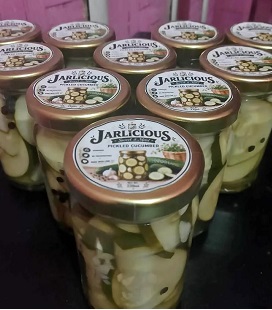
6. Anaisur Aria: Pickled Cucumber
Anaisur Aria lists a homemade pickled cucumber from Dipolog City, described as crunchy and suited to fried chicken and grilled meat.
What they offer:
Pickled Cucumber: ₱80, MOQ 12 (homemade and crunchy; for fried chicken and grilled meat)
✅ Key Highlights:
Homemade pickle, listed as crunchy
Average unit price ₱80
MOQ of 12, the highest in this list
📍 Location: Dipolog City
💰 Price: ₱80
📦 Order: Minimum order of 12 (MOQ)
🎯 Best For: Sharing, small food stalls or anyone who wants a pickled side for fried and grilled dishes.
View Anaisur Aria’s listings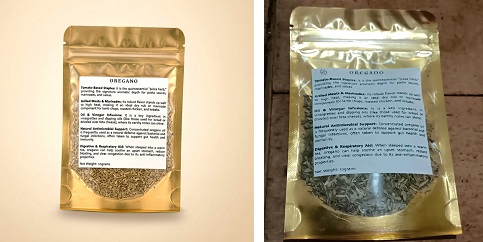
7. Elseanor Cabang (Flavours of Bukidnon): Oregano (Herb)
Flavours of Bukidnon lists dried oregano from Manolo Fortich, Bukidnon. It is the only dried herb in this list, suited to home cooks who mix their own seasonings.
What they offer:
Oregano (Herb): ₱40, MOQ 10 (for pasta sauces, marinades, soups and homemade seasonings)
✅ Key Highlights:
The only dried herb in the list
Average unit price ₱40
MOQ of 10
📍 Location: Manolo Fortich, Bukidnon
💰 Price: ₱40
📦 Order: Minimum order of 10 (MOQ)
🎯 Best For: Home cooks making pasta sauces, marinades, soups or their own seasoning blends.
View Elseanor Cabang’s listings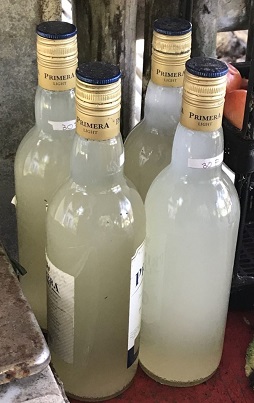
8. Shyne Collamat: Coconut Vinegar (Langgaw)
Shyne Collamat lists coconut vinegar under its local name, langgaw, from Hamtic, Antique. It is a single-product listing with a low MOQ.
What they offer:
Coconut vinegar (langgaw): ₱70, MOQ 1 (listed under the local name langgaw)
✅ Key Highlights:
Average unit price ₱70
MOQ of 1
Listed under the local name langgaw
📍 Location: Hamtic, Antique
💰 Price: ₱70
📦 Order: Minimum order of 1 (MOQ)
🎯 Best For: Households that want to try langgaw coconut vinegar in small quantities.
View Shyne Collamat’s listings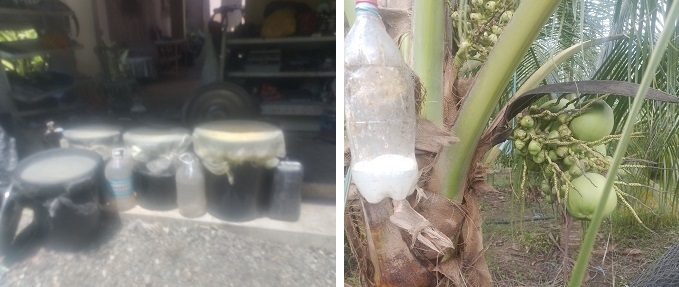
9. Kenneth Ortega: Coconut Vinegar
Kenneth Ortega lists coconut vinegar from Cabatuan, Iloilo. The listing describes it as naturally fermented, and with an MOQ of 1 you can order a single unit to try before buying more.
What they offer:
Coconut vinegar: ₱166.66, MOQ 1 (listed as naturally fermented)
✅ Key Highlights:
Average unit price ₱166.66, the highest coconut vinegar price in this list
MOQ of 1
Listed as naturally fermented
📍 Location: Cabatuan, Iloilo
💰 Price: ₱166.66
📦 Order: Minimum order of 1 (MOQ)
🎯 Best For: Buyers who want to try one coconut vinegar listing before placing a bigger order.
View Kenneth Ortega’s listingsBest Condiments for Rice
Rice is the usual partner for Filipino condiments. A few combinations to try:
Condiment | Pair it with |
|---|---|
Spiced vinegar | Fried fish and steamed rice |
Chili garlic | Sinangag (garlic fried rice) and a fried egg |
Bagoong (such as sweet and spicy uyap) | Green mango and hot rice |
Binayong hipon | Hot steamed rice, with fried fish on the side |
Atchara | Fried or grilled dishes, to cut through the richness |
How to Store Vinegar and Condiments
Vinegar, salt and dry seasonings keep at room temperature in a sealed container.
Chili garlic, bagoong, atchara and other pickles go in the fridge after opening.
Shelf life varies by product and maker, so check the label or ask the seller.
How to Order Condiments Online
Check the MOQ. It ranges from 1 to 12 across the listings in this guide, so compare before you order.
Ask about payment. Many sellers accept GCash and Maya, but each seller sets their own options.
Ask how glass bottles are packed for shipping, especially for vinegar and pickles.
Message the seller directly through the listing to confirm stock, delivery and pack sizes.
Frequently Asked Questions About Condiments
What is the meaning of condiments in Tagalog?
Condiments are called “pampalasa” in Tagalog. Dipping sauces are called “sawsawan”.
What are 5 examples of condiments?
Five examples of Filipino condiments are suka (vinegar), toyo (soy sauce), patis (fish sauce), bagoong (fermented shrimp or fish) and chili garlic.
What is langgaw?
Langgaw is a Visayan word for vinegar, used in places like Antique and Iloilo. It’s traditionally made from tuba, the fermented sap of the coconut. On FarmyHub, Shyne Collamat of Hamtic, Antique lists coconut vinegar as langgaw.
What’s the difference between coconut vinegar and sukang tuba?
Both come from the coconut palm. Sukang tuba is vinegar made from tuba, the fermented sap of the coconut flower, and in parts of the Visayas, vinegar is also called langgaw. “Coconut vinegar” is the broader name and can also refer to vinegar made from other parts of the coconut. If it matters to you, ask the seller how their vinegar is made.
Are condiments and sauces the same?
Not exactly. Sauces are one kind of condiment. Condiments also include vinegar, salt, chili powder and dried herbs.
Do condiments need to be refrigerated?
Not all of them. Vinegar, salt and dry seasonings keep at room temperature, while chili garlic, bagoong, atchara and other pickles go in the fridge after opening. Check the label or ask the seller.
What are the top 10 condiments in the Philippines?
Ten common Filipino condiments are suka (vinegar), toyo (soy sauce), patis (fish sauce), bagoong, banana ketchup, chili garlic, atchara, asin (salt), dried siling labuyo and calamansi.
What are the basic condiments in the Filipino kitchen?
The basics are suka, toyo, patis, bagoong and asin. Many homes also keep chili, garlic and banana ketchup.
What are condiments used for in cooking?
Condiments add salt, sourness, heat or sweetness. Some go in the pot while cooking, like vinegar and patis, and others go on the table as a dip or topping.
Where can I buy condiments online?
FarmyHub is an online marketplace, not a single condiments online store. You can browse condiment listings from local sellers, compare prices and MOQs, and message sellers directly.
Ano ang condiments sa Tagalog?
Pampalasa ang tawag sa condiments sa Tagalog. Ito ang mga sangkap na nagbibigay ng alat, asim, anghang o tamis sa pagkain, tulad ng suka, toyo, patis at bagoong. Sawsawan naman ang tawag sa mga sarsang pinagsasawsawan ng ulam.
Where to Buy Filipino Condiments Online
Whether you want vinegar for adobo, chili garlic for breakfast or atchara for the grill, you can compare local sellers, prices and minimum orders in one place. Browse condiments on FarmyHub and message sellers directly to confirm stock, packing and delivery.
🛒 Browse condiments on FarmyHubSell Your Condiments on FarmyHub
Do you make vinegar, chili garlic, bagoong, pickles or other farm products? FarmyHub connects Filipino farmers, makers and suppliers with buyers across the country. There are two ways to start:
List your products yourself, for free. Create a free account in seconds with your Google or Facebook account, then post your listing in a few minutes. Once approved, your listing is visible to buyers, who can message or call you directly.
🌱 List your products for freeBecome a FarmyHub supplier. Tell us about your farm or business, your products and how much you can supply. Our team will contact you to learn about your business, and when a bulk buyer is looking for what you sell, we can recommend you.
🤝 Become a supplierPrefer using your phone? Download the free FarmyHub app to post listings and reply to buyers on the go.
📱 Get the app on Google PlayRegistered agriculturist, higher education instructor, and hands-on farmer. I write practical farming and agribusiness guides based on my work in the field and in the classroom.
Mimi is a Partnership & Logistics Coordinator at FarmyHub, the online marketplace connecting farmers, suppliers, cooperatives and buyers across the Philippines. She works with sellers nationwide and researches local agricultural products, prices and sourcing options. Her guides help buyers compare Filipino products and sellers, so they can find the right supplier and contact them directly.