



Looking for fresh crabs, whether alimango or alimasag? This is where local fishers and sellers in the Philippines list them. Compare the listings, check the price per kilo and message the seller directly.
Crab in Tagalog is alimango or alimasag, depending on the kind. Alimango is the mud crab, the big dark crab from mangroves and fishponds. Alimasag is the blue swimming crab caught at sea. Small shore crabs are called talangka. In the Visayas and Mindanao, alimasag is also called kasag or lambay.
These are the edible crabs you’ll see most often in Philippine wet markets:
Local name | English name | How to tell it | How it’s usually sold |
|---|---|---|---|
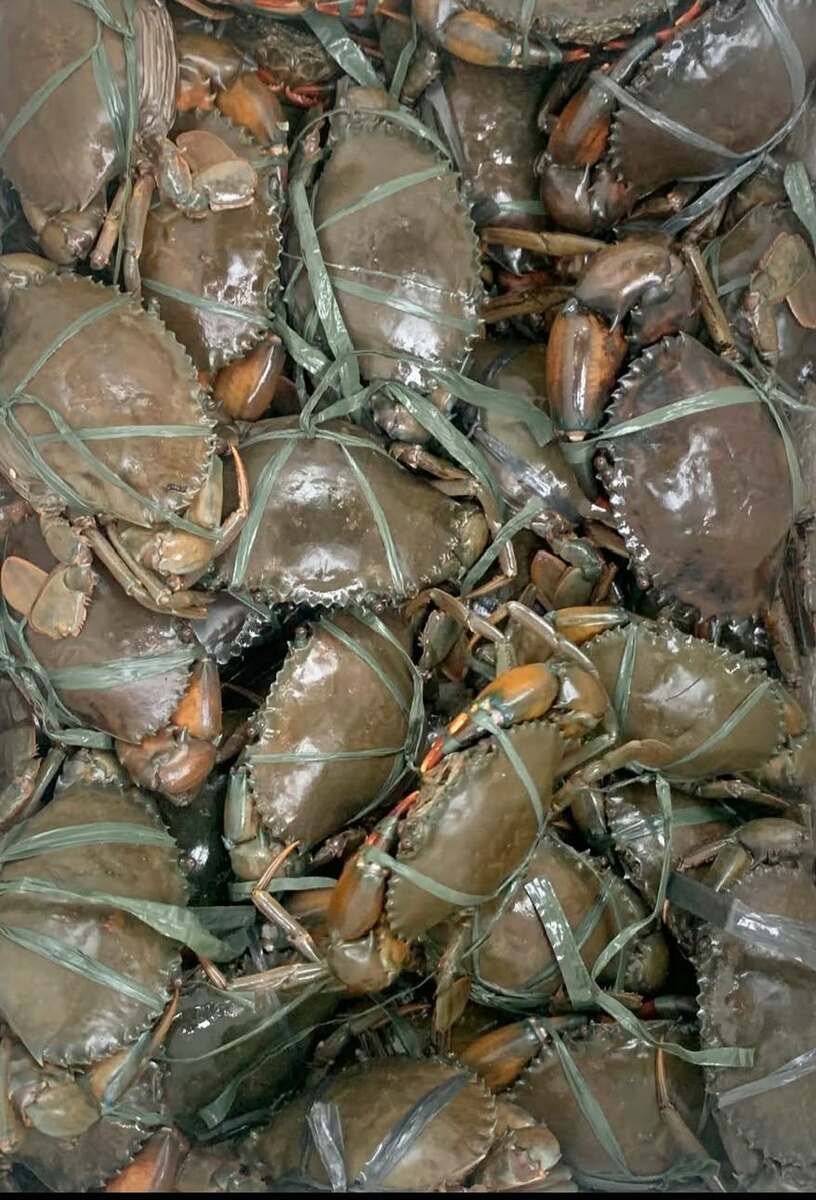
Alimango | Mud crab (mangrove crab) | Dark green to brown, thick heavy shell, big strong claws | Alive, with the claws tied |
Alimasag (kasag, lambay) | Blue swimming crab (blue crab) | Flatter and lighter, bluish or spotted shell, long thin claws, paddle-shaped back legs | Fresh or chilled, by the kilo |
Talangka | Small shore crab | Small, only a few centimetres wide | By the kilo, or as taba ng talangka (crab fat) in jars |
Curacha | Spanner crab (red frog crab) | Red even when raw, with a long body | Mostly in Zamboanga City markets and restaurants |
Names differ by region, so ask the seller which kind the listing is.
Alimango (mud crab) lives in mangroves and brackish fishponds. It is bigger and heavier, with a thick shell and large claws full of meat, and it is usually sold alive. Alimasag (blue swimming crab) lives in the sea. It is flatter and lighter, with a thinner shell and sweet, delicate meat, and it is usually sold fresh rather than alive. Alimango usually costs more per kilo than alimasag.
Crab prices depend on the kind, the size and the day’s catch. As of October 2026, this is what sellers list on FarmyHub:
Crab | Listed price per kilo | Minimum order | Seller’s city |
|---|---|---|---|
Fresh live crabs | ₱450 | 1 kilo | Davao City |
The listing doesn’t say whether the crabs are alimango or alimasag, so ask the seller before you order. Bigger crabs and female crabs with aligue (crab fat) usually cost more.
Alive and moving: mud crab should be alive when you buy it. Its legs and eyes should move when you touch it.
Heavy for its size: a heavy crab is full of meat. A light one may have just changed its shell and will be watery.
Male, female or bakla: look at the flap on the belly. A narrow, pointed flap is a male (lalaki), with bigger claws and more meat. A wide, round flap is a female (babae), with more aligue. In between is what vendors call bakla, a young female.
Shell: it should feel hard when you press it, not soft.
Smell: clean, like the sea, never sour or like ammonia.
Ask the seller when the crabs were caught and how they will be packed for delivery.
FarmyHub is a marketplace, not a seafood stall. We don’t catch, pack or deliver the crabs. Each seller manages their own listing, price and stock, so message the seller through the listing to confirm the kind, the size, the price and the delivery.
Also browse shrimp (hipon), squid (pusit), oysters (talaba), fresh fish and all fresh seafood for sale. Looking for a regular supplier? See our list of fresh fish and seafood suppliers in the Philippines.
Alimango is mud crab in English. It is also called mangrove crab.
Alimasag is the blue swimming crab, often just called blue crab. In the Visayas and Mindanao it is also called kasag or lambay.
As of October 2026, fresh live crabs are listed on FarmyHub at ₱450 per kilo in Davao City. The listing doesn’t name the kind, so ask the seller. Prices change with the kind, the size and the catch.
Aligue is crab fat, the orange part under the shell. Female crabs have the most. Taba ng talangka is the same fat from small talangka crabs, usually sold in jars.
Check the seller’s city on each listing. Right now crabs are listed from Davao City. For the big fish ports and seafood markets, see our list of fish ports and seafood markets in the Philippines.
Sa FarmyHub, may buhay na crabs na nakalista sa ₱450 kada kilo sa Davao City ngayong Oktubre 2026. Hindi nakasaad kung alimango o alimasag, kaya itanong sa seller. Nagbabago ang presyo depende sa uri, laki at huli.


