

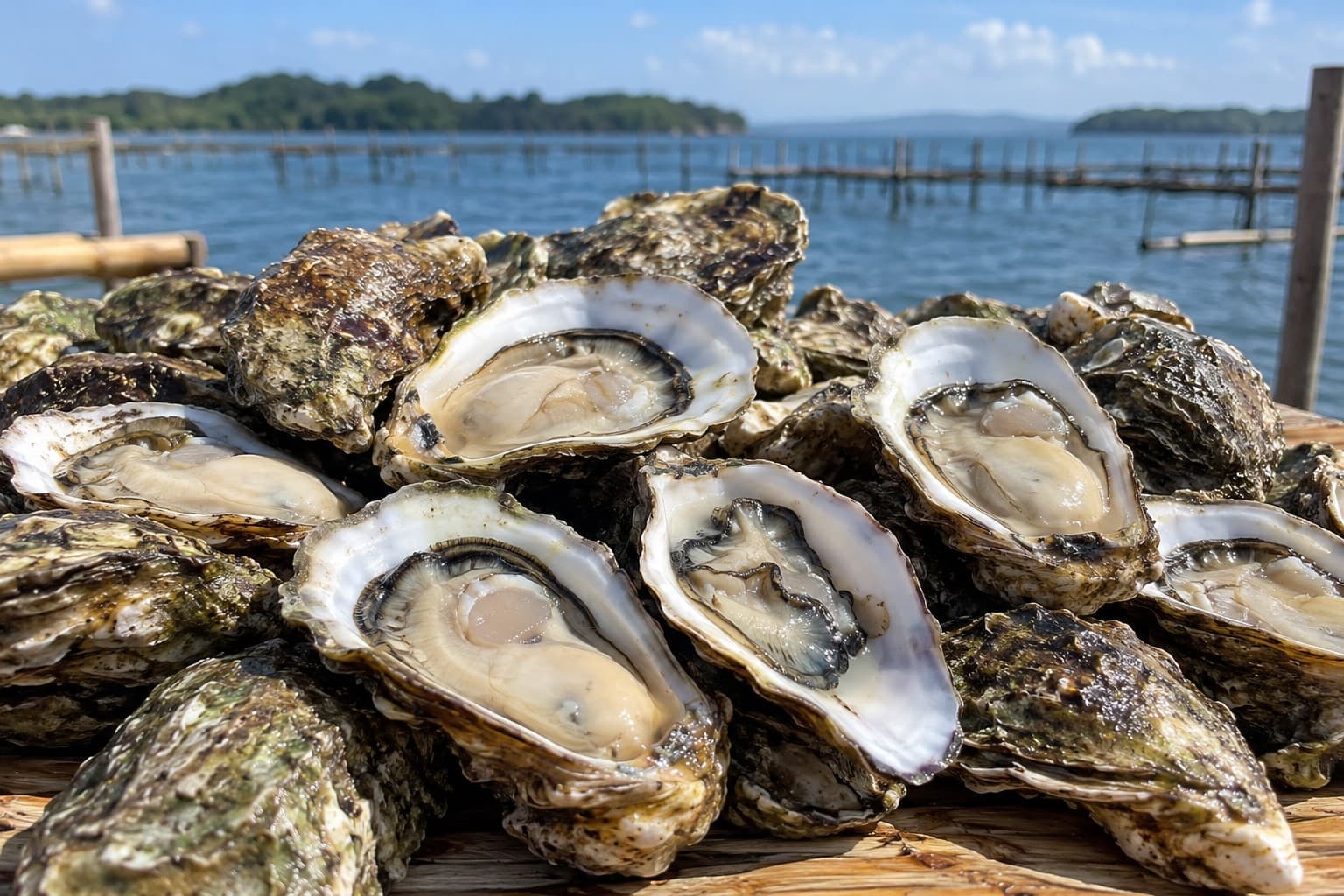
Oysters in the Philippines: Benefits, Nutrition, Farming and 6 Sellers to Buy From
Oysters, or talaba, are one of the Philippines' favorite seafoods, grilled with garlic, steamed, or cooked in soup. Oysters are sold live in their shells or as shucked meat, and buyers can browse fresh oysters for sale from sellers in Tagum, Cebu, Davao, and Manila on FarmyHub.
This guide covers 6 oyster sellers on FarmyHub, then the benefits of oysters, nutrition facts, pearls, how oysters are farmed in the Philippines, and how to eat oysters safely.
In this guide | Short answer |
|---|---|
6 sellers compared by place, price and minimum order | |
Elgie Grace Ramada, Yasser Auman, Sam Jugalbot, Jean Gadia, Benjie Te and Christian Maglinas, from 1 kg orders to 40 kg bulk orders | |
A sea animal with two shells (a bivalve); the slipper oyster is the most common kind here | |
An excellent source of zinc, also rich in iron, vitamin B12 and selenium | |
81 kcal, 9.5 g protein and 16.6 mg zinc per 100 g of raw oysters | |
Pearls form around an irritant; jewelry pearls come from pearl oysters, not from the talaba we eat | |
Stake, hanging and broadcast methods; Capiz, Bulacan and Pangasinan harvest the most | |
All bivalves: oysters stay attached, mussels cling with threads, clams bury in sand, scallops can swim | |
Raw or undercooked oysters can cause Vibrio food poisoning, so cook them and check BFAR’s red tide bulletin | |
Steam 4 to 9 minutes or boil 3 to 5 minutes after the shells open; boil shucked oysters at least 3 minutes | |
8 quick answers, one in Tagalog |
Oyster Sellers at a Glance
Here is a quick look at the six sellers. Location, product, listing price and minimum order sit side by side, so you can compare them before you message anyone. Ask each seller if the oysters come from their own oyster farm or from other growers.
Seller | Location | What they sell | Price | Minimum order |
|---|---|---|---|---|
Tagum, Davao del Norte | Large live oysters, about 6 to 8 per kilo | ₱95 per kilo | 1 kg | |
Liloan, Cebu | ₱100 per kilo | 1 kg | ||
Liloan, Cebu | ₱120 per kilo | 40 kg | ||
Davao City | ₱145 per kilo | 1 kg | ||
Davao City | ₱190 per kilo (₱2,850 per lot) | 1 lot (15 kg) | ||
Manila | ₱120 per kilo in shell, ₱600 per kilo meat | 1 kg |
Prices are listing prices as of October 2026 and may change.
6 Oyster Sellers on FarmyHub
These talaba seafood sellers range from 1 kg home orders to bulk lots for resellers. FarmyHub is a marketplace, so you contact each seller directly about size, delivery and payment. Oysters are sold by harvest, so message the seller to check what is available now.
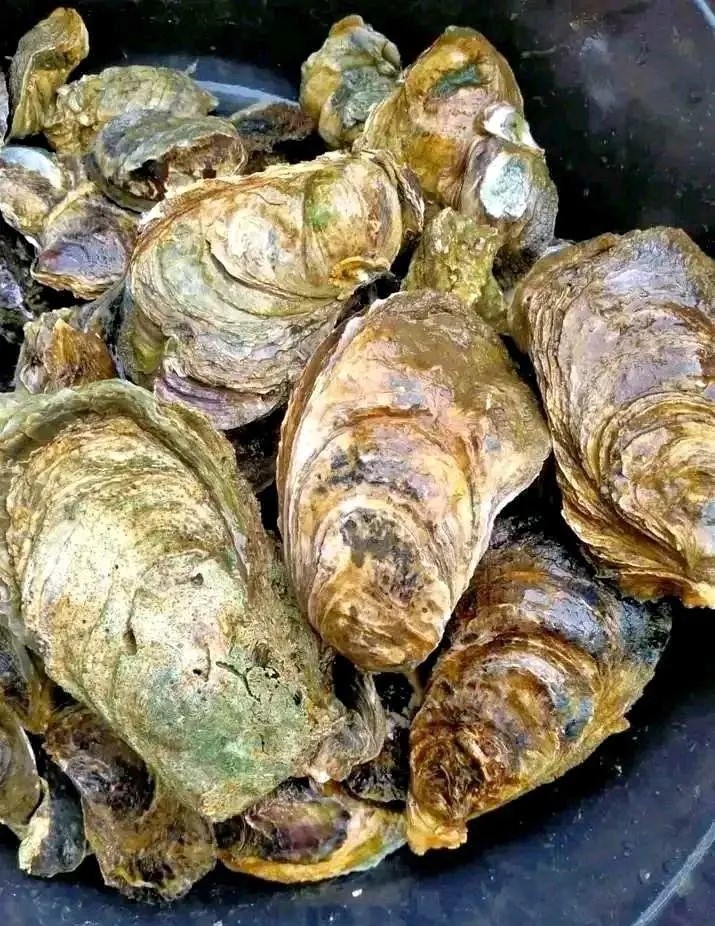
1. Elgie Grace Ramada - Large Live Oysters from Tagum
Elgie Grace Ramada sells live oysters from Tagum, in Davao del Norte. The oysters are large, about 6 to 8 pieces per kilo, and the seller marks the size as "dagkog size." The listing suggests grilling or steaming them, and it showed 100 kg in stock when we checked.
What they offer: Large live oysters, about 6 to 8 pieces per kilo
✅ Key highlights:
Large size, with fewer pieces per kilo
Suited to grilling or steaming
100 kg in stock when checked
Listed in October 2026
Location: Tagum, Davao del Norte
Price: ₱95 per kilo
Minimum order: 1 kg
Best for: Home cooks who want big oysters for the grill or steamer, starting from 1 kg.
🦪 View Elgie Grace Ramada’s oysters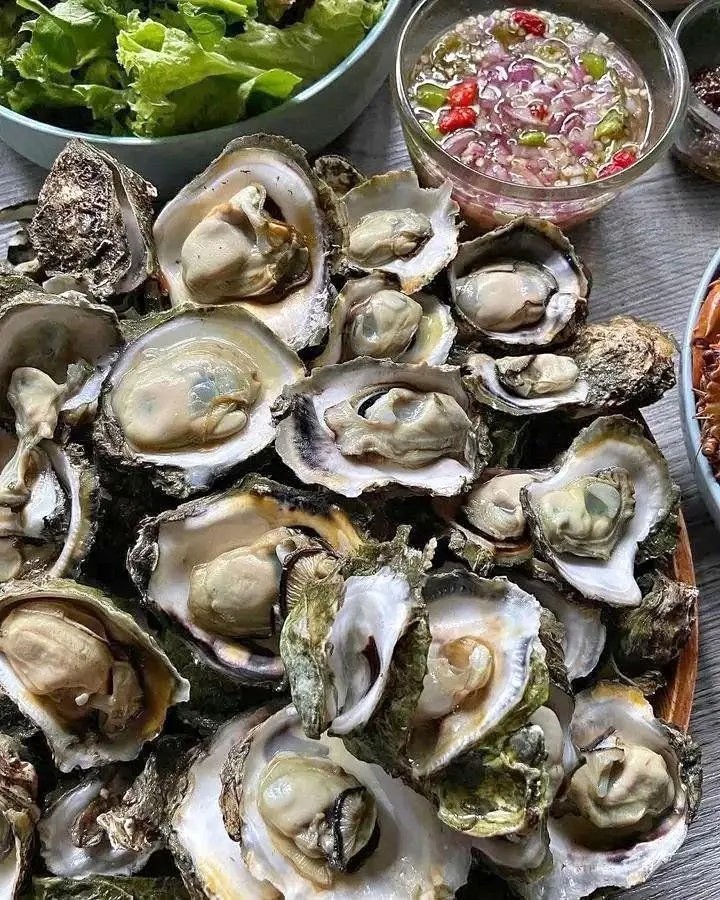
2. Yasser Auman - Fresh Oysters in Mixed Sizes from Liloan, Cebu
Yasser Auman lists fresh talaba from Liloan, Cebu, and says they are available now. The oysters come in different sizes, and the listing welcomes both small and bulk orders. It showed 250 kg in stock when we checked.
What they offer: Fresh oysters in different sizes
✅ Key highlights:
Different sizes in one listing
Open to small and bulk orders
250 kg in stock when checked
Listed in September 2026
Location: Liloan, Cebu
Price: ₱100 per kilo
Minimum order: 1 kg
Best for: Buyers who want to start with 1 kg and may order more later.
🦪 View Yasser Auman’s oysters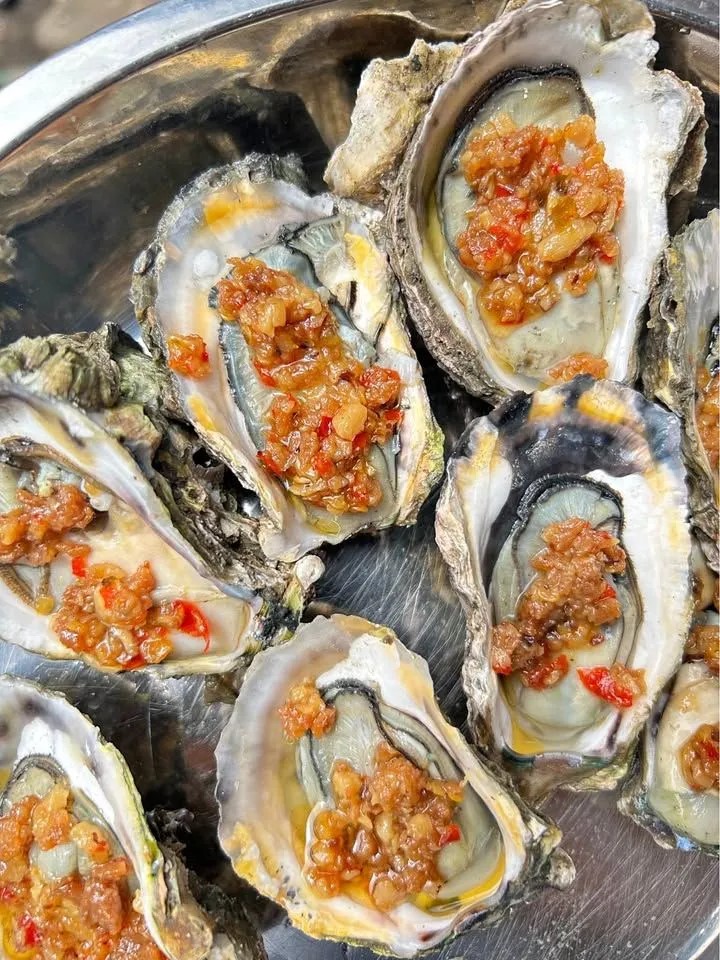
3. Sam Jugalbot - Oysters for Resellers and Bulk Orders in Liloan, Cebu
Sam Jugalbot sells oysters from Liloan, Cebu, with resellers and bulk buyers in mind. The sizes run from small to mixed. The seller describes them as very fresh, from a new harvest. The minimum order is 40 kg, and the listing showed 500 kg in stock.
What they offer: Small to mixed-size oysters for resellers and bulk orders
✅ Key highlights:
Made for resellers and bulk buyers
Small to mixed sizes
The biggest stock of the six sellers: 500 kg when checked
Listed in September 2026
Location: Liloan, Cebu
Price: ₱120 per kilo (₱4,800 for the minimum 40 kg)
Minimum order: 40 kg
Best for: Resellers and bulk buyers who can take 40 kg at a time.
🦪 View Sam Jugalbot’s oysters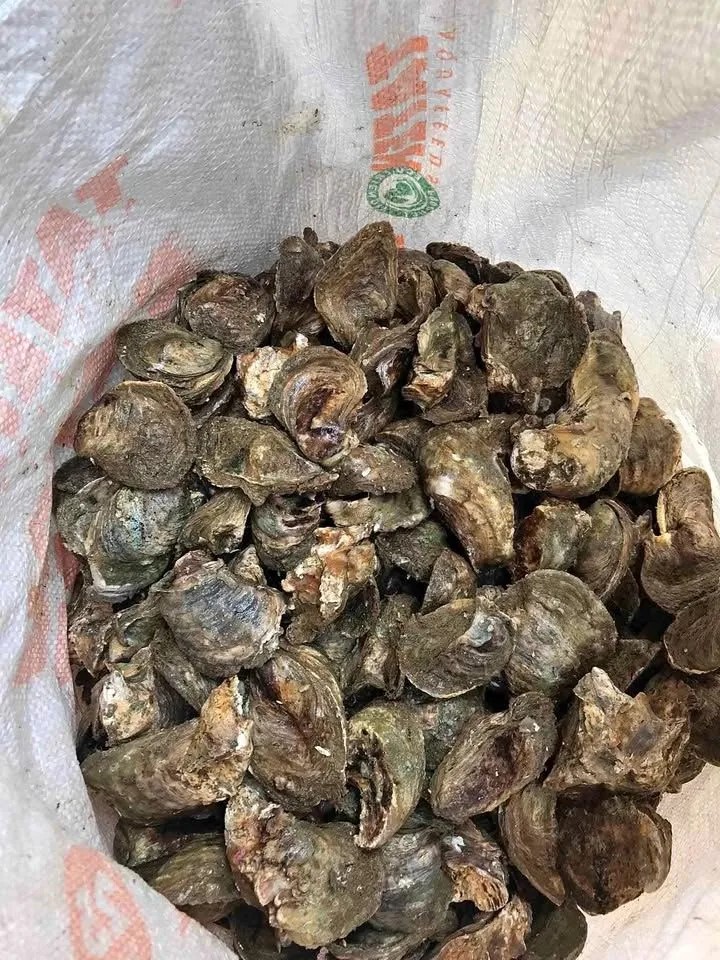
4. Jean Gadia - Large Live Oysters from Davao City
Jean Gadia sells large live oysters in Davao City. The listing is written in Bisaya, where "dagko" means big, so you get fewer pieces per kilo. The oysters suit grilling, steaming or soup. Only 5 kg were in stock when we checked, so message the seller first to confirm what is left.
What they offer: Large live oysters
✅ Key highlights:
Large size, fewer pieces per kilo
Suited to grilling, steaming or soup
Only 5 kg in stock when checked
Listed in October 2026
Location: Davao City
Price: ₱145 per kilo
Minimum order: 1 kg
Best for: Small orders of large oysters for grilling, steaming or soup.
🦪 View Jean Gadia’s oysters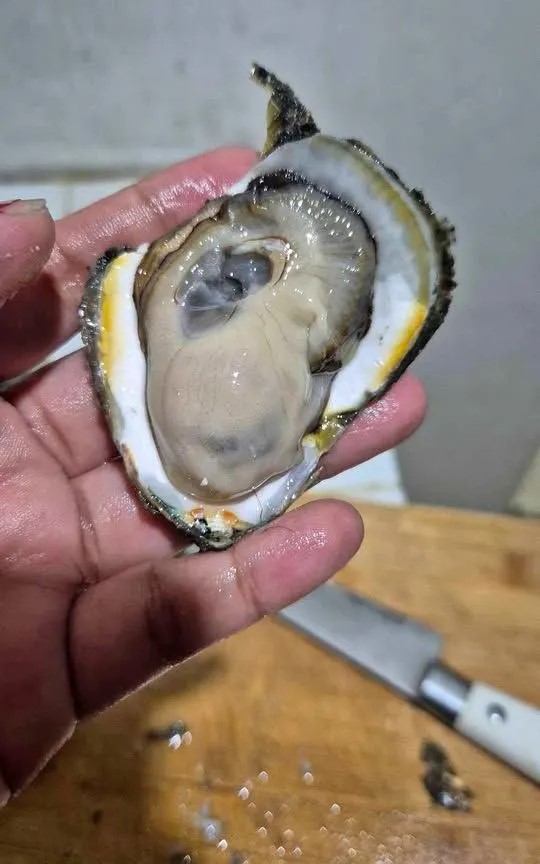
5. Benjie Te - Oysters in 15 kg Lots from Davao City
Benjie Te lists fresh talaba from Davao City in 15 kg lots. Each lot costs ₱2,850, which works out to ₱190 per kilo. The listing is aimed at homes, small food businesses ("negosyo") and events, and it showed 5 lots in stock.
What they offer: Oysters sold in 15 kg lots
✅ Key highlights:
Sold by the lot, not by the kilo
For homes, small food businesses or events
5 lots in stock when checked
Listed in October 2026
Location: Davao City
Price: ₱2,850 per 15 kg lot (₱190 per kilo)
Minimum order: 1 lot (15 kg)
Best for: Families, small food businesses and events that need a big batch at once.
🦪 View Benjie Te’s oysters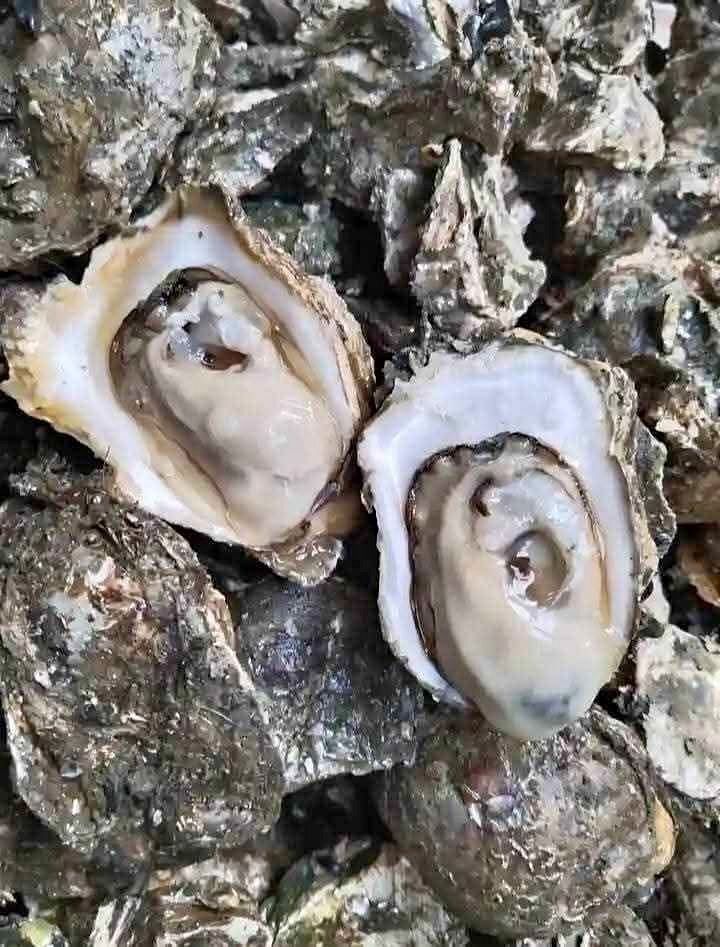
6. Christian Maglinas - Oysters in Shell and Shucked Oyster Meat from Manila
Christian Maglinas has two oyster listings in Manila. Talaba Shell is whole oysters in the shell, for grilling, steaming or baking. Talaba Meat is shucked oyster meat with no shell, for frying, soups and sizzling dishes. It is the only shucked oyster product in this guide. Both listings showed 10 kg in stock and were posted in January 2026, so confirm availability with the seller before you order.
What they offer: Whole oysters in the shell, and shucked oyster meat
✅ Key highlights:
Two products in one shop: shell-on and shucked
Oysters in shell for grilling, steaming or baking
Oyster meat for frying, soups and sizzling dishes
10 kg in stock for each when checked
Location: Manila
Price: ₱120 per kilo for oysters in shell; ₱600 per kilo for oyster meat
Minimum order: 1 kg for each product
Best for: Buyers who want a choice between shell-on oysters for the grill and ready-to-cook oyster meat.
🦪 View Christian Maglinas’s oystersWhat Is an Oyster?
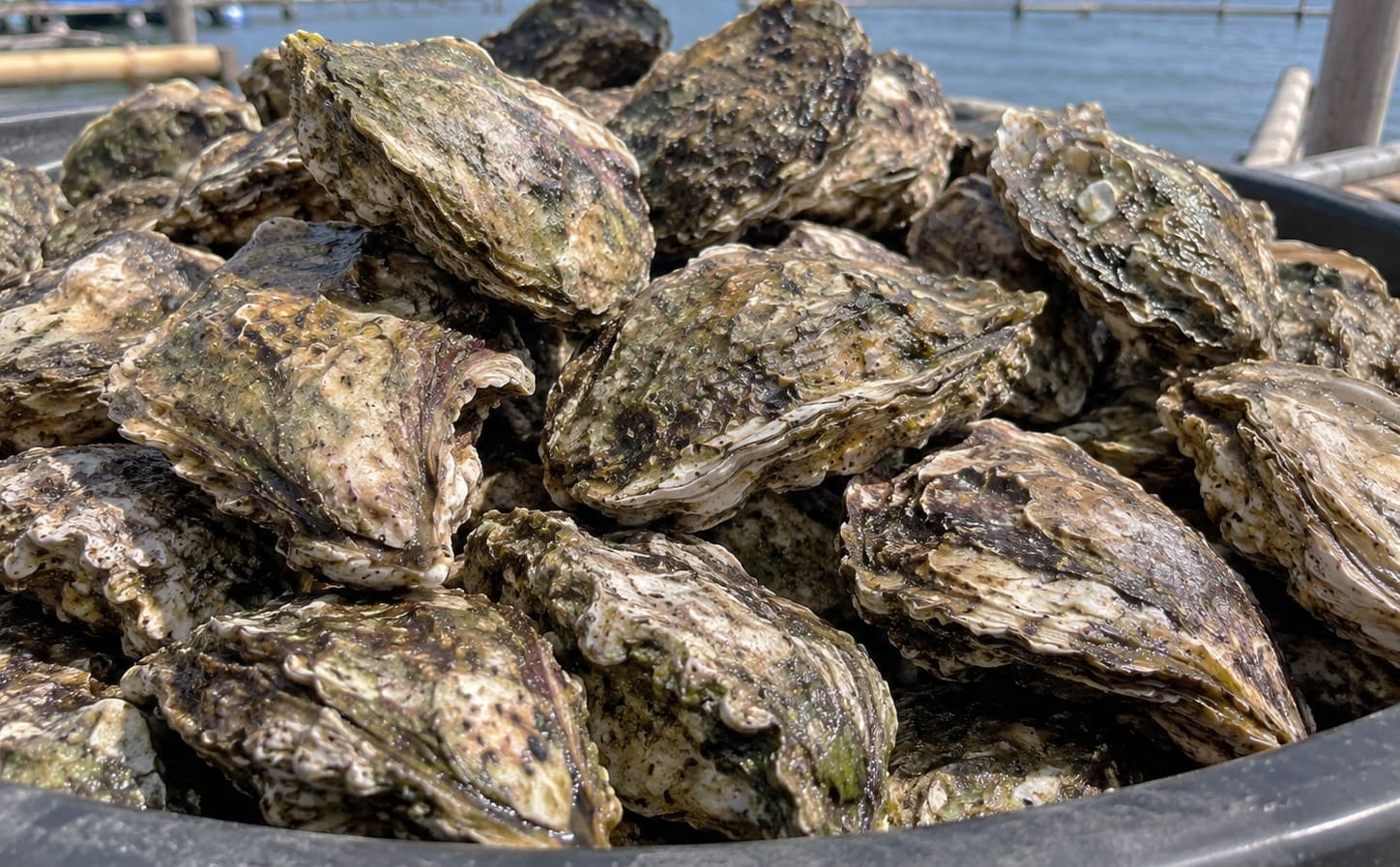
An oyster is a sea animal, a shellfish with two shells (a bivalve), like clams and mussels. Although oysters are commonly sold alongside fish and other seafood, they are shellfish, not fish.
The natural oyster habitat is shallow, sheltered bays and river mouths. There the oyster attaches itself to rocks, stakes or other shells and stays in place for life. It feeds by filtering tiny bits of food from the water. When many oysters grow together, they can build oyster reefs.
The oyster life cycle starts in the water. Young oysters, called spat, float for a short time and then settle on a hard surface. Farmers use this by hanging shells in the water for the spat to settle on.
A short oyster description: a thick, rough and uneven shell outside, and soft meat inside. The taste of oyster meat is salty, like the sea, and the texture is soft and creamy. Bigger oysters have more meat.
There are several types of oysters in the Philippines. The table below shows the main kinds. The slipper oyster (talabang tsinelas) is the most common and the one most farmed. Its scientific name is Crassostrea iredalei (newer name: Magallana bilineata).
Oyster | Scientific name | Good to know |
|---|---|---|
Slipper oyster (talabang tsinelas) | Crassostrea iredalei (newer name: Magallana bilineata) | The most common oyster in the Philippines and the one most farmed |
Subtrigonal oyster | Crassostrea malabonensis | Also commonly farmed |
Curly and palm-root oysters | Crassostrea cucullata, Crassostrea palmipes | Also farmed, less common |
Gold-lip pearl oyster | Pinctada maxima | Grown for South Sea pearls, not sold as food |
Windowpane oyster (kapis) | Placuna placenta | Collected for its thin, see-through capiz shell |
Sources: BFAR Dagupan center via Sunday Punch (2017) for the slipper oyster; BFAR paper in an FAO report for the four farmed species; Pinctada maxima and windowpane oyster on Wikipedia.
Oyster Benefits: What Oysters Contain
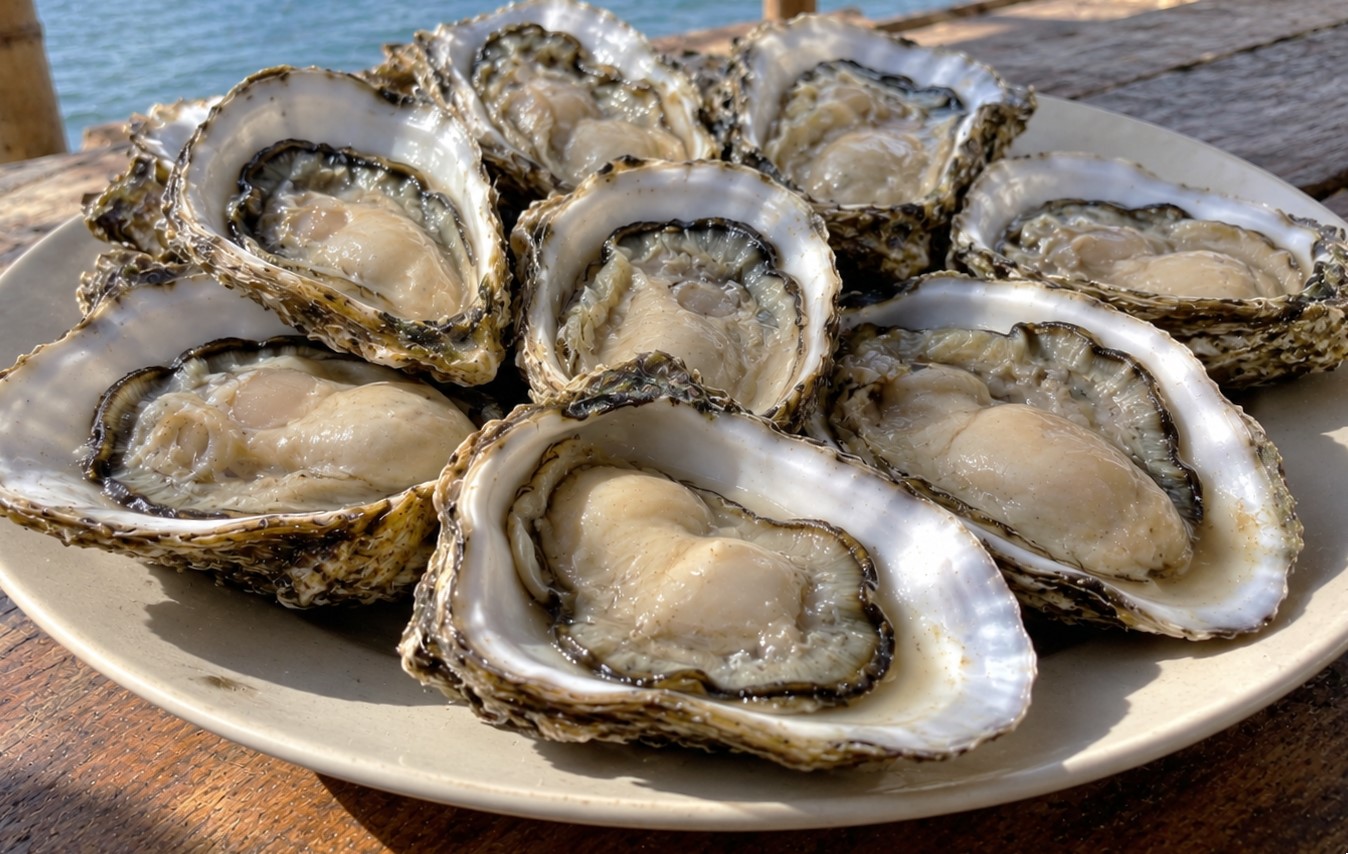
Oysters provide several important nutrients, including zinc, iron, vitamin B12, selenium, and protein. This section summarizes their nutritional content using USDA and NIH data rather than making claims about specific health effects.
Oysters are an excellent source of zinc. According to the NIH, 100 g of raw oysters contains about 16.6 mg of zinc. Adult women need 8 mg of zinc a day, and men need 11 mg. Source: NIH Office of Dietary Supplements, Zinc
Oysters are also rich in iron, vitamin B12 and selenium. Per 100 g, raw oysters provide 5.1 mg of iron, 16 µg of vitamin B12, and 77 µg of selenium.
Raw oysters provide about 9.5 g of protein and 81 calories per 100 g.
Is talaba healthy? Oysters are low in calories and rich in zinc, vitamin B12 and iron. Just eat them cooked (see the safety section).
Oyster Nutrition Facts (per 100 g)
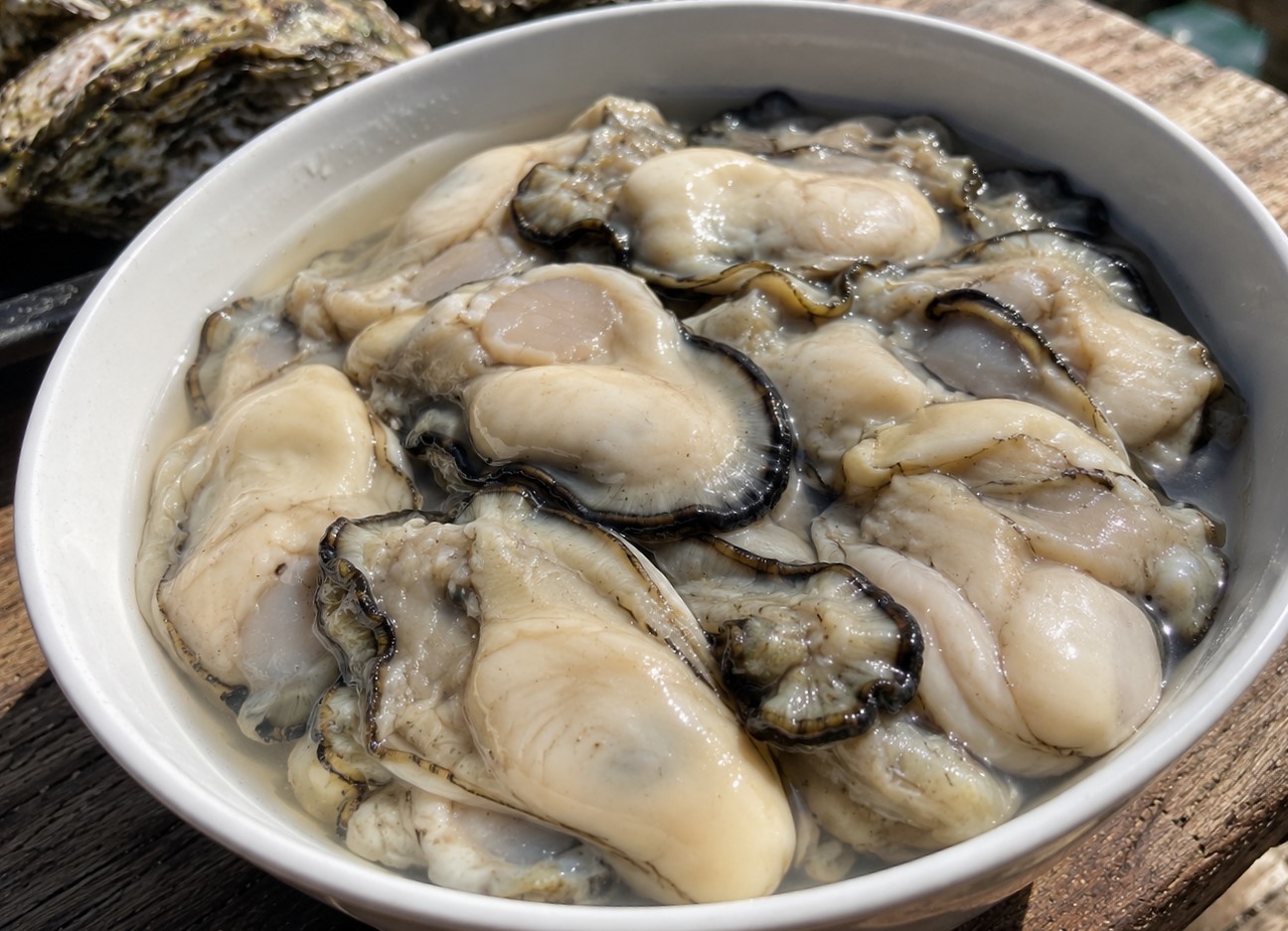
Raw oysters contain 81 calories per 100 g. The table below shows the nutritional value of raw oysters per 100 g (USDA data).
Nutrient | Amount per 100 g |
|---|---|
Calories | 81 kcal |
Water | 82.1 g |
Protein | 9.5 g |
Fat | 2.3 g |
Carbohydrate | 5.0 g |
Cholesterol | 50 mg |
Zinc | 16.6 mg |
Iron | 5.1 mg |
Vitamin B12 | 16 µg |
Selenium | 77 µg |
Copper | 1.6 mg |
Phosphorus | 162 mg |
Potassium | 168 mg |
Sodium | 106 mg |
USDA data for the Pacific oyster. There is no USDA data for the Philippine slipper oyster, a close relative. Source: USDA FoodData Central, Mollusks, oyster, Pacific, raw
One medium oyster weighs about 50 g (USDA), so it has about 40 calories.
Are oysters high in cholesterol? Raw oysters contain 50 mg per 100 g. If your doctor has told you to limit cholesterol, ask them how often you can eat oysters.
Oyster Pearls and Shells
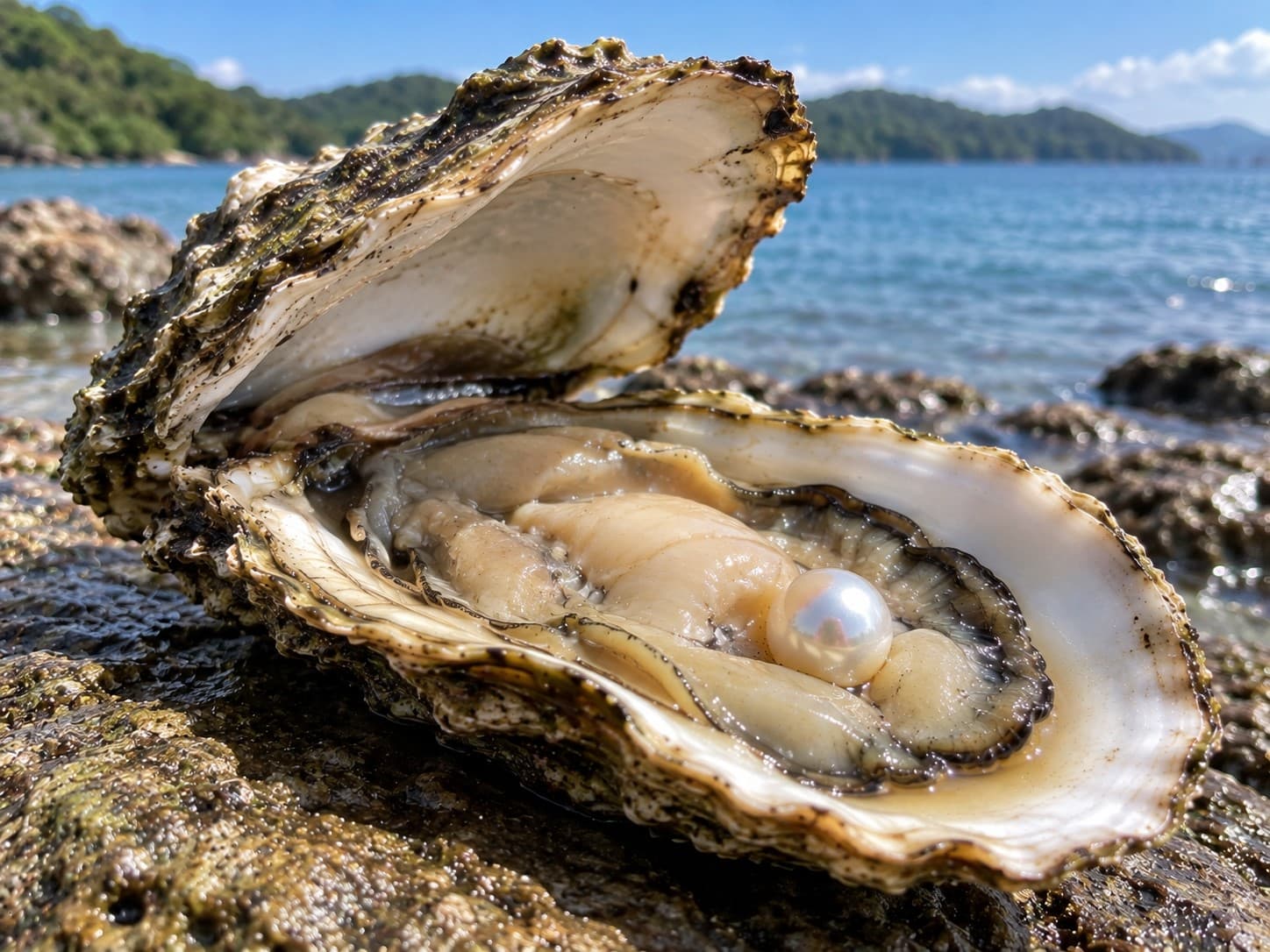
Why do oysters produce pearls? Pearls form as a natural defense against an irritant. When something enters the shell, the oyster gradually covers it with layers of nacre, also called mother-of-pearl. Source: Natural History Museum, London.
The talaba we eat are not the pearl oysters. Jewelry pearls come from pearl oysters such as the gold-lip pearl oyster, Pinctada maxima, which makes South Sea pearls. This Pinctada maxima oyster is grown for its pearls, not sold as food.
The Philippine pearl, known as the South Sea pearl, is the national gem of the Philippines. It was declared so on October 15, 1996 (Proclamation No. 905).
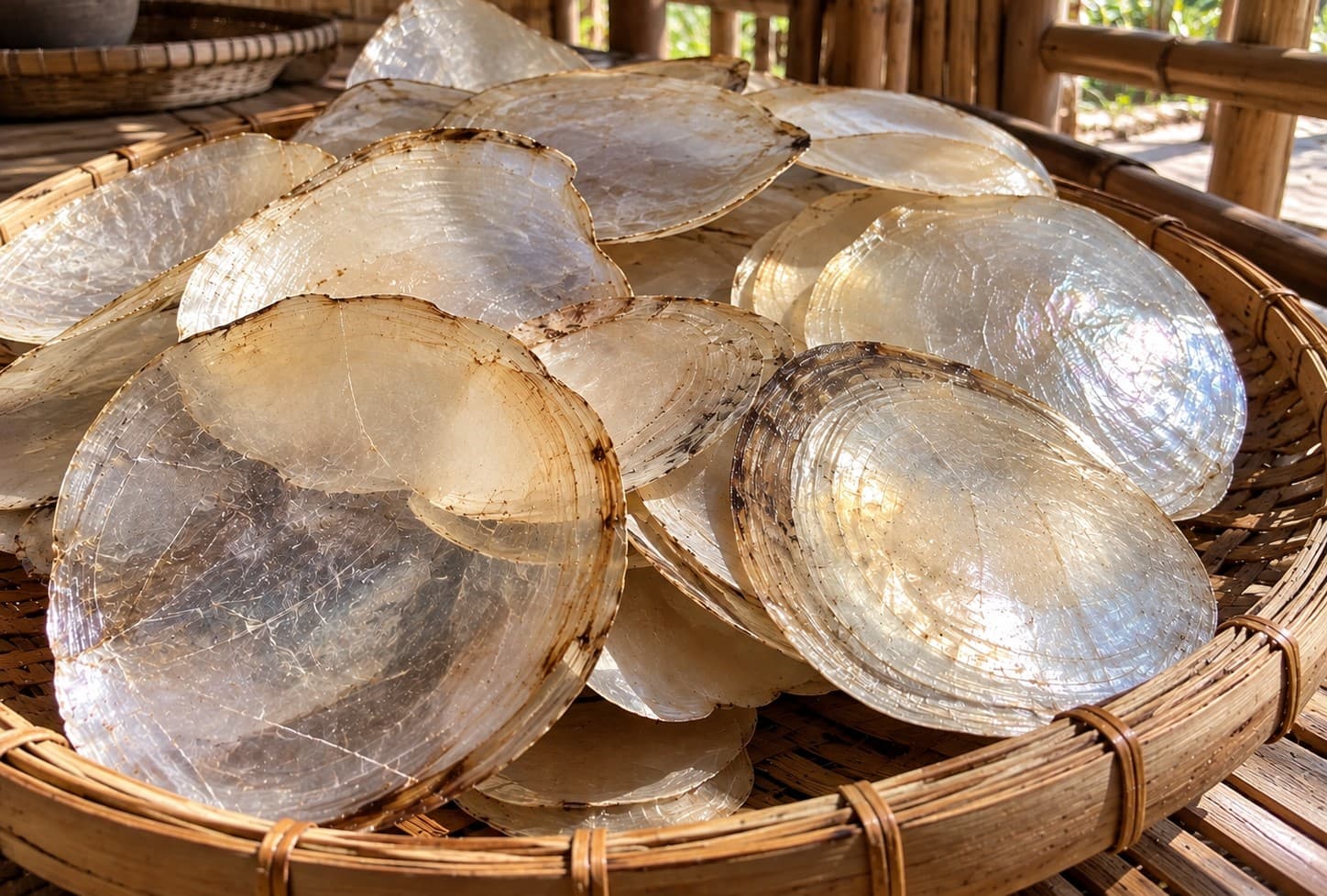
The windowpane oyster (Placuna placenta) has a thin, see-through shell. This is the capiz (kapis) shell used for windows, lamps and decorations. It is collected for the shell, not sold as talaba. Farming of windowpane oysters in the Philippines began in the late 1940s (SEAFDEC country report, 1982).
As for the oyster shell of the kinds we eat, it is rough and thick, and you open (shuck) it to get the meat. The shells are sharp, so use a cloth or glove.
How Oysters Are Farmed in the Philippines
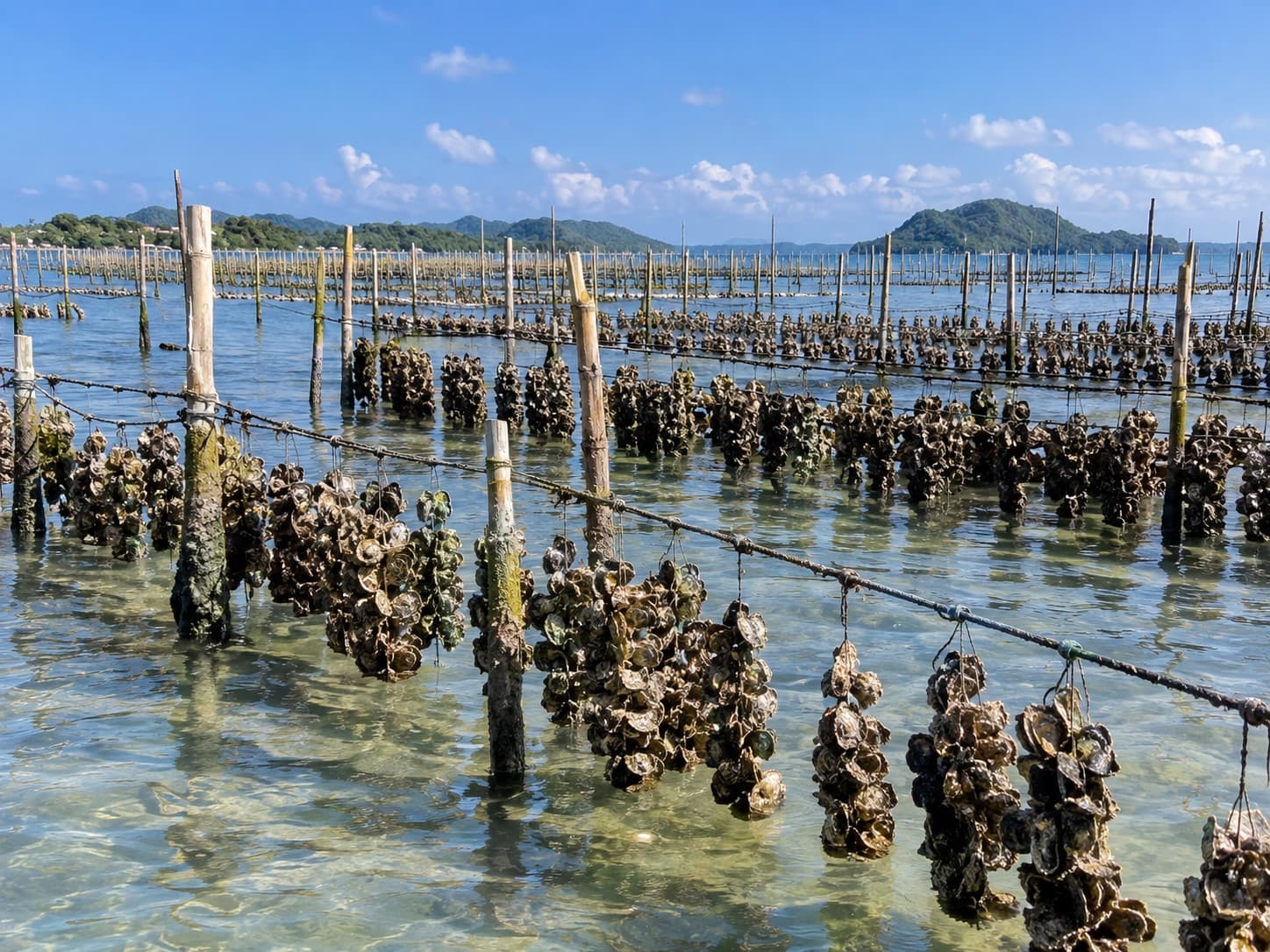
Oyster farming, also called oyster culture, has a long history in the Philippines. Bivalve farming began in the early 1900s, and in May 1934 the government's fisheries office (now BFAR) set up a pilot oyster farm in Binakayan, Cavite. Source: SEAFDEC country report (1982).
Who pioneered oyster culture in the Philippines? The records don't name one person. They start with the government's own work, such as that 1934 pilot farm.
Farming oysters here uses three main methods, and a talaba farm may use more than one:
The stake method, on soft, muddy bottoms.
The hanging method, with empty oyster or coconut shells strung on twine for young oysters to settle on.
The broadcast method, on firm bottoms.
Newer BFAR projects also use rafts. Sources: BFAR paper in an FAO report; BFAR Region 9.
Oyster aquaculture is spread across several provinces. Capiz (5,979 tons), Bulacan (5,032 tons) and Pangasinan (4,110 tons) were the top oyster producers, followed by Iloilo and Negros Occidental. Source: BFAR Dagupan center via Sunday Punch (2017).
What is the oyster capital of the Philippines? BFAR describes Zamboanga Sibugay as the former "Talaba Capital of the Philippines." Its Zamboanga Sibugay office is expanding oyster farming in Ipil to help bring that status back (BFAR Region 9). On February 26, 2026, Ipil set a Guinness World Record for the longest line of bivalve shells, with 24,222 oyster shells. The province's Sibug-Sibug Festival also features a long talaba grill.
Oyster depuration is a clean-up step after harvest. The oysters are kept in clean, flowing seawater so they flush out bacteria on their own. A SEAFDEC study cleared oysters in 24 to 48 hours. The first commercial-scale oyster depuration plant was set up in Barangay Tapuac, Dagupan City (Sunday Punch, 2018).
Oysters vs Mussels, Clams and Scallops
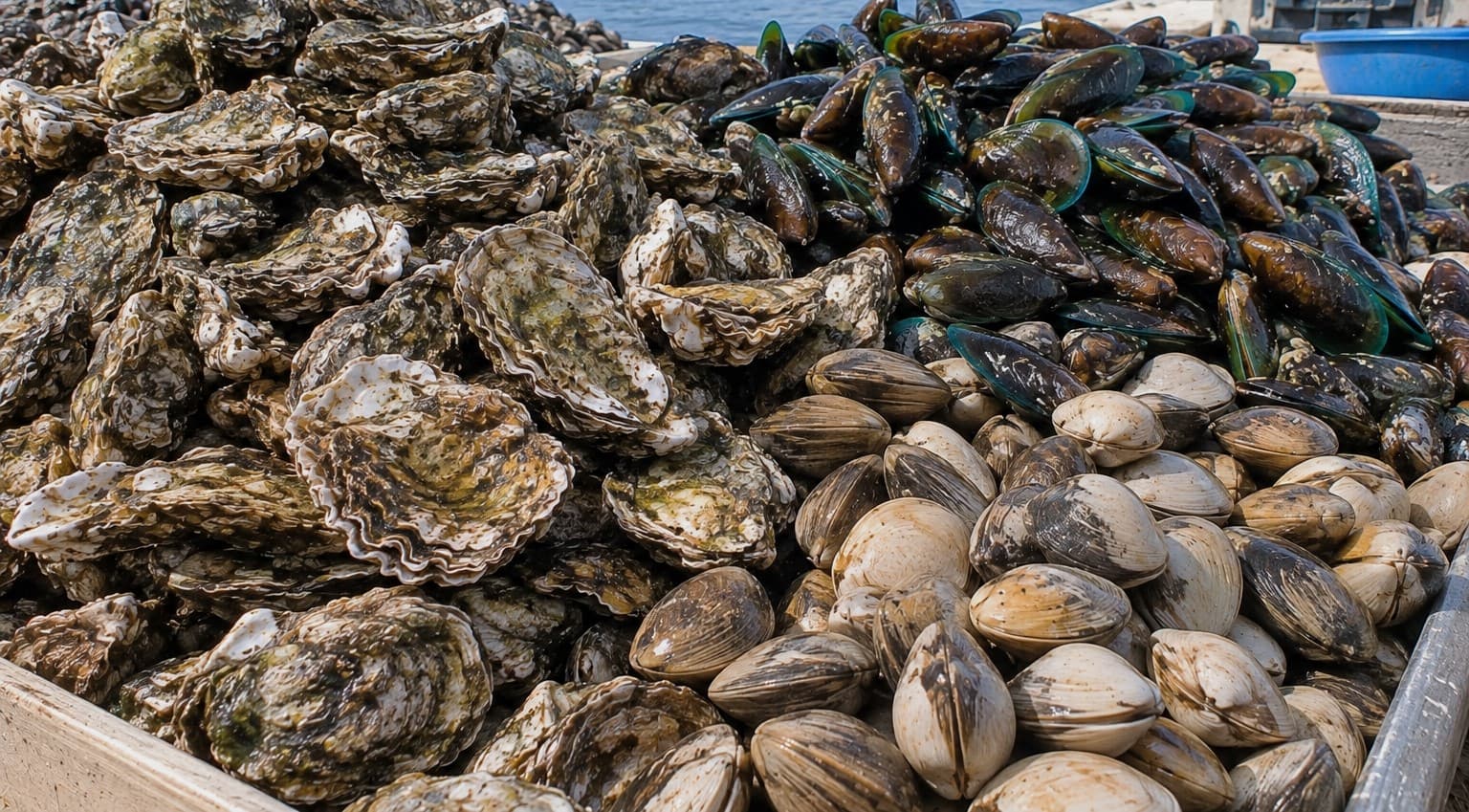
Shellfish | Filipino name | Shell | How it lives |
|---|---|---|---|
talaba | Rough, thick and uneven | Attaches itself to rocks, stakes or other shells for life | |
tahong | Smooth, long, dark green | Holds on to surfaces with thin threads | |
halaan, tulya | Smooth, round, two equal halves | Buries itself in sand or mud | |
scallop | Fan-shaped, with ridges | Lies on the sea floor and can swim by clapping its shells |
The main difference between oysters, clams, and mussels is how they live. Oysters attach themselves to rocks, stakes, or other shells, mussels cling to surfaces with thin threads, and clams bury themselves in sand or mud. Although clams, oysters, and mussels are all bivalves, they differ in shell shape, texture, and how they live.
Scallops differ from oysters in both shape and movement. They have fan-shaped, ridged shells and can swim by clapping their shells together, while oysters generally remain attached to a surface.
Are Raw Oysters Safe? Red Tide and Food Safety
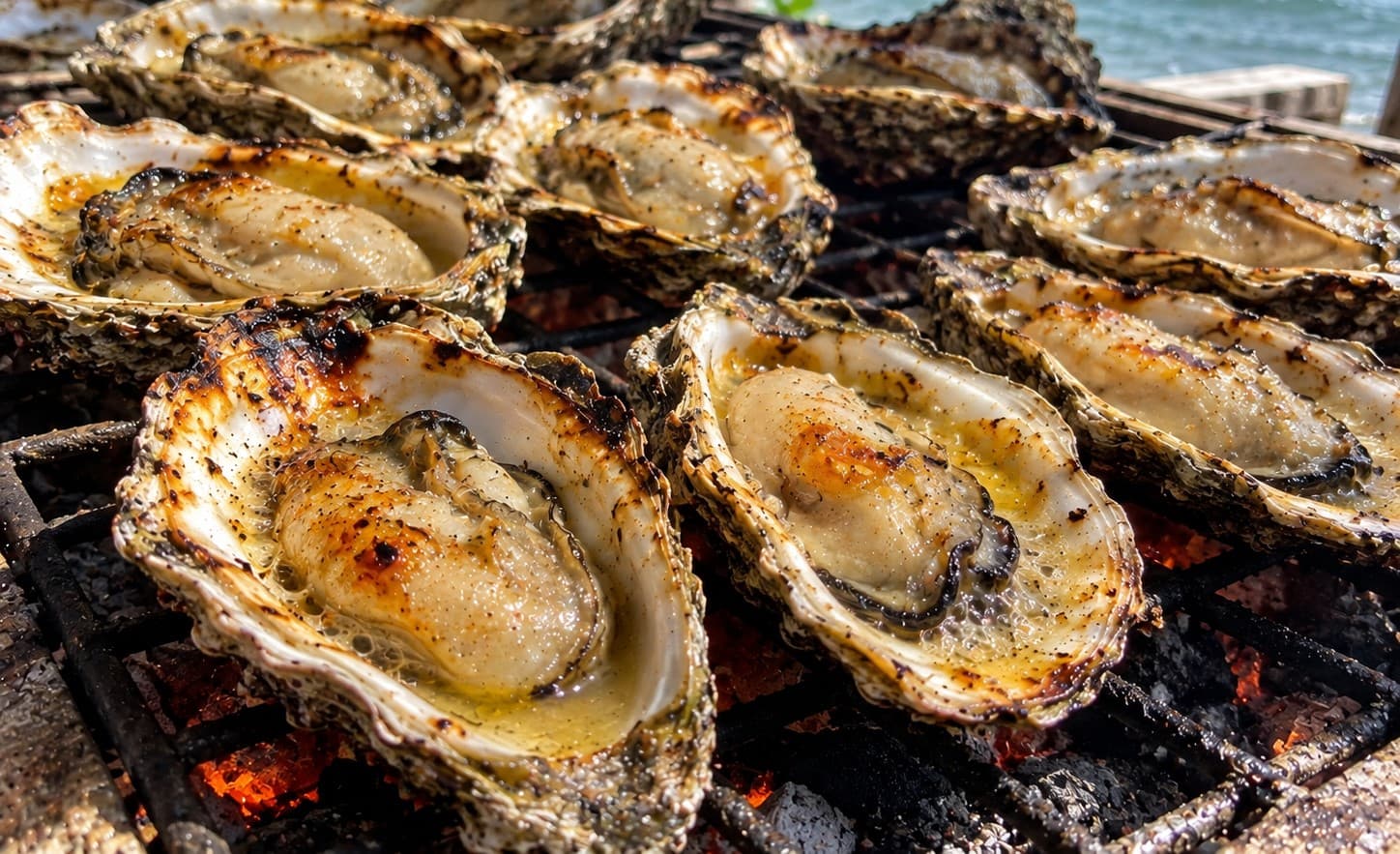
The main side effects of eating talaba are food poisoning from raw or undercooked oysters, and allergic reactions. Eating raw or undercooked oysters can cause food poisoning, particularly from Vibrio bacteria. A contaminated oyster may look, smell, and taste normal, and lemon juice or hot sauce does not kill the germs. Cooking oysters properly is the safer choice. Pregnant women, children, older adults, and people with weakened immune systems should avoid raw oysters. Sources: CDC, About Vibrio Infection; CDC, Vibrio and Oysters, FDA, Selecting and Serving Seafood Safely.
Red tide: BFAR's shellfish bulletins list the coastal areas where shellfish is unsafe because of red tide (paralytic shellfish poison). Shellfish from a listed area should not be gathered, sold or eaten until BFAR declares the area free of red tide again, after lab tests. Check the latest BFAR shellfish bulletin before you buy.
Oysters can also trigger allergic reactions in people with shellfish allergies. Anyone with a known shellfish allergy should consult their doctor before eating them.
How to Cook Talaba Safely: Cleaning, Cooking Times and Storing
Here is how to eat an oyster safely, from the sink to the plate. Serving ideas stay simple: a little vinegar, calamansi or garlic goes well with cooked talaba.
How to clean talaba: scrub the shells under running water with a brush. Throw away oysters with cracked or broken shells, and open ones that do not close when you tap them.
How to cook talaba with shell: steam 4 to 9 minutes, or boil 3 to 5 minutes after the shells open. Throw away any that do not open. Do not take them off the grill as soon as they open. Grilling only until they open does not kill the bacteria, so cook them a few minutes more.
How to cook talaba without shell (shucked): boil at least 3 minutes, or until the oysters are plump and the edges curl. So, how many minutes to boil talaba? It is 3 minutes for shucked oysters and 3 to 5 minutes for shell-on oysters after they open.
How to eat talaba: twist the top shell off (or let it open by cooking), loosen the meat with a spoon or small knife, and eat it with a little vinegar, calamansi or garlic.
How to store talaba: keep live oysters in the refrigerator in an open container covered with a damp cloth, never in water or a sealed bag. Cook them as soon as you can.
At the market, learn how to tell if oysters are fresh with Jay's seafood guide. Sources for this section: FDA; Washington State Department of Health.
Frequently Asked Questions About Oysters
Is an oyster a fish?
No. An oyster is a shellfish, a mollusk with two shells, like clams and mussels. It is sold with seafood, but it is not a fish.
What is the scientific name of talaba?
The most common talaba in the Philippines is the slipper oyster, Crassostrea iredalei (newer name: Magallana bilineata).
Who started oyster farming in the Philippines?
No single person is named in our sources. Bivalve farming began in the early 1900s, and in May 1934 the government set up a pilot oyster farm in Binakayan, Cavite.
Which province is the talaba capital of the Philippines?
BFAR describes Zamboanga Sibugay as the former "Talaba Capital of the Philippines" and is helping the province bring back oyster farming.
Can you eat oysters raw?
Cooking is the safer choice. Pregnant women, children, older adults and people with weakened immune systems should avoid raw oysters (FDA).
How many minutes should you boil oysters?
Boil shell-on oysters 3 to 5 minutes after they open. Boil shucked oysters at least 3 minutes, until plump with curled edges.
Do all oysters make pearls?
No. Any oyster can cover an irritant with nacre, but jewelry pearls come from pearl oysters such as Pinctada maxima. The oysters we eat are not the pearl oysters.
Saan galing ang karamihan ng talaba sa Pilipinas?
Ang Capiz, Bulacan at Pangasinan ang may pinakamaraming ani ng talaba, kasunod ang Iloilo at Negros Occidental (BFAR Dagupan, 2017).
Where to Find Oyster Sellers Online
You can compare oyster sellers across Tagum, Cebu, Davao and Manila in one place on FarmyHub. Check the listing, message the seller about the current harvest and stock, and order the size and amount you need. For other seafood, browse fresh seafood on FarmyHub or read our fish and seafood suppliers guide.
🦪 Browse oysters on FarmyHubSell Your Oysters on FarmyHub
Do you farm oysters or harvest talaba? You can reach buyers across the Philippines on FarmyHub. There are two ways to start:
List your products yourself, for free. Create a free account in seconds with your Google or Facebook account, then post your listing in a few minutes. Once approved, your listing is visible to buyers, who can message or call you directly.
🌱 List your products for freeBecome a FarmyHub supplier. Tell us about your farm or business, your products and how much you can supply. Our team will contact you to learn about your business, and when a bulk buyer is looking for what you sell, we can recommend you.
🤝 Become a supplierPrefer using your phone? Download the free FarmyHub app to post listings and reply to buyers on the go.
📱 Get the app on Google PlayMimi is a Partnership & Logistics Coordinator at FarmyHub, the online marketplace connecting farmers, suppliers, cooperatives and buyers across the Philippines. She works with sellers nationwide and researches local agricultural products, prices and sourcing options. Her guides help buyers compare Filipino products and sellers, so they can find the right supplier and contact them directly.