

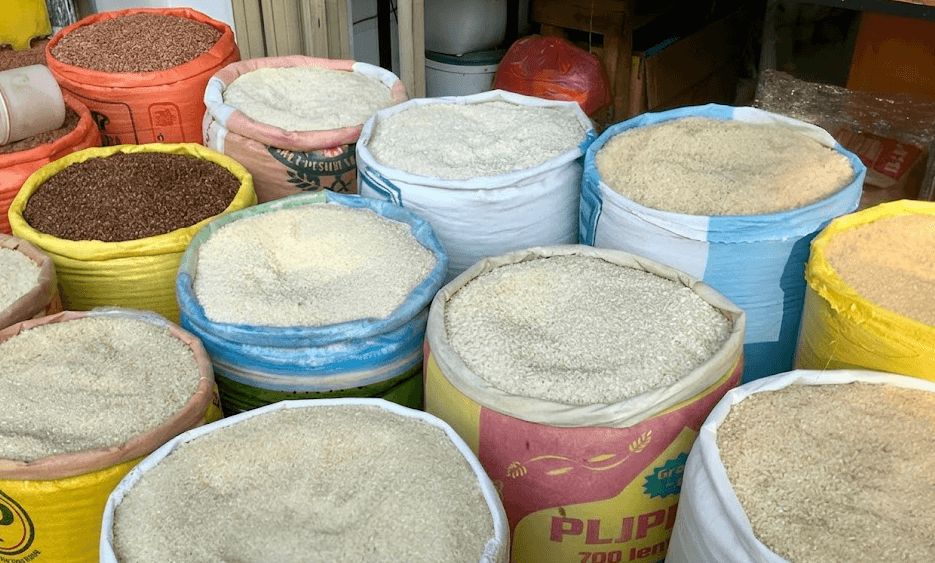
Top 5 Rice Varieties in the Philippines: The Best Rice for Your Food Business
If you are running a food business, you already know that rice is the heart of almost every meal. In the Philippines, a meal is never really complete without a scoop of hot, steaming rice on the side. But as a business owner, you cannot just pick any sack of rice from the market. The rice you choose can make or break your profit and your customers' satisfaction.
Choosing the right business rice means finding the perfect balance between price, taste, and how it looks on the plate. Whether you are running a small canteen, a busy restaurant, or a healthy meal prep service, the type of grain you use matters. Some rice varieties are great because they are cheap and filling, while others are special because they smell good or help people stay healthy.
In this guide, we will look at the five best types of rice for your business. We will explain why they are good, what dishes they fit best, and how they can help your food venture grow.
Buying for your store or kitchen? Browse rice for sale on FarmyHub, or compare the top rice suppliers in the Philippines.
Best Rice in the Philippines at a Glance
There is no single best rice for every kitchen. Here is how the five varieties in this guide compare.
Rice variety | Grain and texture | Best for |
|---|---|---|
Jasmine rice | Fragrant, soft and slightly sticky; the grains hold their shape | Stir-fry dishes, grilled meats such as inasal and liempo, special platters |
Sinandomeng rice | Long-grain white rice, not too sticky and not too hard; stays firm when reheated | Fried rice (sinangag), silog meals, carinderia daily meals |
Japanese rice | Short, round grain; very sticky | Sushi and maki, rice bowls (donburi), onigiri |
Red rice | Whole grain with the bran left on; nutty and chewy | Healthy meal plans, salad bowls, gym menus |
Black rice | Deep black when raw, dark purple when cooked | Desserts such as champorado, upscale meals, vegan and vegetarian menus |
The Top 5 Rice Varieties for Filipino Food Businesses

1. Jasmine Rice: The Fragrant Choice
Jasmine rice is often called "premium" rice because of its high quality. Many local business owners also call it "butter rice" because it has a natural, sweet smell that reminds people of pandan or butter. When you cook it, the grains become soft and a little bit sticky, but they still hold their shape well.
Why it is good for business
The biggest selling point of Jasmine rice is the smell. When a customer walks into your shop and smells that fragrant rice, it immediately makes them hungry. It feels more expensive and high-end. If you want to charge a little more for your meals, using Jasmine rice is a great way to show quality.
Best used for:
Stir-fry dishes: Because it is slightly sticky, it picks up sauces very well.
Grilled meats: It goes perfectly with Chicken Inasal or Liempo.
Special Platters: Use this if you want to impress customers during celebrations.
Jasmine rice listed on FarmyHub (details as of October 2026):
📍 Location: Davao City
📦 Packaging: 25 kg per unit
💰 Price: ₱54 per kg
📦 Package cost: ₱1,350 per unit
View this listing on FarmyHub →
2. Sinandomeng Rice: The All-Rounder
If there is one type of business rice that almost every Filipino eatery uses, it is Sinandomeng. It is known as the "workhorse" of the food industry. This rice is a long-grain white variety that is very reliable. It is not too sticky and not too hard—it is just right.
Why it is good for business
Sinandomeng is popular because it is easy to find and usually priced very fairly. For a business owner, it is great because it is versatile. You can serve it as plain white rice in the morning, and if you have leftovers, it makes the best fried rice the next day. It stays firm even after being reheated, which is very important for take-out and delivery businesses.
Best used for:
Fried Rice (Sinangag): The grains don't mash together, so they fry up perfectly.
Silog Meals: This is the standard rice for Tapsilog, Tocilog, and Bangsilog.
Canteens (Karinderya): It is the most familiar rice for daily customers.

3. Japanese Rice: The Specialty Grain
You might know this as "sushi rice." It is a short-grain rice that is very round and very sticky. In the past, only expensive Japanese restaurants used this. But today, many small food stalls are selling sushi bake, rice bowls, and katsu meals, making Japanese rice a high-demand item.
Why it is good for business:
If your food venture focuses on Asian fusion or Japanese-style meals, you cannot use regular rice. You need that stickiness so customers can eat it with chopsticks or so the sushi rolls don't fall apart. While it costs a bit more, it allows you to enter a "niche" market where people are willing to pay for an authentic experience.
Best used for:
Sushi and Maki: Essential for holding the shape.
Rice Bowls (Donburi): Great for beef bowls or chicken teriyaki.
Rice Balls (Onigiri): A popular snack that is easy to sell to students and office workers.

4. Red Rice: The Healthier Alternative
More and more people are starting to watch what they eat. They want to be fit and healthy. Red rice is a whole grain, which means the outer layer (the bran) is still there. This is where all the fiber and vitamins stay. It has a nutty flavor and a chewy texture that feels very filling.
Why it is good for business:
Offering red rice on your menu is a smart move. It attracts customers who are on a diet, have diabetes, or just want to eat better. Usually, businesses charge an extra 10 to 20 pesos to "upgrade" a meal from white rice to red rice. This is a great way to increase your profit per plate while helping your customers stay healthy.
Best used for:
Healthy Meal Plans: Perfect for boxed lunches delivered to offices.
Salad Bowls: It adds a nice color and crunch to vegetable-heavy meals.
Gym Menus: Great for high-protein meals served near fitness centers.
Red rice listed on FarmyHub (details as of October 2026):
📍 Location: Davao City
📦 Packaging: 25 kg per unit
💰 Price: ₱58 per kg
📦 Package cost: ₱1,450 per unit
View this listing on FarmyHub →
5. Black Rice: The "Forbidden" Premium
Black rice is the most unique variety on this list. When it is raw, it looks deep black, but once you cook it, it turns into a beautiful dark purple color. In ancient times, it was called "forbidden rice" because only kings and royalty were allowed to eat it. It is packed with antioxidants and iron, even more than red rice.
Why it is good for business:
Black rice makes your food look amazing. It is very "Instagrammable." If you want your business to stand out on social media, serving a bright purple rice dish will get people talking. It has the highest protein of all the rice types, so it is a premium product that you can sell at a higher price point.
Best used for:
Gourmet Desserts: Like black rice pudding or Champorado.
Upscale Meals: For customers who want the absolute best nutrition.
Vegan/Vegetarian Menus: Since it is high in iron and protein, it is a favorite for people who don't eat meat.
Black rice listed on FarmyHub (details as of October 2026):
📍 Location: Tagoloan, Misamis Oriental
📦 Packaging: 25 kg per unit
💰 Price: ₱77 per kg
📦 Package cost: ₱1,925 per unit
View this listing on FarmyHub →Other Types of Rice in the Philippines
The five above are not the only kinds of rice you will see at a Philippine market. These are also common:
Type of rice | What it is | Common use |
|---|---|---|
Dinorado | Premium aromatic rice that cooks soft and slightly sticky | Special meals and premium rice plates |
Brown rice | Rice with only the husk removed, so the bran stays on; nutty and chewy | Healthy menus and diet meals |
Malagkit (glutinous rice) | Very sticky when cooked | Kakanin such as suman and biko, and champorado |
Well-milled rice | A milling grade, not a variety: more of the bran is polished off, so the grain is whiter | Everyday white rice |
Regular-milled rice | A milling grade: less polished, so the grain is slightly darker | Lower-priced everyday rice |
Names like Jasmine, Sinandomeng and Dinorado tell you the kind of rice. The name printed on the sack is the brand of the miller or trader, and one brand can sell several kinds. To buy in bulk, see our guide to rice suppliers by the sack.
For current market prices by milling grade, see the rice price per kilo in the Philippines report. Planting rice instead of buying it? See the top rice seed varieties for a high-yield harvest.
How to Choose the Right Rice for Your Venture
Now that you know the five best types of business rice, how do you pick? Here is a simple way to decide:
Check your budget: If you need to keep costs low but quality high, go for Sinandomeng. It is the safest choice for a startup.
Think about your "vibe": If you want your restaurant to feel fancy and smell great, choose Jasmine. The aroma alone will keep people coming back.
Identify your customers: If you are near a gym or a hospital, you definitely need Red Rice or Black Rice. If you are selling trendy snacks, go for Japanese Rice.
Mixing is an option: Some business owners mix a little bit of premium rice with regular rice to improve the quality without spending too much money.
Storing Your Rice Properly
No matter which variety you choose, how you store it is very important. Always keep your rice sacks in a cool, dry place. Do not let the sacks touch the floor directly—use a wooden pallet or a plastic crate. This prevents moisture from getting into the rice, which can cause mold or attract bugs.
Also, try to buy your rice in bulk. Buying one sack at a time is always more expensive than buying ten sacks. If you find a supplier you trust, stick with them. Consistent rice quality means your customers will get the same great meal every time they visit.
Final Thoughts
Rice is more than just a side dish; it is the foundation of your food business. By choosing the right business rice, you are making sure your customers are happy and your business is profitable.
Whether you choose the fragrant Jasmine, the reliable Sinandomeng, the sticky Japanese rice, or the healthy Red and Black varieties, always remember your target market. Listen to what your customers like. If they ask for healthier options, try adding red rice. If they love the smell of your shop, keep that Jasmine rice cooking!
Your journey as a food entrepreneur is exciting, and with the right ingredients, you are sure to succeed. Happy cooking!
FAQs About Rice Varieties in the Philippines
What is the best rice in the Philippines?
There is no single best rice. It depends on the dish and the budget. Sinandomeng is the common everyday choice for carinderias and silog meals. Jasmine and Dinorado are chosen for aroma and softness. Japanese rice is for sushi and rice bowls, and red or black rice suits health-focused menus.
What are the top 5 rice varieties in the Philippines for a food business?
This guide covers five: Jasmine, Sinandomeng, Japanese rice, red rice and black rice. Between them they cover everyday meals, premium plates, Japanese-style dishes and healthy menus.
What types of rice are sold in the Philippines?
Rice is sold by kind and by milling grade. Common kinds are Sinandomeng, Jasmine, Dinorado, malagkit (glutinous rice), brown rice, red rice and black rice. Common milling grades are regular-milled, well-milled, premium and special.
What is the best rice for a carinderia?
Many carinderias use Sinandomeng because it is easy to find, fairly priced and stays firm when reheated. Many owners also look for rice that is maalsa, meaning it expands well when cooked, so each kilo gives more servings.
What is the best rice for fried rice?
Use rice that cooks firm and does not clump. In this guide that is Sinandomeng. Rice cooked the day before works best because it is drier.
What is the difference between Sinandomeng and Dinorado rice?
Sinandomeng is an everyday white rice that is soft but not too sticky, and it is usually the lower-priced of the two. Dinorado is a premium aromatic rice that cooks softer and slightly sticky, so it is often kept for special meals.
Anong bigas ang masarap at maalsa?
Depende sa gamit. Kung gusto mo ng malambot at mabango, piliin ang Jasmine o Dinorado. Para sa araw-araw at sa karinderya, karaniwang Sinandomeng ang ginagamit. Ang laon na bigas ay karaniwang mas maalsa kaysa sa bagong ani, na mas malambot at mas madikit kapag naluto.
Sell Your Rice on FarmyHub
Do you sell rice or other farm products? FarmyHub connects Filipino farmers and suppliers with buyers across the country. There are two ways to start:
List your products yourself, for free. Create a free account in seconds with your Google or Facebook account, then post your listing in a few minutes. Once approved, your listing is visible to buyers, who can message or call you directly.
🌱 List your products for freeBecome a FarmyHub supplier. Tell us about your farm or business, your products and how much you can supply. Our team will contact you to learn about your business, and when a bulk buyer is looking for what you sell, we can recommend you.
🤝 Become a supplierPrefer using your phone? Download the free FarmyHub app to post listings and reply to buyers on the go.
📱 Get the app on Google PlayRegistered agriculturist, higher education instructor, and hands-on farmer. I write practical farming and agribusiness guides based on my work in the field and in the classroom.