


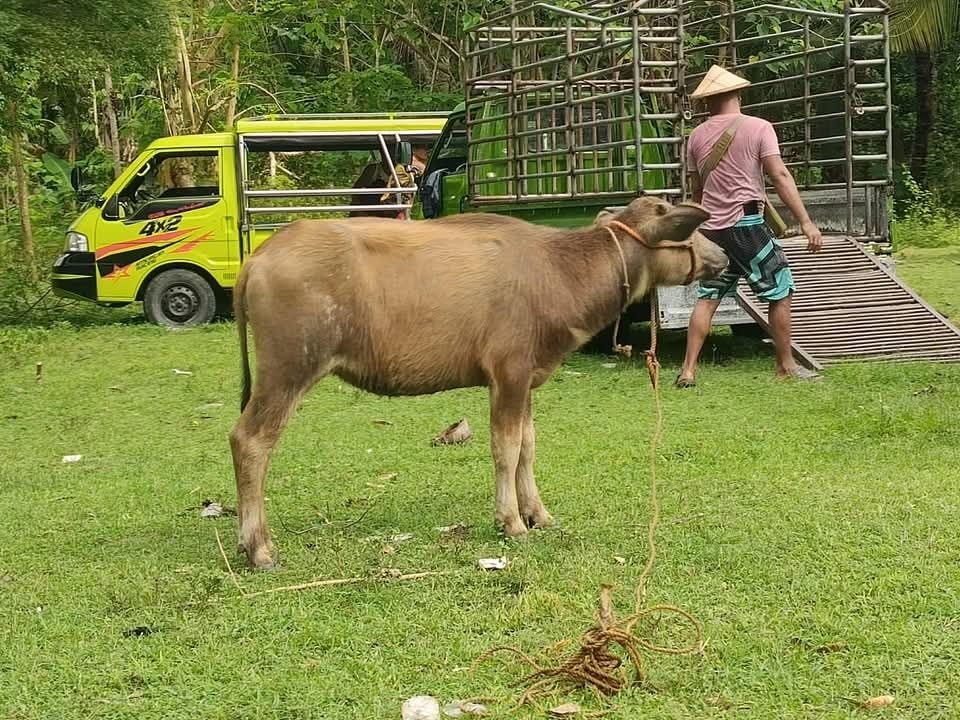

The carabao — kalabaw — is more than the Philippines’ national animal; for generations it’s been the farmer’s partner in the rice field. Today it’s valued just as much for milk and meat as for muscle, and on FarmyHub you can find carabao for sale from farmers and breeders across the country, whether you need a work animal, dairy stock, or breeding stock.
How much a carabao costs depends mostly on the animal itself. As of October 2026, a 10-month-old female carabao is listed on FarmyHub at about ₱30,000. What changes the price:
Age — calves, young stock and mature animals are priced differently
Sex — females are often bought for breeding and milk, males for work and meat
Type — native swamp carabao and dairy or Murrah crossbreds are priced differently
Training — whether the carabao is already trained for plowing and hauling
These prices come from the sellers’ own listings, and more will appear here as more owners list their carabao. Check the current listings on this page for today’s carabao price.
Not all carabao are the same, and the type shapes what they’re best for:
Native swamp carabao (kalabaw) — the classic Filipino work animal, hardy and strong, used for plowing, hauling, and also raised for meat (carabeef)
Dairy carabao — riverine buffalo and Murrah crossbreds with much higher milk yields, raised for carabao’s milk, kesong puti, and pastillas
Crossbreds and upgraded stock — mixes that balance work ability with better milk or meat
Sellers usually note the type, age, sex, and whether the animal is for work, dairy, breeding, or meat.
Carabao still pull plows on small rice farms, so working animals stay in demand among traditional farmers. At the same time, dairy carabao raising has grown into a real business — milk producers, kesong puti and pastillas makers, and small dairies buy upgraded stock for higher yields. Breeders source quality animals to improve their herds, and meat buyers look for carabeef.
FarmyHub connects you with the raisers — we don’t breed, transport, or guarantee any of the animals ourselves. Each seller manages their own carabao and terms, so message them directly to discuss type, age, weight, health, and whether they’re trained for work or raised for dairy. Carabao are found across rice-farming regions nationwide, with dairy stock concentrated around Nueva Ecija and Bulacan, home to the country’s carabao dairy and kesong puti traditions.
Not sure whether you need a work animal or dairy stock? FarmyHub’s customer support is glad to help connect you with the right seller. You can also browse our Farm Livestock and Animal Feed categories, or check the carabao listings below to get started.
As of October 2026, a 10-month-old female carabao is listed on FarmyHub at about ₱30,000. Older, heavier or trained animals and dairy breeds are priced differently, so message the seller for an exact quote.
Sa FarmyHub, may babaeng kalabaw na 10 buwan ang edad na nakalista sa humigit-kumulang ₱30,000 ngayong Oktubre 2026. Nag-iiba ang presyo depende sa edad, kasarian, lahi at kung sanay na sa trabaho sa bukid. I-message ang seller para sa eksaktong presyo.
Check the location shown on each listing, then message the owner to ask about pickup or delivery to your area.
List your carabao on FarmyHub so farmers, dairy raisers and traders can find and message you. Start on the Become a Supplier page.
Kalabaw is the Tagalog word for carabao, the Philippine water buffalo.
Carabao is kalabaw in Tagalog. In Bisaya it is kabaw, and in Ilocano nuang.
Yes. The carabao is the swamp-type water buffalo raised in the Philippines. Dairy carabao are usually riverine buffalo such as Murrah, or crosses with them.


