



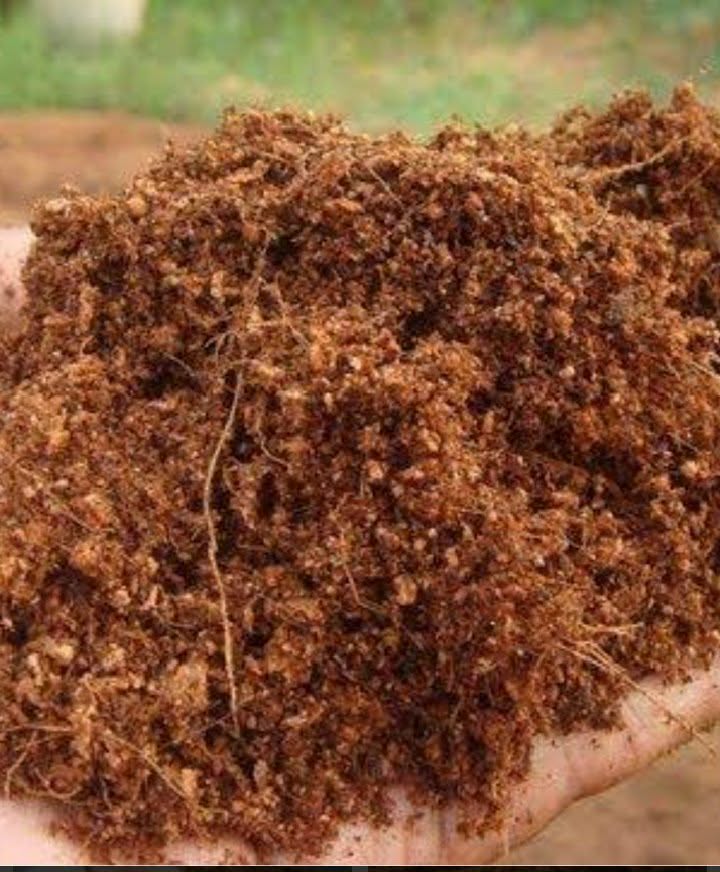

Buy cocopeat (coco peat), coco coir and cocofiber directly from Filipino producers on FarmyHub. Cocopeat is a soil conditioner and growing medium made from coconut husk (bunot ng niyog): it holds water, keeps potting mixes loose and is used for seedlings, potted plants and hydroponics.
As of November 2026, 2 sellers list cocopeat here, from ₱4 to about ₱8.67 per kilo: 15 kg sacks from General Luna, Quezon, and 1-tonne lots from Quezon City. Message the seller to confirm stock, washing and delivery before you order. For fertilizers that also feed the soil, such as vermicast, see Organic Fertilizers.
Listing | Seller | Location | Price | Per kilo | Minimum order | In stock |
|---|---|---|---|---|---|---|
Bacong Ibaba, General Luna, Quezon | ₱130 per 15 kg sack | ₱8.67 | 200 sacks (3,000 kg, ₱26,000) | 800 sacks (12,000 kg) | ||
Quezon City, Metro Manila | ₱4,000 per tonne (1,000 kg) | ₱4.00 | 1 tonne | 5 tonnes |
Prices are the sellers' own, as listed on FarmyHub on November 6, 2026. Cocopeat is sold by the sack, in bulk by the tonne, or pressed into blocks, so compare the price per kilo. In short: about ₱4 to ₱8.67 per kilo, with the cheapest price for tonne lots.
All three come from the husk of the coconut. Sellers use the names loosely, so check the photos and ask what you are getting.
Product | What it is | Common uses | On FarmyHub now? |
|---|---|---|---|
Cocopeat (coco peat, coir pith, coco coir dust) | The fine, spongy dust left after the long fibers are taken out of the husk | Seedling trays, potting mixes, hydroponics, mixing into garden soil | Yes, 2 listings |
Coco coir | A general name for coconut husk material: the peat, the fibers and the chips. For plants, "coco coir" usually means cocopeat | The same as cocopeat when it is sold for plants | Yes, sold as cocopeat |
Cocofiber (coco fiber, coir fiber) | The long, strong fibers of the husk | Ropes, mats and nets for slopes and erosion control, hanging basket liners, brushes, mattress padding | Yes, 1 listing (cocopeat and cocofiber) |
Coco chips | Small chunks of husk | Orchids and other plants that need an airy mix | Not yet |
Cocopeat blocks (bricks) | Cocopeat pressed into blocks so it is easier to ship and store; it expands when soaked | The same as loose cocopeat | Not yet |
Cocopeat improves how soil holds water and air, but it adds almost no nutrients, so it is usually mixed with compost, vermicast or fertilizer. These are the other materials buyers compare it with.
Material | Made from | Good for | Keep in mind | On FarmyHub now? |
|---|---|---|---|---|
Cocopeat | Coconut husk | Holding water, seedlings, potting mixes, hydroponics | Can hold salt: rinse it or buy washed cocopeat; add nutrients | Yes, 2 listings |
Peat moss | Sphagnum moss from bogs, mostly imported | Potting mixes | Imported and acidic, and not renewable | Not yet |
Carbonized rice hull (CRH) | Rice hulls (ipa) burnt into char | Drainage and airy seedling and potting mixes | Dusty when dry | Not yet |
Vermicast | Worm castings | Adds nutrients and improves the soil | A fertilizer and a soil conditioner in one | Yes, in Organic Fertilizers |
Garden soil and potting soil | Topsoil mixed with compost or other organic matter | Filling pots, plots and raised beds | Quality varies by seller | Not yet |
Moisten it first. Blocks need soaking to expand, and loose cocopeat works best when it is damp before mixing.
Rinse it if it is not sold washed. Cocopeat can contain salt, which young plants don't like. Ask the seller whether it is washed.
Mix it for pots and beds. Combine it with garden soil and compost or vermicast, because it holds water but has almost no nutrients.
Feed plants grown in pure cocopeat. In seedling trays and hydroponics, plants need fertilizer or a nutrient solution.
Cocopeat, also written coco peat, is the fine, spongy material from coconut husks after the long fibers are removed. It holds a lot of water and stays loose, so it is used as a growing medium and soil conditioner for seedlings, pots and hydroponics.
Mostly, yes. "Coco coir" is the general name for coconut husk material, and when it is sold for plants it usually means cocopeat. Cocofiber is the long-fiber part, and coco chips are chunks. Compared with peat moss, cocopeat is renewable and less acidic, while peat moss is imported.
Cocopeat is a soil conditioner, also called a soil amendment: it improves water holding and air in the soil but adds almost no nutrients. Use it together with a fertilizer, compost or vermicast. See Organic Fertilizers for vermicast and other organic fertilizers.
On FarmyHub as of November 2026: ₱130 per 15 kg sack (about ₱8.67 per kilo) from General Luna, Quezon, and ₱4,000 per tonne (1,000 kg) (₱4.00 per kilo) from Quezon City. Prices depend on the amount, whether it is washed, and delivery.
Cocopeat is made from bunot ng niyog, the coconut husk. There is no common Tagalog word for cocopeat itself, so most sellers simply say cocopeat or coco peat.
Yes. Use washed cocopeat so salt doesn't harm the roots, and give the plants a nutrient solution, because cocopeat has almost no nutrients of its own.
Cocofiber, the long fiber of the coconut husk, is made into ropes, mats and nets for slopes and erosion control, hanging basket liners, brushes and mattress padding.
Sa FarmyHub, ₱130 ang isang sako na 15 kilo (mga ₱8.67 kada kilo) mula sa General Luna, Quezon, at ₱4,000 kada tonelada mula sa Quezon City, ayon sa listings noong Nobyembre 2026.
Do you produce cocopeat, coco coir, cocofiber, carbonized rice hull, garden soil or potting mix? List your products on FarmyHub for free and reach farms, nurseries and gardeners across the Philippines. Browse all fertilizers.


