

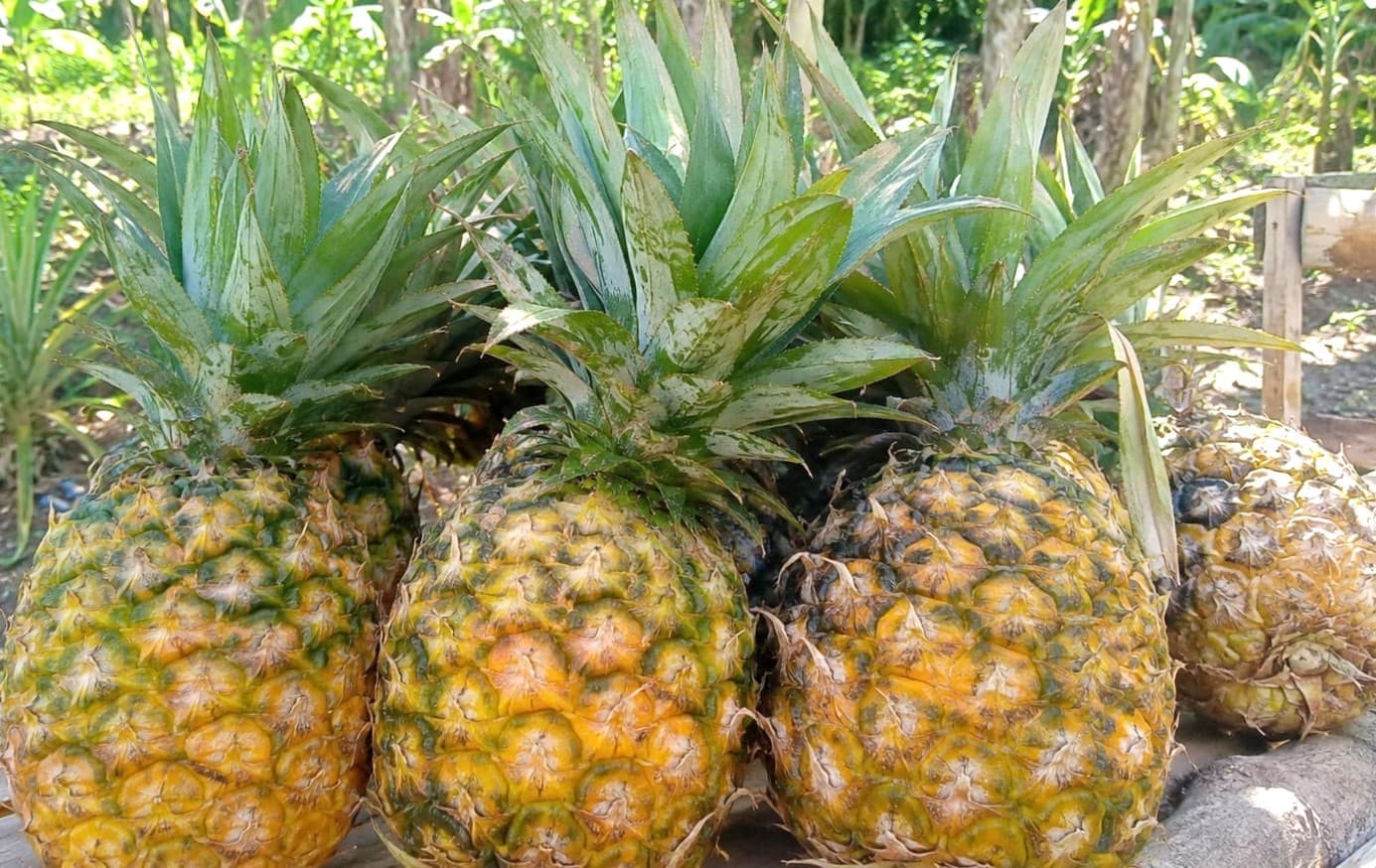
Pineapple in the Philippines: Varieties, Benefits, Farms and 7 Sellers to Buy From
Pineapple is one of the Philippines’ biggest fruit crops, enjoyed fresh, juiced and cooked into dishes across the country. Whether you want to learn more about pineapple in the Philippines or find local suppliers, you can browse fresh pineapples for sale from sellers on FarmyHub.
This guide introduces seven pineapple sellers on FarmyHub, followed by an overview of the pineapple fruit: varieties, where pineapples grow, how the plant grows, benefits and nutrition, how to cut a pineapple and locally made pineapple products.
In this guide | Short answer |
|---|---|
7 sellers compared by place, price and minimum order | |
Kristen Llovit, C R P, Jun Gumba, Amin Nah, Jobell Sumaliling, Sarah Mae Masanguid and Rahan Meristem, from one piece to 1,000 kg orders, plus plantlets for farms | |
A multiple fruit from a low plant, not a tree; its scientific name is Ananas comosus | |
Queen (Formosa), Smooth Cayenne, MD2 and Red Spanish; the pink pineapple is not grown here | |
Northern Mindanao grew 51.3% from April to June 2023, then SOCCSKSARGEN and the Bicol Region | |
Suckers fruit in 16 to 18 months, slips in 18 to 20 and crowns in 22 to 24 | |
About 50 kcal, 47.8 mg of vitamin C and 1.4 g of fiber per 100 g | |
Cut off both ends, slice off the peel, remove the eyes, then cut wedges and take out the core | |
Dried pineapple, jam and jelly, syrup, vinegar, wine and piña cloth | |
8 quick answers, one in Tagalog |
Pineapple Sellers at a Glance
Here is a quick comparison of seven FarmyHub sellers, from a bulk pineapple supplier in Daet to market sellers in Davao City. Six sell pineapple fruit, while one supplies plantlets for farms.
Seller | Location | What they sell | Price | Minimum order |
|---|---|---|---|---|
Balintawak, Quezon City | ₱13 to ₱35 per kilo | Bulk orders | ||
Daet, Camarines Norte | ₱25 per kilo | 1,000 kg | ||
Cubao, Quezon City | ₱45 per kilo | Bulk orders | ||
Zamboanga City | ₱70 per kilo (₱350 per 5 kg) | 5 kg | ||
Agdao, Davao City | ₱105 per piece (about 1.5 kg) | 1 piece | ||
Agdao, Davao City | ₱70 per kilo | 1 kg | ||
Lantapan, Bukidnon | ₱12 per plantlet | 200 plantlets |
Prices are listing prices as of November 2026 and may change.
7 Pineapple Sellers on FarmyHub
Buyers looking for pineapple in the Philippines can find different options, including Formosa pineapples from Bicol, fruit supplied to Metro Manila, market sellers in Zamboanga and Davao, and MD2 planting materials from Bukidnon. Harvests change, so message the seller to check what is available now.
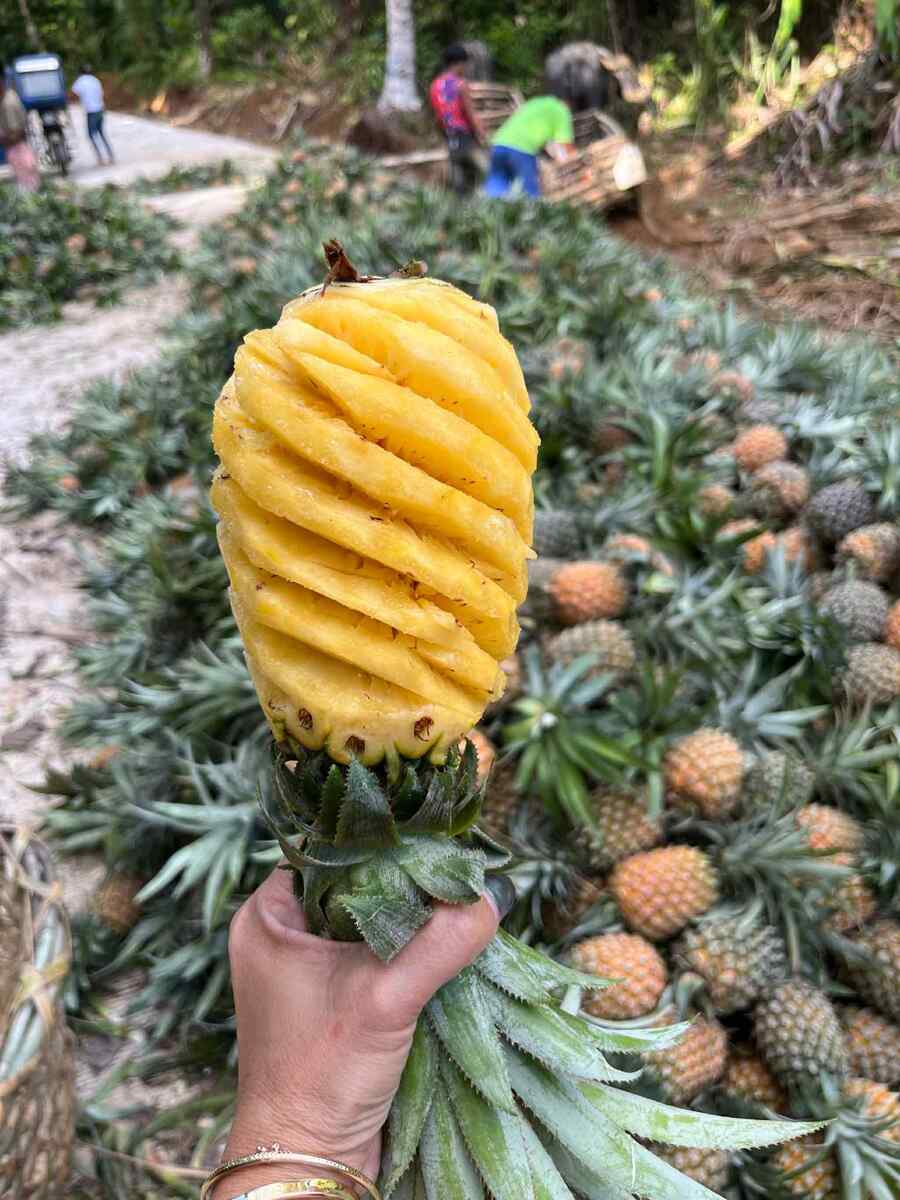 |
1. Kristen Llovit - Formosa Pineapples by Size Grade in Quezon City
Kristen Llovit sells Formosa pineapples sourced from Bicol through the Balintawak fruit market in Quezon City. The listing is meant for wholesale and bulk orders. No separate bulk discount is mentioned, so ask the seller about volume pricing.
What they offer: The listing Pineapple Multiple Varieties offers Formosa pineapples from Bicol, sorted into size grades from Primera down to the smallest grade. The seller describes them as sweet and fresh.
✅ Key highlights:
Six size grades, giving buyers several options
Pickup at the Balintawak market or delivery through Lalamove
The seller specifies that the listing is intended for wholesale and bulk orders
Location: Balintawak, Quezon City
Price: ₱13 to ₱35 per kilo by grade (Primera ₱35, Segunda ₱28, Tresera ₱25, smaller grades ₱22, ₱18 and ₱13)
Minimum order: 1 kg on the order form; the seller asks for wholesale and bulk orders
Best for: Resellers, fruit stalls and bulk buyers who want to choose a size grade
🍍 View Kristen Llovit’s pineapples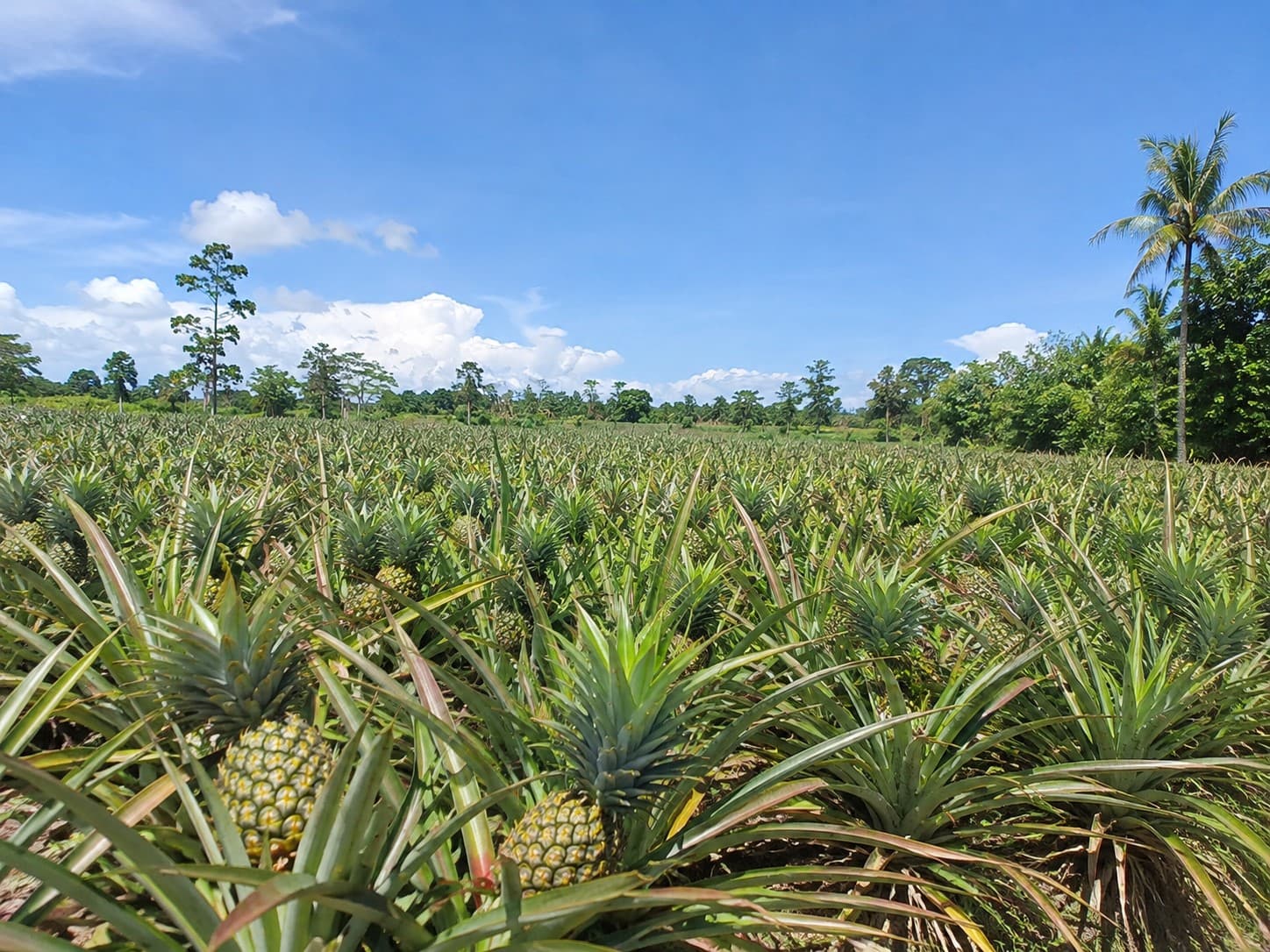 |
2. C R P - Pineapples by the Ton from Daet, Camarines Norte
Daet, Camarines Norte, is known for its Formosa (Queen) pineapple, and C R P offers buyers a way to source pineapples from this province. The listing focuses on large-volume orders, with 5,000 kg available when it was listed and a 1,000 kg minimum that suits wholesale buyers better than households. No discount is mentioned, so ask the seller if you need more than the minimum.
What they offer: Pineapples from Daet, sold by the ton from the home of the Formosa (Queen) pineapple. The seller notes that they are sweet and good for juice.
✅ Key highlights:
5,000 kg available at the time of listing
From Daet, where the Formosa pineapple is celebrated at the annual Pinyasan Festival
Location: Daet, Camarines Norte
Price: ₱25 per kilo (₱25,000 for the minimum order)
Minimum order: 1,000 kg
Best for: Wholesale buyers, resellers and juice makers who need pineapples in large volume
🍍 View C R P’s pineapples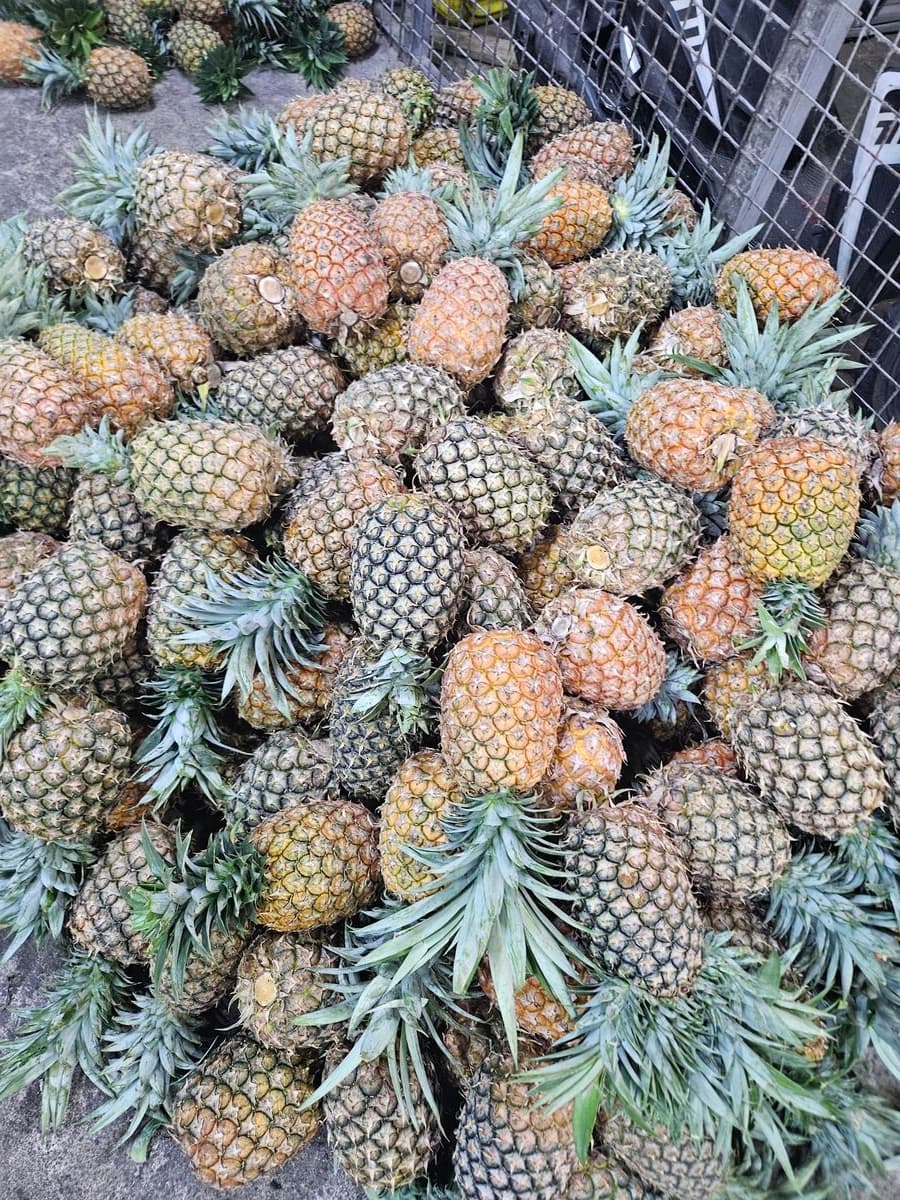 |
3. Jun Gumba - Pineapples from Isabela in Cubao, Quezon City
Jun Gumba supplies pineapples from San Guillermo, Isabela, to buyers in Cubao, Quezon City. The listing is for bulk purchases and does not mention discounts, so contact the seller to discuss quantity and delivery before you order.
What they offer: Pineapples from San Guillermo, Isabela, delivered to Cubao in Quezon City and sold in bulk. The seller describes them as sweet.
✅ Key highlights:
Pineapples sourced from San Guillermo, Isabela
Available to buyers in Cubao, Quezon City
Location: Cubao, Quezon City
Price: ₱45 per kilo
Minimum order: Bulk orders
Best for: Metro Manila resellers and buyers who want Isabela pineapples in bulk
🍍 View Jun Gumba’s pineapples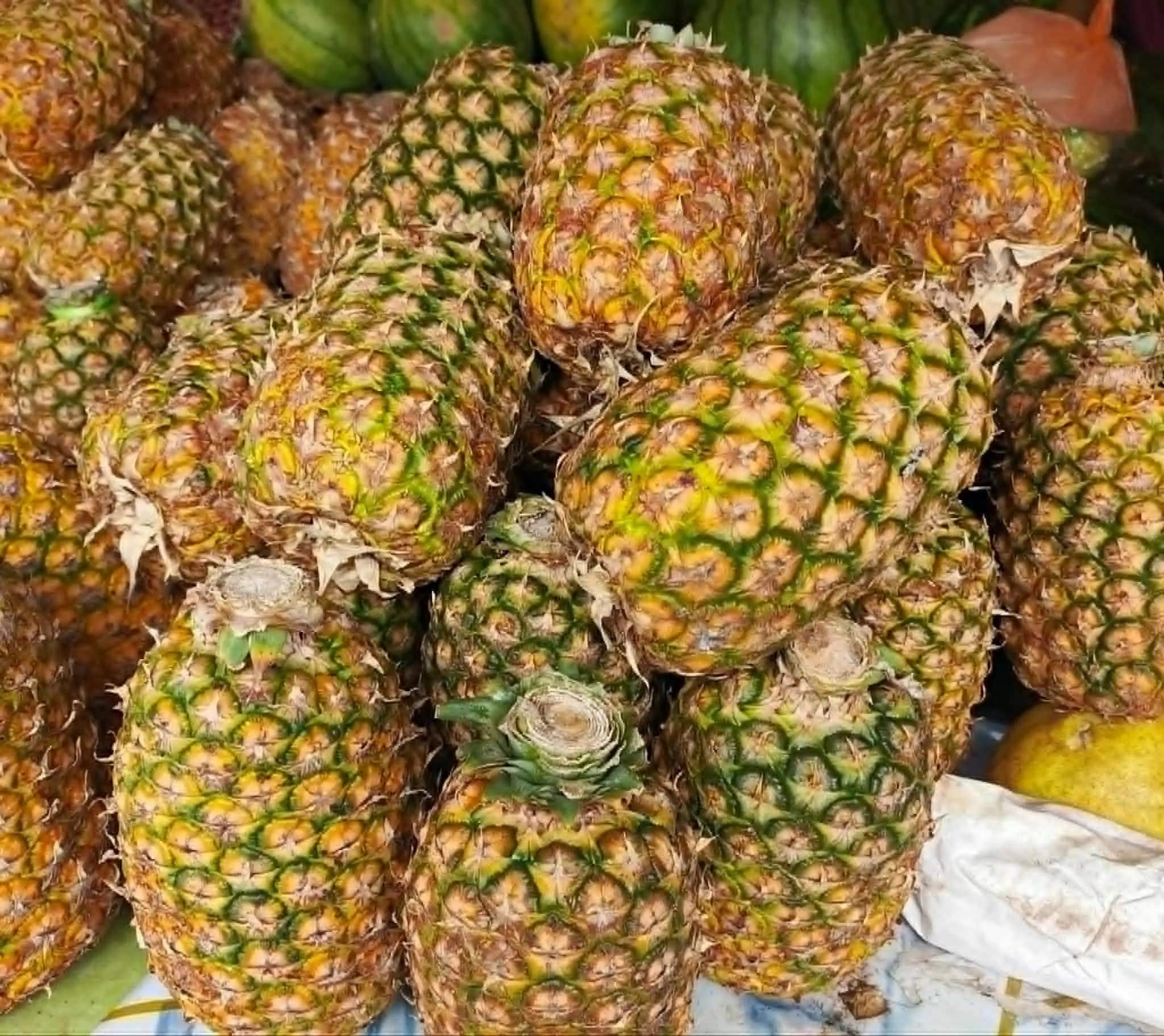 |
4. Amin Nah - Pineapples in 5 kg Orders in Zamboanga City
For buyers in Zamboanga City who do not need a full wholesale shipment, Amin Nah offers pineapples in 5 kg orders at the Bagsakan, with 50 kg in stock when it was listed. No wholesale discount is mentioned, so message the seller if you need a larger quantity.
What they offer: Pineapples sold at the Bagsakan in Zamboanga City, listed for snacking, juicing, grilling or desserts.
✅ Key highlights:
Sold in 5 kg orders
Listed for both eating and cooking
Location: Zamboanga City
Price: ₱350 per 5 kg (₱70 per kilo)
Minimum order: 5 kg
Best for: Households, small eateries and anyone who wants more than one pineapple but not a bulk lot
🍍 View Amin Nah’s pineapples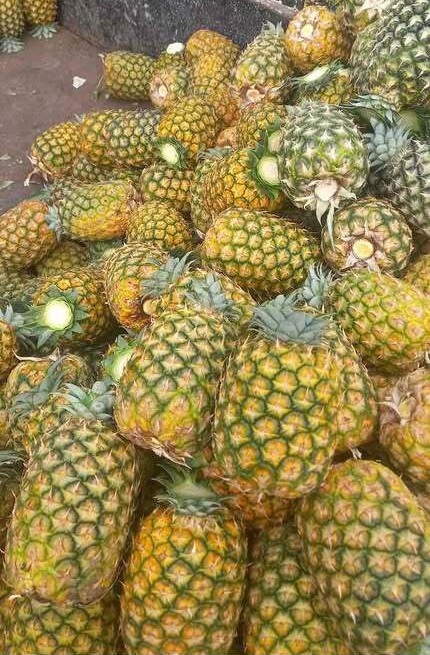 |
5. Jobell Sumaliling - Pineapples by the Piece in Agdao, Davao City
Jobell sells pineapples from a stall at the Agdao Public Market in Davao City, priced per piece, with 500 pieces in stock at the time of listing. The listing does not mention discounts for larger orders, so ask the seller if you plan to buy several.
What they offer: Pineapples at the Agdao Public Market that the seller describes as naturally sweet and freshly harvested, for juice, fruit salads or cooking.
✅ Key highlights:
Sold by the piece, at about 1.5 kg each
500 pieces in stock at the time of listing
A stall at the Agdao Public Market, so you can see the fruit before you buy
Location: Agdao, Davao City
Price: ₱105 per pineapple of about 1.5 kg (₱70 per kilo)
Minimum order: 1 piece
Best for: Buyers who want a whole pineapple or two for fruit salads, juice or cooking
🍍 View Jobell Sumaliling’s pineapples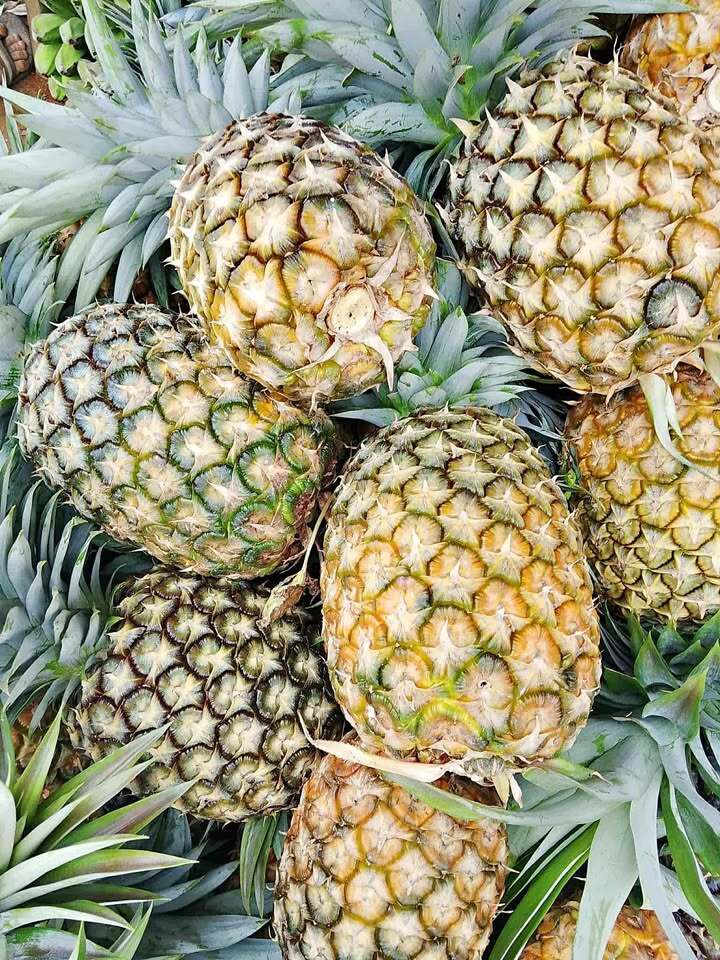 |
6. Sarah Mae Masanguid - Pineapples by the Kilo in Agdao, Davao City
Sarah Mae sells pineapples at the Agdao Public Market in Davao City by the kilo, starting at 1 kg. No bulk discount is mentioned in the listing. Message the seller if you want to buy a larger amount.
What they offer: Pineapples at the Agdao Public Market, listed as ripe and suited for slicing, juices, shakes and desserts.
✅ Key highlights:
Sold by the kilo, from 1 kg
Sold in the same market as Jobell Sumaliling, so you can compare both stalls in one visit
Listed for slicing, juices, shakes and desserts
Location: Agdao, Davao City
Price: ₱70 per kilo
Minimum order: 1 kg
Best for: Home cooks and small buyers who prefer to buy by weight
🍍 View Sarah Mae Masanguid’s pineapples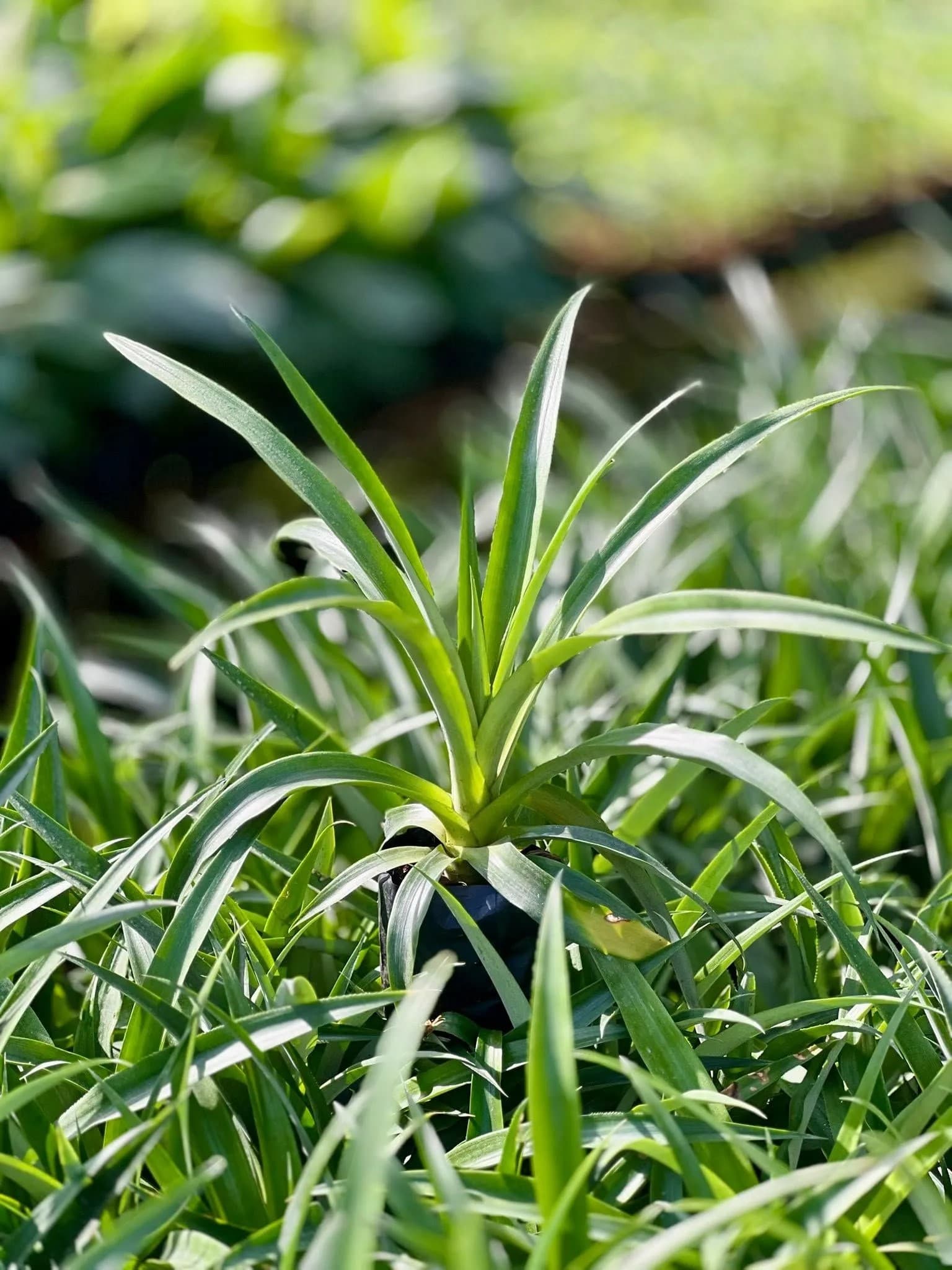 |
7. Rahan Meristem Phils Inc - MD2 Pineapple Plantlets for Farms in Bukidnon
Rahan Meristem Phils Inc sells tissue-culture MD2 pineapple plantlets from Lantapan, Bukidnon, with 3,000 plantlets available at the time of listing. The minimum is 200 plantlets, and the listing does not mention volume discounts. Ask the seller about larger orders before you plan a planting.
What they offer: This one is for farmers who want to grow pineapples. Tissue-culture MD2 pineapple plantlets are ready to plant, so this seller offers planting material, not fruit.
✅ Key highlights:
The only seller of planting material in this guide
3,000 plantlets available at the time of listing
MD2 is the extra sweet type described in the varieties section below
Location: Lantapan, Bukidnon
Price: ₱12 per plantlet (₱2,400 for the minimum order)
Minimum order: 200 plantlets
Best for: Farms and growers who are starting or expanding a pineapple farm
🌱 View Rahan Meristem’s MD2 plantletsWhat Is a Pineapple?
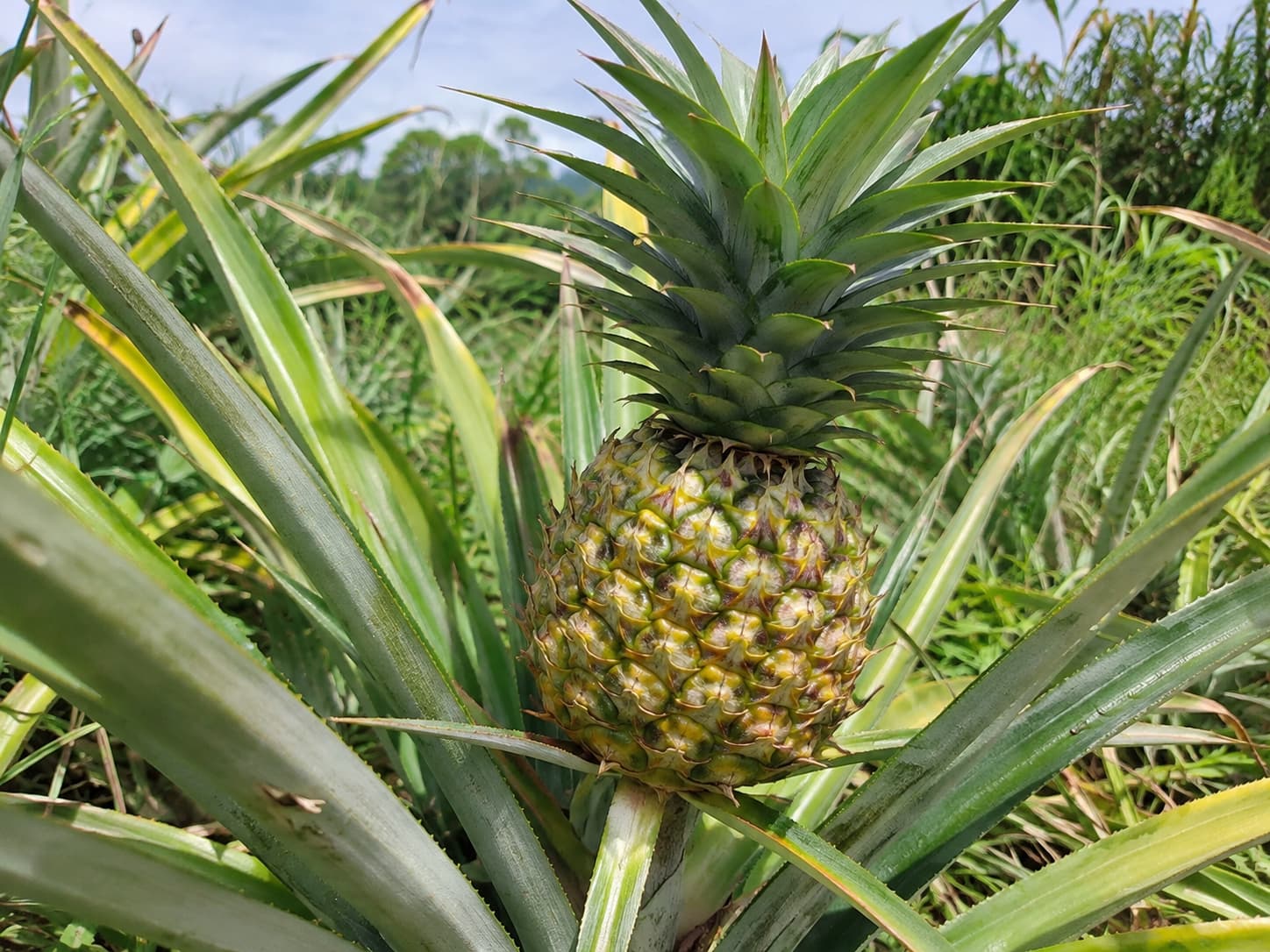
A pineapple is a tropical fruit that grows on a low plant rather than a tree. The pineapple scientific name is Ananas comosus, and the plant and the fruit share it, so the scientific name of pineapple plant and fruit is the same. Its family is Bromeliaceae, the bromeliads. That is why the pineapple scientific name and family are often written together: Ananas comosus, family Bromeliaceae.
A pineapple is also known as a multiple fruit. It develops when many small fruits, each formed from an individual flower, grow together into one larger fruit. The familiar eyes on its skin mark where the individual flowers developed.
Although people sometimes refer to pineapple trees, the plant does not grow on a tree. It has long, stiff, pointed pineapple leaves arranged around a short stem, with the fruit developing at the top. The fruit also has its own crown of leaves.
Why is pineapple called pineapple? The name comes from its resemblance to a pine cone. In the 14th century, the English expression “pine apple” referred to the cone of a pine tree. Filipinos commonly call the fruit pinya.
A short pineapple description: rough, patterned skin and a leafy crown. The pineapple taste is sweet and tangy, and ripe fruit smells sweet near the base.
Source: Wikipedia, Pineapple
Pineapple Varieties in the Philippines
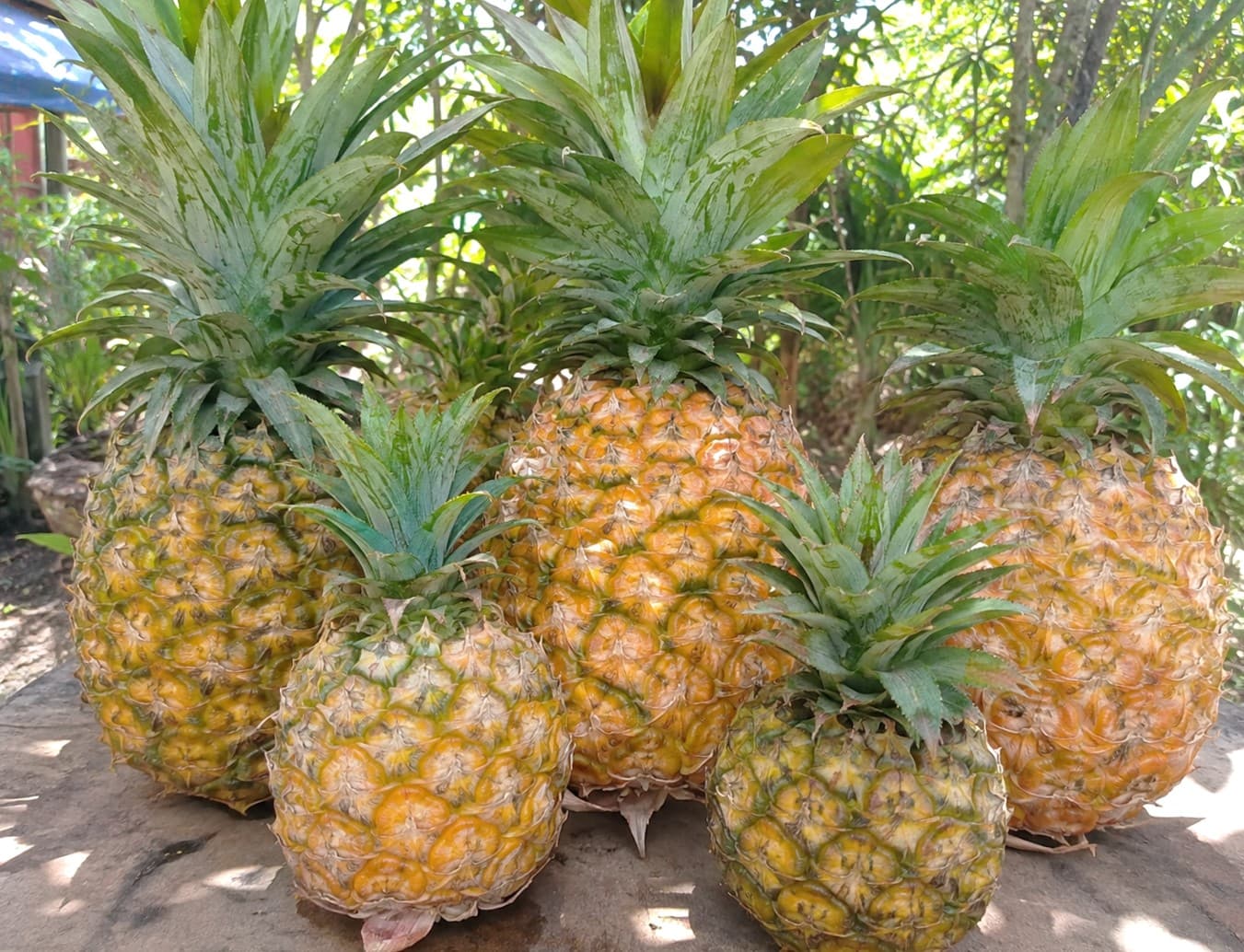
Several types of pineapple are grown or found in the Philippines. The main pineapple varieties differ in size, sweetness and use, and some are tied to large plantations or traditional products. These are the varieties of pineapple in the Philippines that matter most.
Variety | What it is like | Where and why it is grown |
|---|---|---|
Small, about 450 to 950 g, very sweet and crisp | Camarines Norte, mainly for fresh eating; PCAARRD describes it as the sweetest pineapple variety in the world | |
Smooth leaves without spines; the most grown pineapple in the world | Brought to the Philippines in the early 1900s; grown on the big plantations | |
Extra sweet; Del Monte launched it in 1996 | Plantations and new farms; Rahan Meristem sells MD2 plantlets | |
1 to 2 kg, pale yellow flesh, squarish, spiny leaves | Brought by the Spanish; once grown widely in the Philippines, now mainly for leaf fiber woven into piña cloth in Aklan |
 |
Queen (Formosa) Pineapple
The Queen pineapple, also called the Formosa pineapple, is the small, very sweet pineapple of Camarines Norte. You can buy Formosa pineapples from a FarmyHub seller in Quezon City.
🍍 View Formosa pineapples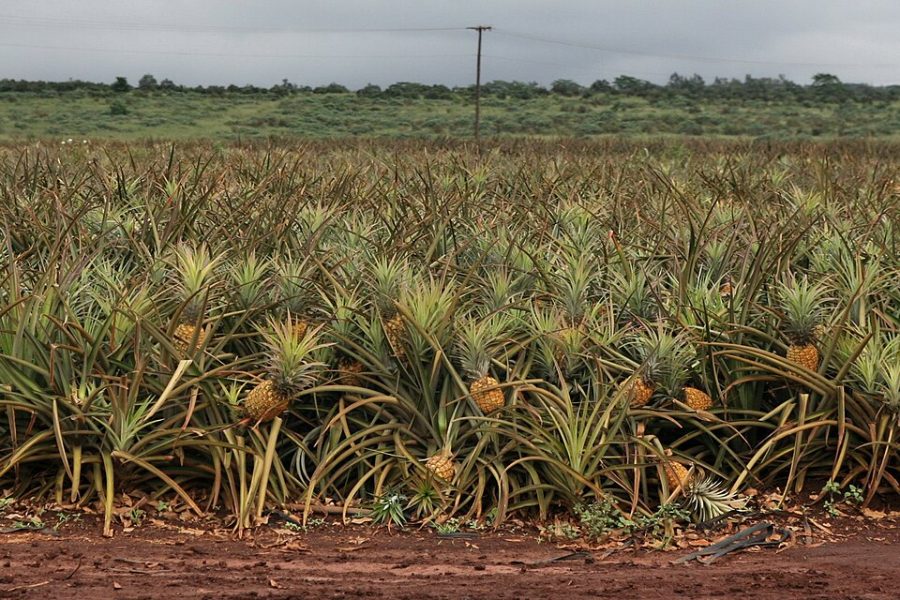

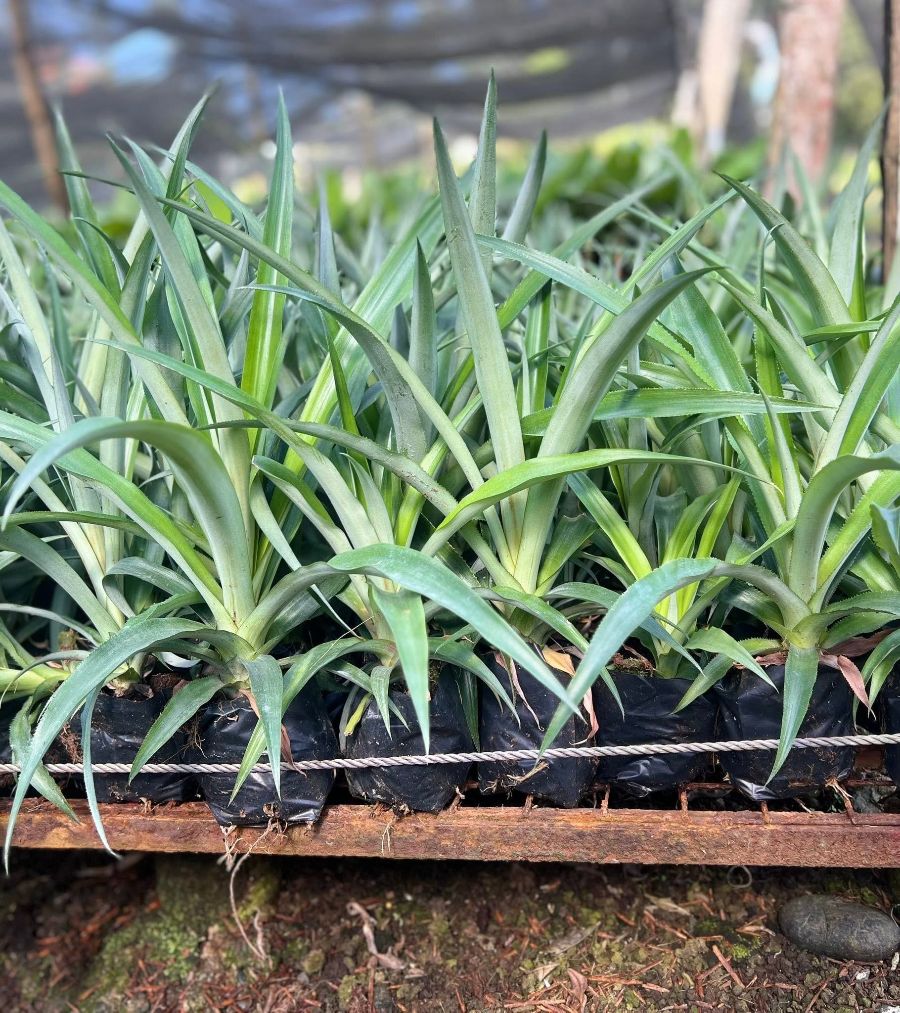
Smooth Cayenne Pineapple
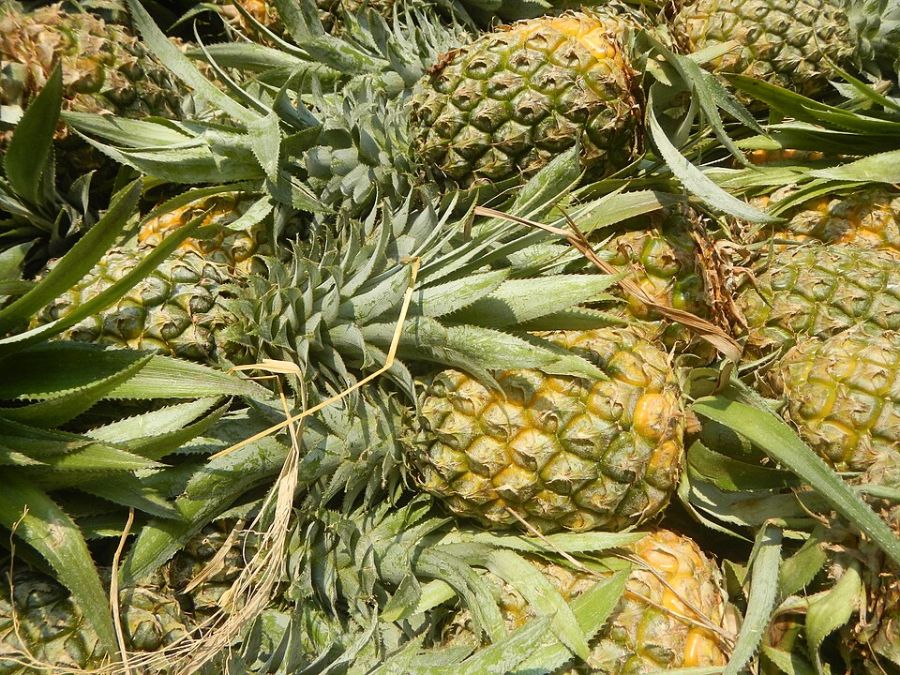
The Smooth Cayenne pineapple is widely grown around the world. The US Bureau of Agriculture introduced it to the Philippines in the early 1900s, and it became associated with large commercial plantations.
 |
MD2 Pineapple (Gold Extra Sweet)
Also known as Gold Extra Sweet, the MD2 pineapple is recognized for its sweet taste. Del Monte launched the variety in 1996. Farmers interested in growing this variety can find MD2 plantlets on FarmyHub.
🌱 View MD2 plantlets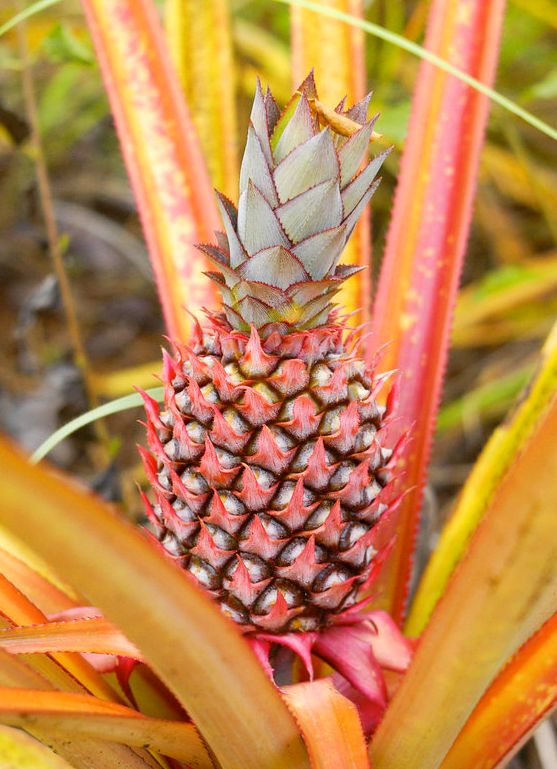 Photo: Galjundi7, CC BY-SA 4.0, via Wikimedia Commons |

Red Spanish Pineapple
The Red Spanish pineapple has a history in the Philippines dating back to the Spanish period. Its leaves provide fiber used in making traditional piña cloth in Aklan.
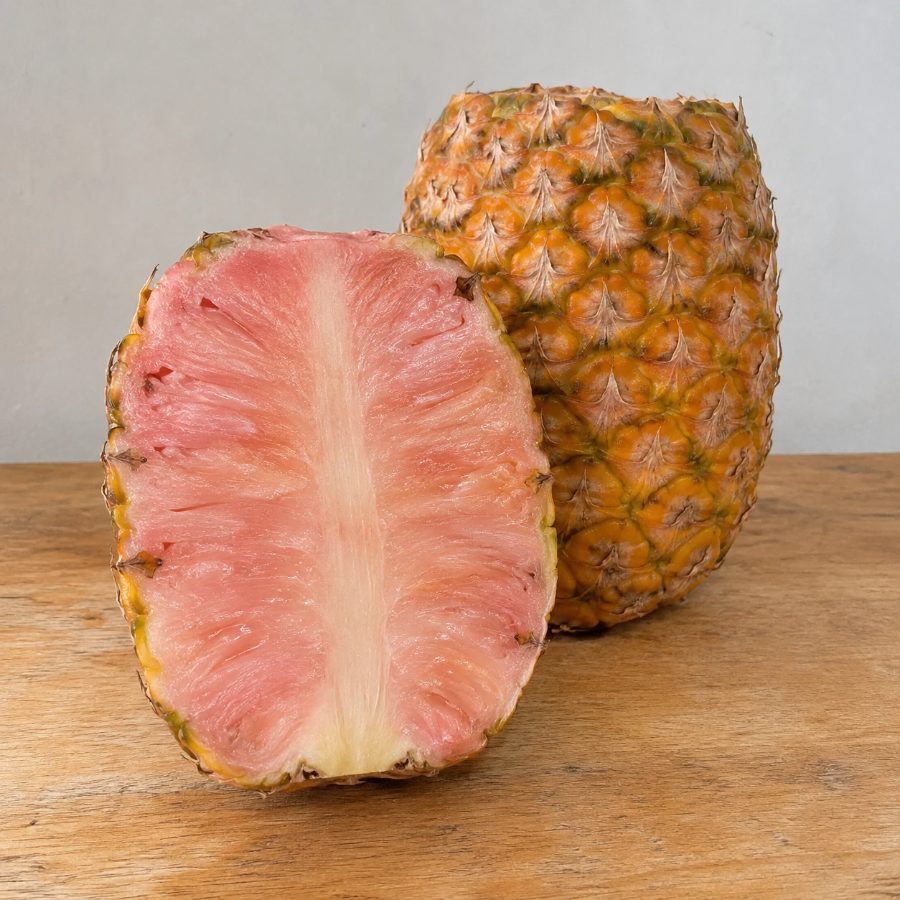 |
Pink Pineapple
The pink pineapple is a Del Monte variety grown in Costa Rica and sold abroad; it is not grown in the Philippines.
Sources: PCAARRD, Queen Pineapple; Wikipedia, Pineapple; Wikipedia, Piña; US FDA, Pink Flesh Pineapple
Where Pineapples Are Grown in the Philippines
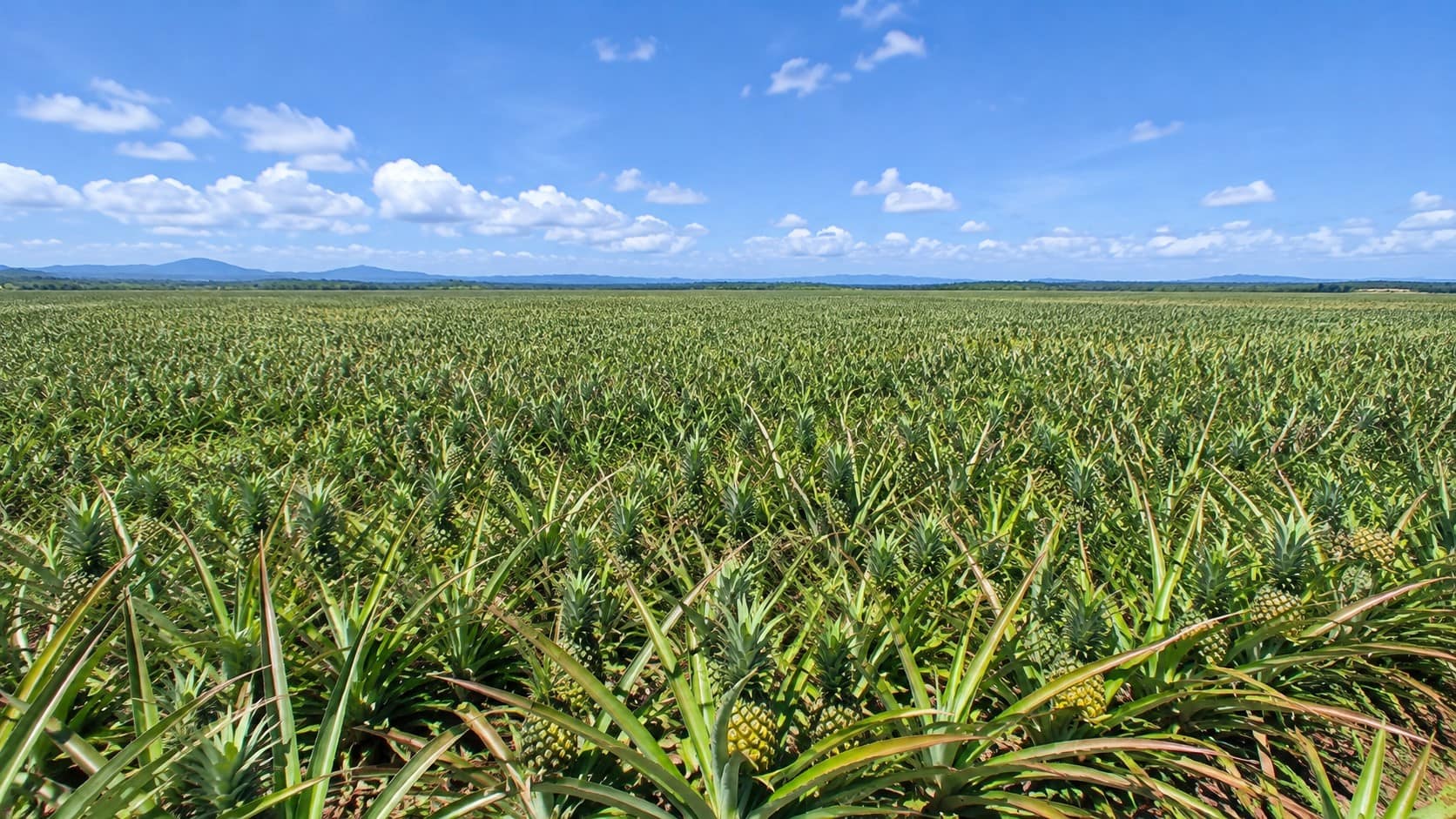
Where does pineapple grow in the Philippines? Pineapples are grown in several parts of the country, but Mindanao accounts for the largest share of national production. According to the Philippine Statistics Authority (PSA), the country produced 762.55 thousand metric tons of pineapple from April to June 2023.
During that period, Northern Mindanao accounted for 51.3% of production, followed by SOCCSKSARGEN at 24.8% and the Bicol Region at 8.1%. The total area planted with pineapple from January to June 2023 was 66.78 thousand hectares.
Source: PSA, Pineapple
Major Pineapple Plantations in the Philippines
The Philippines is home to several large commercial pineapple plantations, particularly in Mindanao.
The Del Monte pineapple plantation in Bukidnon, which many people simply call the Del Monte pineapple farm, began in the 1920s and remains one of the province’s best-known agricultural operations. Bukidnon is particularly recognized for its extensive pineapple-growing areas, which is why many people search for Bukidnon pineapple.
Dole’s pineapple operation in Polomolok, South Cotabato, began in 1963. These large growing areas have helped make Mindanao an important center for pineapple production in the country.
For anyone interested in seeing a large pineapple plantation in the Philippines, Bukidnon and South Cotabato are two of the main areas to know.
Sources: Wikipedia, Pineapple; Wikipedia, Polomolok
Camarines Norte and the Formosa Pineapple
Camarines Norte is another important pineapple-growing area, particularly for the Formosa or Queen variety. The fruit has been cultivated in the province since the 1950s, and approximately 3,000 farmers depend on its production.
So a pineapple farm in the Philippines can be a big company plantation in Mindanao or one of the many growers in Camarines Norte.
Source: PCAARRD
Pineapple Capital of the Philippines
There is no official pineapple capital of the Philippines. Bukidnon is often called the pineapple capital of the Philippines, and Piñan in Zamboanga del Norte is nicknamed the “Pineapple Capital of Zamboanga Peninsula”. Source: Wikipedia, Piñan
Pineapple Festivals: Pinyasan and Pinya Festival
Two towns celebrate the fruit. The Pinyasan Festival in Daet, Camarines Norte, runs from June 15 to 24 and shows off the Formosa pineapple (Tourism Promotions Board). The Pinya Festival in Calauan, Laguna, is held in May (Journal News).
Pineapple Season and History
Pineapple season in the Philippines is not limited to one month. Pineapples are harvested all year, because farmers use flower induction (see the next section).
For the pineapple origin and pineapple history: the plant comes from South America, in the Paraná–Paraguay river area. The Spanish brought the Red Spanish pineapple to the Philippines, and it was grown for piña fiber from at least the 17th century. The Philippines is still one of the top pineapple exporters in the world. Sources: Wikipedia, Pineapple; Wikipedia, Piña
How Pineapples Grow: From Plant to Harvest
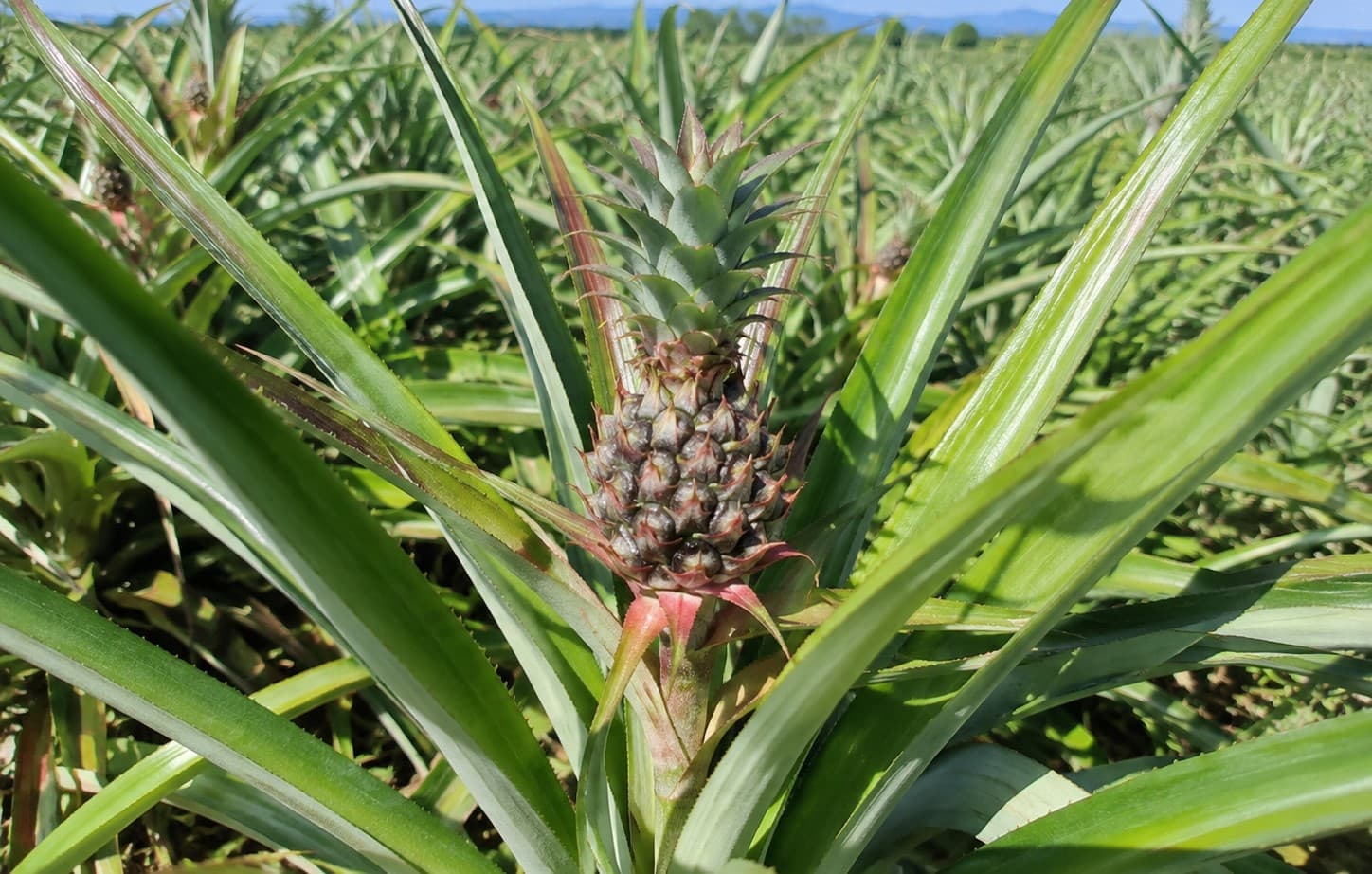
One pineapple plant gives one big fruit per cycle. New shoots then give a second, smaller crop. That is the basic idea of pineapple farming.
Pineapple growing starts with planting materials. Pineapple suckers grow from the base of the plant, slips grow on the fruit stalk below the fruit, and crowns are the leafy tops of the fruit.
Planting material | Where it grows | Time to fruit | Commonly used on |
|---|---|---|---|
Suckers | Base of the plant | 16 to 18 months | Small farms |
Slips | Fruit stalk, below the fruit | 18 to 20 months | Small farms |
Crowns | Leafy top of the fruit | 22 to 24 months | Commercial farms |
Source: Mercedes M. Arcelo, Production Guide for Pineapple, Bureau of Plant Industry
Farmers also use flower induction. They treat the plants, for example with ethephon, so they flower at the same time. This is why there are pineapples all year.
Does pineapple have seeds? The pineapples you buy almost never have seeds. Pineapple seeds form only when flowers are pollinated, so commercial growers avoid it, because seeds lower fruit quality. A pineapple with seeds is rare in the market.
If you want to know how to grow a pineapple at home, you can grow one from the crown of a store-bought fruit. Expect about 2 years to the first fruit.
For farms, the planting material matters. FarmyHub has tissue-culture MD2 plantlets, and you can browse organic fertilizer for your plants.
Pineapple Benefits and Nutrition
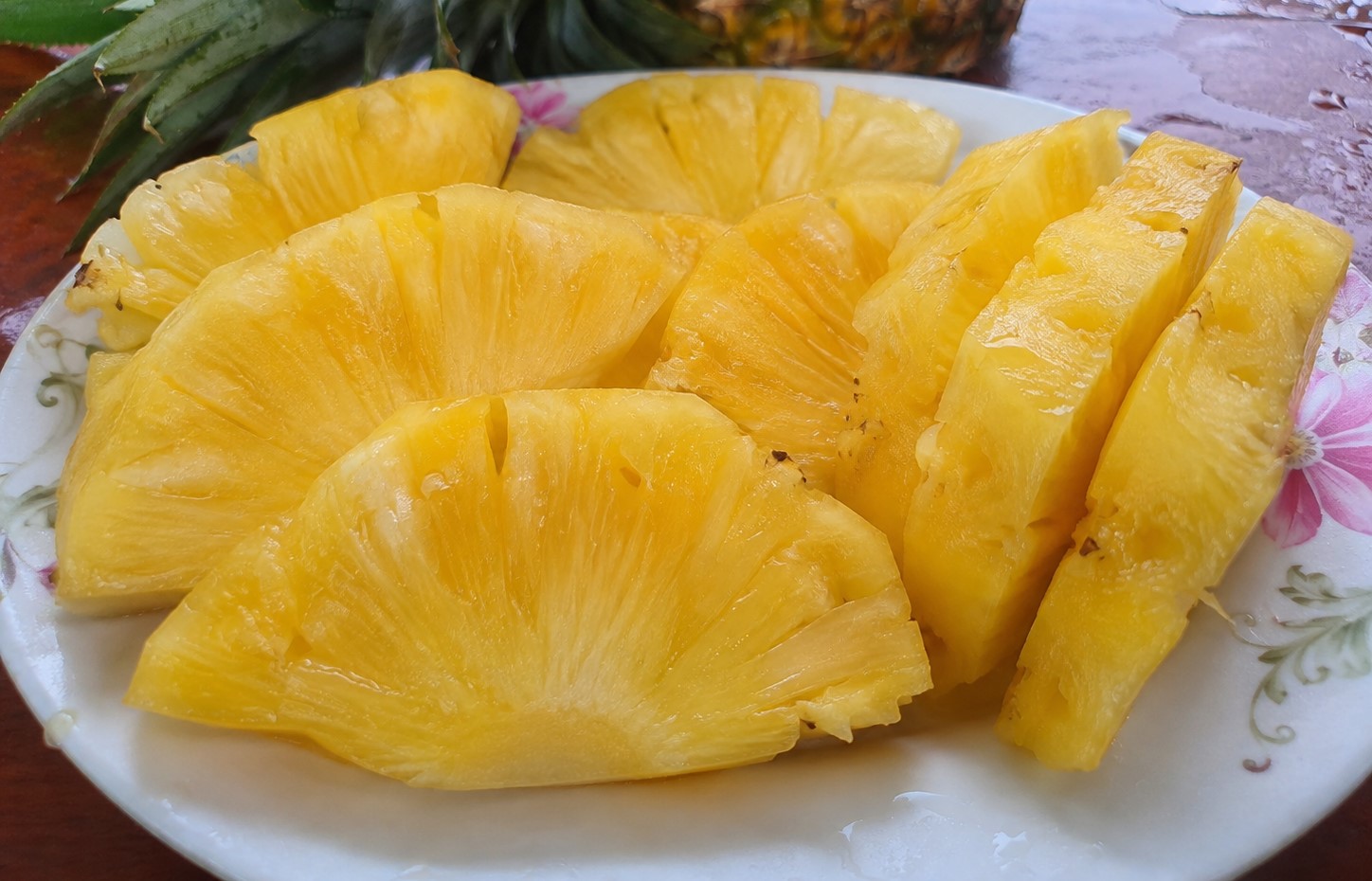
People who look up pineapple benefits, the benefits of pineapple or the health benefits of pineapple usually want to know what the fruit does for them. This section sticks to what pineapple contains, because that is what the data shows.
Pineapple contains water, carbohydrates, natural sugars, fiber and several vitamins and minerals. It can be included in a balanced diet as a fresh fruit or as an ingredient in different dishes.
Pineapple Nutrition Facts
The table below shows the pineapple nutritional value for 100 g of raw fruit, based on USDA FoodData Central. It is the same kind of pineapple nutrition data you would see on a pineapple food label.
Nutrient | Amount per 100 g |
|---|---|
Calories | 50 kcal |
Water | 86 g |
Carbohydrate | 13.1 g |
Sugars | 9.9 g |
Fiber | 1.4 g |
Protein | 0.5 g |
Fat | 0.1 g |
Vitamin C | 47.8 mg |
Manganese | 0.93 mg |
Vitamin B6 | 0.11 mg |
Potassium | 109 mg |
Magnesium | 12 mg |
Calcium | 13 mg |
Source: USDA FoodData Central, Pineapple, raw, all varieties
Pineapple calories: Pineapple calories come to about 50 kcal per 100 g of raw fruit. One cup of pineapple chunks (165 g) has about 82 kcal. Most of its carbohydrates come from naturally occurring sugars.
Pineapple vitamins and minerals: Pineapple is rich in vitamin C and manganese, and it also provides vitamin B6, potassium, magnesium and calcium. Pineapple vitamin C comes to 47.8 mg per 100 g, which makes it the main vitamin of pineapple in the data above.
Pineapple protein: Pineapple protein is low, at 0.5 g per 100 g, and fat is 0.1 g.
Fiber in pineapple: A 100 g serving contains 1.4 g of dietary fiber, according to USDA data. So is pineapple rich in fiber? That pineapple fiber content is about 5% of the 28 g Daily Value on US food labels, so pineapple is not high in fiber.
Natural sugar: Is pineapple high in sugar? Pineapple sugar content is about 9.9 g of natural sugar per 100 g, according to USDA data, and it can vary with the fruit’s ripeness and the serving size. Pineapple is acidic too, which gives it a naturally tangy taste. We do not give a pineapple glycemic index number here; if you watch your blood sugar, ask a doctor or dietitian.
Pineapple bromelain: Pineapple contains bromelain, a group of enzymes that break down proteins, and it is the best-known pineapple enzyme. It is found in different parts of the plant, including the fruit, stem, crown, core and leaves. This is why fresh pineapple juice can be used to tenderize meat. On pineapple benefits and side effects, NCCIH says research on bromelain supplements remains limited, and that the most commonly reported side effects of oral bromelain are stomach upset and diarrhea (NCCIH, Bromelain).
Pineapple allergy and tingling: Why is pineapple itchy on the tongue? Some people notice an itchy or tingling feeling on their tongue after eating fresh pineapple, and others may experience irritation when eating the fruit. Some people are also allergic to pineapple. If your mouth or skin reacts after eating it, stop eating the fruit and consult a doctor.
What Is Pineapple Good For?
What does pineapple do to your body? Like other fresh fruit, it provides energy, water, vitamins and minerals as part of a varied diet, and that is the sense in which pineapple is good for health. The benefits of eating pineapple come from those nutrients, so read any promise about pineapple benefits for health with care: it is a food, not a medicine.
Pineapple is commonly enjoyed as a fresh snack, added to fruit salads or used in different dishes. Its versatility also makes it useful in food preparation, from fresh fruit servings to meat dishes and desserts.
There is no scientifically established best time to eat pineapple. Whether you have pineapple in the morning or pineapple at night comes down to your preference, and the sources in this guide give no rule about eating pineapple on an empty stomach.
Pineapple leaves benefits are practical rather than medical: their fibers are traditionally used to produce piña cloth in Aklan, as discussed in the products section below.
For questions about how pineapple may affect your individual health or diet, consult a doctor or dietitian.
How to Choose, Cut and Store a Pineapple
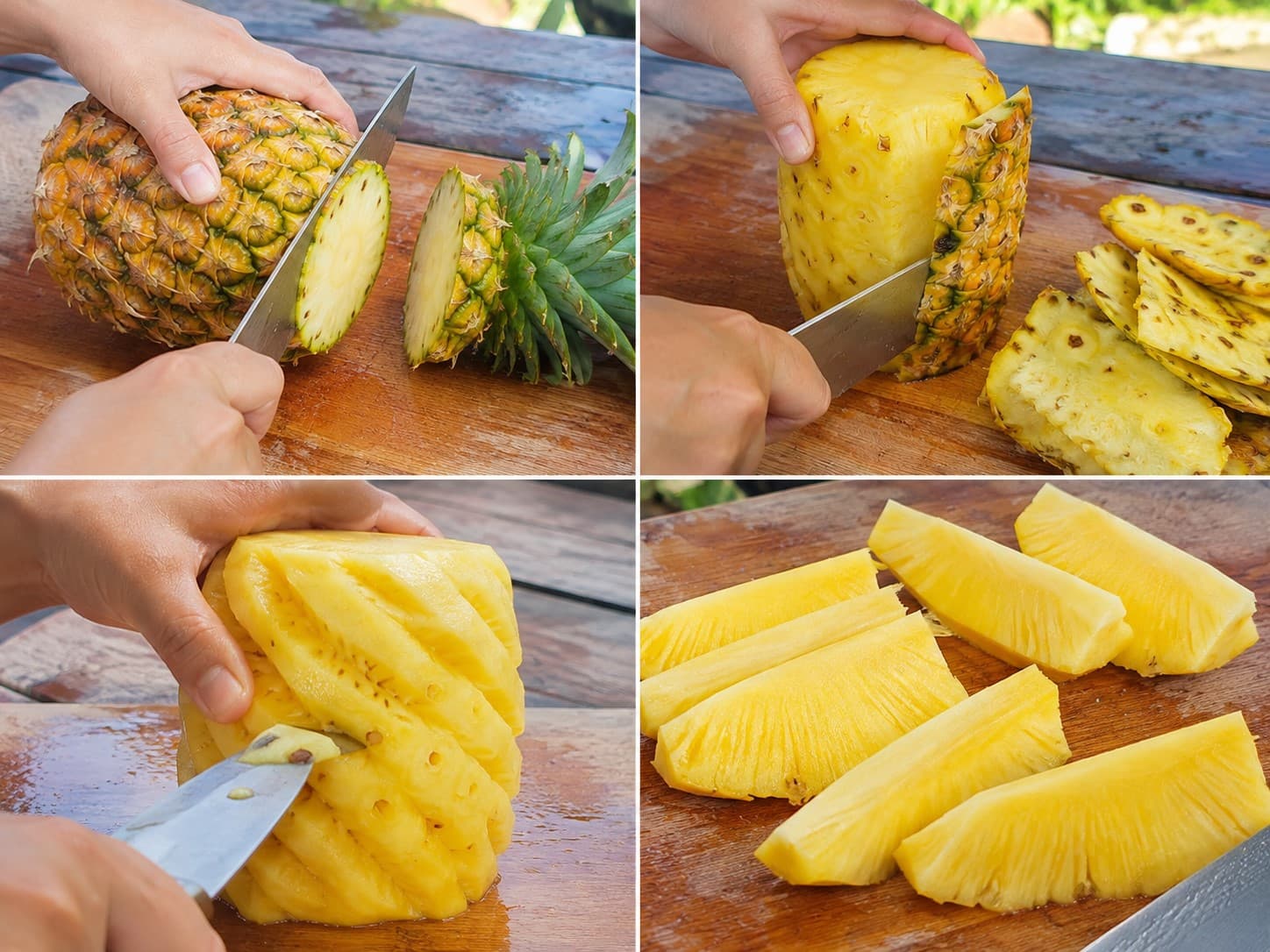
Choose a pineapple that feels heavy for its size and firm, with a sweet smell at the base and fresh green leaves on the crown. Skip soft, leaking or bad-smelling fruit.
Here is how to cut a pineapple, and how to peel a pineapple at the same time:
Slice off the top and bottom. Place the pineapple on a cutting board and remove the leafy crown and the bottom end.
Peel the pineapple. Stand it upright and cut the skin away from top to bottom, following the curve of the fruit. To peel pineapple without wasting flesh, keep the cuts thin.
Remove the pineapple eyes. Cut out the small brown spots left in the flesh with small diagonal cuts.
Cut into wedges and remove the core. Cut the peeled fruit into pineapple wedges, then cut away the hard central core.
A pineapple corer or a pineapple peeler makes the pineapple cut faster.
A whole pineapple keeps for a few days at room temperature. Put cut pineapple in a covered container in the refrigerator and eat it within a few days.
Some families boil the pineapple peel into a drink or vinegar, but we make no claims about pineapple peel benefits.
Pineapple Products from the Philippines
Pineapple is used to make more than just fresh fruit servings. Different parts of the fruit and plant are processed into food products, textiles and other locally made goods.
Here are some examples of pineapple products found in the Philippines.
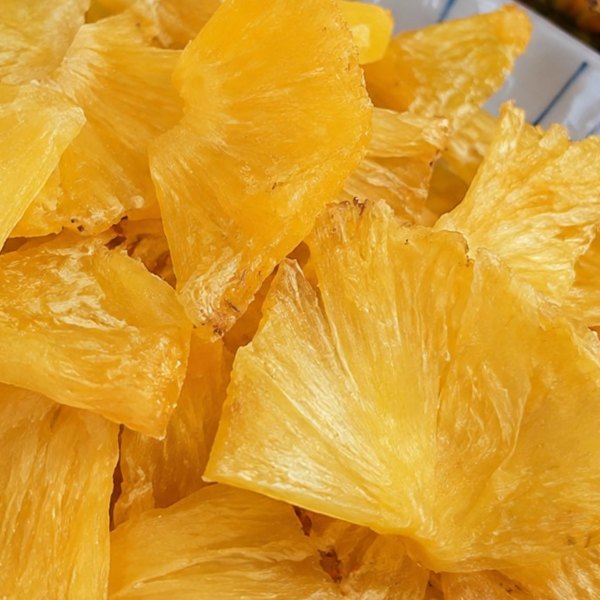 |
Dried Pineapple
Dried pineapple is made from slices or pieces of the fruit, dried into a snack.
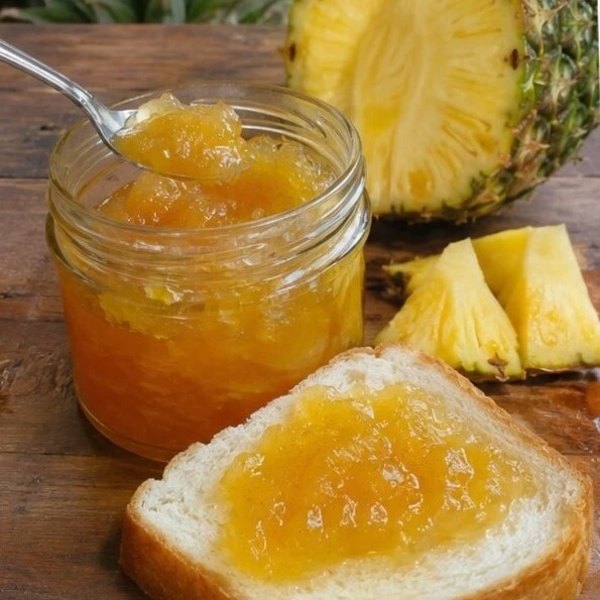 |
Pineapple Jam and Pineapple Jelly
Pineapple jam and pineapple jelly are spreads made by cooking the fruit down.
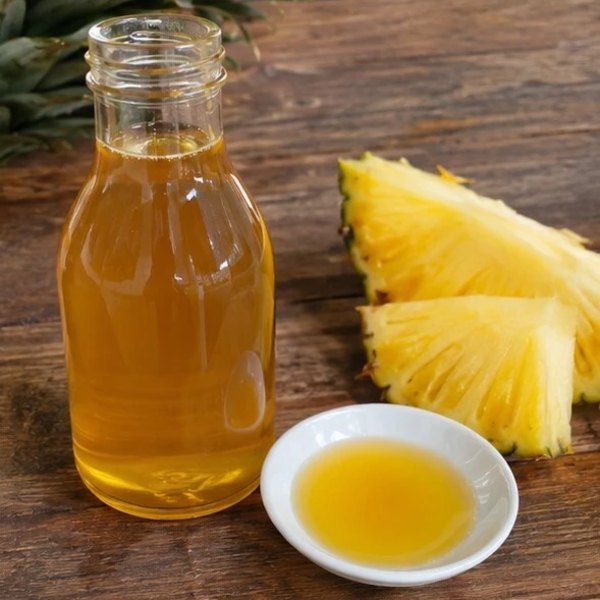 |
Pineapple Syrup
Pineapple syrup is a sweet syrup made from the fruit.
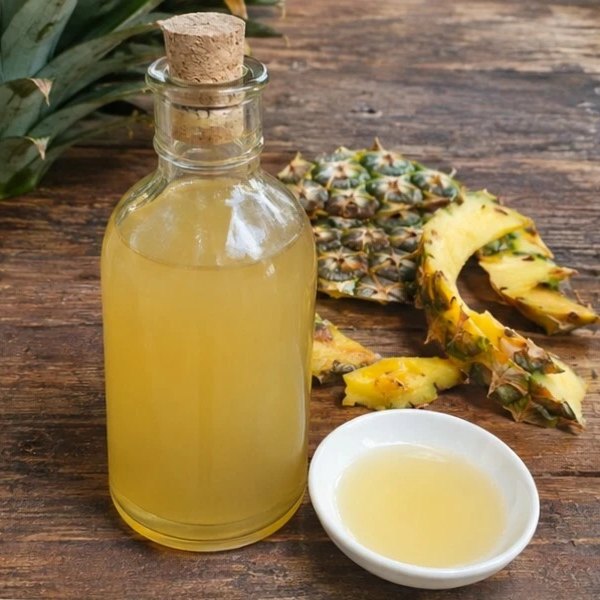 |
Pineapple Vinegar
Pineapple vinegar is a fruit-based vinegar used in some home kitchens. We make no claims about pineapple vinegar benefits.
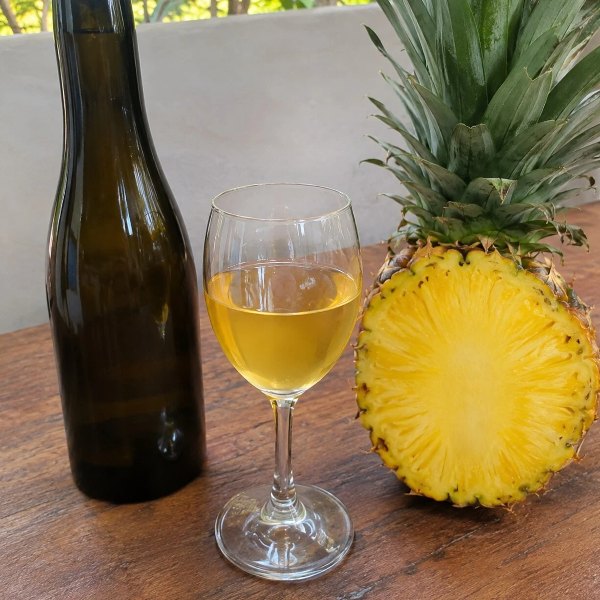 |
Pineapple Wine
Pineapple wine is a fermented drink made from the fruit.
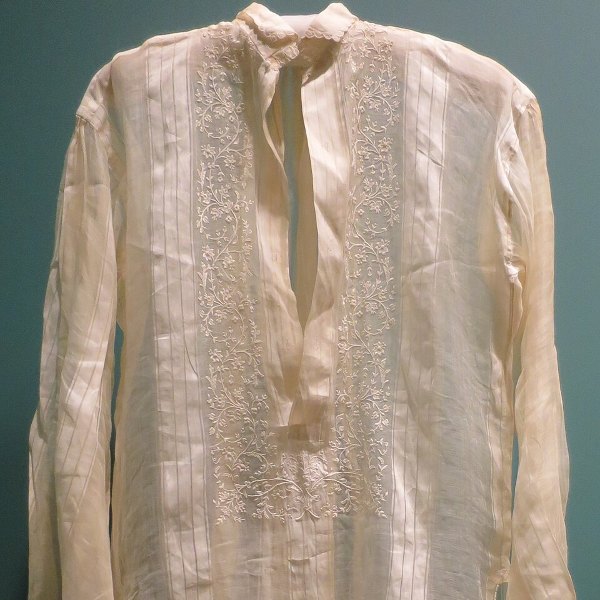 |
Piña Cloth and Barong Pinya
Piña cloth is a fine cloth woven from pineapple leaf fiber in Aklan, used for the barong. Pineapple leaf fiber has been used this way since at least the 17th century.
FarmyHub is adding local pineapple juice makers, so look out for them soon.
Frequently Asked Questions About Pineapple
What is the scientific name of pineapple?
The scientific name of pineapple is Ananas comosus. It belongs to the bromeliad family, Bromeliaceae.
Is pineapple a fruit or a vegetable, and does it grow on a tree?
Pineapple is a fruit. It does not grow on a tree. It grows on a low plant with long, spiky leaves, and each plant gives one fruit per cycle.
Where do most pineapples in the Philippines come from?
Most come from Northern Mindanao, which grew 51.3% of the country’s pineapples from April to June 2023, followed by SOCCSKSARGEN and the Bicol Region. Bukidnon is home to the Del Monte plantation.
What is the pineapple capital of the Philippines?
There is no officially designated pineapple capital of the Philippines. However, Bukidnon is often referred to as the country’s pineapple capital because of its large growing areas and commercial plantations. Piñan in Zamboanga del Norte is also known as the Pineapple Capital of Zamboanga Peninsula.
What is the sweetest pineapple variety in the Philippines?
The Queen (Formosa) pineapple from Camarines Norte. PCAARRD describes it as the sweetest pineapple variety in the world.
How long does a pineapple plant take to bear fruit?
It depends on the planting material. If you are learning how to grow a pineapple, suckers take 16 to 18 months, slips 18 to 20 months and crowns 22 to 24 months.
Does pineapple have seeds?
Most commercial pineapples sold in markets do not have visible seeds. Seeds develop when pineapple flowers are pollinated, which commercial growers generally avoid to maintain fruit quality.
Saan pinakamaraming tinatanim na pinya sa Pilipinas?
Ang pinakamaraming pinya sa Pilipinas ay galing sa Northern Mindanao, lalo na sa Bukidnon. Sumusunod ang SOCCSKSARGEN at ang Bicol Region.
Where to Find Pineapple Sellers Online
Whether you need pineapples by the ton, by the piece or plantlets for a new farm, FarmyHub lets you browse pineapple sellers across the Philippines and contact them directly. Compare the listings, message the seller to check what is available now and agree on pickup or delivery. FarmyHub is a marketplace, so confirm details with the seller before you order. For other fruits, see our fruit suppliers guide.
🍍 Browse pineapples on FarmyHubSell Your Pineapples on FarmyHub
Do you grow or trade pineapples, or make pineapple products? You can reach buyers across the Philippines on FarmyHub. There are two ways to start:
List your products yourself, for free. Create a free account in seconds with your Google or Facebook account, then post your listing in a few minutes. Once approved, your listing is visible to buyers, who can message or call you directly.
🌱 List your products for freeBecome a FarmyHub supplier. Tell us about your farm or business, your products and how much you can supply. Our team will contact you to learn about your business, and when a bulk buyer is looking for what you sell, we can recommend you.
🤝 Become a supplierPrefer using your phone? Download the free FarmyHub app to post listings and reply to buyers on the go.
📱 Get the app on Google PlayMimi is a Partnership & Logistics Coordinator at FarmyHub, the online marketplace connecting farmers, suppliers, cooperatives and buyers across the Philippines. She works with sellers nationwide and researches local agricultural products, prices and sourcing options. Her guides help buyers compare Filipino products and sellers, so they can find the right supplier and contact them directly.