

Mastering the Palengke: A Guide with 10 Saving Technique Money Hacks — Timing Strategies, Sourcing Methods, and the Suki System
Shopping at a local market, or palengke, is one of the most effective ways to reduce your household expenses. Unlike the fixed prices of air-conditioned supermarkets, the local market is a dynamic, living ecosystem where prices fluctuate based on the hour, the season, and your relationship with the vendors. However, without a strategic plan, it is incredibly easy to overspend on "impulse buys" or lose money to spoilage.
To truly master the market, you must treat it like a professional operation. Use these expanded Palengke Savings Hacks to ensure every peso you spend goes further, supporting both your family’s health and your monthly budget.
1. The "In-Season" Rule — Let Nature Dictate the Price
The golden rule of market saving is simple: Supply and demand are governed by the earth’s calendar. When you try to buy produce out of its natural cycle, you pay a premium for logistics and storage.
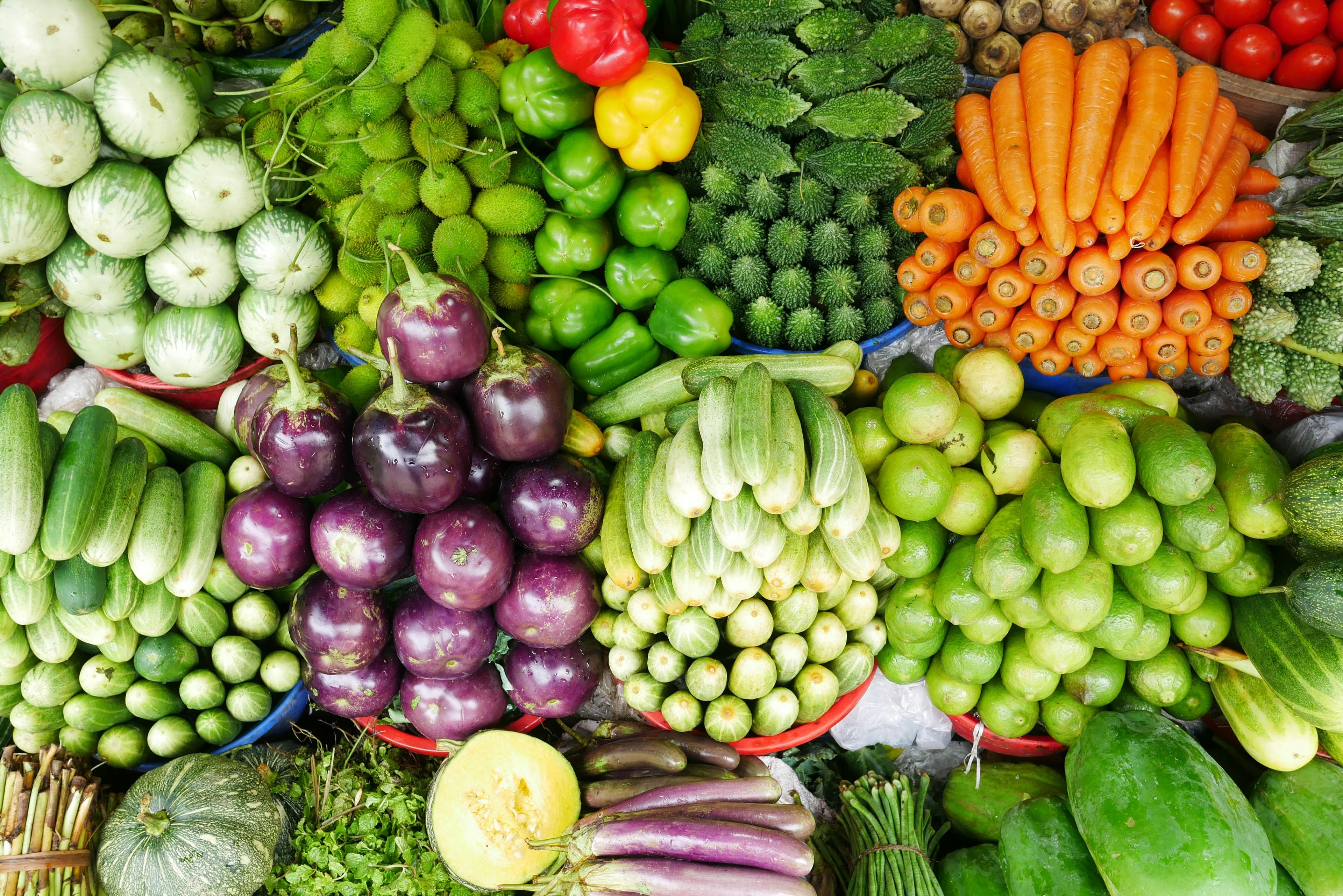
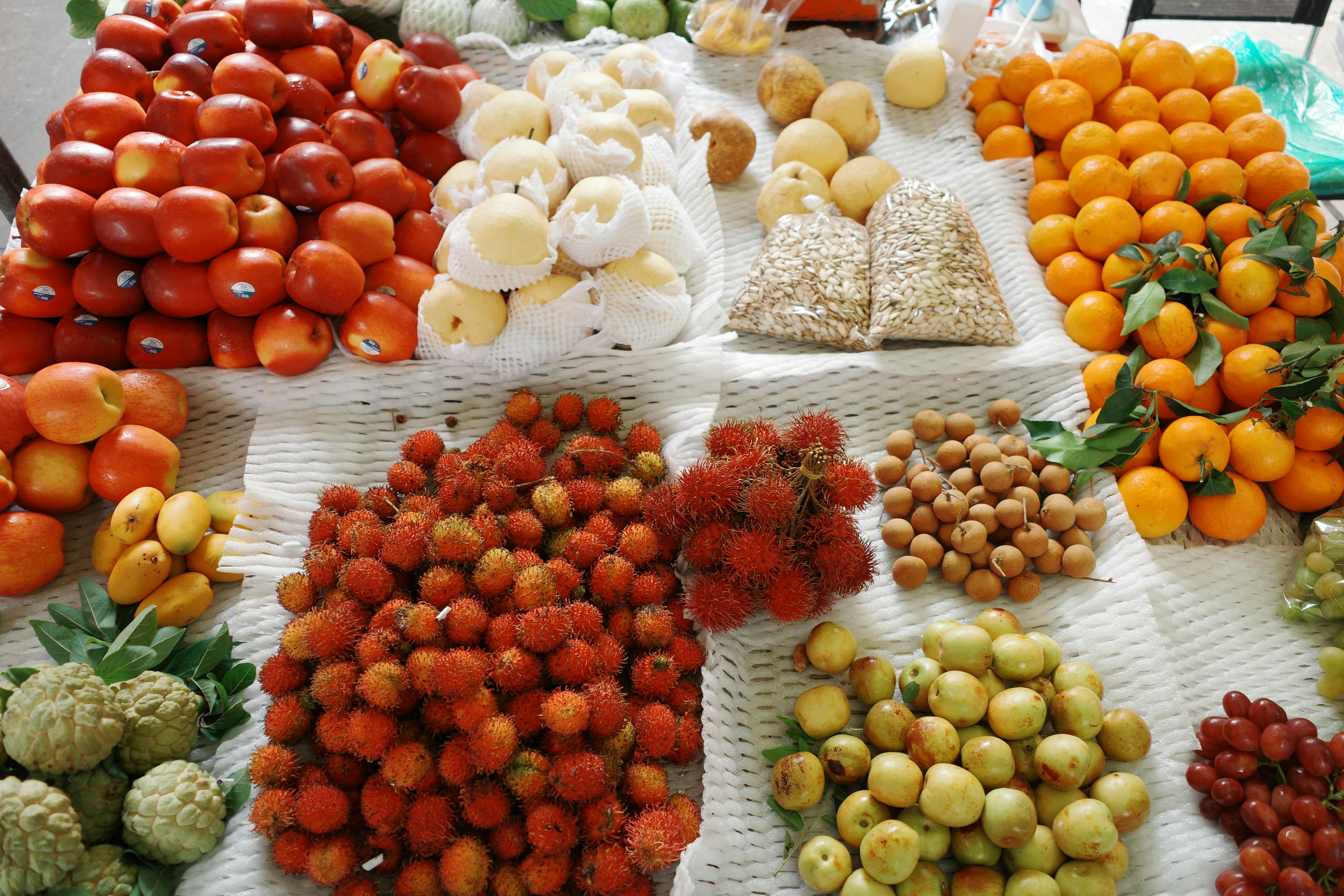
The Hack: Focus your meal planning around fruits and vegetables currently in peak harvest. During the summer, mangoes and watermelons are abundant and cheap. During the rainy season, you’ll find calamansi and root crops at their lowest prices.
The Deep Dive: Beyond checking the price tag, observe the volume at the stalls. If every vendor is overflowing with tomatoes, that is your signal to cook sinigang, sarciado, or homemade tomato sauce.
The Savings: You can save up to 50% compared to buying off-season or imported produce. Furthermore, in-season produce is more nutrient-dense because it hasn't been sitting in cold storage for weeks.
2. Master the "Bagsakan" Timing — Snag Lowest Prices
In the world of the palengke, the early bird gets the best quality, but the latecomer gets the best price.
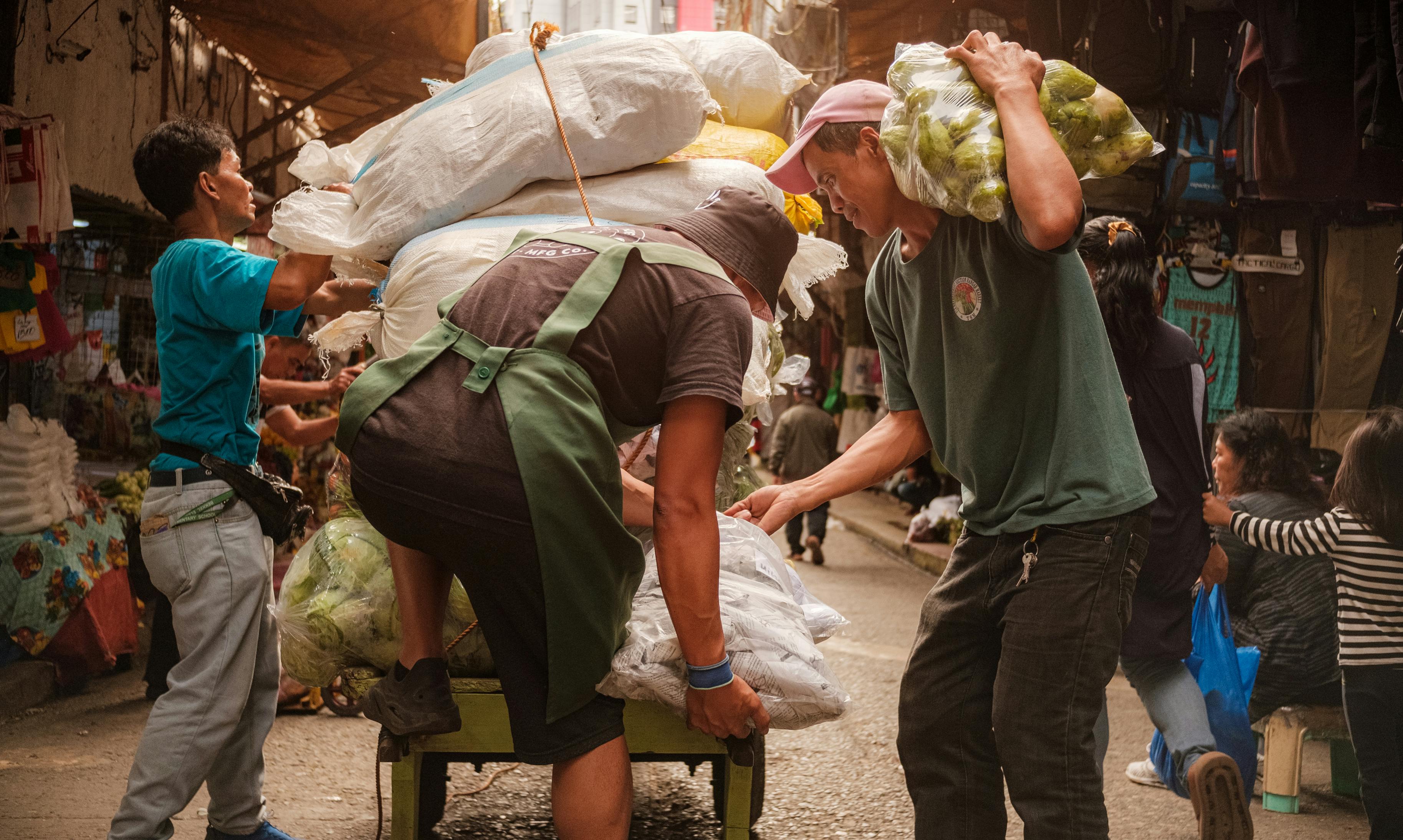
The Hack: If your goal is maximum savings, aim for "Bagsakan" hours—usually very late at night or the earliest hours of the morning (2:00 AM – 4:00 AM) when wholesale deliveries arrive. If you aren't an early riser, go an hour before the market closes for the day.
The Strategy: As closing time approaches, vendors face a dilemma: sell the remaining stock at a discount or risk it wilting overnight. This is when they offer "re-pack" deals—pre-packed bags of assorted vegetables for a flat, significantly lower rate.
The Savings: Evening shoppers can often walk away with "3-for-100" deals on items that cost double that amount in the morning.
3. The Power of the "Meal-Match" List — Stops Overspending Fast
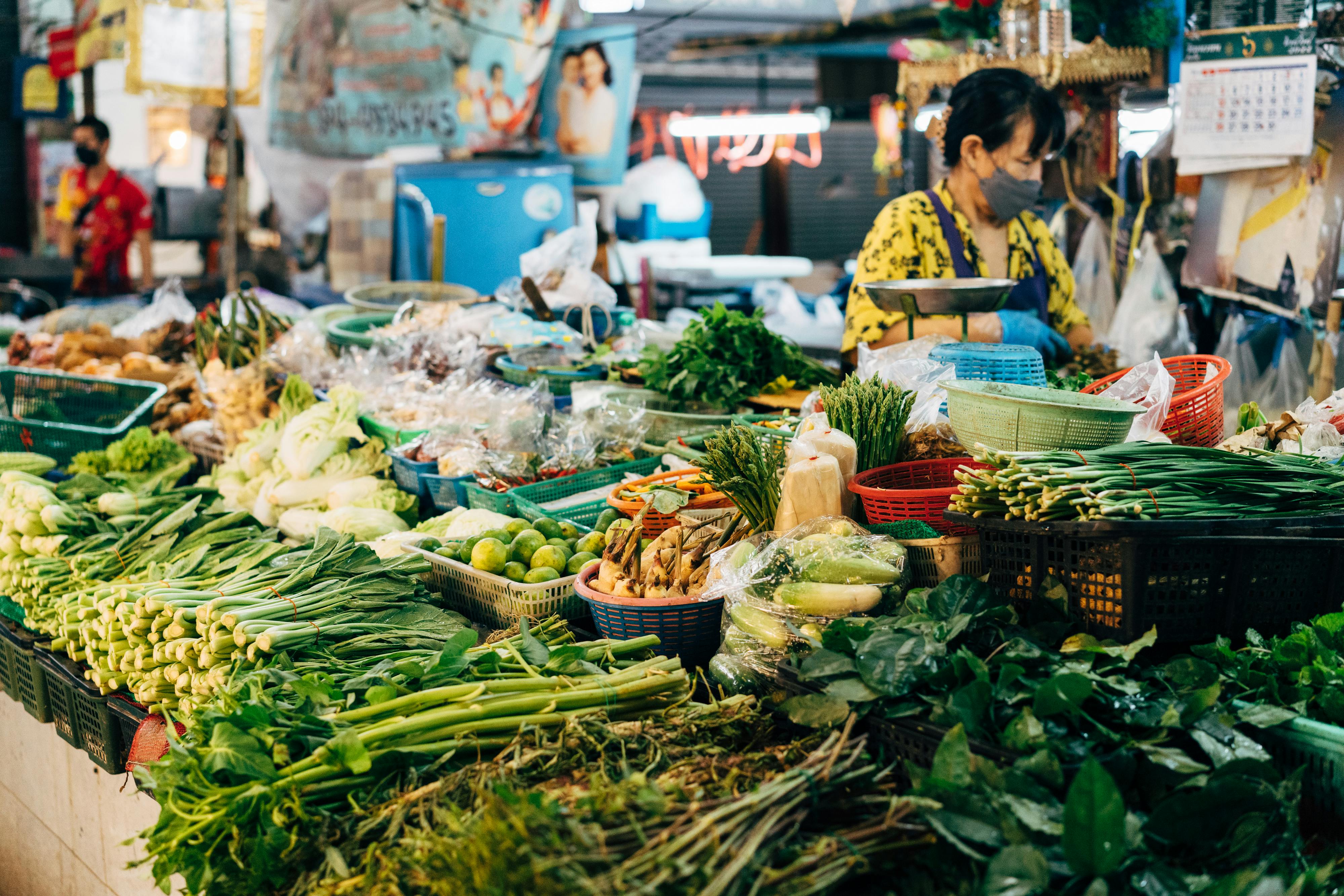
One of the biggest budget killers is the "orphan ingredient"—that lone eggplant or bunch of bok choy you bought because it looked fresh, but you had no plan for.
The Hack: Organize your shopping list by "Dish Blocks" rather than categories. Instead of writing "Vegetables," write "Sinigang Ingredients" or "Chopsuey Ingredients."
The Execution: When you shop by dish, you ensure you have the correct ratios. If you buy the meat for Adobo but forget the peppercorns or laurel leaves, you end up making an extra trip to a convenience store where prices are marked up by 30%.
The Savings: This method eliminates food waste. When every item has a "destination" dish, your fridge stays clean, and your money stays in your pocket.
4. Buy in "Tumpok" (Bundles) vs. Kilo — Gets More Value
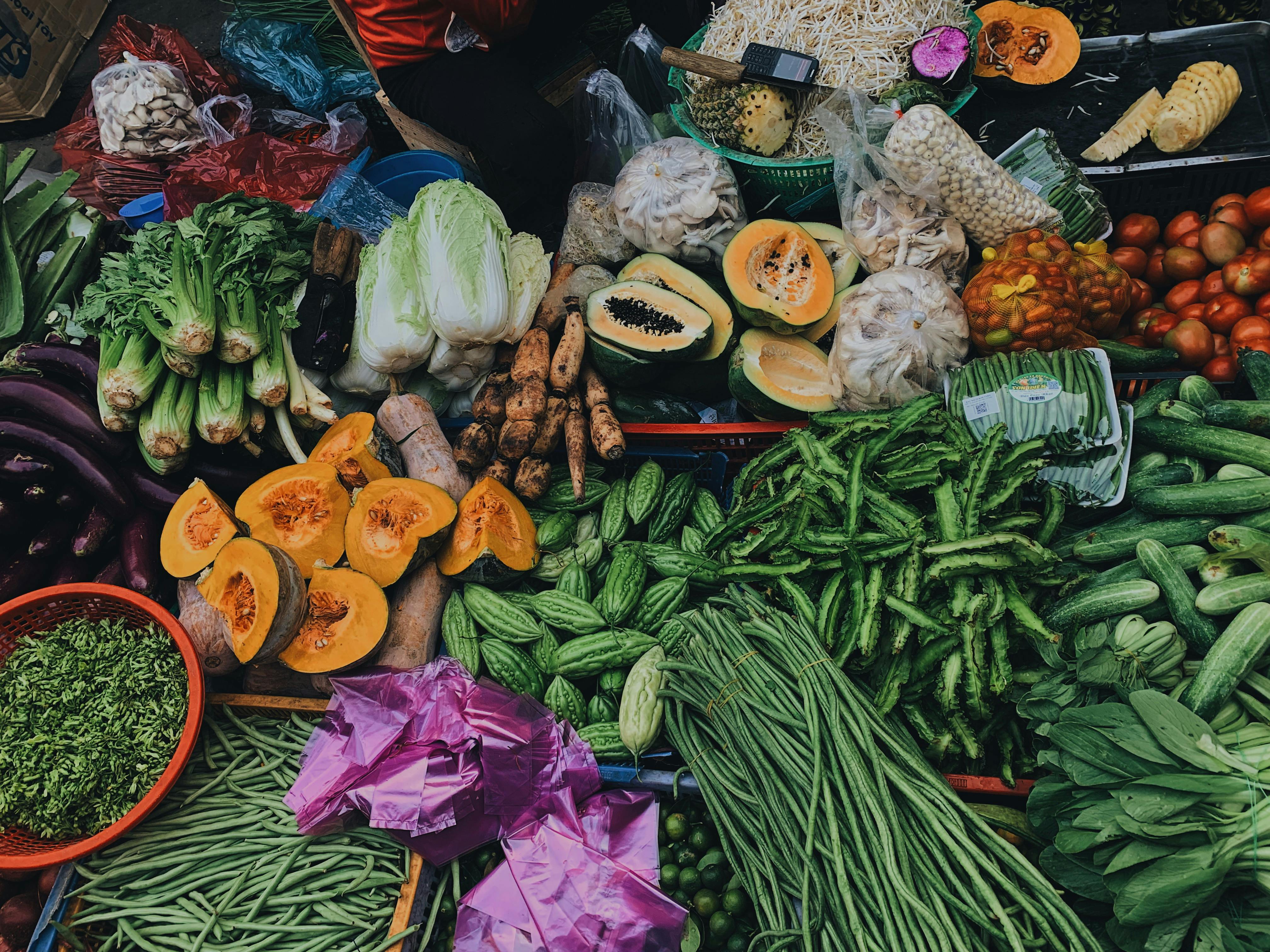
The tumpok is a staple of Filipino market culture. These are small piles of produce laid out on wooden tables or plastic sheets for a fixed price.
The Hack: For small households, buying by the kilo is often a trap. If you only need two onions for the week, buying a full kilo just because it "seems like a better deal" often leads to those onions sprouting or rotting in your cupboard.
The Math: Vendors use tumpok to move stock quickly. Often, buying three tumpok for ₱50 gives you exactly what you need for two days of cooking without the "hidden cost" of spoilage.
The Savings: You reduce your upfront cash outlay and ensure you are only eating the freshest possible produce.
5. Inspect the "Timbangan" (The Scale) — Avoids Weight Cheating
Trust is the currency of the market, but verification is the guardrail of your budget.
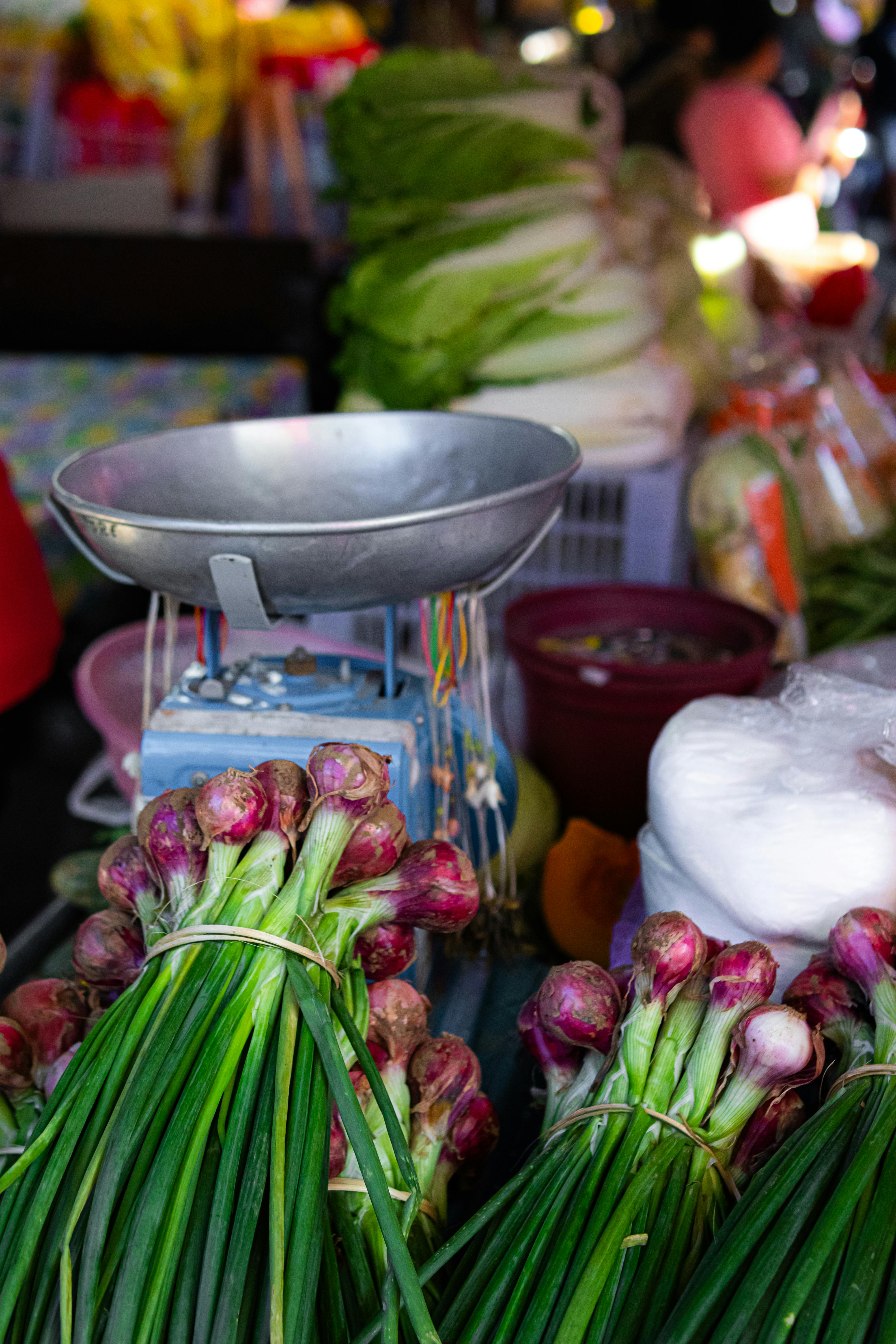
The Hack: Every registered public market is required to have a "Timbangan ng Bayan" (Public Scale), usually located near the market office.
The Psychology: You don't always have to use it. Simply being the type of shopper who carefully watches the vendor’s scale—ensuring it starts at zero and that no "heavy thumbs" are involved—signals that you are a "pro."
The Bonus: Observant shoppers often get a little dagdag (extra) because vendors want to ensure you leave satisfied and don't feel the need to report a discrepancy at the public station.
6. Opt for "Local" over "Baguio" or "Imported" — Cuts Transport Costs
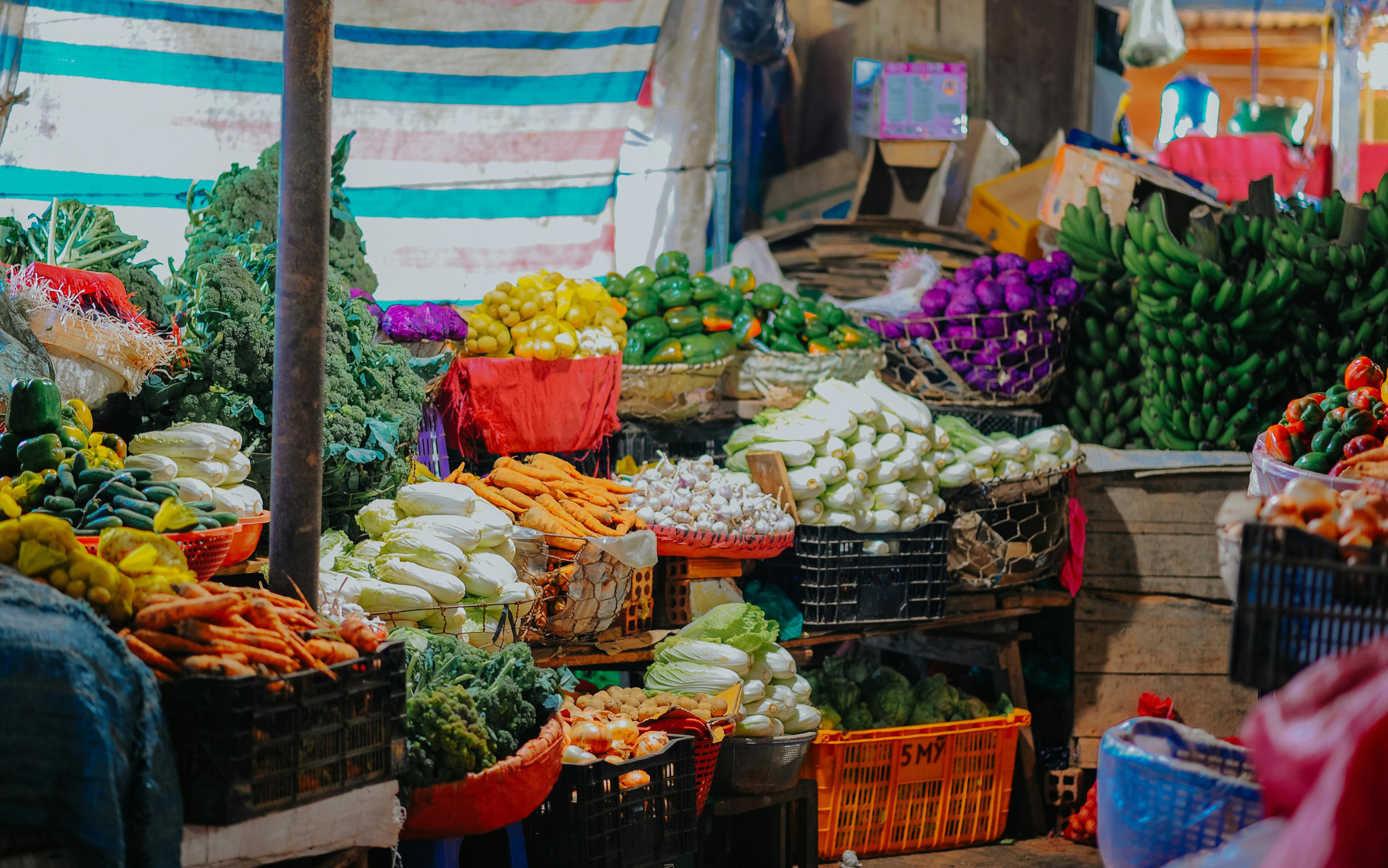
We often gravitate toward "Baguio Vegetables" (temperate crops like broccoli, lettuce, and carrots) because they feel premium. However, these come with heavy logistics and refrigeration costs.
The Hack: Embrace "Lowland" vegetables. Ingredients like talong (eggplant), kalabasa (squash), sitaw (string beans), and malunggay are grown in nearby provinces and require less transport.
The Resilience: Lowland vegetables are sturdier. A squash can sit on your counter for a week without rotting, whereas a head of lettuce begins to wilt the moment it hits the tropical heat.
The Savings: Choosing local can shave 20-30% off your total bill.
7. Master the Art of "Pakyaw" (Bulk Buying) — Lowers Unit Price
If you have a large family or a small business, buying "tingi" (small retail) is the most expensive way to live.
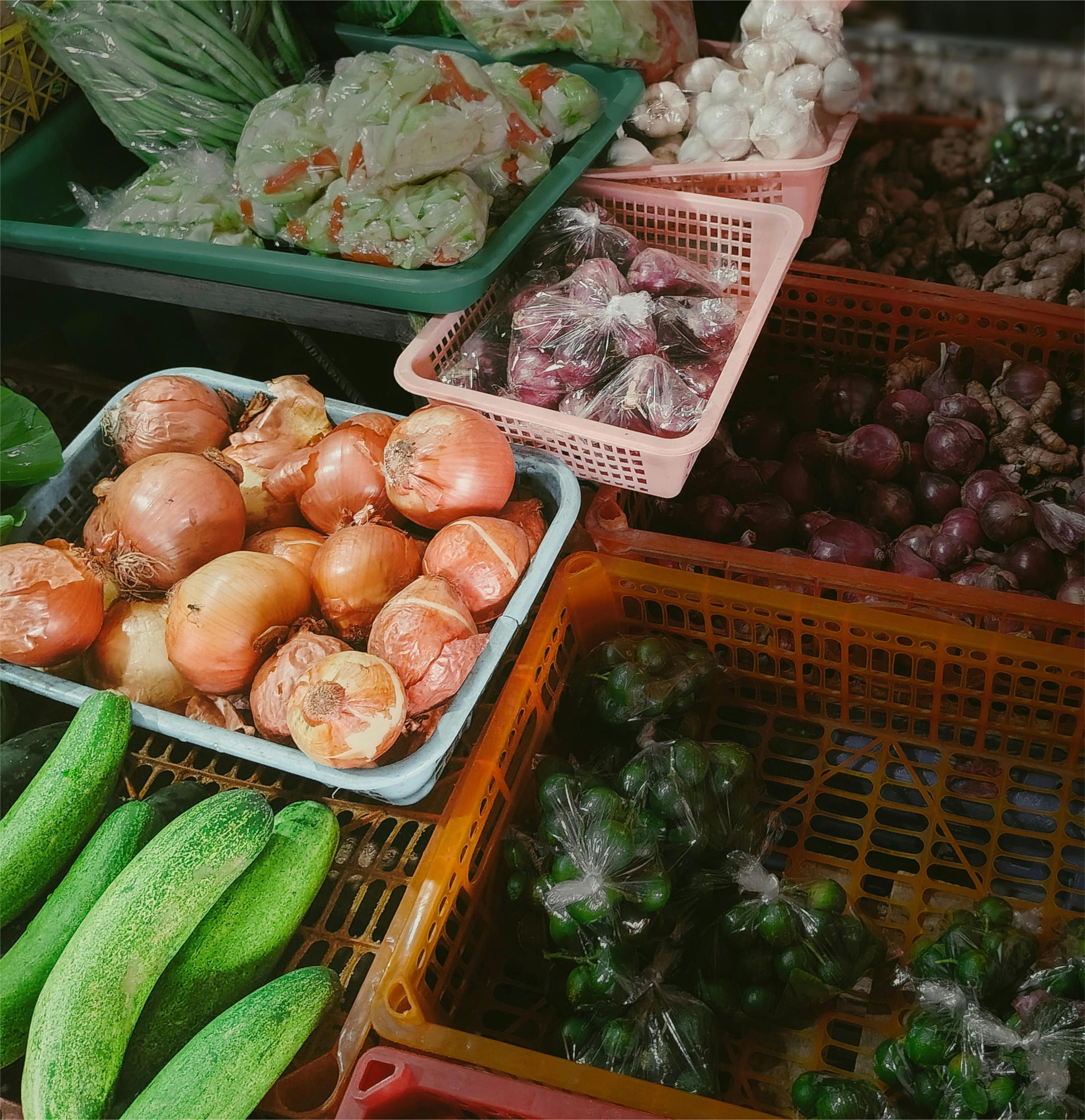
The Hack: Identify "Long-Life" staples—garlic, onions, ginger, and rice. Ask for the pakyaw or wholesale price if you buy in larger quantities (e.g., a 5kg bag of onions or a full sack of rice).
The Storage: To make this work, you must store these items correctly. Hang onions in a mesh bag in a cool, dark place rather than leaving them in plastic.
The Savings: Moving from 250g purchases to 5kg purchases can result in a 20% price reduction per unit.
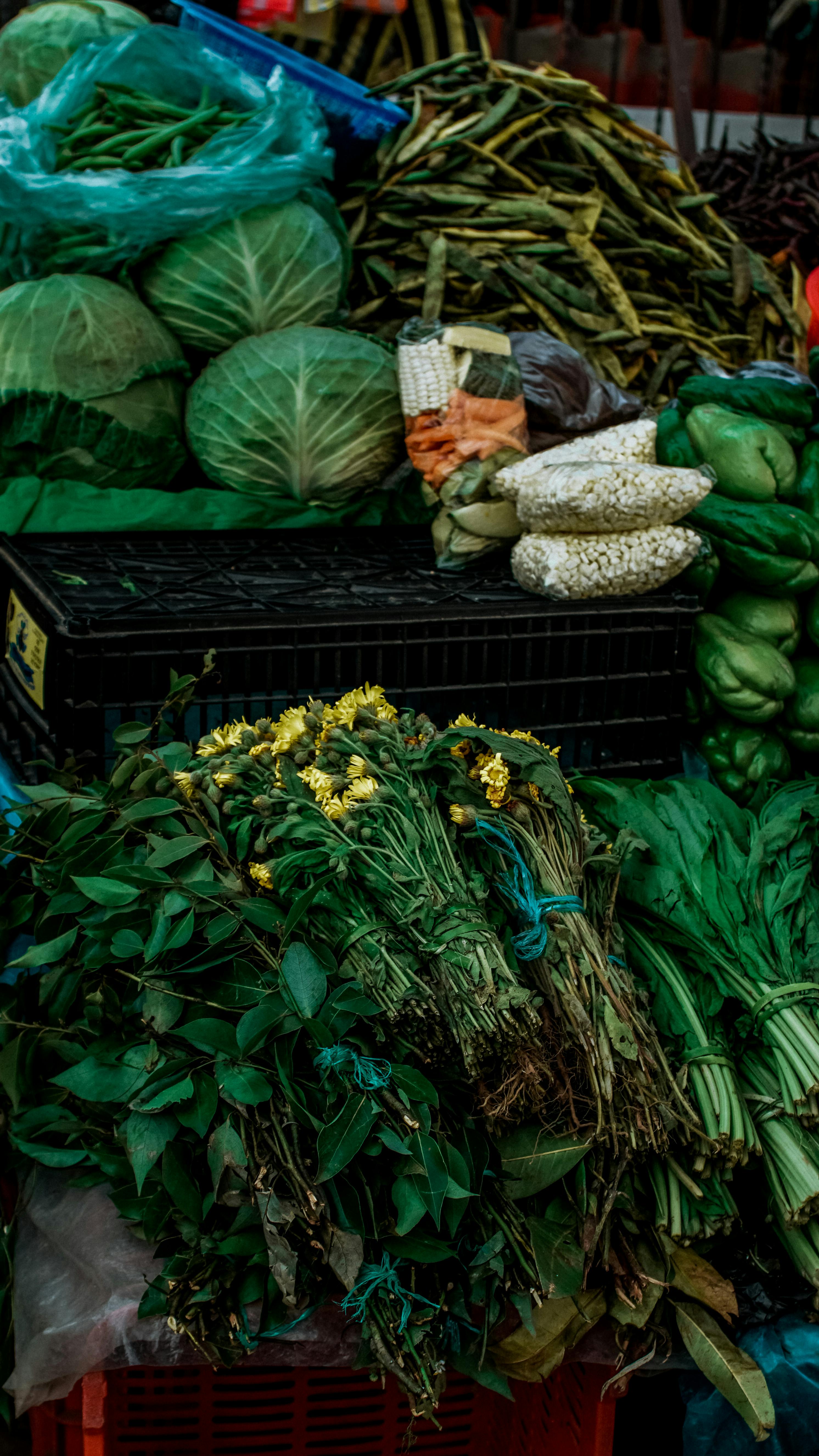
8. Buy "Ugly" but Healthy Produce — Scores Huge Discounts
Supermarkets spend millions on aesthetics, discarding any fruit that isn't a perfect sphere. The palengke is more honest.
The Hack: Look for "seconds" or "ugly" produce. A tomato that is slightly soft is actually better for making shakshuka or stews because it’s riper and sweeter. A crooked carrot tastes exactly like a straight one once it's peeled.
The Safety Check: Ensure there is no mold or deep rot. Bruising is fine; decay is not.
The Savings: Most vendors will gladly give you a 30-40% discount on these items just to clear their inventory before the next shipment arrives.
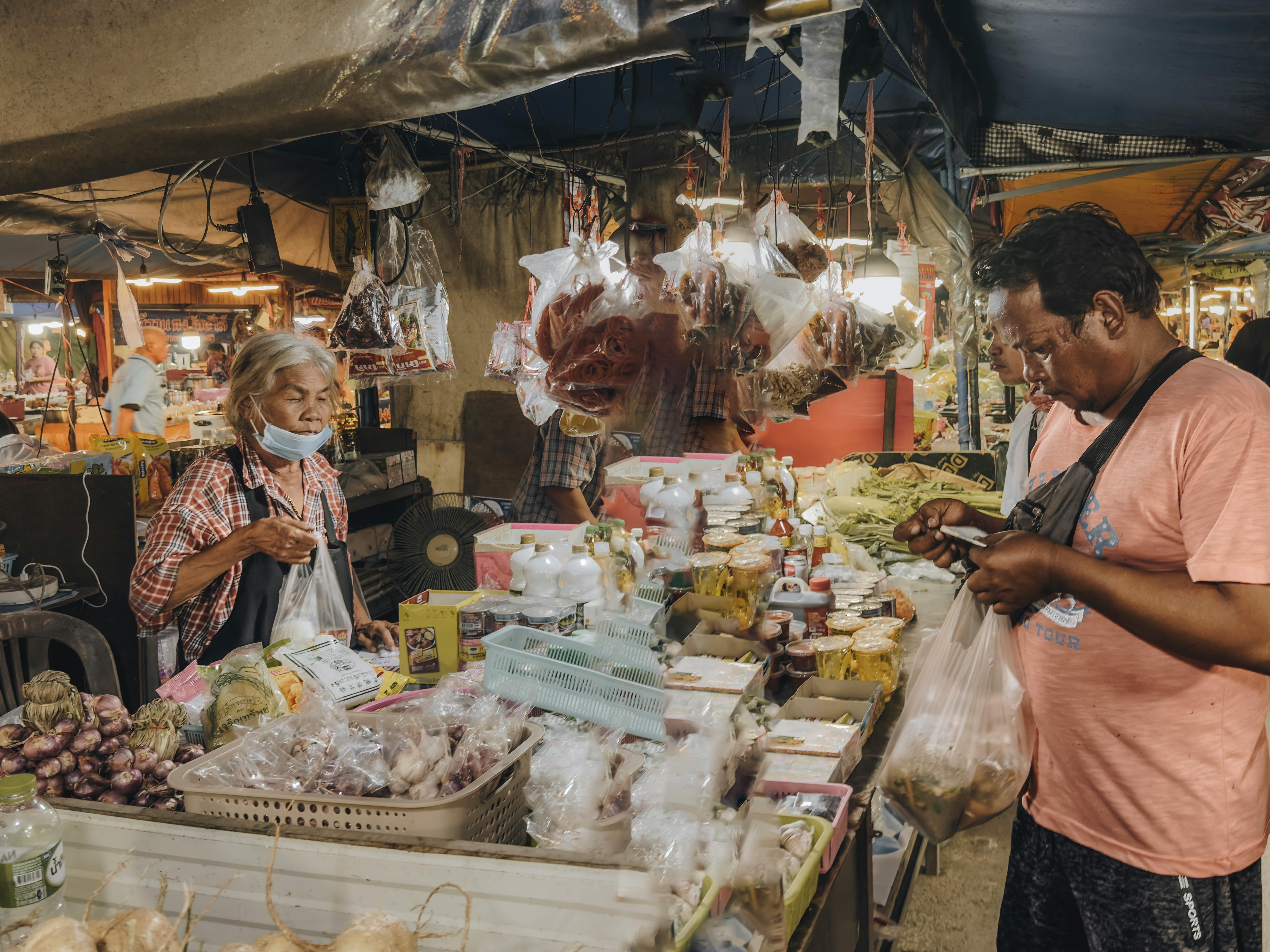
9. Cash is King (and Small Bills are Queen) — Speeds Up Change
While digital wallets are gaining ground, the palengke still breathes on paper and coin.
The Hack: Always carry small denominations (20s, 50s, and plenty of coins).
The Negotiation: Negotiation is easier when you can offer the exact amount. If a total comes to ₱107, and you have exactly ₱105 in your hand, a vendor is much more likely to say "Sige na, okay na 'yan" than if they have to break a ₱1,000 bill.
The Efficiency: You save the vendor the time spent looking for change, which builds immediate goodwill.
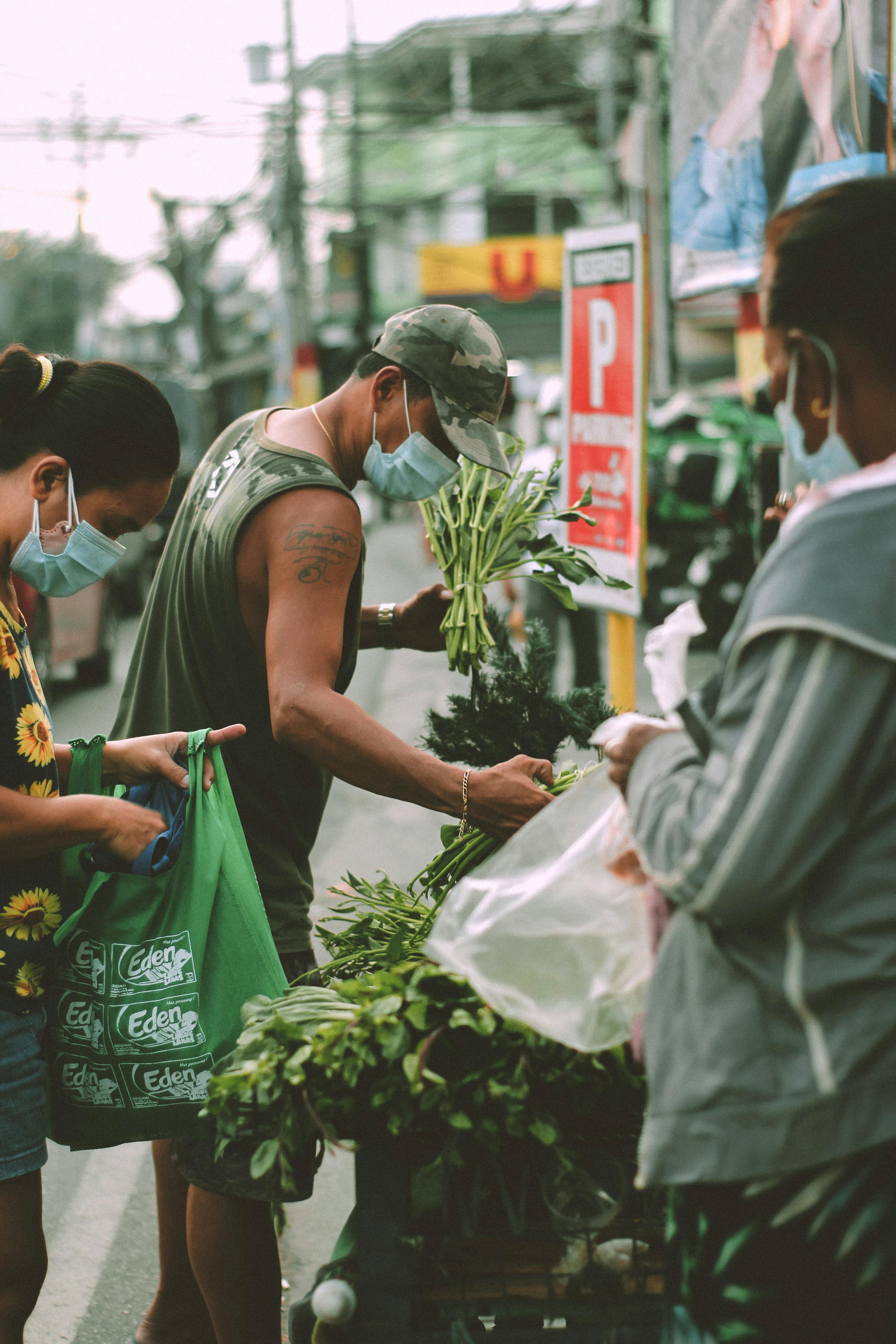
10. The "Suki" System — The Ultimate Loyalty Program
In the Philippines, the Suki relationship is the most powerful financial tool you have. It is a bond of mutual loyalty between buyer and seller.
The Hack: Don't stall-hop every time you visit. Find a meat vendor, a fish vendor, and a vegetable vendor you trust and go to them every single time.
The Benefits: A Suki gets the freshest cuts hidden under the counter, the "inside scoop" on when prices are about to rise, and the legendary dagdag—that extra handful of chilies or calamansi thrown into the bag for free.
The Long-Term Value: Over a year, these small extras and "round-down" prices can save a household thousands of pesos.
Final Thoughts
Mastering the palengke is a journey of experience, observation, and community. It’s about more than just finding the lowest price; it’s about understanding the rhythm of the seasons and building relationships with the people who provide your food. By applying these hacks, you aren’t just optimizing your budget—you’re bringing home fresher, healthier ingredients while supporting the local economy and the hardworking farmers of our provinces.
Registered agriculturist, higher education instructor, and hands-on farmer. I write practical farming and agribusiness guides based on my work in the field and in the classroom.