Organic vs. Inorganic Fertilizer: Which is Better for Your Crops?
Every farmer dreams of a bountiful harvest, but the "secret" to healthy crops starts long before the first sprout appears. It begins beneath the surface. In the Philippines, the debate between Organic (natural) and Inorganic (synthetic) fertilizers is more relevant than ever. Is one truly better than the other, or is there a middle ground that ensures both profit and soil health? Let’s dig into the dirt.
1. Breaking Down the Differences
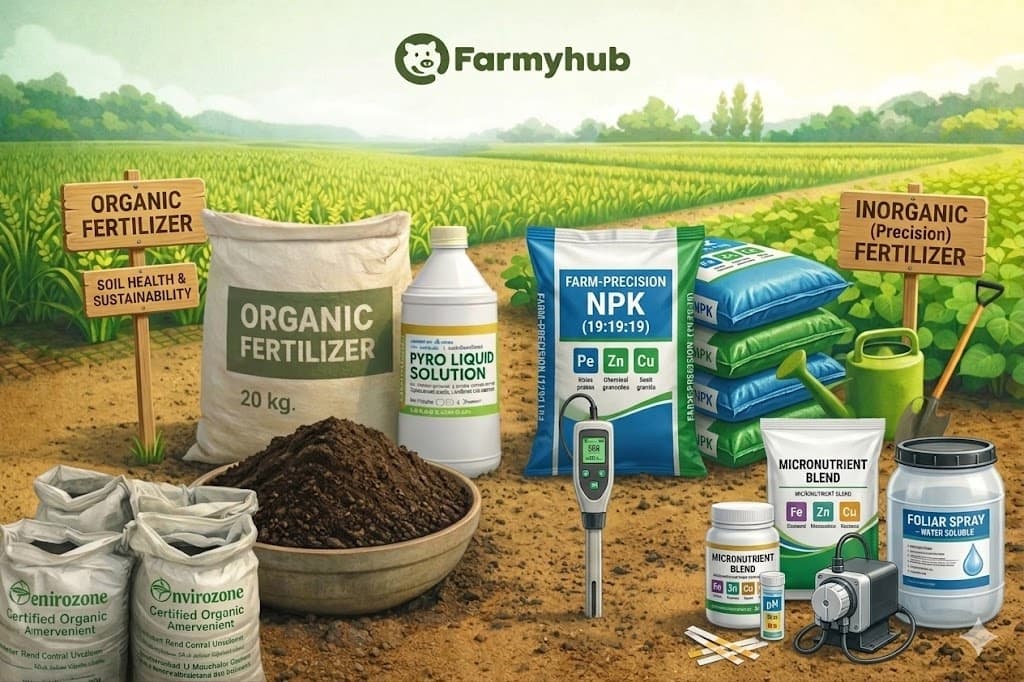
Organic Fertilizer
Source : Plant/animal waste (manure, compost, seaweed).
Nutrient Release: Slow-release. Nutrients break down as the soil microbes process them.
Soil Health: Provides nutrients but can lead to soil "hardening" if overused.
Cost: Often cheaper if made on-site (composting), but can be bulky to transport.
Precision: Variable nutrient levels.
Inorganic Fertilizer
Source : Chemically manufactured (NPK pellets, urea).
Nutrient Release:Fast-release. Nutrients are immediately available to the plant.
Soil Health: Improves soil structure and water retention over time.
Cost: More expensive per bag, but highly concentrated and easy to apply.
Precision: Exact, guaranteed ratios of Nitrogen, Phosphorus, and Potassium.
2. The Pros and Cons
The Organic Path: Investing in the Future
The Pros: Think of organic fertilizer as a "long-term investment." It feeds the soil, not just the plant. In the Philippines, adding organic matter helps sandy or clay-heavy soils hold moisture better—a lifesaver during the harsh dry season.
The Cons: Patience is required. It takes time to see results. If your crops are already yellowing and need food now, organic options might be too slow to save the current harvest.
The Inorganic Path: The Quick Boost
The Pros: Perfect for "high-demand" stages of growth. If you need a rapid growth spurt for leafy greens or a boost during flowering, synthetic fertilizers deliver nutrients with surgical precision.
The Cons: Too much of a good thing can be bad. Over-reliance can lead to "leaching" (nutrients washing away into groundwater) and can kill the beneficial microbes that keep your soil "alive" naturally.
3. The "Modern Farmer" Strategy: Integrated Nutrient Management
Why choose sides? Many successful Filipino agri-entrepreneurs are moving toward a hybrid approach to get the best of both worlds:
Build the Base: Use organic compost or manure during land preparation to improve the soil’s long-term "stamina."
Strategic Support: Apply inorganic fertilizers sparingly during critical growth phases—like panicle initiation in rice—to maximize your yield.
4. Local Context: Why It Matters for You
In the Philippines, shifting toward organic practices isn't just about being "green"—it's about being smart. Chemical fertilizer prices often fluctuate due to global imports. By utilizing local waste—like rice hulls (ipon), chicken dung, or kitchen scraps—you can:
Lower your overhead costs.
Market your produce as "Low-Intervention" or "Eco-Friendly."
Fetch a higher price from health-conscious urban buyers.
5. The Bottom Line
There is no "one-size-fits-all" answer. The best fertilizer is the one that fits your crop's needs, your budget, and the long-term health of your land.
Pro Tip: Check your soil first! Before spending money on heavy bags of fertilizer, consider a soil test. It’s the only way to know exactly what nutrients your land is actually missing.
Ready to grow? Whether you're composting at home or looking for the best NPK ratios, your soil is the foundation of your success. Happy farming!