

How to Start a Successful Agribusiness: A Complete Guide — Choosing Your Crop, Managing Your Money, and Finding Your Market
JS
Starting a farm or an agricultural business is an exciting journey. It is more than just planting seeds or raising animals; it is about building a business that can feed people and provide for your family for a long time. However, many people find it hard to start because they think it is too complicated or only for people with a lot of money.
The truth is, anyone can start a successful agribusiness if they have a good plan and a strong heart. You don’t need to be a scientist to understand how to grow food for profit. You just need to be smart, patient, and willing to work hard. Here is a simple, step-by-step guide to help you turn your dream into a real, money-making business.
1. Treat It Like a Real Job, Not a Hobby — Commit Professional Focus
The first and most important rule is to commit fully. Many people think they can start a farm while living far away and only visiting on the weekends. They call this "weekend farming." In most cases, this leads to failure.
Be There Every Day: Plants and animals are living things. They don't take weekends off. They can get sick, run out of water, or be attacked by pests in just a few hours. To be successful, you—or someone you trust completely—must be there to watch over them every single day.
Be a Student: Since you are starting out, you need to learn everything you can. Walk through your fields. Touch the soil. Watch how your animals behave when they are happy and when they are hungry. The more you know about the small details, the better your business will be.
Have a Plan to Move: If you are currently working another job to save money, that is fine. But you should have a date on your calendar for when you will quit that job and focus 100% on your farm. A business grows best when the owner is there to lead it.
2. Focus on One Thing and Do It Well — Dominate One Niche
When people see a big piece of land, they often want to plant everything at once—tomatoes, corn, chickens, and pigs. This is a mistake. When you try to do everything, you end up doing nothing well.
The Power of Specialization: It is much better to be the best tomato farmer in your town than to be an "okay" farmer of ten different things. Pick one crop or one type of animal that you like and that people in your area want to buy.
The Two-Year Rule: Stay focused on that one thing for at least two years. Use this time to learn the "cycle." You will see how the weather affects your harvest and how the prices at the market go up and down. Once you have mastered one thing and you are making a steady profit, only then should you think about adding a second crop or animal.
Start Small: If you have ten hectares of land, don't try to plant all ten hectares on the first day. Start with a small garden plot or half a hectare. If you can't make a profit on a small piece of land, you will only lose more money on a big piece of land. Grow as your skills grow.
3. Stand on Your Own Two Feet — Build Independent Capital
A lot of people wait for the government to give them a grant, a loan, or free seeds before they start. If you wait for someone else to help you, you might never start.
Use What You Have: Look at what you own right now. Do you have a small backyard? A few shovels? A little bit of savings? Start there. Success comes to those who take action with what is available to them.
Success Attracts Help: Think of it this way: a bank is much more likely to lend money to a farmer who already has a healthy field of crops than to someone who just has a "good idea" but hasn't planted anything yet. When people see you working hard and getting results, they will want to help you.
Be Independent: Build your business so that it can survive even if no one gives you a hand. This makes you a strong leader and a resilient business owner.
4. Have a Big Dream, but Take Small Steps — Scale Operations Wisely
It is good to dream of owning the biggest farm in the country one day. Dreams give us hope when things get tough. But to get to that big dream, you must focus on the work right in front of you.
Think Long-Term: Ask yourself, "Will people still want to buy what I am growing in 20 years?" If you are growing food that people always need—like rice, vegetables, or meat—the answer is usually yes. Build your business for the long haul.
Be Ready for Tough Times: In farming, things will go wrong. Sometimes it rains too much, or it doesn't rain at all. Sometimes prices in the market drop. This is part of the business. The successful farmers are the ones who don't give up when they lose a harvest. They learn what went wrong, they fix it, and they try again.
Failure Is a Teacher: Don't be afraid to make mistakes. Every mistake is a lesson that makes you a better farmer. The only real failure is when you stop trying.

5. Keep Track of Every Cent — Record All Expenses
You might think that because you are working in the dirt, you don't need to do "office work." This is not true. Agriculture is a business, and every business needs to keep records. If you don't write down your numbers, you are just guessing.
The Daily Record Rule: Every time you spend money, write it down. Did you buy a bag of feed for ₱1,500? Write it down. Did you pay someone ₱500 to help you weed? Write it down. Even small things like the ₱50 for your phone load or the gasoline for your motorcycle should be recorded.
The 24-Hour Rule: Try to write down your expenses within 24 hours. If you wait a week, you will forget the small costs. Those small, "invisible" costs are often why farmers wonder where all their money went at the end of the month.
Know Your Profit: By keeping good records, you will know exactly how much it costs you to produce one kilo of vegetables or one tray of eggs. If it costs you ₱600 to grow something and you sell it for ₱750, you know you made ₱150. If you don't keep records, you might be selling it for ₱550 and losing money without even knowing it!
6. Understand Your Market — Validate Crop Demand
Before you even put a seed in the ground, you need to know who is going to buy your product. A business without customers is just a very expensive hobby.
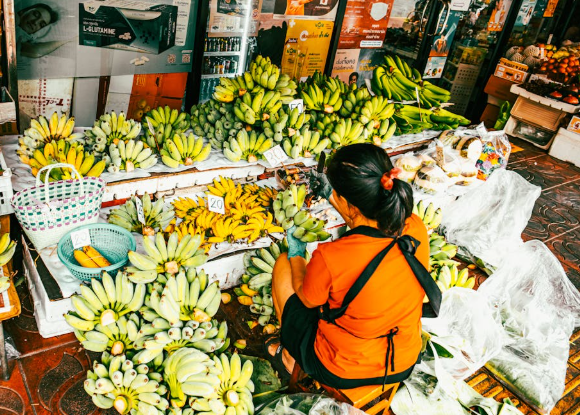
Talk to Buyers: Go to your local market. Talk to the vendors. Ask them what items are hard to find or what items customers are always asking for. This tells you what you should grow.
Quality Matters: Even if you are a small farmer, try to have the best quality. Clean your vegetables, make sure your eggs are not cracked, and be honest about your products. When buyers know they can trust your quality, they will keep coming back to you.
Price it Right: Don't just pick a price because everyone else is using it. Look at your records, see how much you spent, and make sure you are charging enough to cover your work and still be fair to the customer.
7. Take Care of Your Resources — Protect Farm Assets
Your farm has two main "engines" that keep it running: the soil (or your animals) and you. You must take care of both.
Feed the Soil: If you keep planting on the same land without giving it nutrients (like compost or manure), the soil will get tired and your crops will be small. Treat your land like a bank account—you have to put something in if you want to take something out.
Manage Your Time: Don't work yourself until you get sick. A sick farmer cannot run a business. Learn to manage your time so you have energy for the long run.
Build a Team: As you get bigger, you will need help. Choose people who are honest and willing to learn. Treat them well, and they will help you grow your powerhouse business.
Summary: Your Path to Success
Building a successful agribusiness isn't about luck. It is about following these simple steps:
Be Present: Show up and do the work every day.
Be Focused: Master one thing before you try to do everything.
Be Independent: Don't wait for help; start with what you have.
Be Brave: Have a big vision but be okay with starting small.
Be Smart with Money: Record every expense so you can see your profit.
Agriculture is one of the most rewarding businesses in the world. You are helping to feed your community while building a future for yourself. If you stay disciplined, keep it simple, and never stop learning, your small plot of land can truly become a powerhouse.