

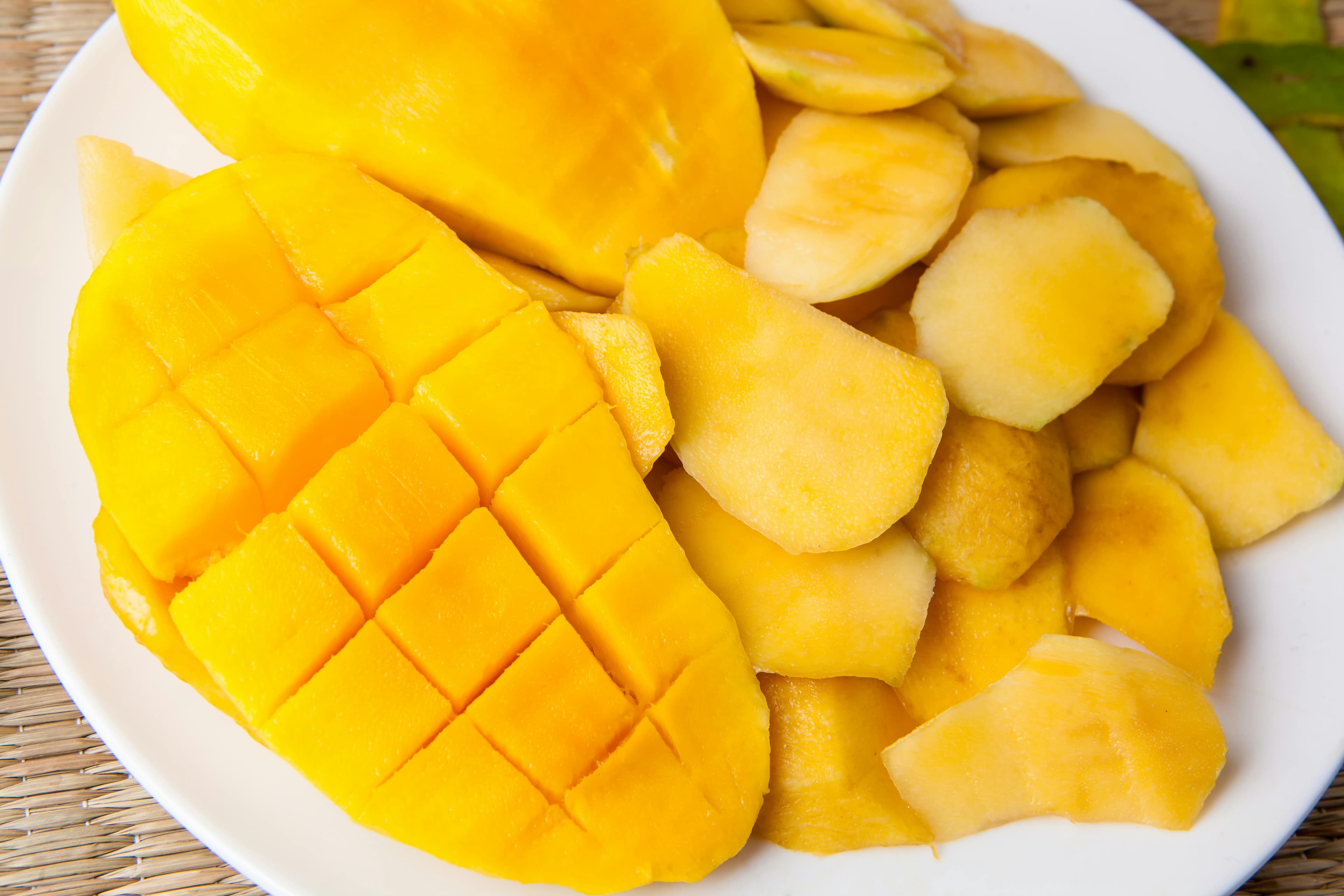
Top 10 Ripe Mango Health Benefits — Nutritional Value, Sourcing Tips, and Ways to Eat
Mangoes are often called the "king of fruits," and it is very easy to see why. Not only are they incredibly delicious and sweet, but they are also one of the healthiest things you can eat. When a mango is perfectly ripe, it is soft, juicy, and packed with vitamins that help your body stay strong.
In this article, we are going to look at the many ways that eating ripe mangoes can help you feel better every day. We will use simple words to explain how this fruit works inside your body. Whether you eat them as a snack, put them in a smoothie, or add them to your meals, ripe mangoes are a gift from nature.

1. Keeps Your Body Strong Against Sickness — Boosts Immune System
One of the best things about a ripe mango is how much Vitamin C it has. Think of Vitamin C like a tiny shield for your body. When you have enough of it, your body is much better at fighting off common illnesses like colds or the flu.
Just eating one small bowl of mango can give you almost half of the Vitamin C you need for the whole day. It helps your white blood cells—which are like your body’s internal soldiers—work faster and better to keep you from getting sick.

2. Helps Your Stomach Digest Food — Aids Food Digestion
Have you ever felt heavy or bloated after eating a big meal? Ripe mangoes can help with that. They contain natural things called "enzymes." These enzymes help break down the food in your stomach so your body can use it for energy more easily.
Mangoes also have a lot of fiber. Fiber is like a broom for your insides; it keeps everything moving smoothly so you don't get constipated. If you have a sensitive stomach, eating a little bit of ripe mango regularly can help you feel much more comfortable.

3. Keeps Your Heart Happy — Protects Heart Health
Your heart is the engine of your body, and it needs the right fuel to keep pumping. Ripe mangoes contain two very important minerals: potassium and magnesium. These minerals help your blood flow easily through your body.
When your blood flows well, your heart doesn't have to work quite as hard, which helps keep your blood pressure at a safe and healthy level. Keeping your heart healthy is one of the most important things you can do for a long life, and eating fruit is a great way to start.

4. Protects Your Eyesight — Sharpens Eye Vision
We often hear that carrots are good for our eyes, but mangoes are just as amazing! Ripe mangoes are full of Vitamin A. This vitamin is essential for seeing clearly, especially when the lights are low or at night.
As we get older, our eyes can get tired or weak. Mangoes have special natural colors that act like "internal sunglasses." They help protect your eyes from the bright light of the sun and can stop your vision from getting blurry as the years go by.

5. Gives You Glowing Skin — Promotes Glowing Skin
If you want your skin to look bright and healthy, you might want to spend more time in the fruit aisle than the makeup aisle. The vitamins in ripe mangoes help your body create something called collagen.
Collagen is what makes your skin feel firm and bouncy. When you don't have enough of it, skin can start to look dry or wrinkled. Because mangoes are also full of water, they help keep your skin hydrated from the inside out, giving you a natural, healthy glow.
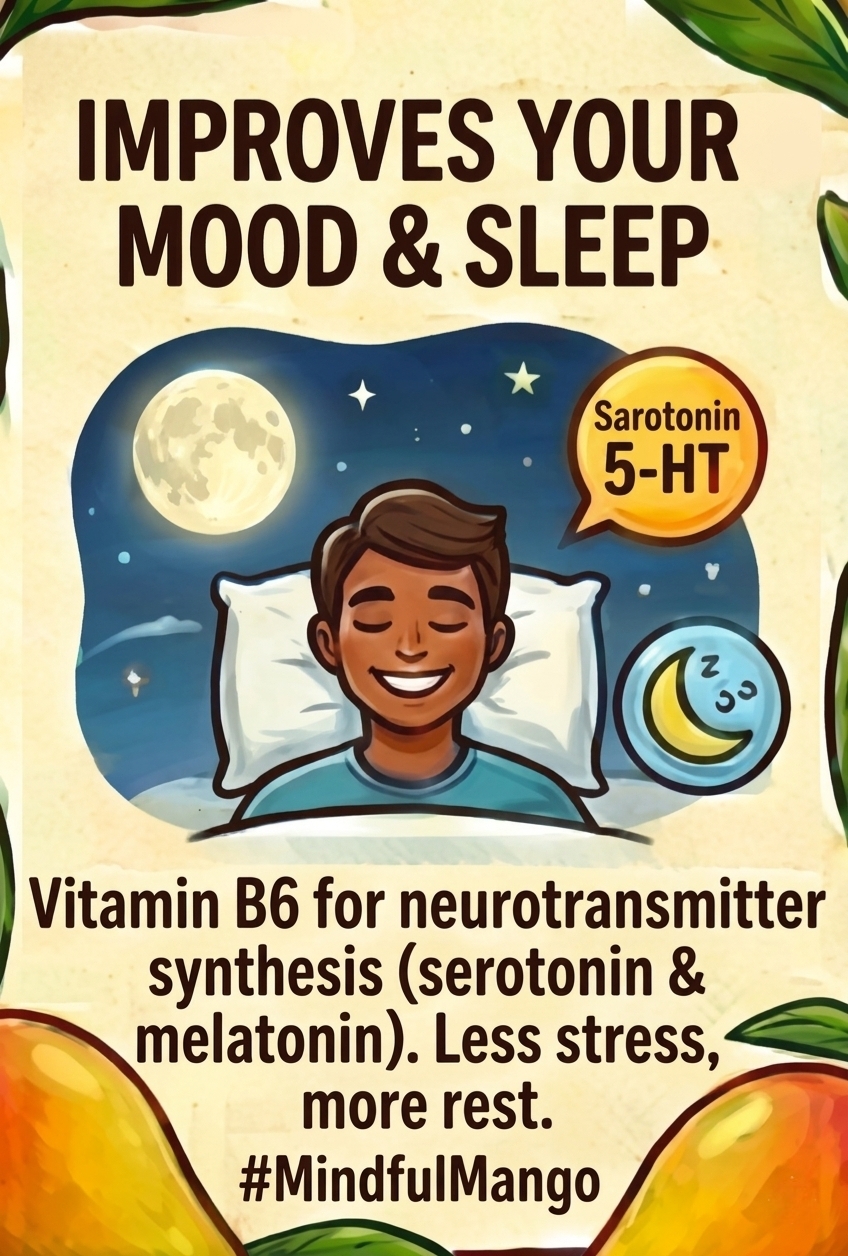
6. Improves Your Mood and Sleep — Improves Mood Sleep
Did you know that what you eat can change how you feel emotionally? Ripe mangoes contain Vitamin B6. This vitamin helps your brain produce a chemical that makes you feel happy and relaxed.
If you are feeling a bit stressed or if you have trouble falling asleep at night, a small serving of mango might help. It calms the mind and helps your body prepare for a good night's rest. It’s a much better late-night snack than sugary candy or heavy chips.
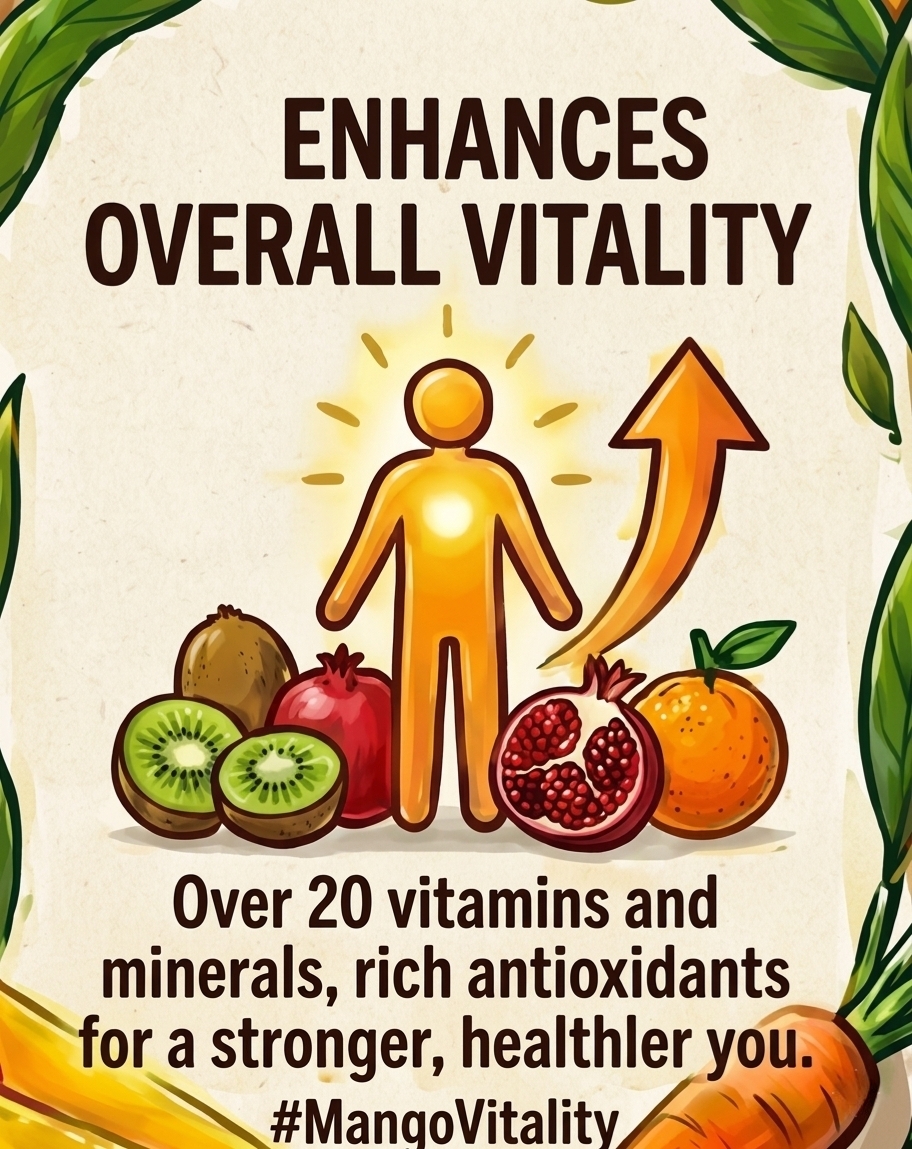
7. Reduces Swelling and Soreness — Fights Body Inflammation
Sometimes our bodies feel "inflamed." This is a fancy word for when your joints or muscles feel sore, puffy, or hot. This can happen after hard work, exercise, or just as we get older.
Ripe mangoes have natural compounds that act like a gentle, natural medicine to turn down that "heat" inside your body. By eating mangoes, you are helping your body stay calm and reducing the aches and pains that can slow you down during the day.

8. Helps You Manage Your Weight — Helps Weight Management
Many people think that because mangoes are sweet, they might make you gain weight. Actually, the opposite can be true! Because mangoes have so much fiber, they make you feel full for a longer time.
If you eat a few slices of ripe mango when you are hungry, you are less likely to reach for "junk food" like cookies or cake. It satisfies your craving for something sweet but gives your body good nutrients instead of just "empty" sugar. It is a perfect, low-calorie treat.

9. Supports a Healthy Pregnancy — Supports Healthy Pregnancy
For women who are expecting a baby, ripe mangoes are a wonderful snack. They are high in something called folate (or Vitamin B9). This specific vitamin is very important for helping a baby grow properly while it is still inside the mother.
It helps the baby’s brain and spine develop healthily. Plus, because many pregnant women struggle with low energy or an upset stomach, the natural sugars and easy-to-digest fiber in a mango can be very helpful during those nine months.
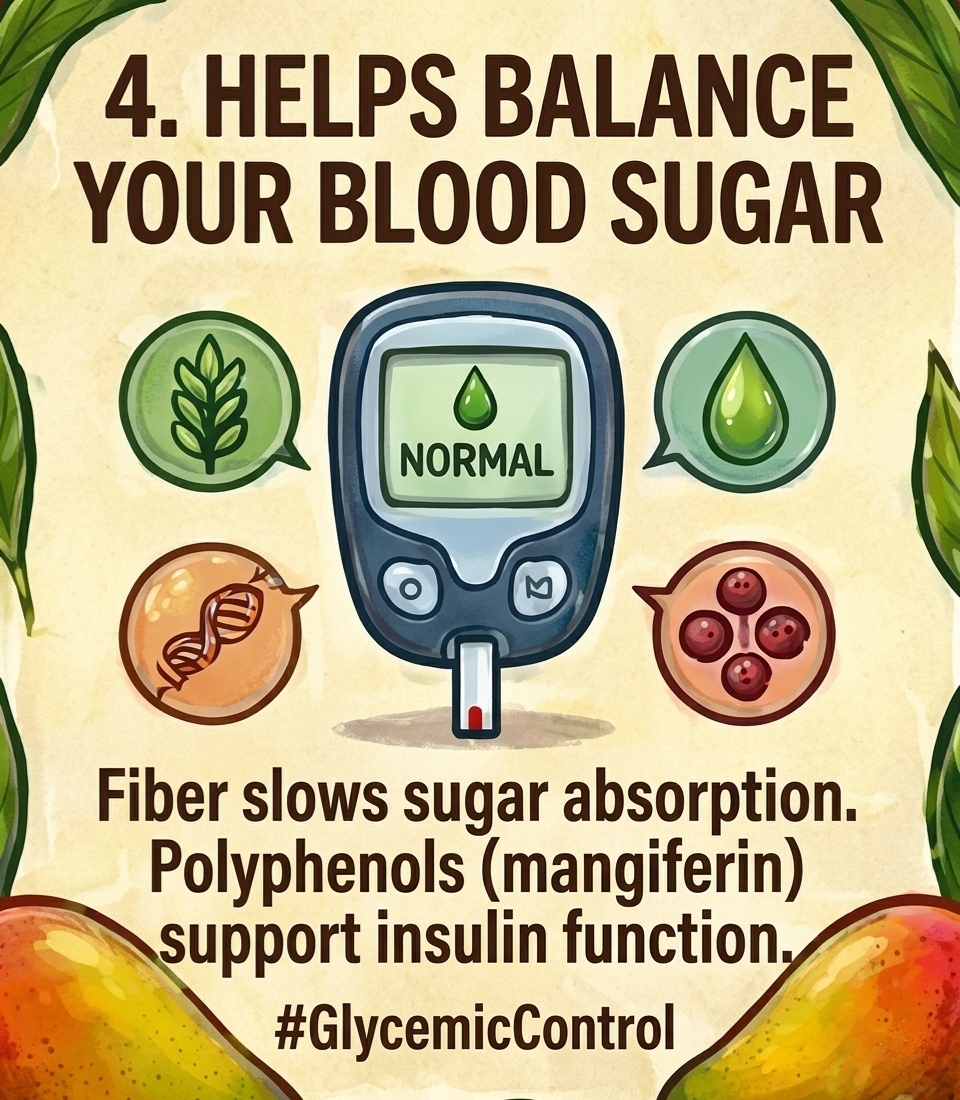
10. Helps Balance Your Blood Sugar — Ignites Natural Energy
Even though mangoes taste very sweet, they are actually okay for most people to eat in moderation. The fiber in the fruit slows down how fast the sugar enters your blood. This means you won't get a big "sugar crash" like you would after eating a candy bar.
Recent studies have shown that the special parts of the mango fruit can actually help your body handle sugar better. As long as you don't eat too many at once, they are a very safe and healthy way to enjoy a sweet treat.
[Image showing the nutritional components of a mango: Vitamin C, Fiber, and Potassium]
How to Choose and Eat the Best Mango
To get all these "ripe mango health benefits," you need to know how to pick the right one.
The Squeeze Test: Gently squeeze the mango. If it is hard like a rock, it isn't ready. If it feels slightly soft—like a ripe peach—it is perfect.
The Smell Test: Smell the mango near the stem. A ripe mango will smell very sweet and fruity.
The Color: While many ripe mangoes turn yellow or orange, some stay a bit green even when they are sweet. Always trust the feel and the smell more than the color.
Simple Ways to Enjoy Mango:
Fresh Slices: This is the best way. Just peel, slice, and eat. You get all the juice and all the fiber.
Mango Smoothie: Blend some ripe mango with a little bit of water or milk. It’s like a healthy milkshake!
In a Salad: You can chop mango into small pieces and mix it with greens or even other fruits like bananas and pineapples.
Frozen Treats: You can freeze mango chunks and eat them like little ice cream bites on a hot day.
A Quick Note on Dried Mango
While fresh, ripe mango is amazing for you, be careful with dried mango. When the water is taken out of the fruit, the sugar becomes very concentrated. Many stores also add extra white sugar to dried mango to make it taste like candy. To keep your body at its healthiest, always try to choose the fresh fruit over the dried version when you can.
Conclusion
The mango is truly a "superfruit." From helping your heart and stomach to making your skin and eyes stay strong, the benefits are endless. It is a simple, natural food that almost everyone can enjoy.
Next time you are at the market, look for those beautiful, soft, sweet-smelling fruits. By bringing home a few ripe mangoes, you are bringing home a delicious way to take care of yourself and your family. Enjoy the sweet taste of the tropics and let your body soak up all that goodness!
Registered agriculturist, higher education instructor, and hands-on farmer. I write practical farming and agribusiness guides based on my work in the field and in the classroom.