

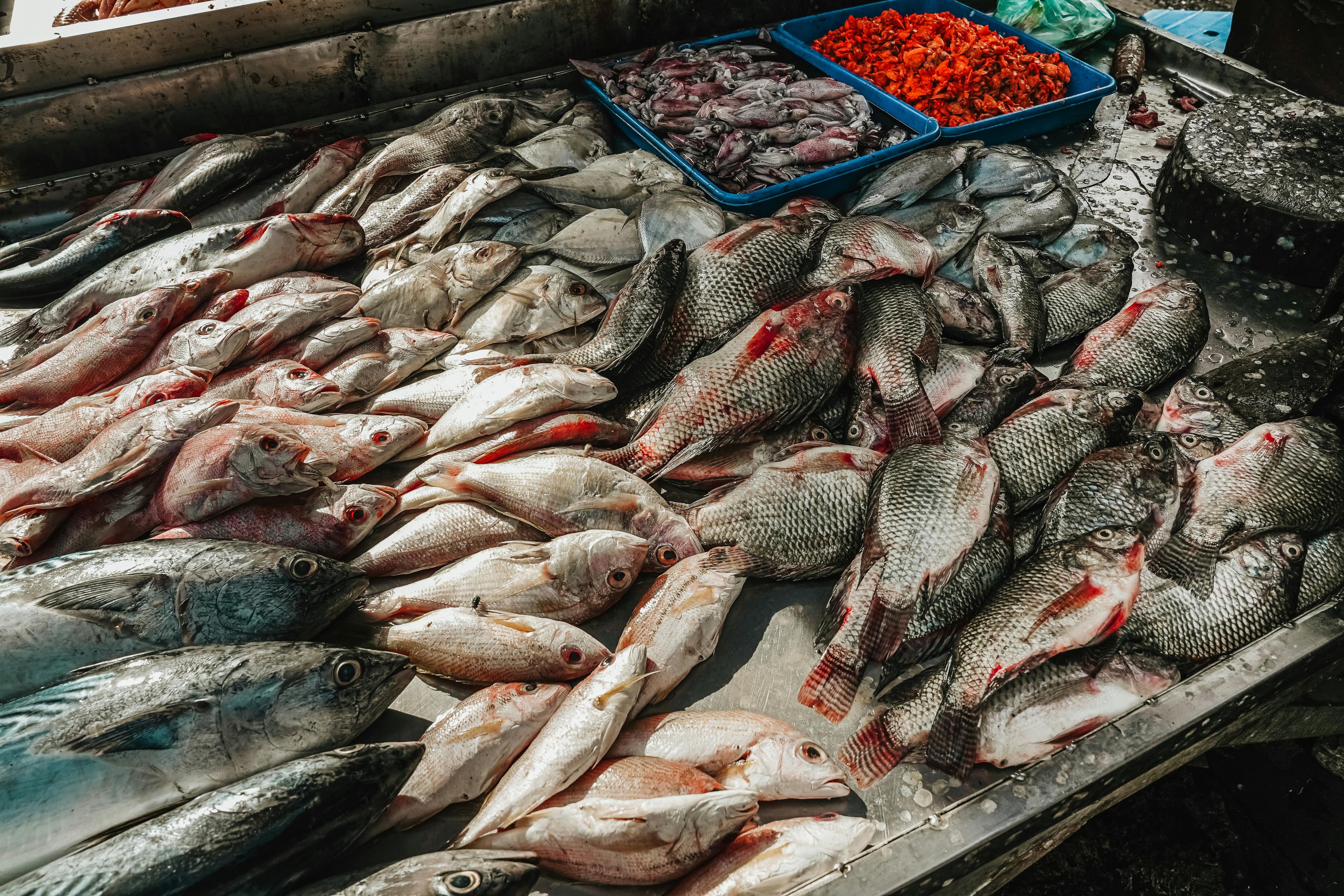
The Top 4 Fresh Seafood Picks in the Markets This Season (May–June) — Foods That Are In Season, How to Pick the Best Quality, and Why It’s Better to Buy Local
Eating seafood in the Philippines is one of the best parts of our daily life, and whether you are enjoying a simple inihaw na bangus for lunch or a special sinigang na hipon for a family celebration, nothing beats the taste of seafood that was caught just a few hours ago. However, have you ever noticed that sometimes the fish in the market tastes extra delicious, while other times it feels a bit bland? This is because of the "season," as just like fruits and vegetables, fish and other sea creatures have times of the year when they are most abundant and at their best quality. At FarmyHub, we want to help you make the smartest choices for your kitchen by connecting you directly to local harvests, meaning that instead of guessing how long a fish has been sitting in a freezer or traveling in a truck, our platform helps you find local fish farmers and suppliers who bring their catch straight from the water to the market.
What’s "In Season" This May and June? — Peak Months for Local Favorites
In this guide, we will talk about the top 4 picks for May and June, how to pick the best quality, and simple ways to cook them at home.
.png)
1. Bangus (Milkfish) — Best Seasonal Catch
Bangus is truly the undisputed star on every Filipino table, beloved by everyone from children to elders. Whether it is sourced from the famous fish farms of Dagupan or raised in local ponds nearby, this fish is a top favorite because of its versatility and rich flavor. During the months of May and June, the warm and sunny weather is perfect for these fish to grow healthy and strong, making their meat even more flavorful and plump. Because it is so widely available during this season, you can easily find high-quality bangus that is perfect for any meal, whether you are preparing a quick lunch or a special dinner for the family.
✅ How to Tell If Bangus is Fresh:
Bright Eyes: The eyes should be clear and shiny, not cloudy or sunken.
Red Gills: Lift the gill cover; it should be a healthy pink or red color.
Firm Flesh: Press the side of the fish; if it bounces back quickly, it is fresh.
Shiny Scales: The scales should be tight and have a natural, metallic shine.
🍳 Suggested Recipes:
Inihaw na Bangus: Stuffed with tomatoes, onions, and ginger, then grilled over charcoal.
Bangus Sisig: Crispy, flaked bangus meat mixed with chili and calamansi.
Relyenong Bangus: A special dish where the meat is deboned and stuffed with a savory mixture.
Sinigang na Bangus: A classic sour soup perfect for a hot afternoon.
📍 Location: Putik, Zamboanga City, Zamboanga del Sur, Philippines
📦 Packaging: 1 kg per pack
💰 Price: ₱280 per kg
📦 Package cost: ₱280 per kg
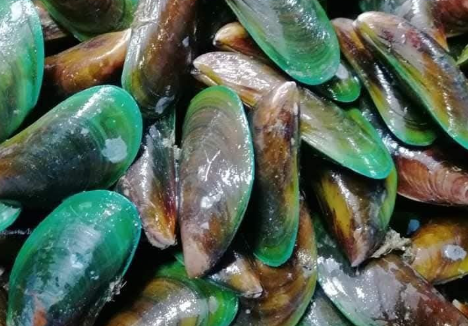
2. Tahong (Green Mussels) — Sweet Ocean Flavor
If you are looking for a delicious seafood meal that is highly satisfying but very easy on the wallet, tahong is the absolute perfect choice for your family. During the warm months of May and June, our local coastal farms experience a massive harvest of these green mussels, which means the markets are flooded with stock that is incredibly affordable and freshly pulled from the water. Tahong is widely loved by Filipino families because it cooks in just a few minutes and brings a rich, savory ocean flavor to any dish without requiring expensive ingredients. Whether you want to cook a comforting warm soup for a rainy evening or create a cheesy, buttery appetizer for a weekend gathering, buying these mussels in season guarantees you are getting the plumpest and juiciest meat available.
✅ How to Tell If Tahong is Fresh:
Closed Shells: The shells should be tightly closed. If a shell is slightly open, tap it gently; if it closes, it is still alive and fresh. If it stays open, throw it away.
Clean Shells: The shells should look shiny and wet, not dry, cracked, or broken.
Smells Like the Sea: It should have a fresh, salty ocean scent. Avoid any mussels that smell bad or too fishy.
Heavy and Full: Fresh mussels feel heavy because they are still holding clean seawater inside their shells.
🍳 Suggested Recipes:
Ginisang Tahong: A comforting ginger soup with sayote (chayote) and dahon ng sili (chili leaves).
Baked Tahong: Mussels topped with lots of garlic, butter, and melted quick-melt cheese.
Sizzling Tahong: Sautéed mussels served on a hot plate with onions, chilies, and mayonnaise.
📍 Location: 456 Herbosa St, Tondo, Manila, 1012 Metro Manila, Philippines
📦 Packaging: 1 kg per unit
💰 Price: ₱160 per kg
📦 Package cost: ₱160 per unit
3. Pusit (Squid) — Tender Healthy Choice
Adobong pusit is a classic comfort food that brings back memories of home-cooked meals, and there is no better time to cook it than right now. Squid is very abundant during these months, meaning you can easily get your hands on fresh stock instead of settling for frozen packs from the grocery store. When you buy squid while it is in season, you will notice a huge difference in texture; the meat is incredibly tender and easy to chew, making it perfect even for children. Because it is so fresh and plentiful this season, it is the best time to experiment with different squid dishes in your own kitchen.
✅ How to Tell If Pusit is Fresh:
Clear Skin: The skin should look clean, with vibrant spots, not dull or patchy.
Firm Texture: The body should feel firm and clean, not soft or mushy.
No Strong Odor: Fresh squid has very little smell; avoid it if it smells "fishy."
Clear Ink: If you buy it whole, the ink sack should be intact and not leaking.
🍳 Suggested Recipes:
Adobong Pusit: Cooked in vinegar, soy sauce, and its own black ink.
Inihaw na Pusit: Grilled stuffed with tomatoes and onions, served with soy-calamansi dip.
Pusit Guisado: Stir-fried with vegetables like carrots, bell peppers, and snap peas.
Crispy Calamari: Deep-fried breaded squid rings served with tartar sauce.
📍 Location: Putik, Zamboanga City, Zamboanga del Sur, Philippines
📦 Packaging: 1 kg per unit
💰 Price: ₱190 per unit
📦 Package cost: ₱190 per unit
.png)
4. Tilapia — Affordable Local Protein
Tilapia is widely known as the king of freshwater fish in the Philippines, and for good reason—it is affordable, easy to find, and reliable for any cook, whether you are a beginner or a kitchen pro. Throughout May and June, our local freshwater farms reach their peak production, resulting in the best and freshest harvest of the year. Because these fish are raised locally, they reach the market quickly, ensuring you get that clean, fresh-water taste in every bite. Whether fried, grilled, or stewed, tilapia is the perfect choice for a healthy, budget-friendly meal that never fails to satisfy the whole family.
✅ How to Tell If Tilapia is Fresh:
Clear Eyes: Just like bangus, the eyes should be bright and clear.
Clean Gills: The gills should be a vibrant red color.
No Slimy Layer: The skin should be clean, not covered in excessive, sticky slime.
Stiff Body: A fresh tilapia will be stiff and straight when held by the tail.
🍳 Suggested Recipes:
Fried Tilapia: Simply salted and deep-fried until the skin is perfectly crispy.
Pinaputok na Tilapia: Baked or steamed with tomatoes and onions inside foil.
Tilapia in Sweet and Sour Sauce: Fried fish topped with a tangy sauce and bell peppers.
Grilled Tilapia: Rubbed with salt and pepper and grilled until smoky and delicious.
📍 Location: Bankerohan, Poblacion District, Davao City, Davao del Sur, Philippines
📦 Packaging: 1 kg per pack
💰 Price: ₱200 per kg
📦 Package cost: ₱200 per kg
Why Buy Local?
When you buy from local fishers and farmers through FarmyHub, you are doing much more than just buying dinner. You are helping your own community. You are supporting Filipino families, ensuring shorter travel times for the fish (which means better flavor), and keeping our local agricultural traditions alive.
Support Local and Shop with Care
Shopping for seafood is always a bit of a challenge, and we know that even the best markets can sometimes be hit-or-miss. This is exactly why we built FarmyHub—to help you connect directly with local farmers and suppliers so you can see exactly where your food comes from. While we always encourage our buyers to use the "look and touch" tips we shared earlier to check the freshness for themselves, buying directly from local sources is a great way to skip the long warehouse storage times found in traditional retail.
We invite you to explore the listings on our platform to see what local sellers have harvested this week. It is a simple way to discover what is available in your area and to start building a relationship with a supplier you can trust. By choosing to source your food through FarmyHub, you are doing more than just buying dinner—you are supporting your own community and the hardworking Filipino families behind every harvest.
Take a look around FarmyHub today to see the latest local listings and find the ingredients for your next home-cooked meal. Let’s keep supporting our local fishing communities together and keep our tables filled with the best flavors from our own waters.
Happy cooking!
Registered agriculturist, higher education instructor, and hands-on farmer. I write practical farming and agribusiness guides based on my work in the field and in the classroom.