

Top 8 Fast Growing Plants (Vegetables) in the Philippines for Quick Harvests
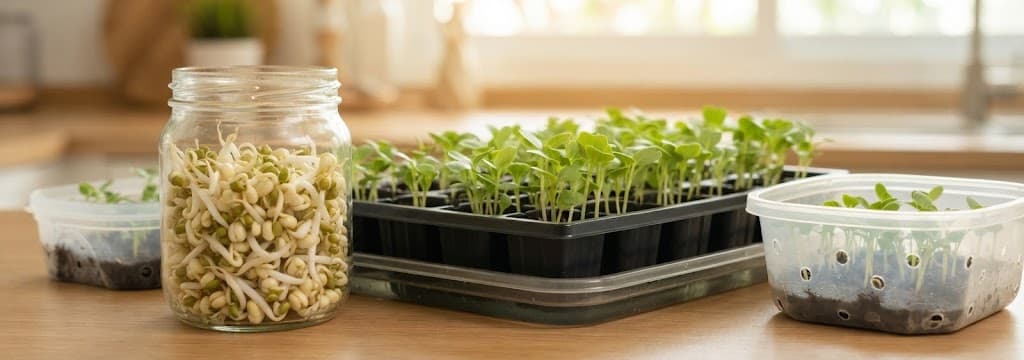
Starting a backyard garden or small farm in the Philippines is exciting, but waiting months for a harvest exposes your crops to sudden typhoons, heavy monsoon rains (habagat), pest attacks, and scorching dry spells that can wipe out your hard work overnight. Choosing fast growing plants helps reduce these risks. These quick growing vegetables deliver fresh, nutrient-rich food in just a few weeks, often before the next storm or dry spell arrives.
What Is a Fast Growing Plant? Timelines and Characteristics
A fast growing plant, sometimes called a quick growing plant, is an edible plant ready for harvest within 3 to 60 days, unlike slow staples that tie up garden space for months. Many also feature a "cut-and-come-again" habit—simply harvest the mature outer leaves or top shoots while leaving the roots intact, allowing the plant to push out fresh yields every 1 to 2 weeks.
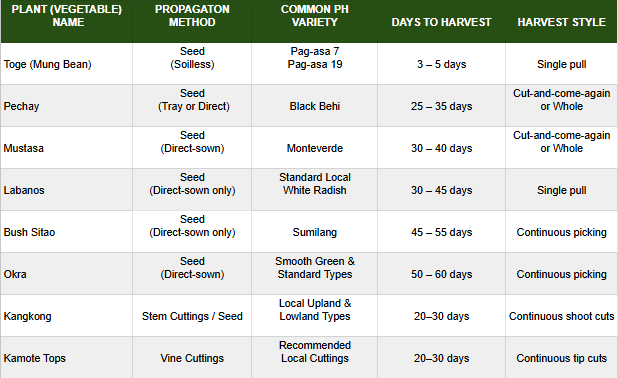
Note: Actual maturity dates can vary depending on soil fertility, water supply, daily sunlight, and season (wet vs. dry).
Fast Growing Plants from Seeds
1. Toge/Mung Bean — (3 to 5 Days)
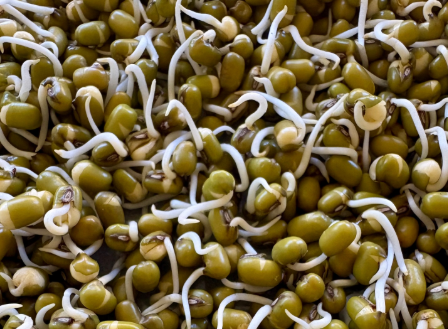
Mung bean sprouts (toge) are the fastest fresh food you can make at home, especially if you use high-quality local seeds like Pag-asa 7 or Pag-asa 19 developed by UPLB-IPB. You do not need soil, plant food, or direct sun to grow them. The beans use their own natural stored energy to produce crunchy white sprouts.
🪴 Best planted in:
Indoor containers
Colanders
Sprouting jars (no soil needed)
🌱 How to Grow
Wash dry green mung beans (monggo) and soak them in clean water overnight (about 8 to 12 hours).
Drain the water and transfer the plump beans into a colander, clean plastic container with drainage holes, or a sprouting jar.
Keep the container in a dark, warm place inside your kitchen.
Rinse and drain the beans with clean water 2 to 3 times a day to prevent mold and foul odors.
By day 3 to 5, the sprouts will reach 2 to 3 inches in length and are ready to eat or sell.
2. Pechay/Bok Choy — (25 to 35 Days)
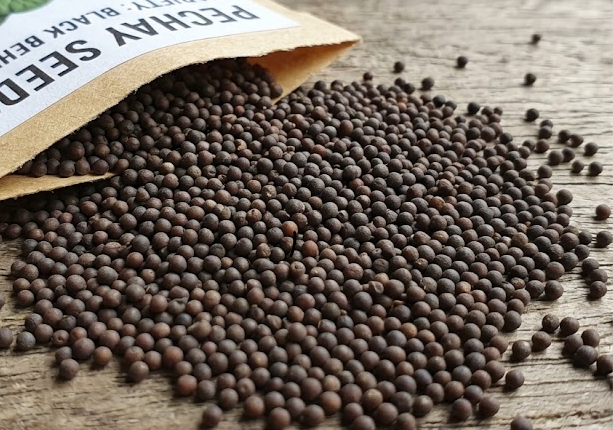
Pechay is a favorite in every local palengke and carinderia. Famous local seeds like Black Behi grow well in pots, sprout within a few days, and develop thick, juicy white stems that sell easily.
🪴 Best planted in:
Raised garden beds
Seedling trays for initial nursery care
Containers with good drainage holes (at least 6 inches deep)
🌱 How to Grow
Plant seeds shallowly (about 1/4 inch deep) in a seedling tray with loose potting soil. Mist gently with water so the tiny seeds do not float away.
Keep the soil moist; the seeds will sprout in 3 to 4 days.
When the seedlings grow 3 to 4 true leaves (about 10 to 14 days old), move them into your garden beds or pots. Leave 6 to 8 inches of space between each plant.
Water the plants every morning to keep the soil moist.
Harvest after 25 to 35 days. Cut the whole plant at the ground level, or pick only the large outer leaves so the center can keep growing.
☀️ Care and Maintenance
Sunlight: Give them 4 to 6 hours of morning sunlight daily for thick stems.
Heat: Pechay likes warm weather, but extreme heat above 32°C can cause early flowering (bolting), which makes the leaves bitter.
Rain and Sun Protection: Heavy rains can tear the leaves. Use raised beds during rainy months so roots do not sit in mud. In hot months, a shade net protects the leaves from scorching, and insect netting keeps caterpillars off.
Pests: Check under the leaves for caterpillars and beetles. Pick them off by hand or spray with mild neem oil early in the morning.
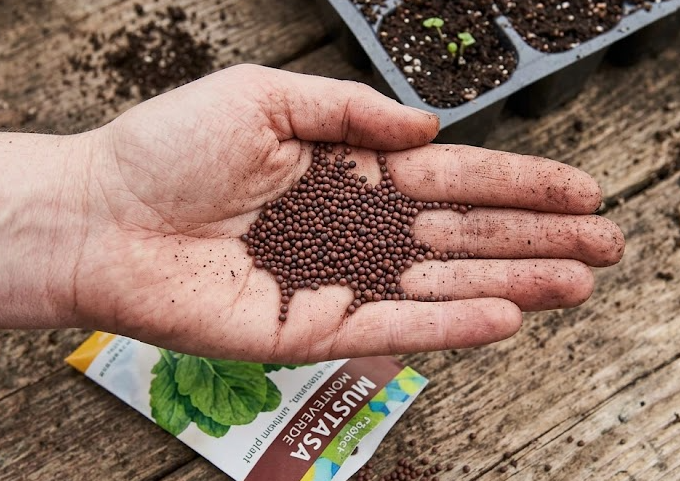
3. Mustasa/Mustard Greens (30 to 40 Days)
Mustasa has curly, light-green leaves and a spicy, peppery kick. The Monteverde variety is the most common kind grown by Filipino farmers. It is perfect for sour sinigang or homemade burong mustasa, and it handles tropical heat and rain very well.
🪴 Best planted in:
Open garden plots
Raised beds
Recycled pots
🌱 How to Grow
Mix compost or aged animal manure into the top few inches of your garden soil.
Plant seeds about 1/4 inch deep. Dust a little loose soil over them and water gently.
When the seedlings reach 2 inches tall, thin them out so each plant has 6 to 8 inches of breathing room. Good spacing stops mold and plant sickness.
Make sure they get 4 to 6 hours of sun daily and water every morning so they do not flower too early.
Harvest the whole plant for 30 to 40 days, or gently snap off the big outer leaves for your meals.
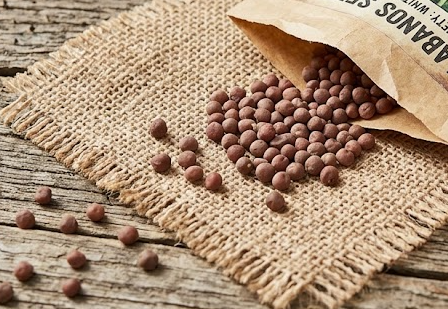
4. Labanos/White Radish (30 to 45 Days)
Labanos is a fast root vegetable that grows straight down into the soil and produces clean, smooth white roots. Because the long root breaks easily when moved, always plant labanos seeds directly into the bed; never start them in trays or move them.
🪴 Best planted in:
Raised garden beds with loose, sandy loam soil
Deep pots/grow bags at least 10 to 12 inches deep with proper drainage holes
🌱 How to Grow
Dig down 8 to 10 inches and remove rocks, sticks, and hard dirt clumps so the radish can grow straight down without bending.
Plant seeds 0.5 inches deep, spaced 3 to 4 inches apart in rows 8 to 12 inches apart.
When seedlings grow 2 inches tall, pull out the extra weak sprouts so remaining plants have 4 to 6 inches of space.
Water regularly. If the soil gets completely dry and then suddenly gets soaked with water, the roots will split open and taste unpleasantly spicy.
Harvest at 30 to 45 days when the white top pops up above the soil line and is 1 to 2 inches wide. Pull firmly from the base of the leaves.
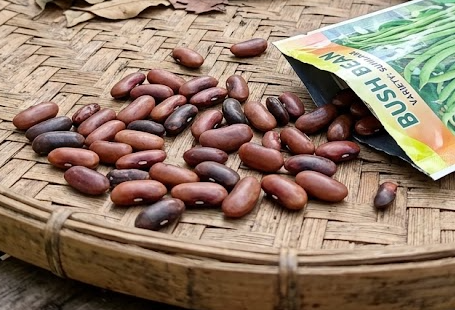
5. Bush Sitao/Bush String Beans (45 to 55 Days)
Unlike traditional pole sitao that requires trellises to climb, bush sitao varieties like Sumilang grow in an upright, compact bush form, making them ideal for container gardening and small spaces.
🪴 Best planted in:
Direct garden beds
Raised plots
Large containers (at least 5 to 7 gallons per 2–3 plants) with loose, well-draining soil and exposure to full sunlight
🌱 How to Grow
Loosen the soil and mix in a carbonized rice hull so water drains easily. Sitao roots rot quickly if they sit in mud.
Plant seeds 1 inch deep directly into the garden or large pot (bean roots do not like being moved). Space them 8 to 10 inches apart.
Water lightly every morning. Keep the soil damp, especially when purple flowers appear.
Put the plants in an area with at least 6 hours of direct sun daily.
Pick young, green pods 45 to 55 days after planting. Harvest every 2 to 3 days to encourage the bush to make more beans.
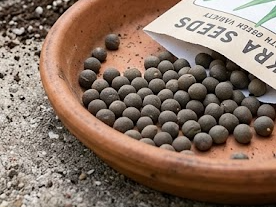
6. Okra/Lady’s Finger (50 to 60 Days)
Okra is one of the toughest, most sun-loving vegetables in the Philippines. Well-known varieties like Smooth Green grow strongly under the hot midday sun. They survive dry days much better than leafy greens and keep producing pods for several months.
🪴 Best planted in:
Full-sun garden beds
Farm rows
Large containers
🌱 How to Grow
Soak okra seeds in clean water overnight (12 to 24 hours) before planting. This softens their hard shell so they sprout faster.
Plant seeds 0.5 to 1 inch deep directly in the soil, leaving 12 to 18 inches of space between plants because they grow into wide bushes.
Give them at least 6 hours of direct sunlight every day. Water deeply 2 to 3 times a week.
Add a handful of compost around the stem when you see the first flowers.
Start picking pods 50 to 60 days after sowing. Cut the pods with scissors when they are 3 to 4 inches long. Pick them every 2 to 3 days; if you leave old pods on the branch, they turn hard and woody, and the plant stops making flowers.
Fast Growing Plants from Cuttings
7. Kangkong — (20 to 30 Days)
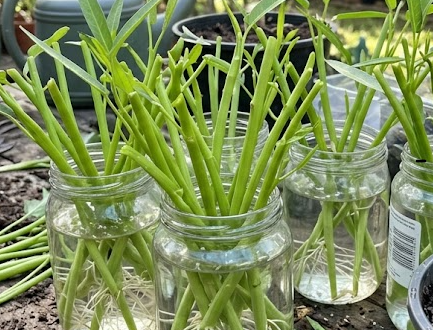
While wild kangkong grows along muddy rivers, local upland or lowland kangkong varieties thrive in regular garden soil, raised beds, and patio pots. They produce tender, thick stems and broad leaves that root within 2 to 3 days from leftover kitchen cuttings.
🪴 Best planted in:
Moist garden beds
Wide plastic basins
Deep planter boxes
🌱 How to Grow
Pick healthy kangkong stems about 6 to 8 inches long. Remove the lower leaves, leaving 2 to 3 small leaves at the top.
Put the bottom 2 inches of the stems in a glass of water for 2 to 3 days until white roots appear, or push them straight into wet soil.
Plant the rooted stems 2 inches deep into moist soil, spaced 4 to 6 inches apart.
Water every day to keep the soil moist. Make sure they get 4 to 6 hours of sun daily.
Harvest after 20 to 30 days by cutting the stems 2 inches above the soil. Leave the bottom roots in the ground; they will sprout fresh new stems for another harvest in 10 to 14 days.
8. Kamote Tops/Sweet Potato Greens — (20 to 30 Days)
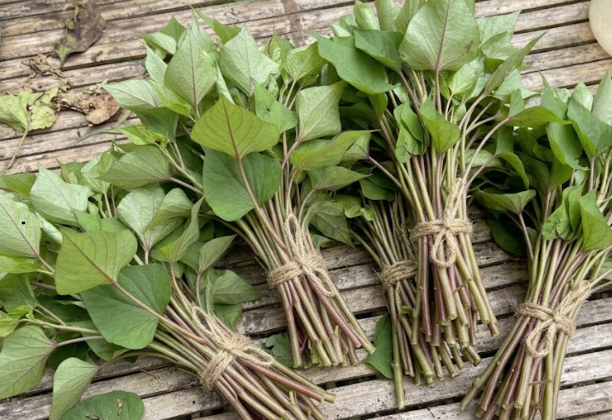
Unlike regular sweet potato plants grown for underground tubers, leafy kamote varieties are grown for their quick, tender vine tips (talbos ng kamote). They love the heat, handle heavy rain easily, and quickly grow new shoots every time you trim them.
🪴 Best planted in:
Raised garden beds
Wide garden mounds
Hanging plant pots
🌱 How to Grow
Take healthy vine cuttings 8 to 10 inches long from the tips of mature plants. Strip off the lower leaves, leaving only the top cluster.
Plant cuttings at a slight angle, burying the lower half (3 to 4 leaf joints) into damp soil.
Water daily for the first week until new green leaves show that the cutting has rooted.
Place them in full sun (at least 5 to 6 hours daily) for fast, tender growth.
Snip off the top 4 to 6 inches of tender tips starting 20 to 30 days after planting. Regular picking makes the vine branch out into a thick bush of fresh greens.
Frequently Asked Questions (FAQs)
What vegetables can I harvest within 30 days?
Toge (mung bean sprouts) is ready in just 3 to 5 days, kangkong and kamote tops in 20 to 30 days, and pechay from about 25 days after planting.
Which fast-growing plants can grow in water or without soil?
For plant propagation and water-based growing systems, kangkong and sweet potato (kamote) cuttings are excellent choices. They root remarkably fast in plain water or hydroponics setups without needing traditional soil.
Which easy to grow plant is best for beginners in the Philippines?
Kangkong and pechay are the best options. If you want an easy to grow plant that requires minimal maintenance, both varieties handle tropical heat well, establish quickly from seeds or cuttings, and grow reliably in backyard plots or recycled pots without complicated tools.
What are the best fast growing plants in the Philippines for small containers?
Leafy greens like pechay, mustasa, and kangkong are top choices for containers because they require shallow pots only 6 to 8 inches deep. If you want an ultra-fast harvest with the shortest possible turnaround, microgreens take only 7 to 14 days, while mung bean sprouts (toge) are ready in just 3 to 5 days without any soil.
What do fast-growing plants need to grow well?
Fast-growing crops need well-draining soil, regular watering and enough sunlight: 4 to 6 hours a day for leafy greens like pechay and kangkong, and 6 hours or more for okra and sitao. Mixing organic compost or carbonized rice hull into your soil helps boost nutrient absorption and speed up growth.
Where can I buy vegetable seeds in the Philippines?
You can easily buy vegetable seeds and planting supplies directly through FarmyHub.
Ready to Start Growing?
Fast-growing crops are practical choices for maximizing small spaces, reducing farming risks, and enjoying fresh produce with minimal waiting time.
Whether you are looking to source planting supplies or want to purchase fresh farm produce directly from local growers, explore the listings on FarmyHub to connect with farmers and agribusinesses across the Philippines.
Registered agriculturist, higher education instructor, and hands-on farmer. I write practical farming and agribusiness guides based on my work in the field and in the classroom.