

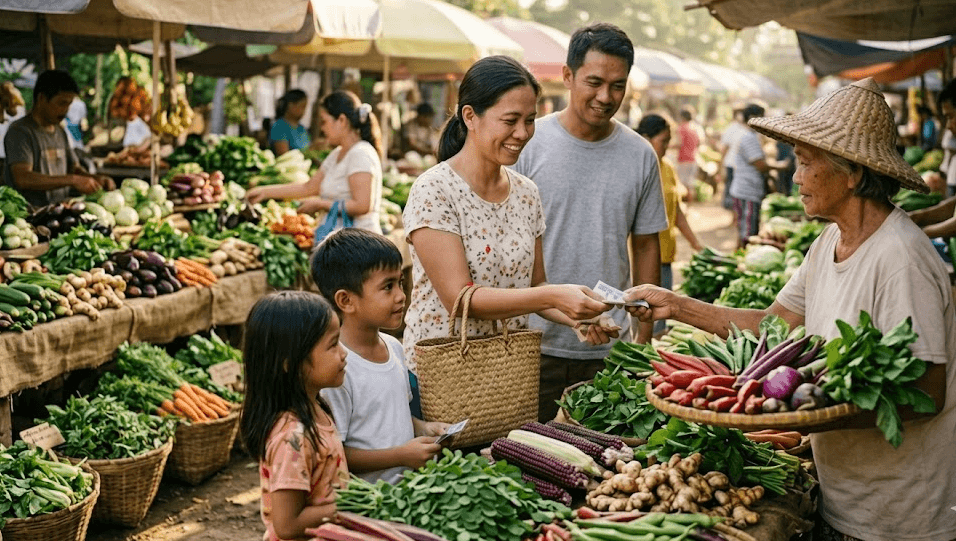
Why Buy Locally Grown Food in the Philippines: 7 Benefits of Local Produce and How to Buy from Local Farmers
Starting a backyard garden or buying your food from a small local farm is one of the simplest good choices you can make. If you have ever planted a tomato or eggplant seed in your yard, you know how good it feels to harvest it with your own hands and cook it for dinner, and how fresh it tastes compared with vegetables that have travelled a long way to reach the store.
Many Filipinos are finding that fresh, locally grown food is not a luxury for the wealthy. Buying from farmers near you supports their income, keeps native crops in our markets and gets food to your table sooner. This guide explains what local food means, the real benefits of buying it (and where those benefits are often overstated), and how to buy directly from Filipino farmers, including the fresh fruits and vegetables sold by farmers on FarmyHub.

In this guide | Short answer |
|---|---|
Food grown or raised close to where you live: your town, province, region or the Philippines. | |
Fresher food, more money for farmers, seasonal taste, native crops and more. | |
A side-by-side comparison, including where imports make sense. | |
Malunggay, red okra, purple corn and native ginger, with sellers. | |
Palengke, bagsakan, cooperatives and buying online direct from farmers. | |
Categories and supplier lists for vegetables, fruits, rice, eggs, fish and more. | |
Bakit bumili ng lokal na produkto ng magsasaka. | |
Cost, organic vs naturally grown, food miles and how to support farmers. |
What Is Local Food?
Local food is food grown, raised or caught close to where it is sold and eaten. There is no single official distance. For most Filipino families, “local” means food from your own town, province or region, and more broadly, food grown in the Philippines instead of imported.
Locally grown food usually travels through a short supply chain: the palengke, a farmers’ cooperative, a roadside farm stall, or a farmer selling online. The fewer hands it passes through, the more you can learn about where and how it was grown.
Buying local is also a long-running call of the Department of Agriculture. In its “Buy local, eat local” campaign, the DA urged Filipinos to buy domestic rice to support the livelihood of rice farmers.
7 Benefits of Buying Locally Grown Food
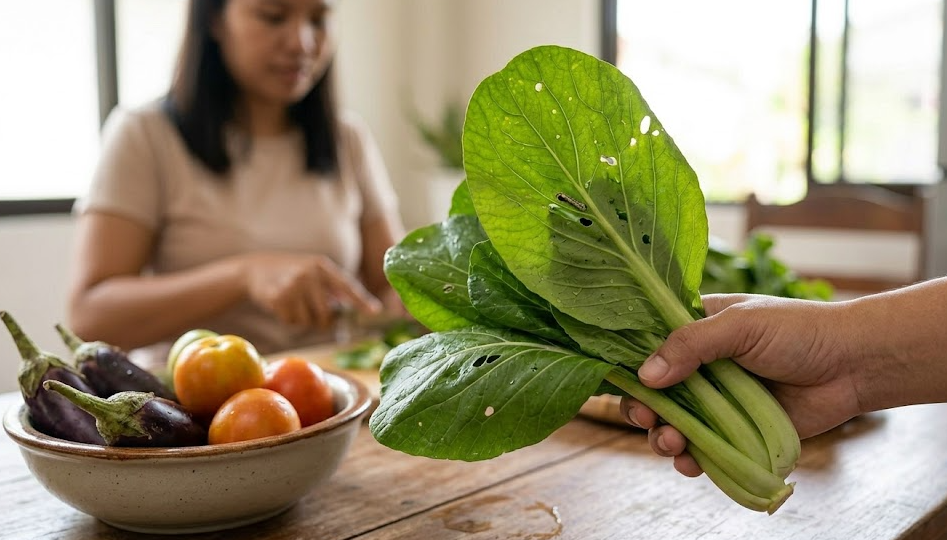
1. Fresher Food on Your Table
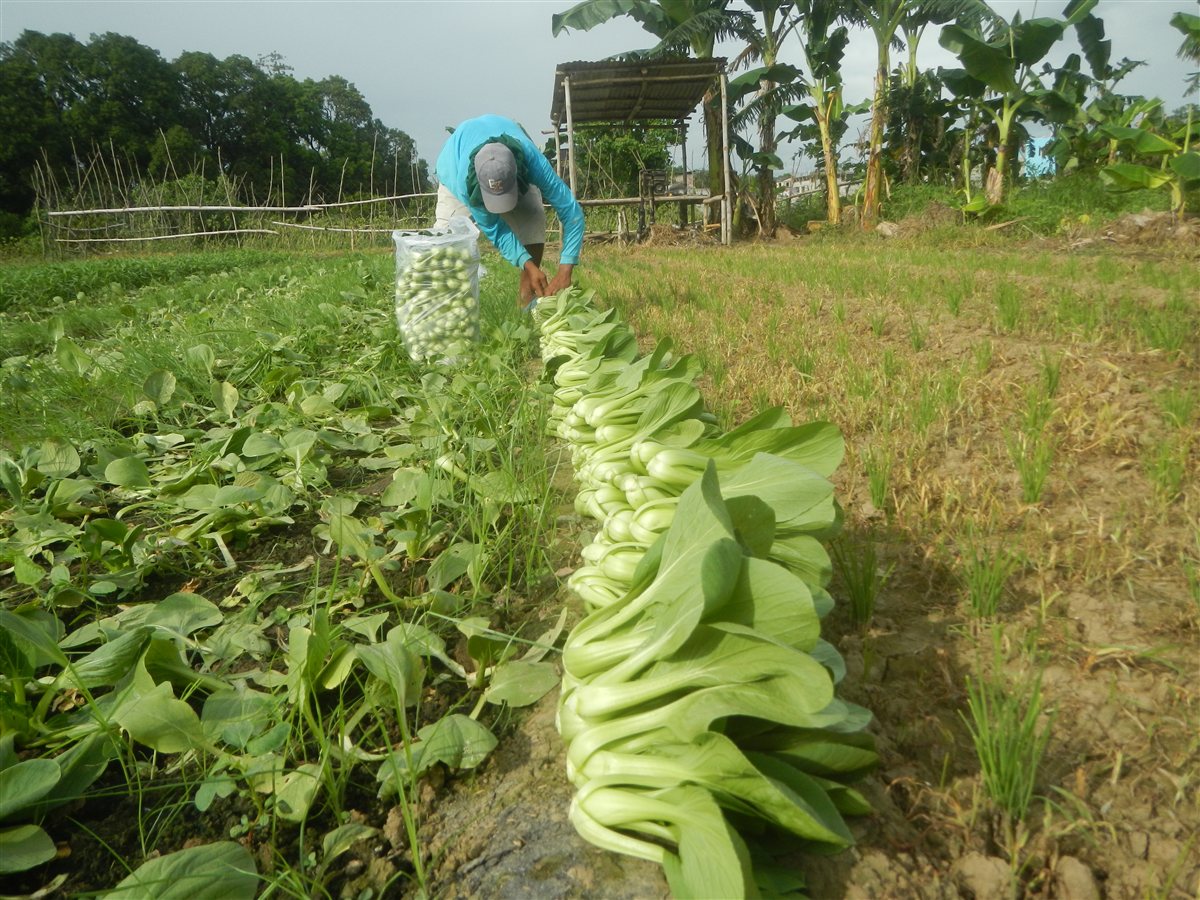
Locally grown fruits and vegetables usually reach you sooner after harvest than produce shipped from far away. Leafy greens like pechay and kangkong wilt quickly, so a shorter trip from farm to table means crisper vegetables that keep longer in your kitchen. Some vitamins, such as vitamin C, slowly break down during storage, so fresher produce can also keep more of them.
2. More of Your Money Reaches the Farmer
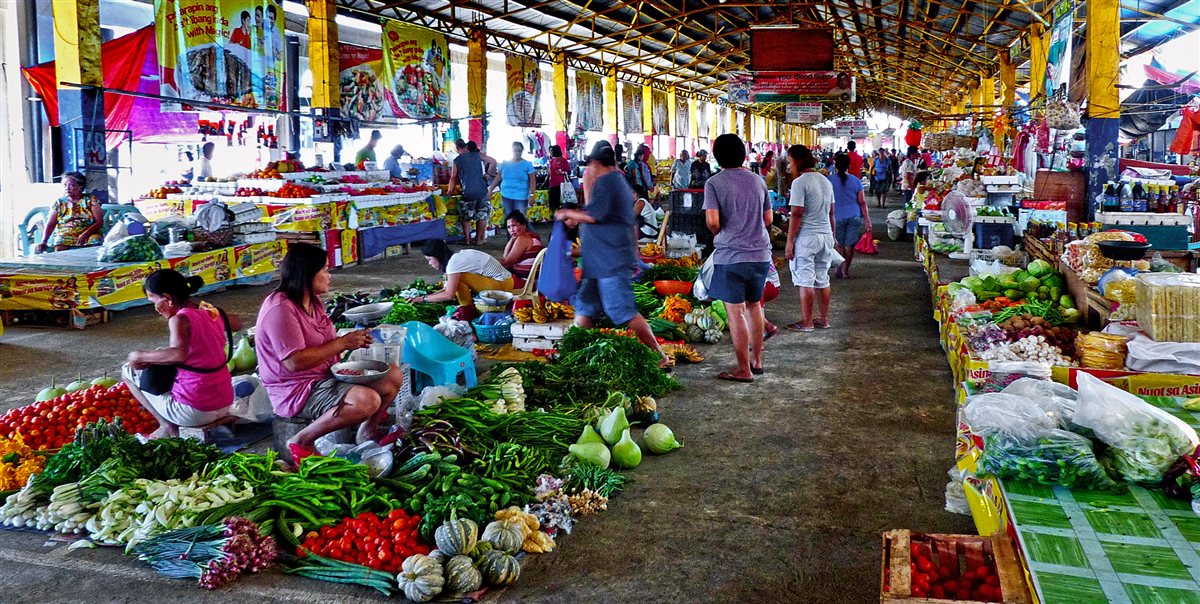
When you buy from the farmer or a farmers’ cooperative, fewer traders take a cut along the way, so a bigger share of what you pay can reach the people who grew the food. That difference helps small farm families pay for seeds, school needs and the next planting season.
3. Better Taste and Seasonal Variety
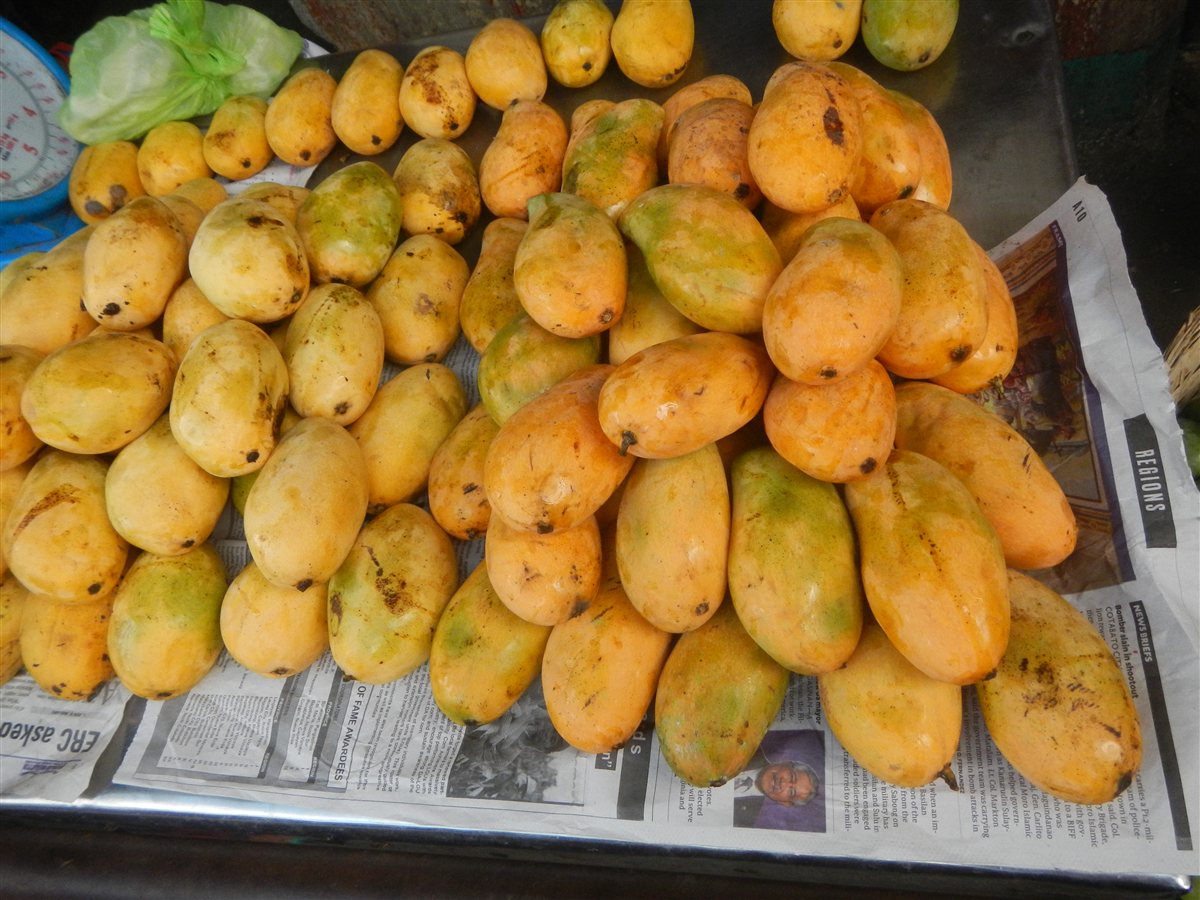
Buying local means eating with the seasons: fruit picked closer to ripeness and a changing mix of vegetables through the year. If you want to know what is in season, see our list of Philippine fruits and their seasons.
4. Money Stays in Your Community
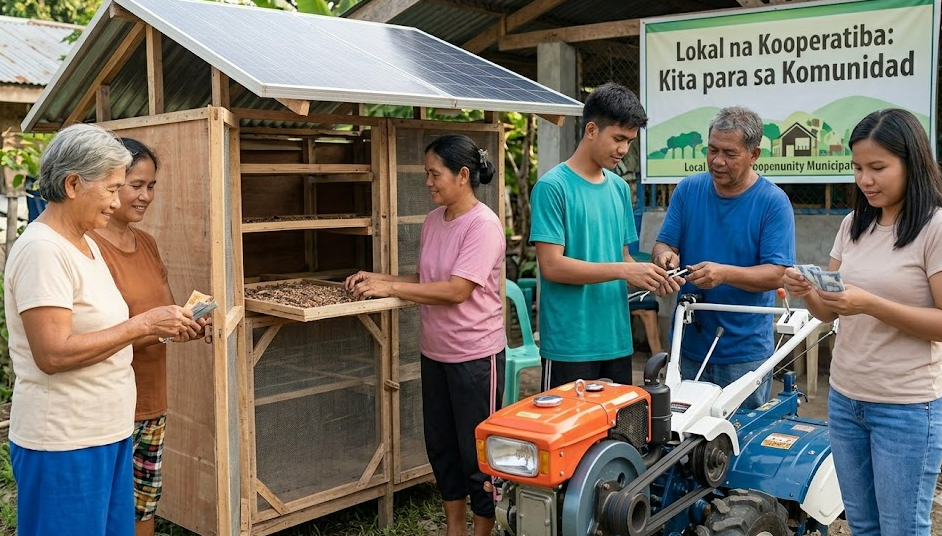
Money spent with local farmers and market vendors keeps circulating in your town. Farmers hire neighbors at harvest time, buy supplies from local stores and invest in their farms. Strong local farms also make rural work more viable, so fewer people have to leave their province to find a job in the city.
5. You Can Ask How Your Food Was Grown
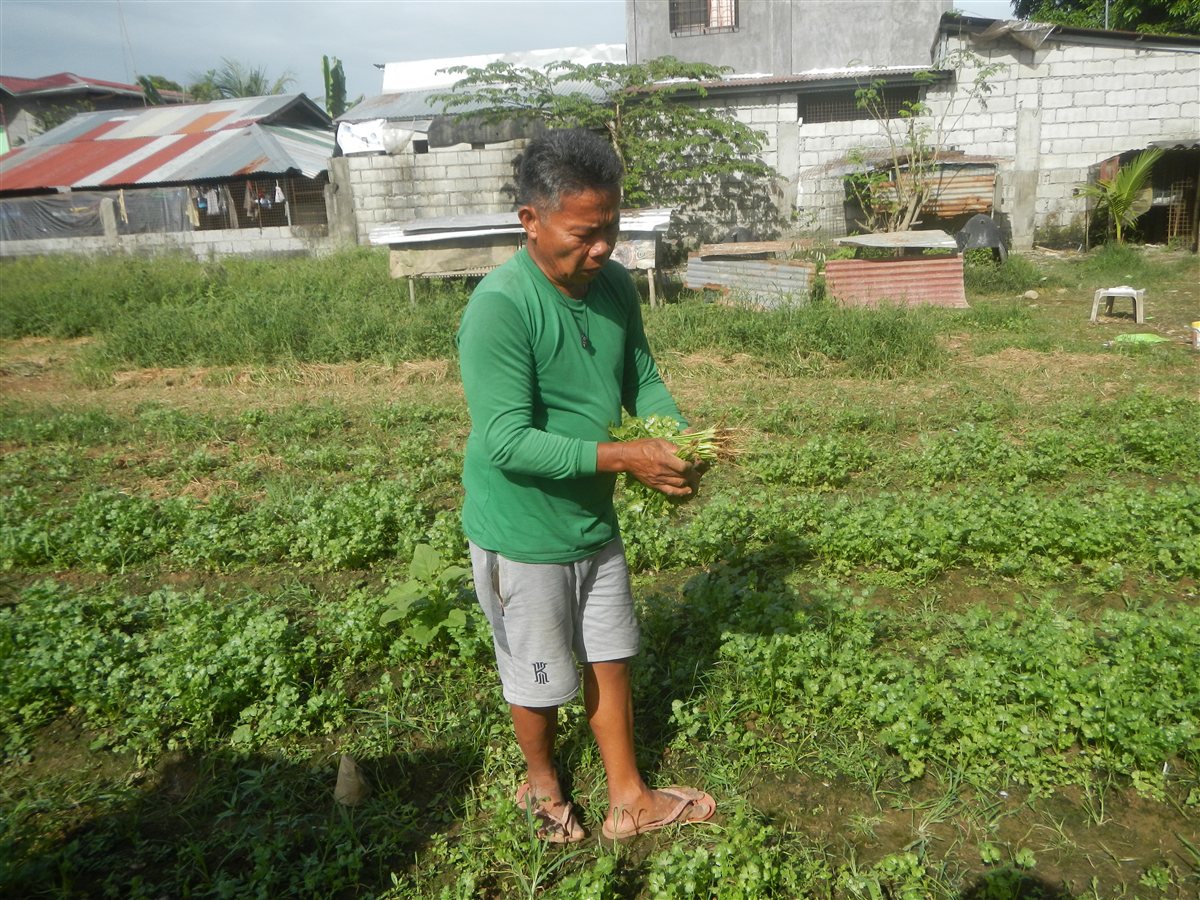
Buying close to the source lets you ask questions: Where was it grown? Was it sprayed, and with what? When was it harvested? Many small growers are happy to explain their methods. If a seller calls their produce “natural” or “chemical-free”, ask what that means in practice, because those words are not certified labels (see the FAQ on organic labels).
6. It Keeps Native Philippine Crops Alive
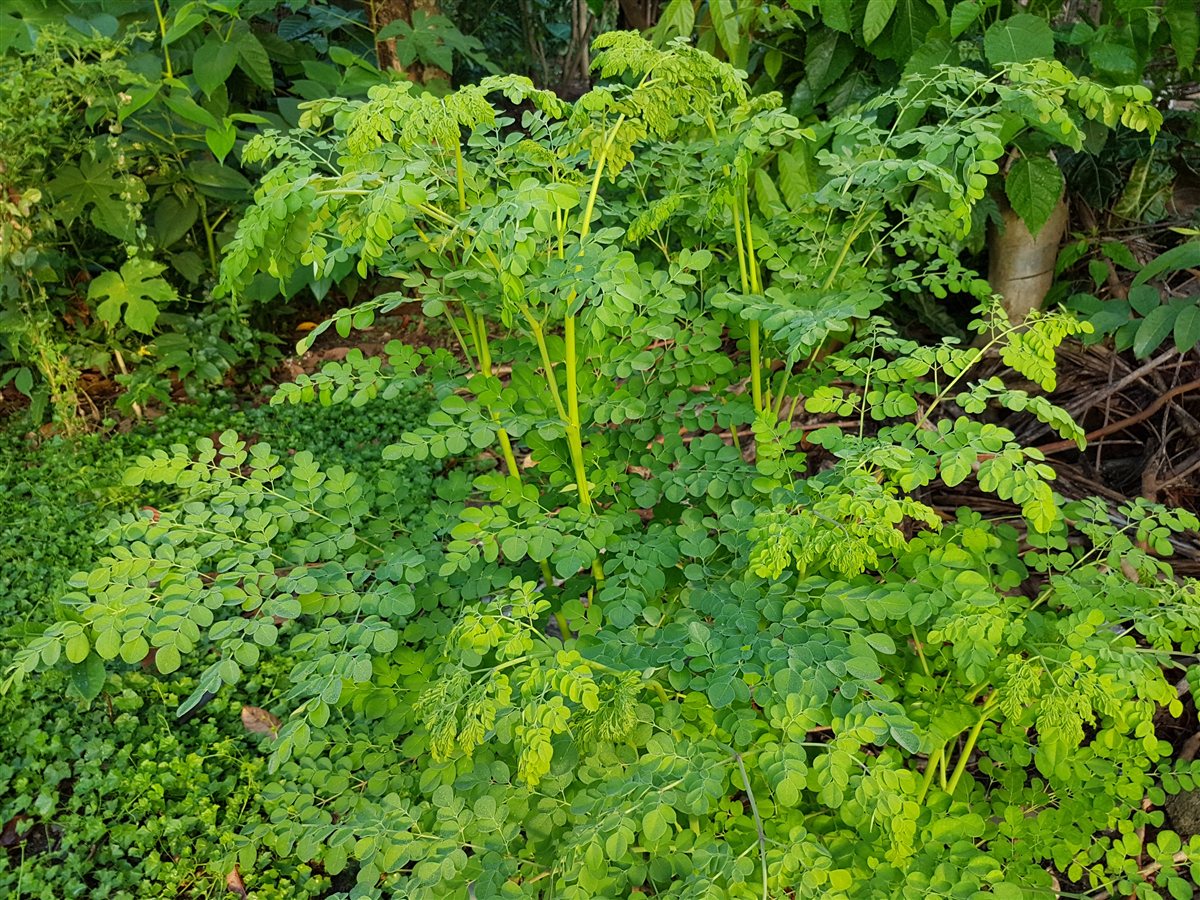
Large commercial farms often grow only a few uniform varieties that ship and store well. Small local farms keep heirloom and native crops in our markets, from malunggay to red okra and purple corn. When people buy them, farmers have a reason to keep planting them. See the native crops worth buying local below.
7. Fewer Food Miles (With One Honest Caveat)
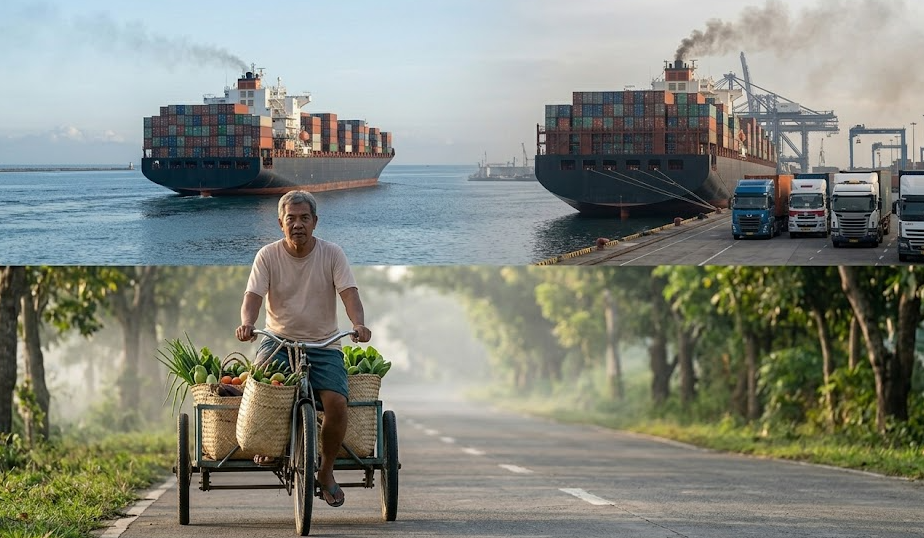
“Food miles” is how far food travels from the farm to your plate. Buying local cuts that distance, along with some of the packaging and cold storage that long trips need.
But transport is usually a small part of food’s climate footprint. According to Our World in Data, transport accounts for less than 10% of the emissions of most foods; what the food is and how it is produced matter much more. So buy local for freshness, flavor and farmers, and count lower food miles as a bonus, not the main reason.
Local vs Imported Produce: A Quick Comparison
What to compare | Local produce | Imported produce |
|---|---|---|
Time from harvest | Usually shorter, often a few days | Often longer, because of shipping and storage |
Who gets paid | More of the price can reach the farmer when you buy direct | Shared by importers, shippers and retailers |
Variety | Native and seasonal crops | A few varieties chosen for shipping and shelf life |
How it was grown | You can often ask the farmer | Hard to trace back to the farm |
Price | Often cheaper in season; can cost more off-season | Sometimes cheaper, when grown at very large scale abroad |
Food miles | Shorter | Longer, but transport is a small part of most foods’ footprint |
Imported food is not “bad”. The Philippines imports rice, wheat and other foods to meet demand. The point is simple: when a good local option is available, choosing it supports Filipino farmers.
Native Philippine Crops Worth Buying Local
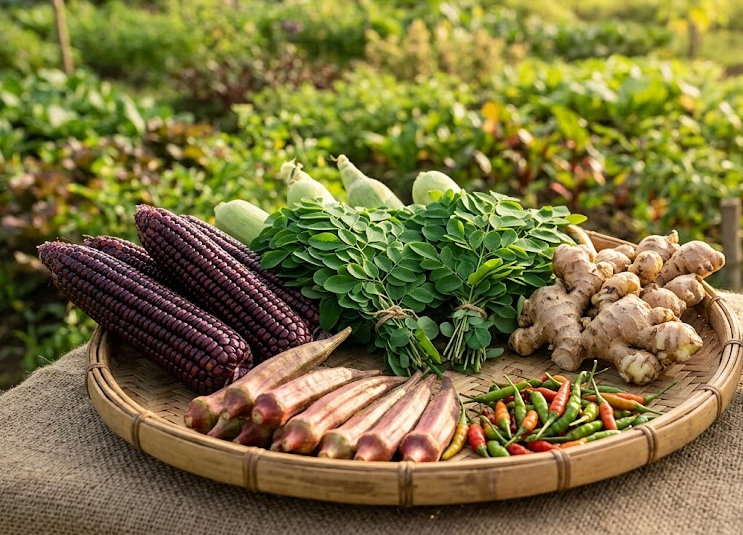
Small local farms keep these crops in our markets. Here is what each one is and where to find it on FarmyHub.
Malunggay (Moringa)
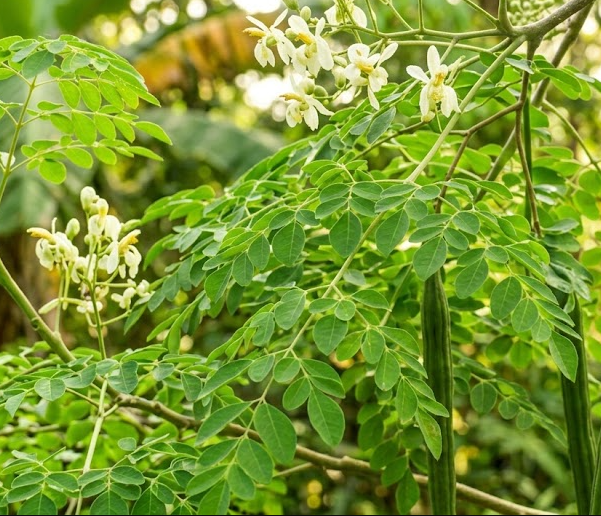
Malunggay is a backyard staple across the Philippines. It grows easily, tolerates dry spells and goes into tinola, monggo and many home recipes. According to USDA FoodData Central, 100 g of fresh malunggay leaves has about 52 mg of vitamin C, 185 mg of calcium and 4 mg of iron. On FarmyHub you will mostly find it dried, as powder or tea.
Where to buy: FarmyHub listings
📍 Malunggay powder: Cagayan de Oro City, Misamis Oriental (₱800 per unit)
📍 Malunggay tea: Calinan District, Davao City
🌿 View malunggay powder🍵 View malunggay teaRed Okra
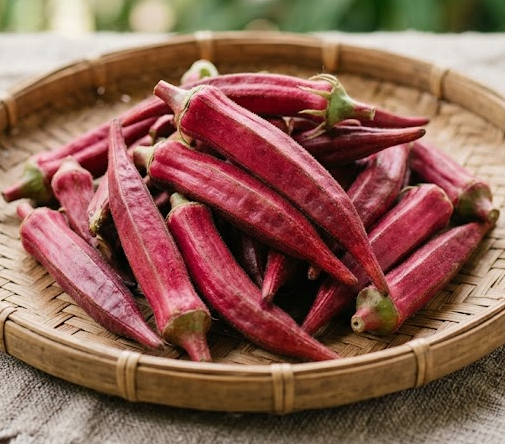
Red okra is a red-podded variety of the okra used in pinakbet and sinigang. It cooks like green okra, although the pods usually lose most of their red color when cooked. Fewer farms grow it, so it is harder to find than green okra. Check the okra for sale on FarmyHub and ask sellers whether they have the red variety.
🛒 See okra for salePurple Corn
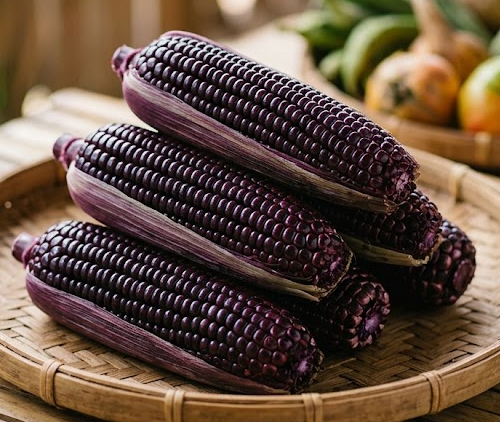
Purple corn gets its deep color from anthocyanins, the same natural pigments found in many purple fruits and vegetables. It can be boiled, grilled or ground like other corn. One FarmyHub farmer in Leon, Iloilo sells it in bulk; see also all corn for sale.
Where to buy: FarmyHub listing
📍 Location: Cabarles St, Leon, Iloilo, Philippines
📦 Packaging: 60 kg per unit
💰 Price: ₱30 per kg
📦 Package cost: ₱1,800 per unit
🌽 View purple cornNative Ginger (Luya)
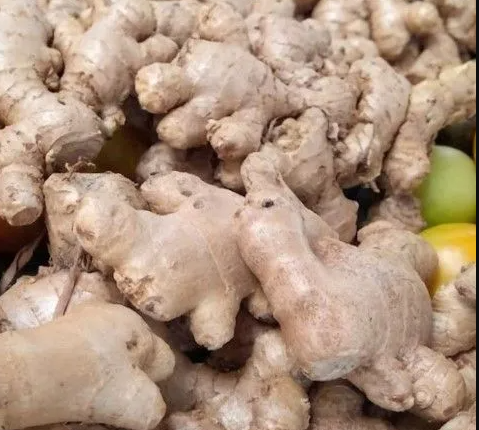
Native luya is usually smaller and more fibrous than imported ginger, with a stronger bite. It is the base of tinola and salabat (ginger tea). This listing comes from small growers in Claveria, Misamis Oriental; see all ginger for sale for more sellers.
Where to buy: FarmyHub listing
📍 Location: Plaridel, Claveria, Misamis Oriental, Philippines
📦 Packaging: 1 kg per unit
💰 Price: ₱100 per kg
📦 Package cost: ₱100 per unit
🛒 View ginger from Misamis OrientalHow to Buy Directly from Local Farmers
You do not need to drive to a farm to buy local. These are the most common ways Filipino families and small food businesses buy from local growers:
Palengke and talipapa: many vendors buy from nearby farms. Ask which produce comes from your province.
Bagsakan (wholesale trading posts): farmers and traders sell in bulk, usually early in the morning. Good for carinderias, resellers and big families.
Farmers’ cooperatives and farm stalls: some co-ops and farms sell directly at roadside stalls or weekend markets.
Online, direct from farmers: on FarmyHub you can message farmers and suppliers across the country, compare prices per kilo and order directly.
Tips for Buying Local Produce
Buy in season: produce is usually cheaper and tastes better at the peak of its season.
Do not skip “ugly” produce: a curved eggplant or a small blemish does not mean poor quality.
Ask how it was grown: when it was harvested and whether it was sprayed.
Buy in bulk with neighbors: sharing a sack or crate lowers the price per kilo. FarmyHub can help organize bulk orders.
Store it right: wrap leafy greens loosely and keep them cool; keep tomatoes and bananas out of the fridge until ripe.
Where to Buy Local Produce on FarmyHub
FarmyHub is an online marketplace where Filipino farmers and suppliers list their own produce. Prices and stock change, so check each listing for the latest price, the minimum order and the seller’s location.
What you want | Where to look on FarmyHub |
|---|---|
Fresh fruits and vegetables | |
Rice | |
Eggs | |
Live chickens and other poultry | |
Fresh fish and seafood | |
Honey | |
Dried mango, tablea and other farm products |
Want a shortlist of sellers? These guides compare suppliers by product:
🥬 Top vegetable suppliers🍍 Top fruit suppliers🍚 Top rice suppliers🐟 Fish and seafood suppliersTangkilikin ang Sariling Atin: Bakit Bumili ng Lokal na Produkto ng Magsasaka
Ang “tangkilikin ang sariling atin” ay paalala na suportahan ang mga produktong gawa at tanim dito sa Pilipinas. Pagdating sa pagkain, ang pinakasimpleng paraan ay bumili ng lokal na ani mula sa ating mga magsasaka.
Mga dahilan para bumili ng lokal na produkto:
Mas sariwa ang gulay at prutas dahil mas maikli ang biyahe mula sa bukid hanggang sa inyong mesa.
Mas malaking bahagi ng iyong ibinayad ang napupunta sa magsasaka kapag direkta kang bumibili.
Napapanatili ang mga katutubong pananim tulad ng malunggay, pulang okra at purple corn.
Nananatili ang pera sa sariling komunidad at may trabaho ang mga kababayan natin sa probinsya.
Mga halimbawa ng lokal na produkto mula sa ating mga magsasaka: bigas, gulay, prutas, itlog, isda, honey, pinatuyong mangga (dried mango) at tablea.
Tuwing Abril ay ipinagdiriwang ang Buwan ng Kalutong Pilipino (Filipino Food Month), kaya magandang pagkakataon ito para tangkilikin ang lokal na pagkain at sangkap (Department of Agriculture).
Frequently Asked Questions
What is local food?
Food grown, raised or caught close to where it is sold and eaten. In the Philippines it usually means food from your own town, province or region, or more broadly, food grown in the country instead of imported.
Is local food healthier?
Not automatically. Fresh produce eaten soon after harvest can taste better and keep more of some vitamins, but the health value of your diet depends mostly on what you eat, not where it was grown. A local tomato and an imported tomato are both healthy choices.
Why is local food sometimes more expensive?
Small farms produce less, cannot buy seeds and fertilizer in bulk, and often pay more per kilo to transport small loads. Some imported products come from very large farms with lower costs per kilo. In season, local produce is often the cheaper option, especially when you buy directly or in bulk.
Is “naturally grown” the same as organic?
No. In the Philippines, “organic” is a regulated label. Under the Organic Agriculture Act (Republic Act 10068, as amended by Republic Act 11511 in 2020), produce sold as organic must be certified by an accredited organic certifying body or, for small farmers, through a Participatory Guarantee System (PGS). “Naturally grown” and “chemical-free” have no legal definition, so ask the seller how the crop was grown.
How can I support local farmers?
Buy directly from farmers or cooperatives when you can, buy in season, pay fair prices on time and recommend good sellers to friends. If you are a farmer, you can list your produce on FarmyHub for free.
What are food miles?
Food miles measure how far food travels from the farm to your plate. Fewer food miles usually means fresher food, but transport is only a small part of the climate footprint of most foods (Our World in Data).
Where can I buy food directly from local farmers in the Philippines?
At the palengke and talipapa (ask which produce is local), at bagsakan trading posts, from farmers’ cooperatives and farm stalls, and online from farmers and suppliers on FarmyHub.
Ano ang ibig sabihin ng “tangkilikin ang sariling atin”?
Ibig sabihin nito ay suportahan at piliin ang mga produktong gawa o tanim sa Pilipinas, gaya ng bigas, gulay at prutas mula sa ating mga magsasaka.
Sources
Department of Agriculture: Support Filipino food: Eat local, buy local
Our World in Data: Focus on what you eat, not whether your food is local
Republic Act No. 11511 (amending the Organic Agriculture Act of 2010)
Sell Your Produce on FarmyHub
Are you a farmer or part of a farmers’ cooperative? List your vegetables, fruits, rice and other produce on FarmyHub so buyers who want locally grown food can find you.
FarmyHub connects Filipino farmers with buyers, restaurants, and market vendors across the country. There are two ways to start:
List your products yourself, for free. Create a free account in seconds with your Google or Facebook account, then post your products in a few minutes. Once approved, your listing is visible to buyers, who can message or call you directly.
🌱 List your products for freeBecome a FarmyHub supplier. Tell us about your farm, your products, and how much you can supply. Our team will contact you to learn about your business, and when a bulk buyer is looking for what you grow or raise, we can recommend you.
🤝 Become a supplierPrefer using your phone? Download the free FarmyHub app to post listings and reply to buyers on the go.
📱 Get the app on Google PlayRegistered agriculturist, higher education instructor, and hands-on farmer. I write practical farming and agribusiness guides based on my work in the field and in the classroom.