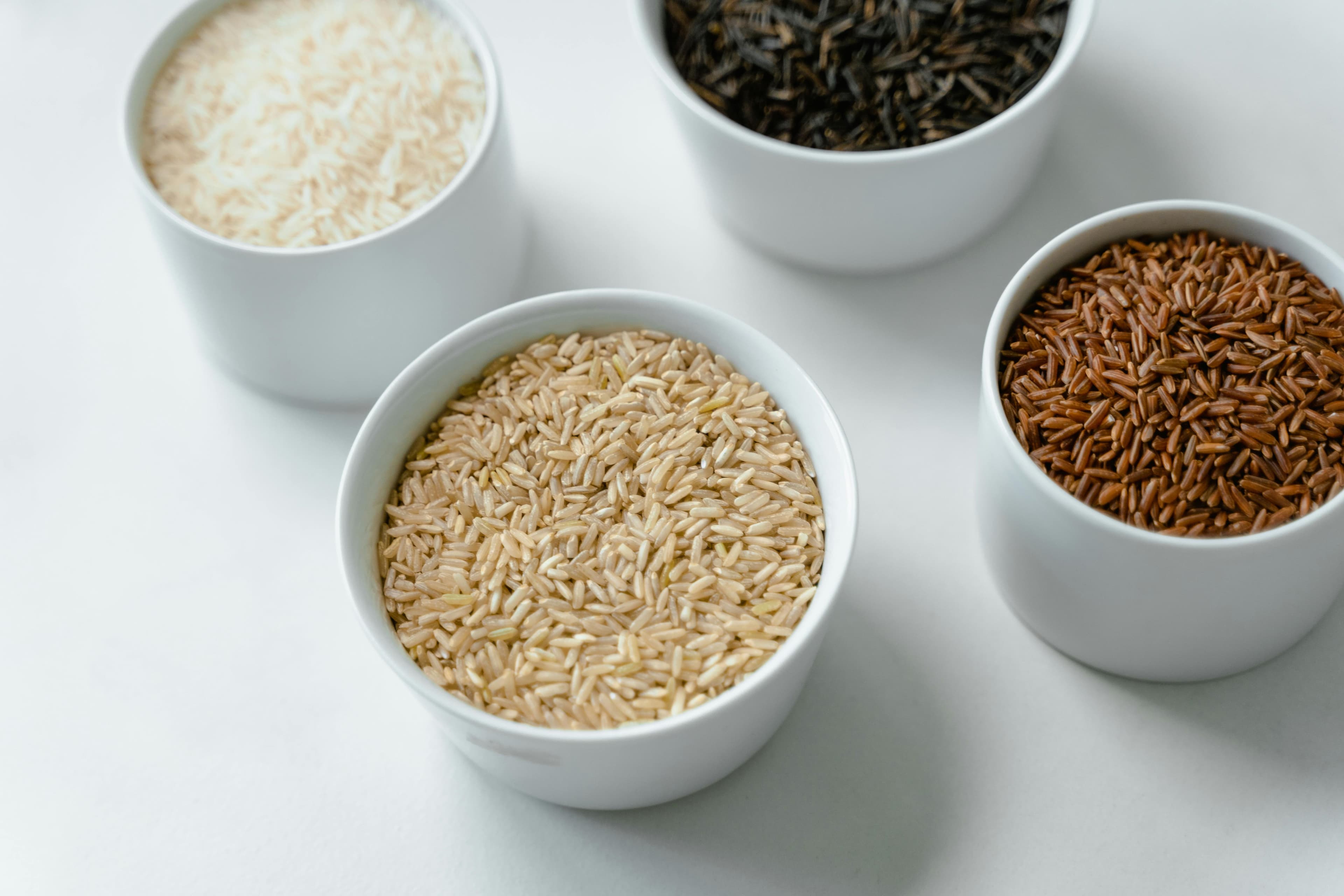
5 Best Rice Varieties for Your Food Business
Rice is no stranger to any Filipino household. It’s our essential carbohydrate that fuels the body and helps us accomplish our daily activities. Serving as the basis for countless meals and celebrations, rice is loved for its diversity.
While most businesses stick to standard white rice, there are several premium and specialized options that differ in thickness, stickiness, color, flavor, and nutrition. Some are better for high-end dining, others for specific diets, but each one has its own benefits that make it worth considering for your operations.
Choosing the right variety can be difficult when balancing cost, quality, and customer preference. In this guide, we’ll break down the differences of the most popular rice varieties trusted by food businesses across the Philippines and help you choose the best fit for your menu.
1. Jasmine Rice
A premium choice for many establishments—it is celebrated for its fragrant aroma and slightly sticky texture once cooked. Locally known as "butter rice," jasmine rice has become increasingly popular in the Philippines, with consumption rising by around 20% in recent years.
The sweet, nutty flavor of jasmine rice pairs exceptionally well with dishes like stir-fries and curries. Restaurants love using it because the aroma enhances the dining experience. Many Filipino food outlets feature jasmine rice as a premium option, thanks to its quality appeal and versatility. For example, a popular local restaurant serves jasmine rice alongside their signature chicken adobo, creating a perfect balance of flavors.
2. Sinandomeng Rice
The reliable workhorse for most households and local eateries—it is a long, white variety well-known for its excellent taste and firm texture. It is especially popular in Luzon, where about 40% of households consider it their go-to rice due to its quality and accessibility.
Sinandomeng is less sticky than jasmine rice and works well in dishes like fried rice and grain bowls. Its popularity among food businesses reflects its versatility and dependability. Many restaurants prefer sinandomeng because it holds up well during various cooking methods, ensuring that every meal maintains consistent quality. For instance, during festive celebrations, it’s often served with lechon as part of a traditional feast.
3. Japanese Rice
Commonly known as "sushi rice," this short-grain variety is recognized for its sticky, glutinous nature. It is crucial for traditional Japanese dishes, and its demand in the Philippines has surged due to the growing popularity of cuisines like sushi and ramen. In fact, sushi restaurants in the Philippines have increased by approximately 30% over the past few years.
Food outlets frequently use Japanese rice in their menus, showcasing its adaptability in both traditional and fusion dishes. For instance, a restaurant may offer a sushi platter that features locally sourced Japanese rice, highlighting freshness while catering to the tastes of discerning customers who appreciate authenticity.
4. Red Rice
A superior variety in terms of nutritional benefits, red rice is a favorite among fitness and health gurus. It is completely fat-free and contains high fiber content, which slows down digestion and helps customers feel fuller for longer.
While its fiber levels are amazing, its antioxidative properties are the real reason it shines. Red rice gets its rich color from anthocyanins, which provide strong anti-carcinogenic properties and aid in heart health. In studies comparing varieties, red rice has shown incredible health results, containing up to 10x the antioxidants found in brown rice. For businesses catering to the wellness market, red rice is an effective way to offer a premium, health-focused alternative.
5. Black Rice
Often referred to as "forbidden rice," this variety was said to be reserved for royalty in ancient China. It has several varieties, such as Thai jasmine black rice, and is known for its striking deep purple color when cooked.
The premium placed on this variety is due to its extremely high nutritional content. Research shows that black rice has the highest antioxidant activity among all varieties. It is also the richest in protein and a great source of iron. In recent times, food businesses have integrated it into their offerings to capture the attention of health-conscious consumers. For instance, a dessert shop may feature black rice pudding that highlights both flavor and visual appeal, attracting customers looking for something unique.
Which should I choose?
Given all of this information, deciding which variety is the best for your business depends on your specific goals. To give a concrete answer: Sinandomeng is the reliable standard for volume and value, but Jasmine rice elevates the dining experience with its superior aroma.
For businesses looking to stand out in 2026, Japanese rice is a must for Asian fusion, while Red and Black rice take the spotlight for health-oriented menus. Based on their highlights, red rice is the choice for weight-loss and balanced diets, whereas black rice offers additional health benefits like eye health protection and the highest protein levels.
In the end, it’s up to your brand's preferences and which benefits are most important to your customers. At FarmyHub., we pride ourselves on being a trusted supplier to food businesses nationwide. Whether you need the daily reliability of Sinandomeng or the premium health benefits of Red and Black rice, we provide the consistent quality that keeps your customers coming back. Partner with FarmyHub for reliability you can taste.